
In industrial design, surfaces were long treated as decoration. After structure and function were completed, color was applied and materials were chosen as a final, secondary step. But that is no longer the case. As product performance has become increasingly similar, people now respond to feeling rather than numbers. Instead of comparing specifications, they ask different questions first: Does it feel comfortable in the hand? Does it inspire trust at a glance? Is it something I would want to keep seeing in my everyday life? This is why the surface is no longer a final choice. It is the first sentence through which a product introduces itself to the world, and it is also a promise a brand makes to people. When we look at an object, we notice color and light before curves or proportions. The moment we touch it, we sense texture and temperature. The difference may be subtle, but high-gloss plastic creates a lightweight impression, while precisely machined metal conveys stability and trust.
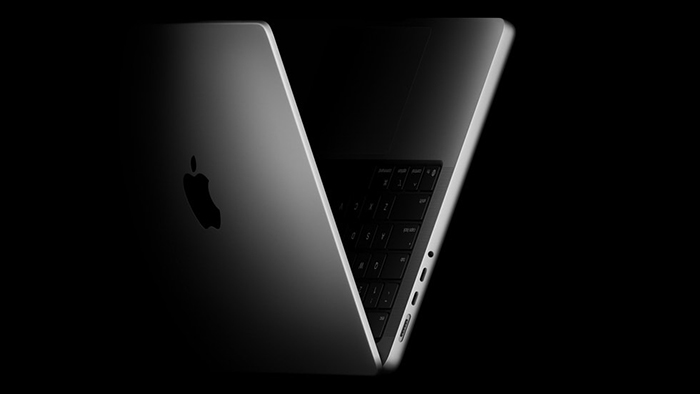
< Image source: MacBook Pro M5 © Apple >
The calm reflection of the MacBook’s aluminum surface creates trust in the tool. Its form is simple, yet the surface completes its character.
For example, the MacBook is not particularly flamboyant in shape. And yet it inspires confidence, because that trust begins with the surface. The solid feel of aluminum and its restrained, controlled reflection work together to signal a well-crafted tool. CMF becomes a language through which technology is understood by the body rather than explained in words. When the surface feels careless, even advanced technology appears cheap. When the surface is refined, even ordinary functions gain credibility. This is why CMF is not merely about making something look good. It is a core element that designs the relationship people form with an object. In the end, the surface is not a peripheral concern of design, but the starting point that determines a product’s position in the world.
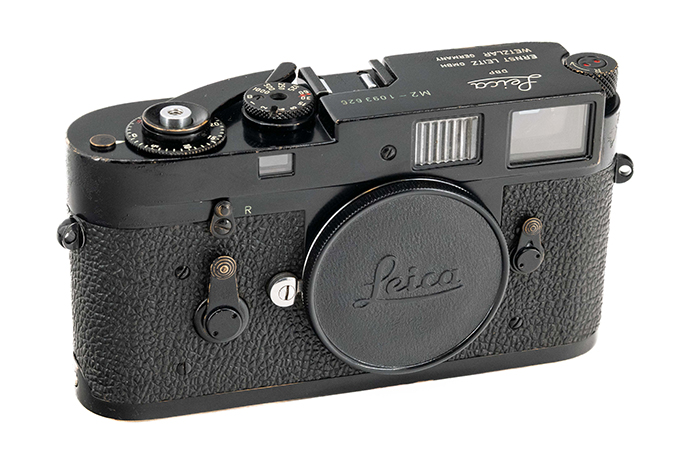
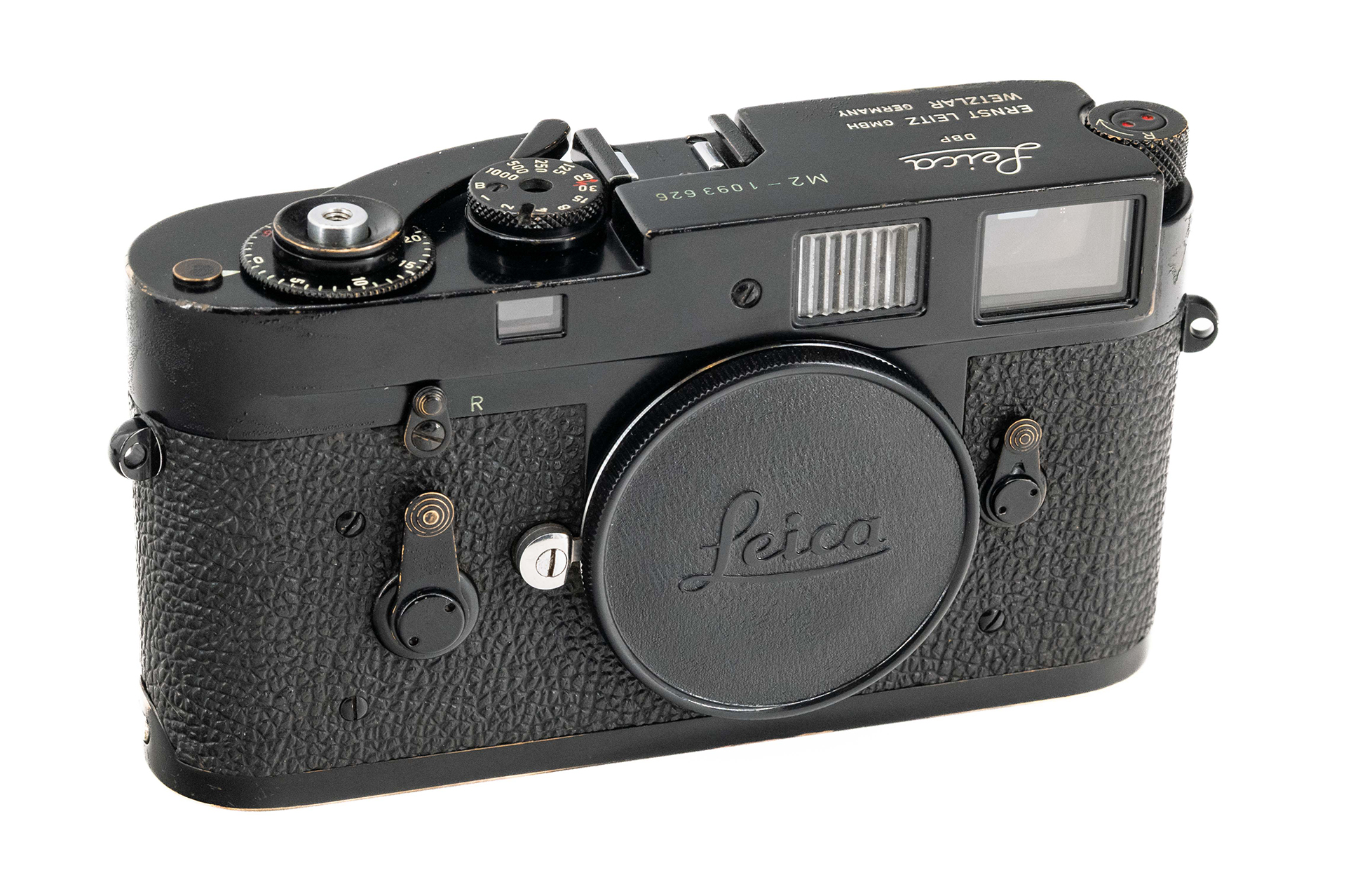
< Image source: Leica M2 film camera © Leica Camera AG >
A vintage Leica camera. The worn edges turn traces of use into records of time. A surface whose value does not diminish with age.
When we choose an object, we are not selecting function alone. We are also choosing how that object will change within our time. Whether it will still feel right next year. Whether it will become better with use. These questions naturally follow. A surface that peels, cracks, or degrades quickly soon becomes unpleasant. In contrast, a surface that deepens slowly over time invites attachment. This is true of Leica cameras, where the brass gradually emerges beneath the finish. What appears is not damage, but time spent together. By contrast, when cheap coatings peel and turn sticky, even a perfectly functioning product feels disposable. This is why CMF matters. It creates emotional durability. A surface that grows more lovable the longer it is used. A surface where traces of use are read not as deterioration, but as stories.
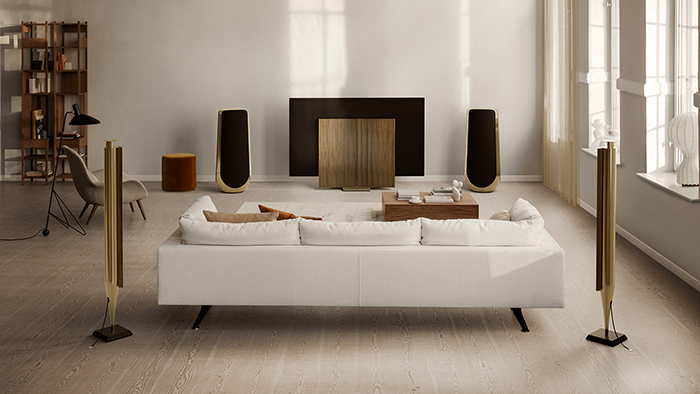
< Image source: Bang & Olufsen speakers © Bang & Olufsen >
B&O speakers placed naturally within a living space. Their surfaces and textures blend into the room like furniture.
There are products, like Bang & Olufsen speakers, where metal and textile coexist naturally within a space. They do not grow tiresome even after long use. Patagonia bags offer a similar experience. As the fabric wears slightly, they often look better rather than worse. People do not discard these objects easily. They repair them and continue to use them. This does not require complex technology. CMF alone can alter a user’s attitude toward an object. When attachment forms, replacement is delayed. Care and maintenance become natural behaviors. This benefits the environment. And above all, it feels good. Using an object that gradually conforms to your hands changes the rhythm of everyday life. This is why surface is not makeup applied to follow trends. It is an experiential device designed to be lived with for a long time.
Surface is also a window into a brand’s way of thinking. A logo may appear in only one place, but touch and light spread across the entire product. Even the same shade of black can communicate different messages. Tesla’s deep reflections evoke speed. La Marzocco’s matte finishes suggest calm and focus. Rimowa’s aluminum suitcases offer another example. The ribbed surface and scratches in the metal do not hide traces of use. Instead, they remain like records of travel. Rather than looking worn, they feel familiar and trustworthy. These choices are directly connected to brand positioning. Who the product is for. Where it will be used. What level of value it promises. All of this is revealed through the surface. This is why CMF is not a stage added after marketing. It must be considered from the very beginning of planning.
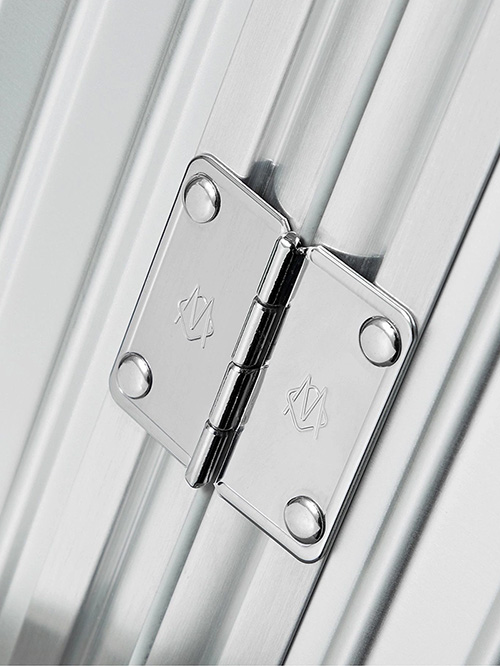
< Image source: Rimowa hinge detail © RIMOWA >
Rimowa’s hinge and ribbed pattern details. A surface that accepts scratches reveals durability and time together.
CMF, however, is not only about emotion. Surface is process. And process leads directly to cost and quality. There are products like the iMac that minimize paint and instead reveal the material itself. Others choose laser engraving over printing, reducing the number of parts. These are decisions that consider aesthetics and operations at the same time. Textures that hide scratches. Finishes that do not peel easily. Structures that are intentionally exposed. Such choices lower after-sales service costs and reduce complaints. At the same time, sustainability regulations, particularly strong in Europe, are becoming more demanding. In an environment that calls for products designed to last, surfaces that can endure time are less a burden than an investment. This changes the designer’s questions. What will this surface look like after one year? How will it feel after three? Will it be easy to maintain? Will it still look good? Depending on how a surface relates to time, the same product can take an entirely different path. Ultimately, CMF stands at the intersection where brand, operations, and user experience meet.
Throughout my work as a designer, I have constantly sought balance between form and function. Yet at the end of that consideration, the value that always remains is CMF, the part users actually see and touch. Industrial design covers a vast territory, but I still rarely see young designers, newly entering society, engage deeply with CMF. Surface is often misunderstood as something applied on top. It is time to see it differently. The importance of CMF in industrial design continues to grow, and it is likely to become even more significant in the future. Especially in an era of expanding automation and algorithms, the areas where human senses and judgment intervene become more valuable. CMF stands precisely at that point. How an object feels to a person. What kind of face it will have after time passes. Answering these questions remains a distinctly human responsibility. That is why I believe CMF is not a mere option, but an important path designers can commit to for the long term.

















#14057, 905 49, Beolmal-ro 102beon-gil,
Dongan-gu, Anyang-si, Gyeonggi-do, Korea
Business Registration Number: 454-86-01044
Online Sales License No.: 2021-Anyang Dongan-1081
Copyright © DESIGNSORI Co., Ltd.