Kookie Santos Independent Designer · Creative Director
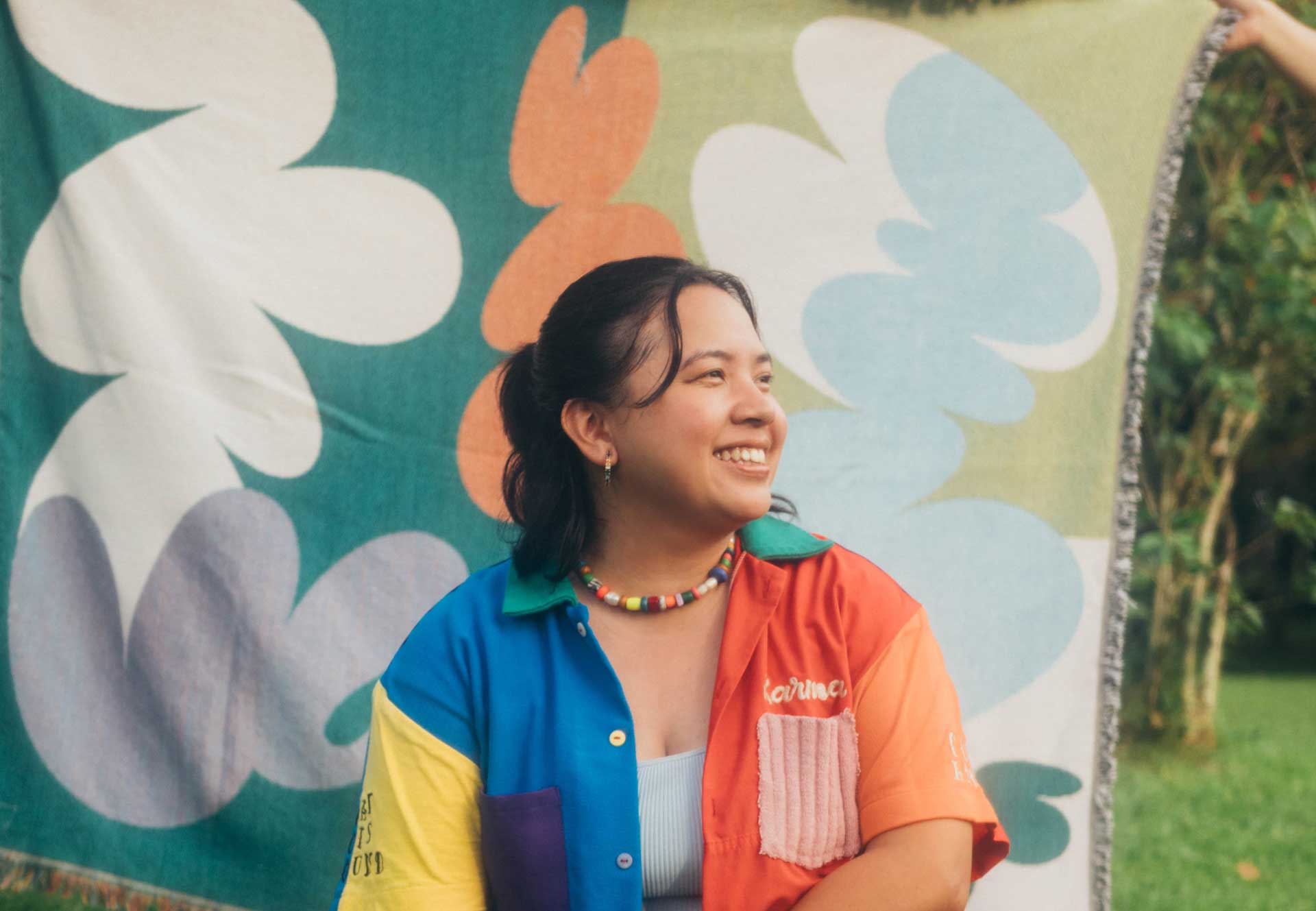
“Kookie is a Filipino designer whose practice begins with a simple belief: creating with intention is an act of care. From shaping the early years of Serious Studio to leading craft across global teams at Canva, her journey has been defined by curiosity, courage, and a willingness to stay close to the unknown. Now working independently, she approaches design as a way of living the questions, making space for play, emotion, and honest expression. In this conversation, she reflects on how joy can be a form of resistance, how community sustains creative culture in the Philippines, and why an Asian design identity may ultimately begin with a shared ethic of care.”
Could you introduce yourself to the ADP audience and share what led you to choose design as your professional path?
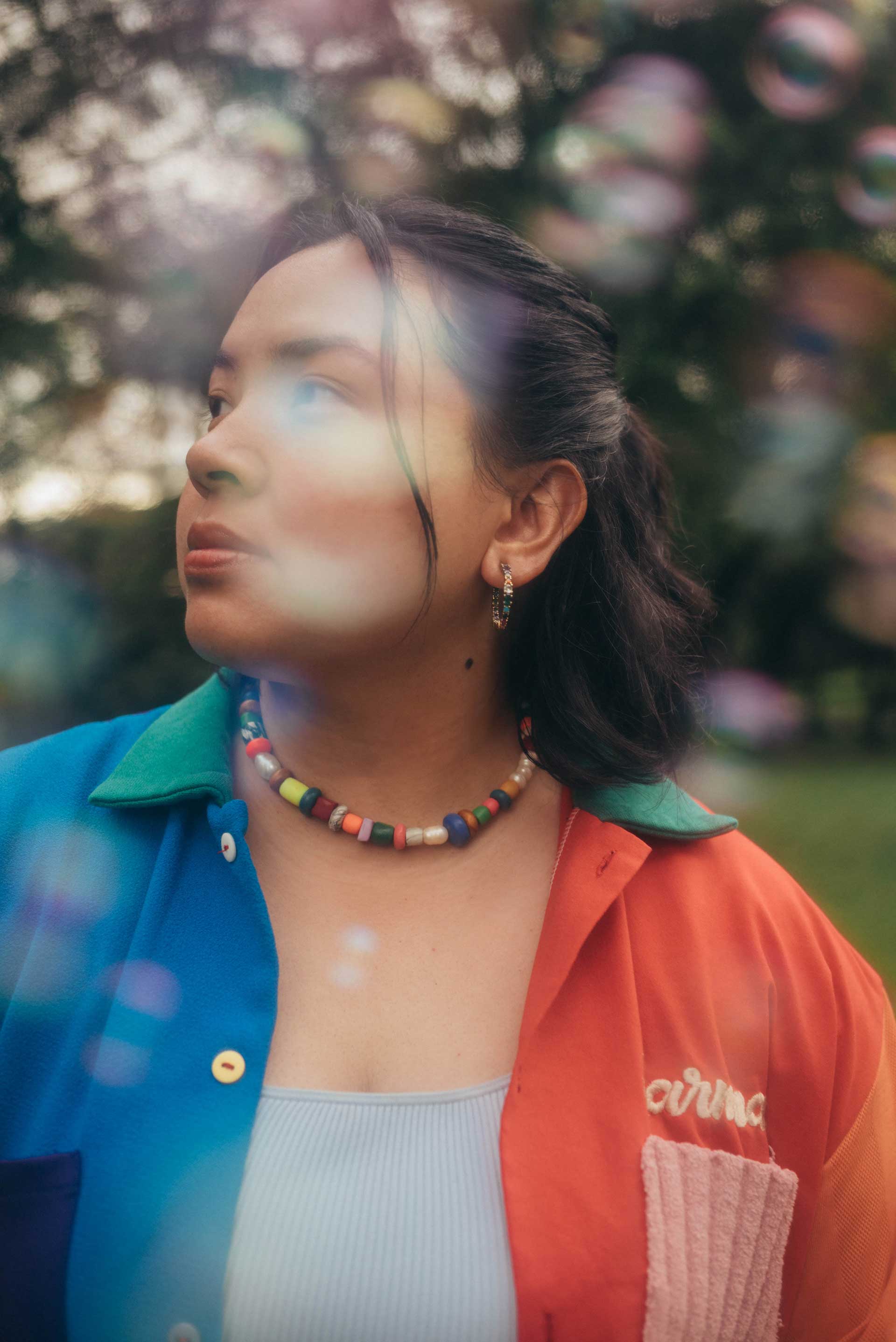
My name is Kookie, and I am a designer from the Philippines. I believe that creating with intention is an expression of care for ourselves, for each other, and for the world. With a curiosity for making things, I am most excited about experiences that encourage joy, play, and exploration. For eight years, I was a Partner and Creative Director at Serious Studio, a local branding & design studio that I had the privilege of helping shape, build and grow when it was starting out. Starting there fresh out of university, I was forced out of my comfort zone early on as my partners and I were figuring out how to run a studio. Having no guide book or reference on the right way to do things, I gradually learned to have a friendlier relationship with the discomfort of taking things as they come. It’s because of this trial and error process that I was able to hone my craft, build my agility for challenging work and time constraints, and foster meaningful relationships. I was able to further refine and expand those skills at my stay in Canva. In the three years that I was there as a Design Lead, my role was to develop and maintain the level of craft of both our local and global creative team. While the much larger scale and scope of responsibility was initially intimidating, I was luckily empowered by my peers to take ownership of this role. Even in a company that was already established by the time I was there, I was reminded that nobody has it all figured out, and that there are no right ways to move forward until we try. I had an encouraging environment that allowed me to experiment on craft education and learning initiatives for our creative team.
Currently, I am almost two years into focusing on my full-time independent creative practice. While this is something that I never considered for myself until recently, I realized that my previous work experiences prepared me for this. I gradually learned to be okay with not knowing, and exploring unfamiliar territories. When I feel like I don’t have a map or clear pathway, it can be an opportunity to discover new things about myself, and other people. My independent practice allows me to lean into my intuition more. I get to shape my creative path. It’s a constant practice of reflecting on my intentions, and how that governs what projects, ideas, and beliefs that I accept or challenge. It’s a personal responsibility that I’m grateful for. This is why I chose design as a professional path. Creativity empowers us to be curious, grounded, and aware of the world as we experience it. Design and creativity teaches me the art of being present. For me, more than design as a way to solve problems, I think that design urges me to live the questions. The creative process teaches me that everything is a process, always in the state of being and becoming. Looking at design in this way, I get to use my work as a pathway to understanding myself, other people, and the world.
Your work carries a strong sense of brightness and positive energy. What philosophy or intention shapes this visual identity?
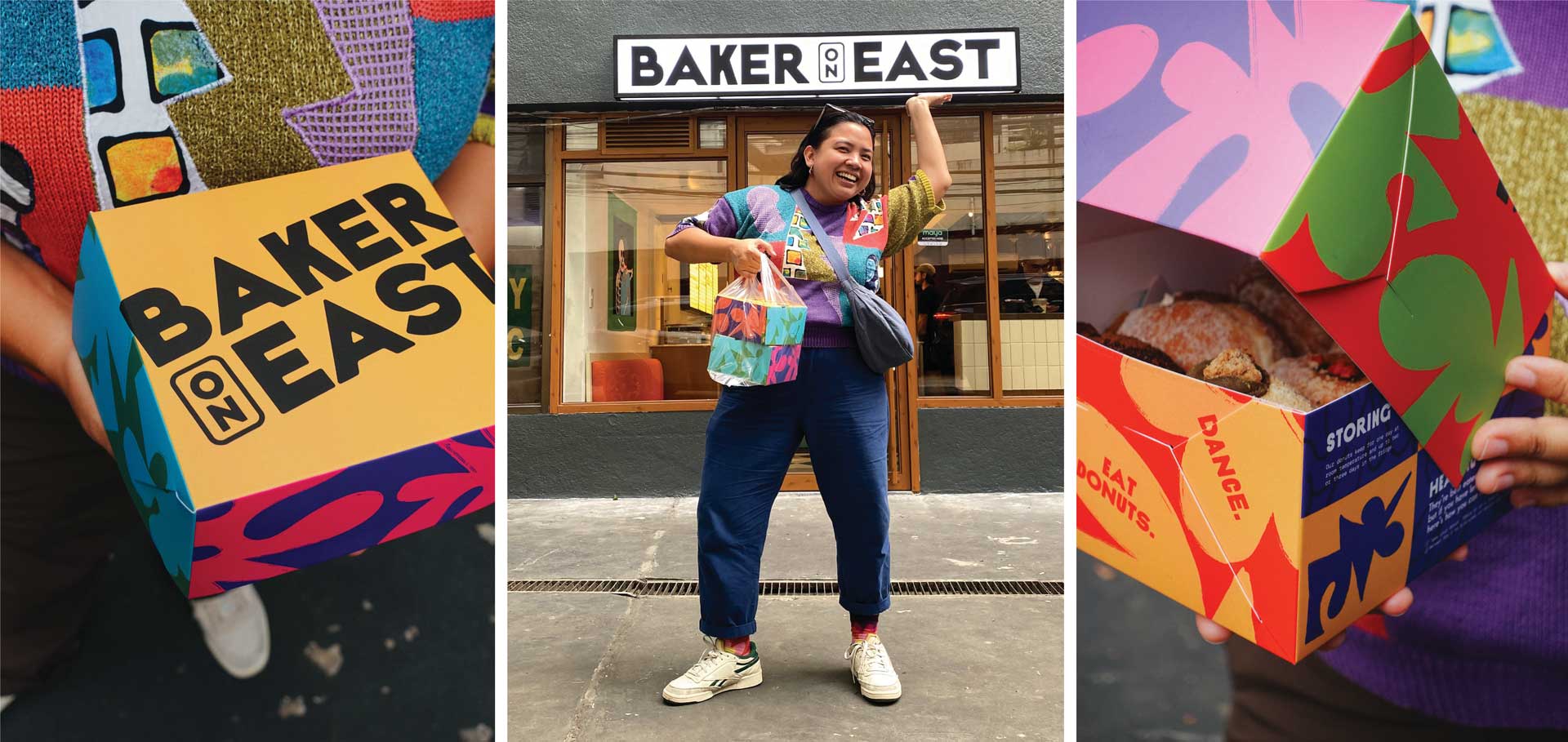
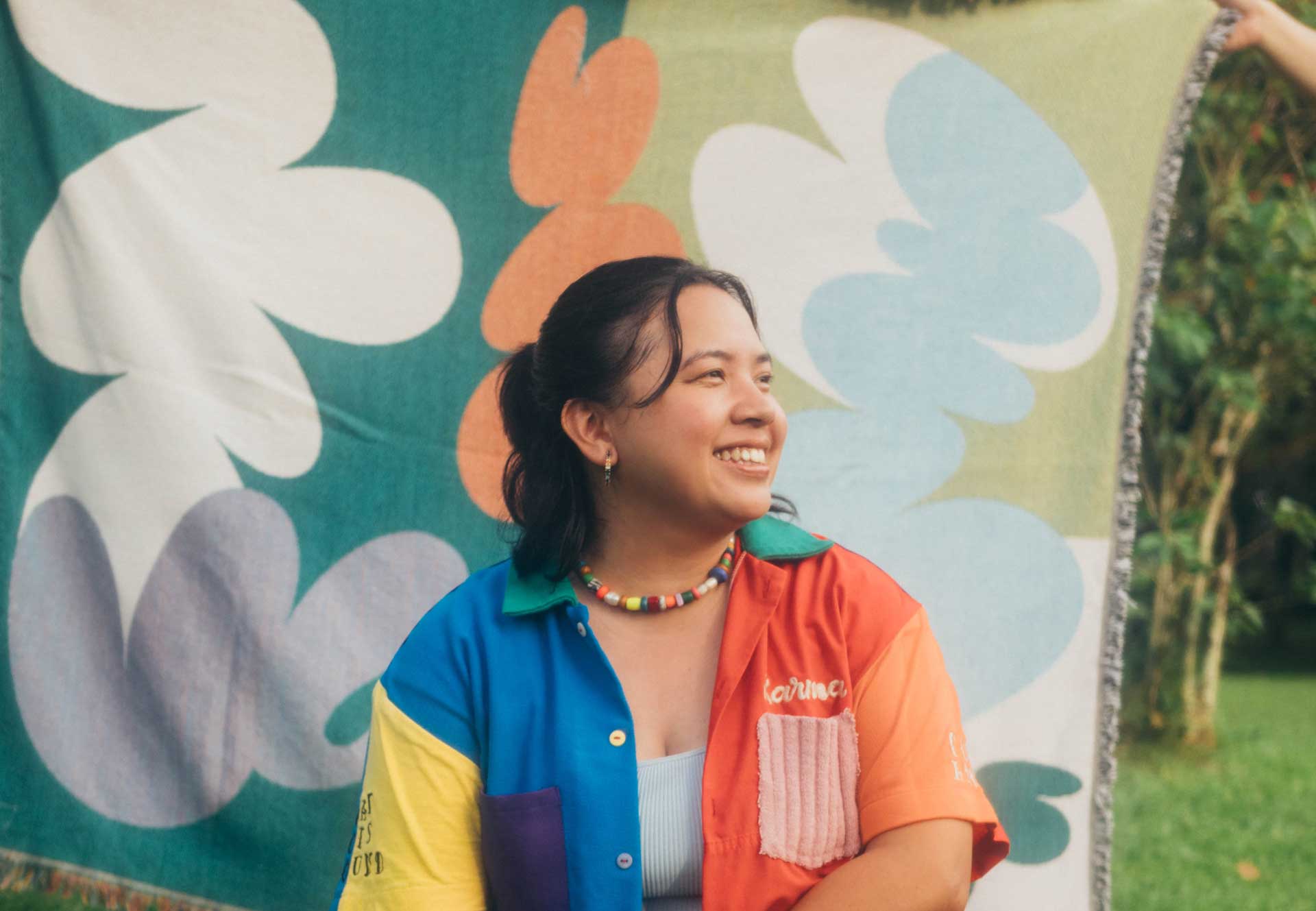
Play is the core of my creative philosophy. On the surface, play might be perceived as something that shouldn’t be integrated in serious and professional work. The state of the world further reinforces this for us. We are told that play is something that we leave behind from childhood, as we hear the words “welcome to reality.” We are faced with urgent and pressing issues which can make joy and playfulness feel shallow and frivolous. I don’t necessarily disagree with these. Life can feel heavy, and serious a lot of the time. I think it’s all the more reason that I embrace my philosophy of play. It is a form of resistance against a world that dictates what we should be, and the limits of where we can go. For me, play is bold, courageous, and profound. Play entertains imagination, expansion and possibility.
To play is to welcome everything in with an understanding heart, and a curious mind. Play asks me to be vulnerable because it means having to come as myself in an open and unpolished way. When I integrate play in my creative process, I am taken over by curiosity, not by problem solving; I am humbled by my vulnerability of not knowing, rather than the arrogance of certainty; I am called to make decisions with thoughtful intuition, rather than rigid rationalization. In short, play teaches me to be human. Whatever visual characteristics that come out of my work is just the manifestation of trying to put myself out there fully and openly, unapologetically. When I struggle and overthink the work that I’m doing, I remind myself that time and time again, my best work comes out from a state of play. Which is to say that these were the moments that I’ve allowed myself to explore, experiment, and make mistakes. The most meaningful parts of play is in the process of exploration, and what naturally comes out of it. Can I be brave enough to surrender to my craft wherever it takes me? To play is to create space for everything: the messy, the exciting, the things that don’t make sense, which in turn leads to things that make the most sense.
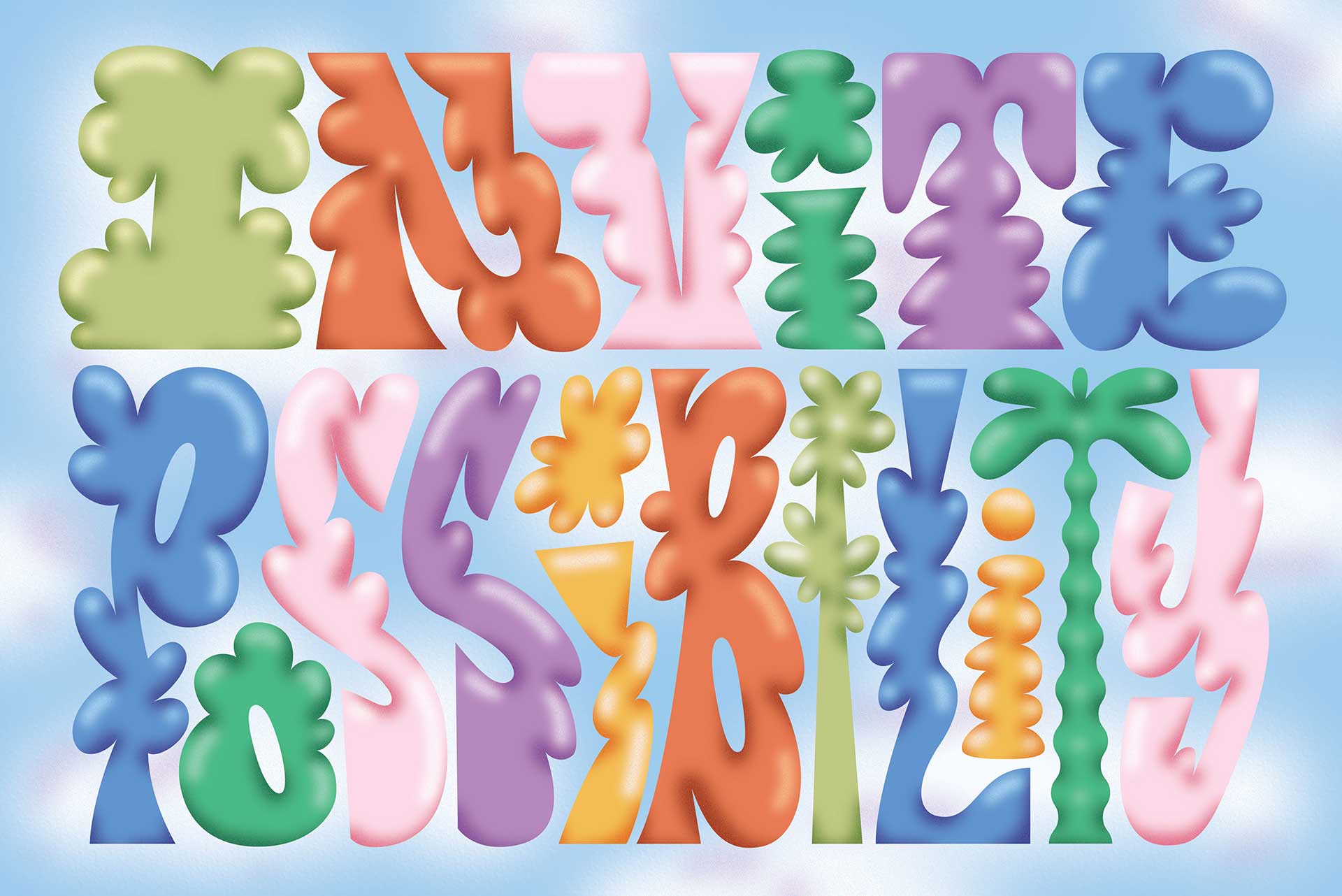
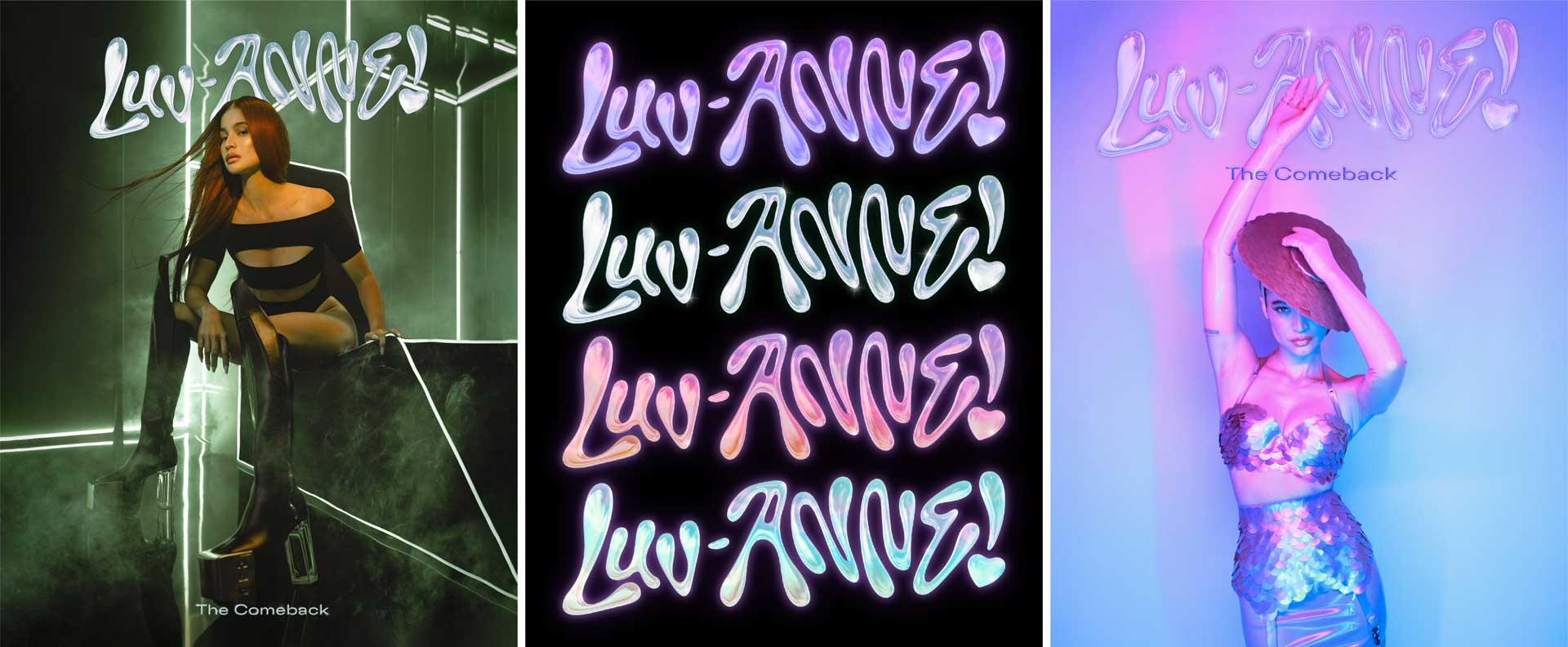
How would you describe your approach to typography, color, and illustration, which often stand out in your projects?
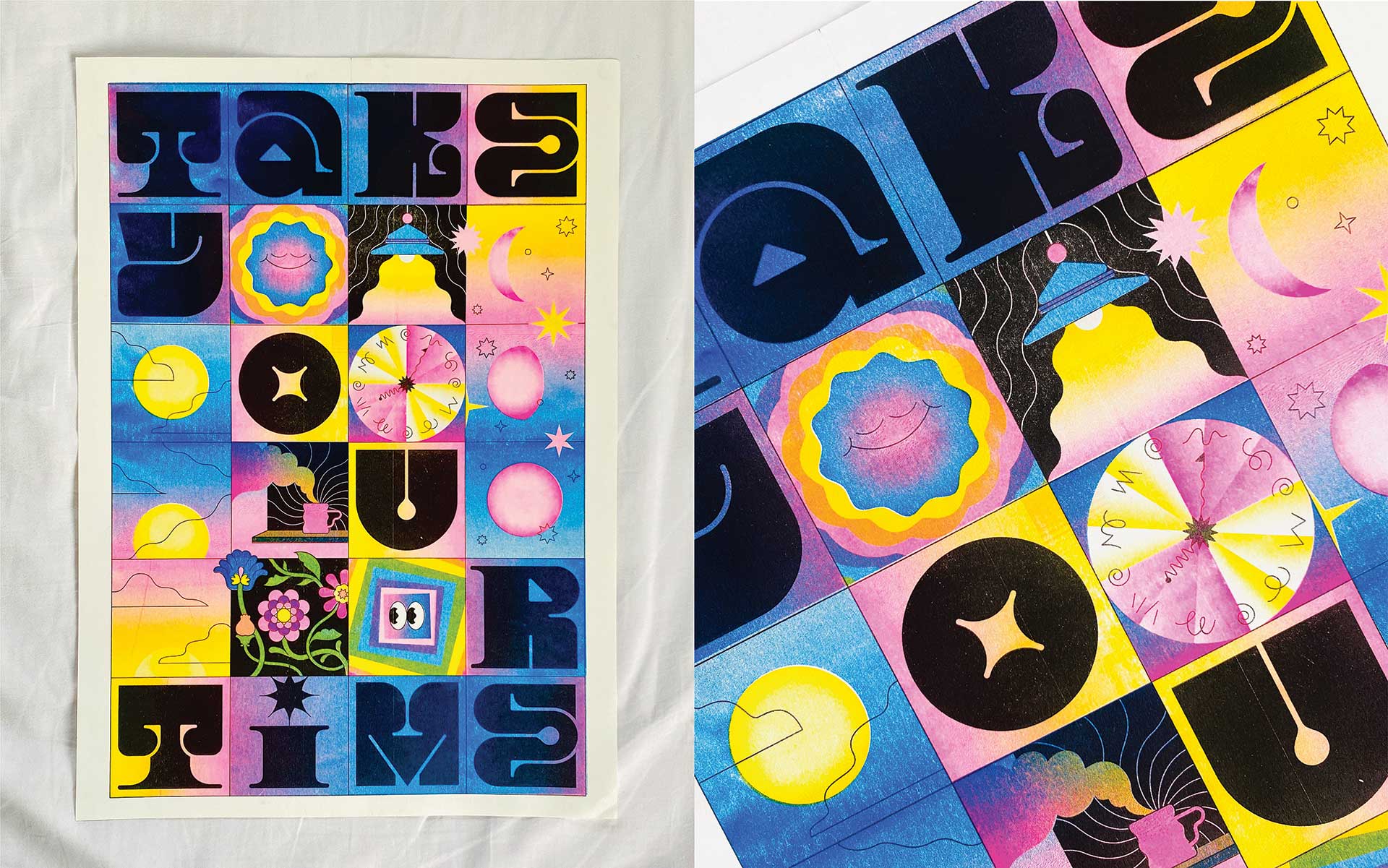
The simplest way to describe my approach: my creative compass is if it puts a smile on my face. I’m happy to have gotten comfortable enough in my craft that I don’t overly preoccupy myself too much on the technical aspects of what good design is anymore. That’s not to say that I disregard technical value, but more of I can now discern what good design is for me based on how it feels, rather than solely the level of technical skill in it. With the technical knowledge as muscle memory, I get to focus more of my energy on telling the story through the work. Having a clear grasp of the concept and the story is important for me. If I understand what I want to say, what I have to do, and why I’m doing it, everything else follows. These dictate the characteristics of the typography, color, and illustration. When I was starting out, creating visuals was a lot of guesswork to me. It was hard for me to know if I was on the right track, and I was often nervous with client feedback.
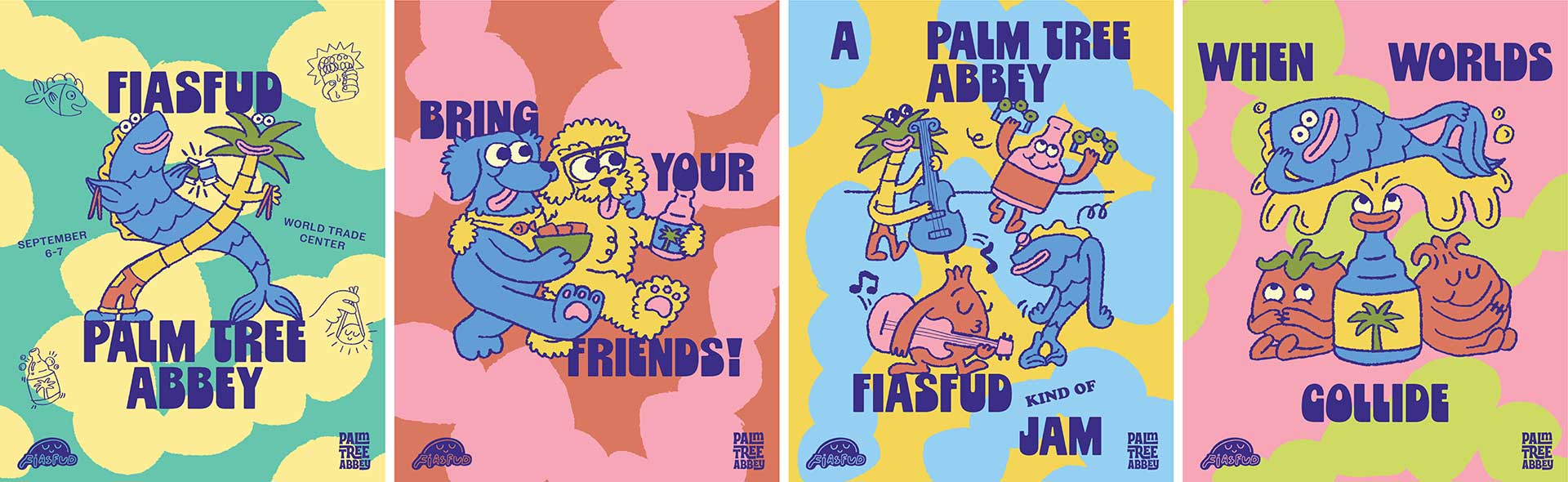
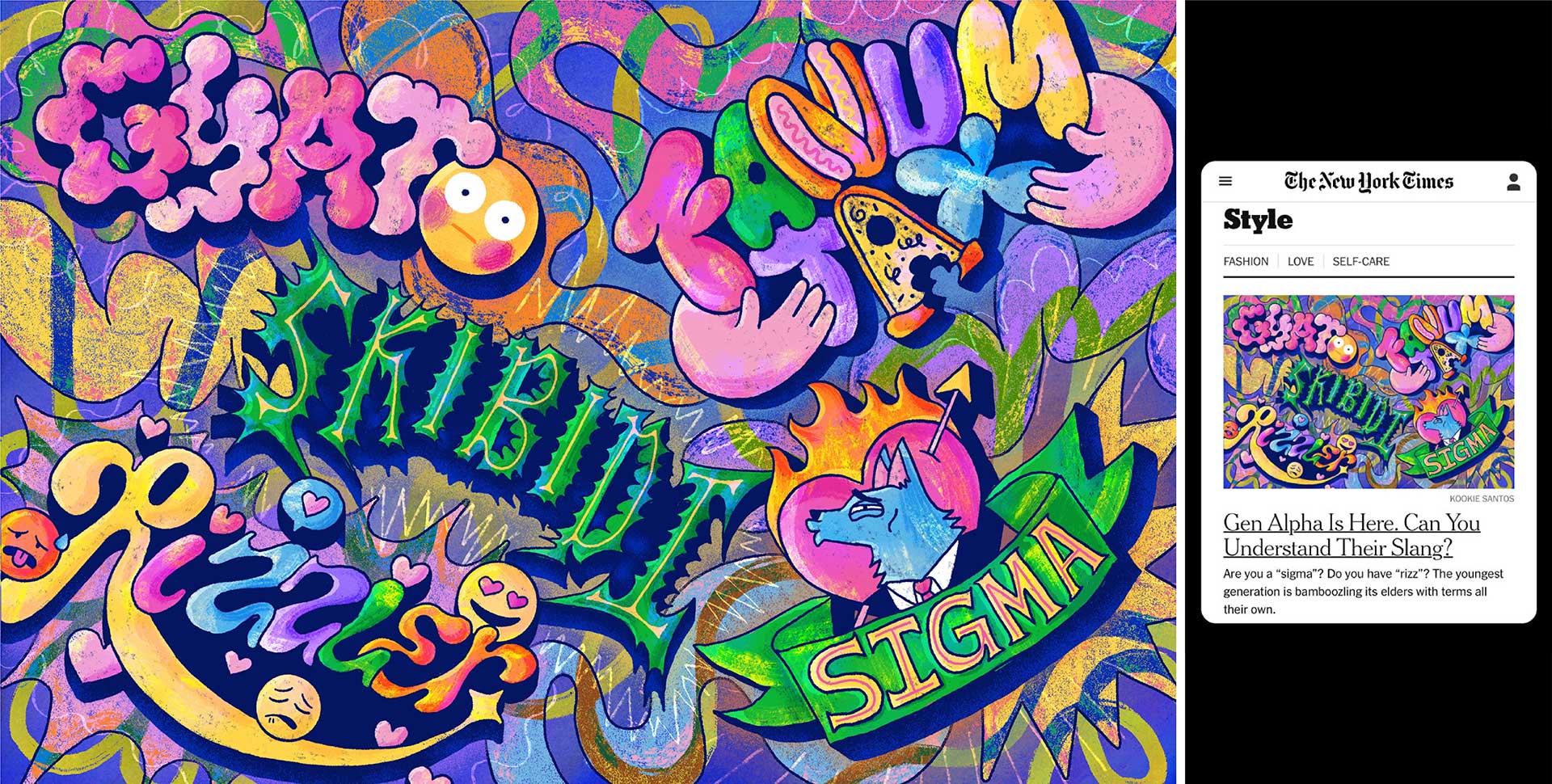
Oftentimes, there is a tendency to dive into the visual components immediately out of an eagerness to solve the problem. What helped me gain confidence is to first ask myself what I want to say, and express. I found that what worked with me is giving myself the time to reflect on the core idea, the intent, and objectives before the visuals. Taking the time to gain clarity and understanding makes the rest of the process flow more seamlessly for me. Then at a certain point, I just have to create, and let the concept evolve and transform as I go through the process. It’s a constant conversation between concept and visuals, and both influence and inform each other. Apart from my approach of designing with intention, I also believe in designing with emotion. While it’s important for me that my creative work makes sense, it’s equally important for me that it feels good. What feels good for me is something that looks approachable, vibrant, and energetic. These characteristics that inform my visual leanings express a sense of aliveness: rough around the edges, a little bit funky and goofy. I try to communicate that in my work by balancing thoughtful thoroughness with playful imperfection. For me those are the qualities that make me smile, and help bring my work to life. It’s important to bring honesty into the work to make it feel alive.
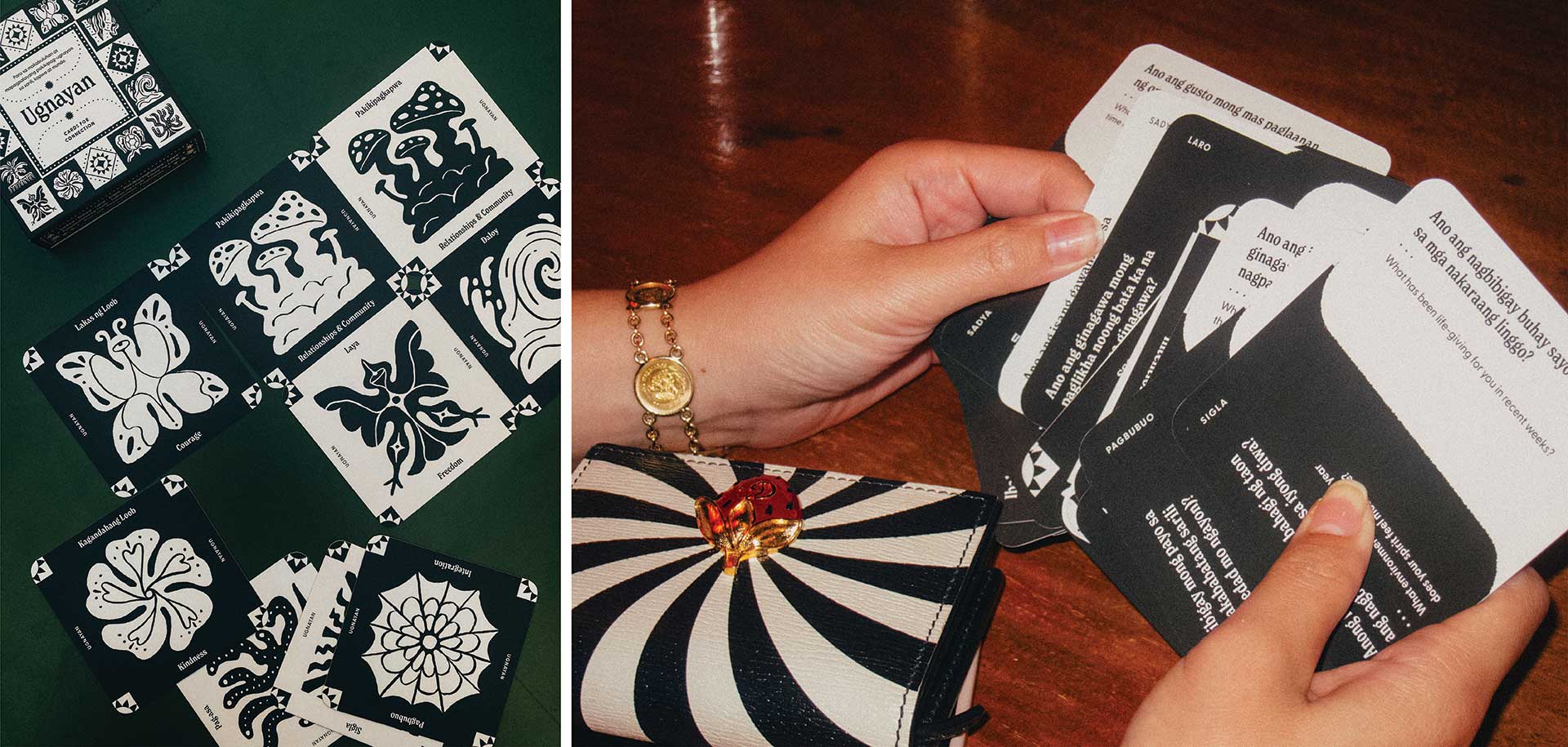
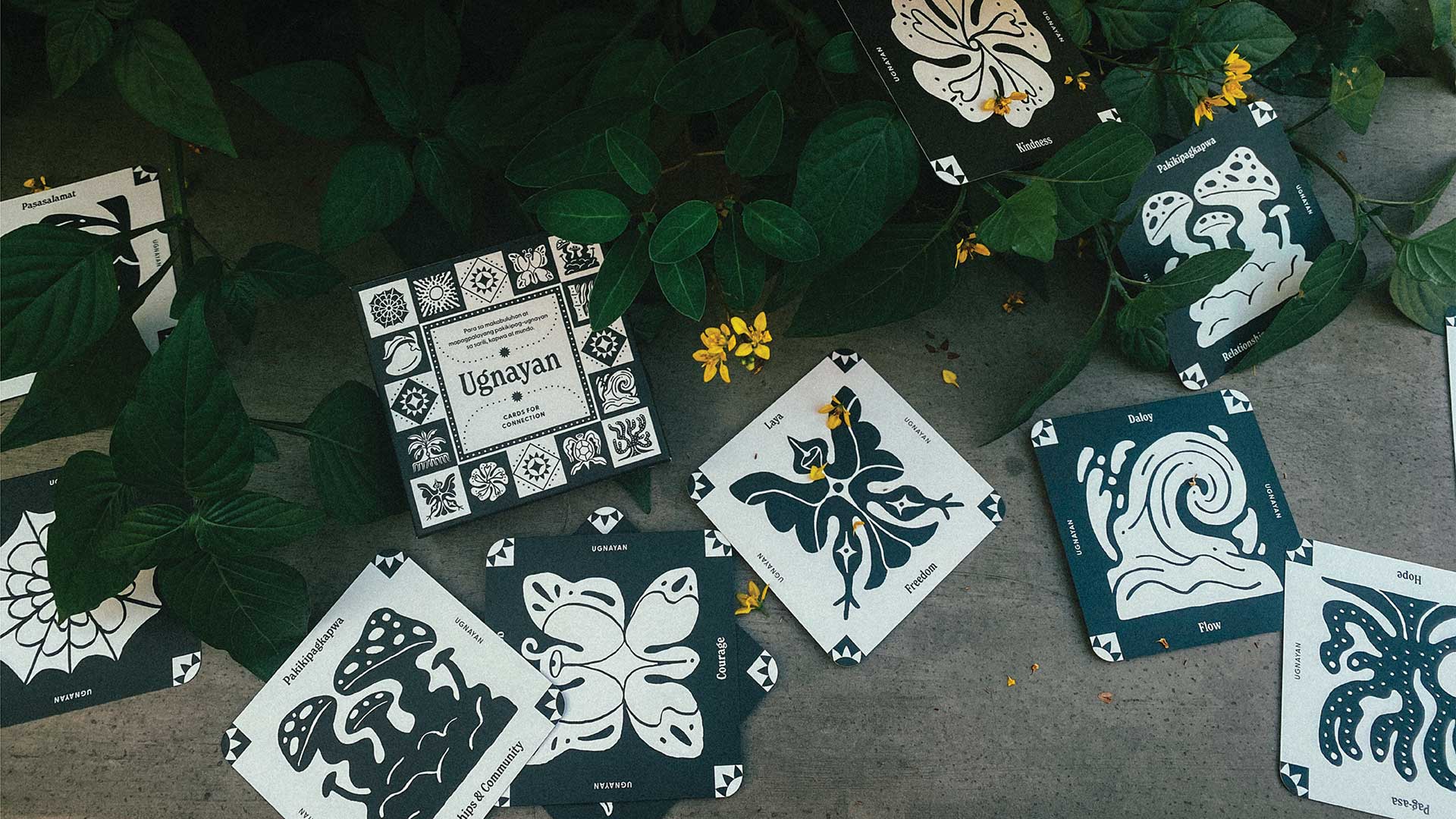
Could you share a memorable project or collaboration and explain how it expanded or influenced your perspective as a designer?
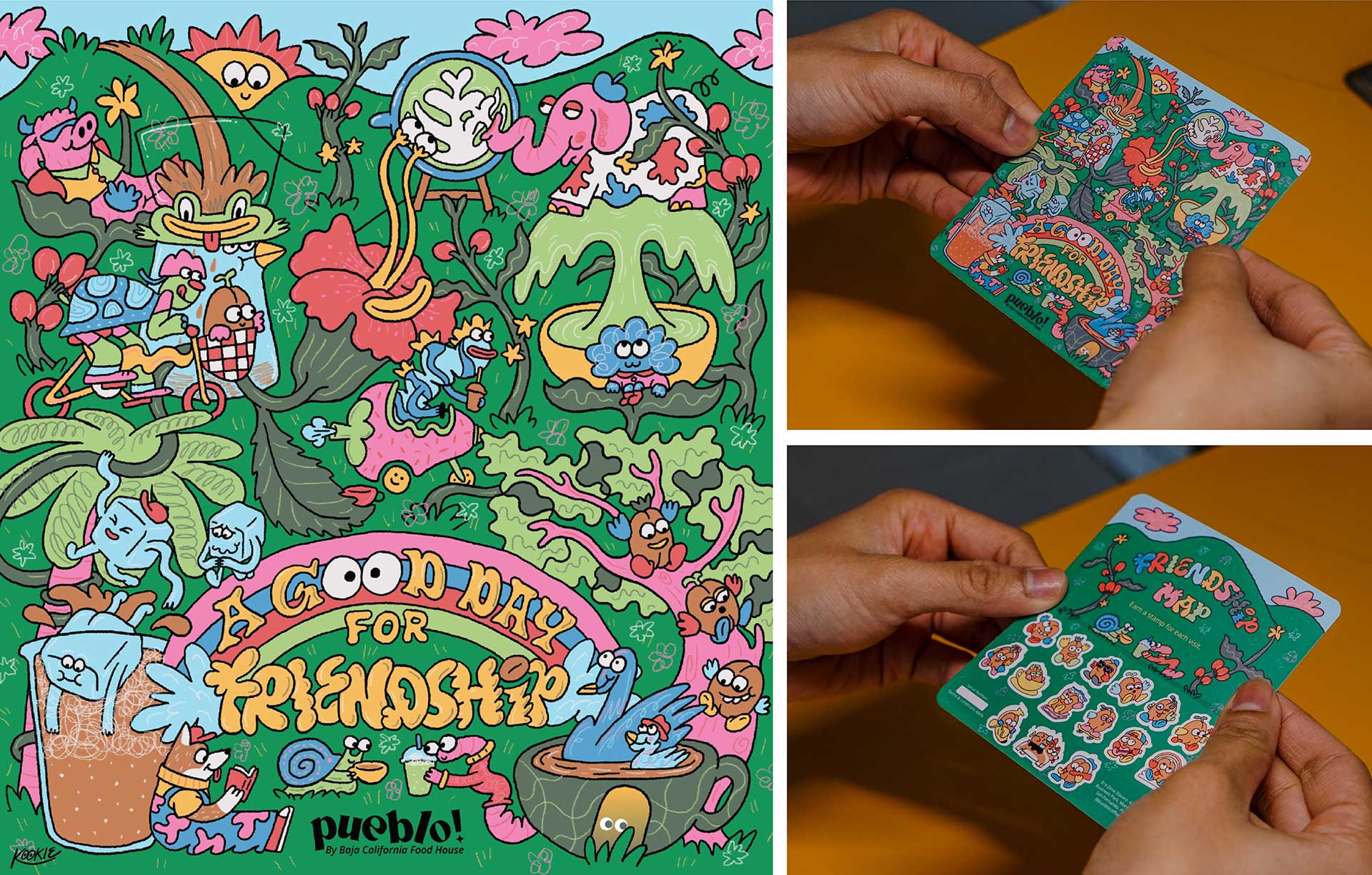
This project is memorable to me because of how its fosters my value for thoughtful craft and meaningful connections. Ugnayan (ugnayancards.com | @ugnayancards on Instagram), is something that I co-created with Jen Horn (@pagbubuo on Instagram). Ugnayan means connection in Tagalog or Filipino language. Ugnayan Cards for Connection were created as a companion in cultivating connection with ourselves, others and the world through more meaningful and liberating reflections and conversations. I am proud to share that Ugnayan cards is a Good Design Award Philippines 2024 winner for two categories: Image-Making and Object-Making. When Jen and I started out, what guided our process and output was reminding each other “fun fun lang” (just for fun). This allowed our creation and collaboration process to be open, iterative, and conversational. So much so, that by the time that we launched our flagship product, Ugnayan Cards, Jen and I have forged a deeper friendship in the process. It is wonderful that a project that was designed for connection actually deepened a connection.
For me, that was the first signal of success, even before launch or any external recognition. I enjoyed our scrappy and DIY process. Our collaborative workflow looked like feedback and ideas blended within casual conversations and friendly check-ins. Jen would hold intimate dinners in her house, and we would test out with our friends the questions that she created. I didn’t follow the formal workflow that I used with my clients. Instead, I went with the flow, and trusted where the process would take me. While Jen and I didn’t do or follow rigorous market development, user analysis, or design trends, we created from inside of us with the belief of what we stood for. Even when we introduce ourselves as co-creators, we identified as what felt true to ourselves. Jen describes herself as a tagapagpadaloy (daloy means flow; she is a facilitator who encourages the natural flow towards connection and clarity), and I describe myself as a kalaro (laro means play; I am a playmate who designs towards joy). This project reminded me that the joy and devotion poured throughout the process shines through in the final product. Beyond being a product, Ugnayan is our platform for creativity, experimentation, and connection. Nurturing this brand constantly reminds me that our integrity to our values matters the most to us and Ugnayan’s wellbeing. Our dynamic as co-creators is rooted deeply from a foundation of mutual respect, and our shared values. We rely on, and trust each other’s skills, experiences, and personal aspirations. As a designer, Ugnayan has expanded my understanding of, and concern for Filipino culture, community-building, and social issues. Being in collaboration with Jen has allowed me to expand my creative circles beyond the visual, and into the many other forms of expression and creativity. When different forms of creativity come together, the process and the output transform, and diversify with more multifaceted and interdisciplinary possibilities. As we are brought outside of our familiar circles and comfort zones, we gain a more holistic understanding of ourselves, and the world that we live in. I want to be able to live the fullness of my life with creativity as my teacher.
From your viewpoint, how would you describe the current landscape of graphic design in the Philippines? What stands out to you in the work of younger Filipino designers?
I believe that Filipino graphic design is going towards a promising trajectory. I feel very privileged to be at a time where I can observe its evolution, and also to be able to take part in shaping it. When I graduated from university in 2013, there didn’t seem to be many visible options for graphic designers in the Philippines. I remember only considering either advertising, or being in a corporation, not even as a graphic designer but as someone who can potentially apply design skills to at least make beautiful slide presentations. To me, it felt like it was either those two options, or to create opportunities for graphic design to make itself more viable, visible and present. I was lucky enough to be able to do the latter option at Serious Studio. Being part of the graphic design circle at the time allowed me to peek into the gradual evolution of our craft. Comparing that to where we currently are at 2026, the landscape of Filipino graphic design has evolved much further, and is one to watch. We have a growing talented pool of graphic designers with different specialties from branding, to illustration, to lettering and type, printmaking, and more. With the exciting and inspiring body of work that comes out, more local and global brands are partnering up with graphic designers for collaborative product partnerships, product lifestyle promotion, and more.
Through local and global recognition of Filipino talent, we are able to advocate more for our value through fair pay, and healthy work practices. This encourages more Filipinos to see graphic design or the creative field as a viable career opportunity. With more and more Filipino creatives, there has be an increase of interest in creative community events for, and by Filipino creatives. There would even be times where we would have to either choose what event to go to, or to split our time between events. Those are just some of the few observations that I’ve noticed with the evolution from 2013 to now. What sticks out to me is that impact and interest ripples out by supporting Filipino talent. Rather than falling into the trap of competition and scarcity within the industry, we must instead rely on expanding visibility and connections, sharing resources, and uplifting the success of our fellow creatives. It goes to show that in order to holistically scale the impact and visibility of Philippine design and creativity, a culture of shared wellbeing and supportive community must be encouraged as the standard of the industry. Filipino graphic design is so exciting to me because there’s an expressiveness, richness and warmth in the work that I can’t exactly put a finger on. It’s not so much a distinct visual style, as much as a shared cultural experience that comes out of the work.
To the rest of the world, Filipinos are commonly known as warm, joyful, and festive people. Usually these are linked to why the Philippines has a typically loud, vibrant, and maximalist visual footprint. While that’s not necessarily untrue, I think that Filipino graphic design is also informed by lack/necessity, depth, and struggle – a shared experience of many Filipinos one way or the other. It is important to acknowledge that we are weighed down by our version of post-colonization wounds, political and capitalist greed, and lack of support and resources. We are not as vocal compared to other cultures, and I think that’s why the expressiveness and the feelings are manifested into art instead. For me, what stands out in the work of Filipino graphic designers is the willingness to hold space for both the joy and struggle of being a Filipino. Within that space there is humor, warmth, resourcefulness, courage, frustration, anger, and more. The beauty lies in being able to metabolize our range of emotions and unique Filipino experiences into work that makes a statement. Whereas there are design cultures that are celebrated for simplicity and coherence, I think that Filipino work inevitably expresses contrast and complexity. That we continue to create is a refusal to give in to the struggle, and a hope that we can proudly show up as who we are. What work comes out if we allowed ourselves to feel our full spectrum of emotions as Filipinos? Apart from the work itself that stands out from Filipino graphic designers, it is also our value for community and collective wellbeing that should be celebrated. While so much has already improved within our industry, it is still challenging to be a Filipino creative. It is probably because of this shared struggle that this community sticks together, supports each other, and helps each other out. This is what I’m proudest of: that I get to be part of a community that aspires for a better life not just for themselves, but for others. My fellow friend and designer, Kar Abola (@karabola__ on Instagram), just finished her MA in Psychology with a thesis on Designing for Ginhawa (Filipinos’ indigenous concept of well-being), taking a lot from Filipino psychology in her design practice. Well-being tends to be understood as collective in our culture, and so is also often a collective pursuit. By articulating these concepts to be more visible, we continue to be able to find meaning as to why and how our Filipino identity shapes our creative voice.
Many young Filipino creatives are active in independent studios and collaborative communities. Are there any groups or activities you are involved in or find inspiring that you could introduce to us?
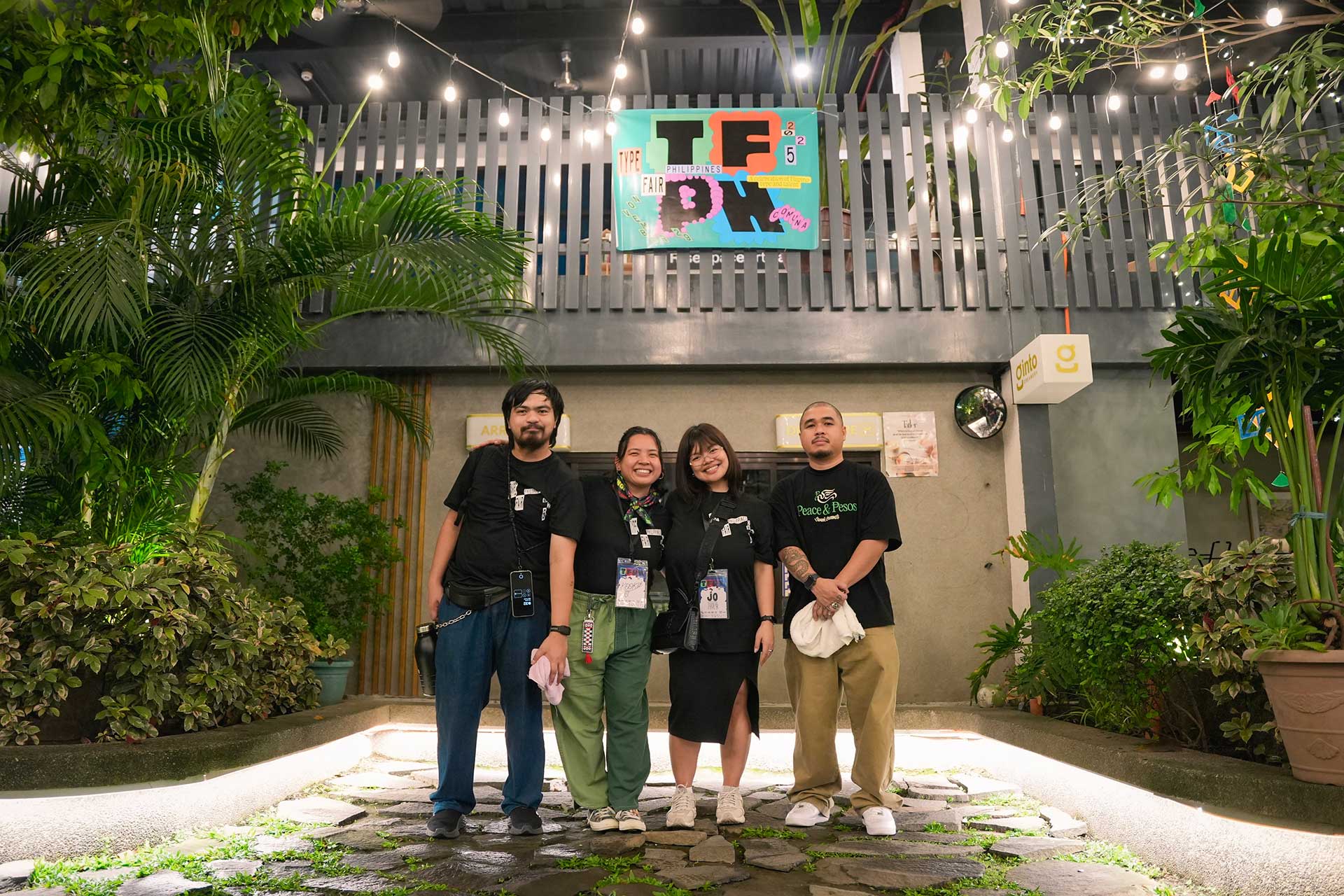
Currently, I am proud to be part of two groups that allow us to expand our ripples of visibility and impact beyond what a single individual can do. Being able to find a sense of belonging in people with shared values brings a gift of hope to move the needle towards bigger and brighter possibilities for more people. Groups, collectives, or communities that align with us are reminders that we are not alone in our pursuit for imaginative action. Guided by what we value, it allows us to dream, to try, and to take action in our own terms, rather than relying on status quo and external expectations. Type Fair Philippines (@typefairph on Instagram) is a gathering, and celebration of Filipino type and talent. This is an independently organized local community event that I am a part of together with fellow designers and type enthusiasts, Aaron Amar (creator of well-known Filipino fonts such as Cubao Free and Quiapo), Jeth Torres (check out his merch at Swash Originals, and his community space Manila Middle Ground), and Jo Malinis (founder of Type63, a platform for Filipino type design and typography).
Our goal is to create a space where like-minded individuals can connect, share ideas, and celebrate the local type community together. Through Type Fair, we get to experiment on a creative gathering format that is interactive, experiential, and community-centric. It is important to us that our participants are highly engaged, and that they play an active part in enriching the community. Our recent Type Fair event last November 2025 featured a type walk, Filipino type archive exhibit, a curated type library, inspiring talks, hands-on workshops, a community type trade, film screening, and a curated merchandise market. This extensive range of events packed in a day allows our participants to find something meaningful and engaging for themselves. Now at three years going four, we’re happy to see how Type Fair Philippines has been growing larger than ourselves. Behind the success of this event is the overwhelming support of our community. We have a tight-knit circle of regular participants, volunteers, creative partners, and supporters of all kinds that have generously shown up for us to shape the form that it is in today. It is through this shared effort that we can further promote Filipino talent, type education, and the interest in type design, history, lettering, calligraphy, and more.
We want to keep widening the insights, conversations, and perspectives on type through Type Fair. Because of that, our commitment is to keep Type Fair Philippines as accessible as possible. We know how educational resources and opportunities are harder to attain here, so we try to keep our ticket prices affordable. With this dedication, we continuously seek support from creative local and global partners who help subsidize and empower Type Fair to offer the best possible value. We are working towards the diversity of more regional and socio-economic representation in Philippines, as well as perspectives from other parts of Asia, to empower these gatherings with a more holistic and inclusive understanding of Filipino identity through type. Through Type Fair, we aspire to amplify the voice and impact of Filipino type in both the local and global scene. With pride and confidence, we declare what Filipino type and talent has to offer, and we’re here to stay. On a national level, we have the opportunity to shape the Philippine design industry through Communication Design Association of the Philippines (CDAP), where I am currently the Vice President of Public Relations. Since 2017, CDAP has worked to support and organize the design community. As we move forward, we focus on education, emerging technologies, and the empowerment of Filipino communication designers through programs grounded in public interest, and shared practice. At its heart is a simple belief: good design should be for everyone. When design is accessible, ethical, and woven into everyday life, it contributes to dignity, inclusion, and a better quality of live for all. Compared to other design organizations around the world, CDAP is fairly young. For me, this is both intimidating and exciting. It is intimidating because of the opportunity to create impact and influence on a national scale. But at the same time, it is exciting because of how malleable we can still shape this organization to be. This is especially promising together with my fellow board members, who I admire for their various contributions to the industry.
I believe that we are slowly building strong foundations that will help us listen to, align and amplify the collective needs and aspirations of our local design industry. Having a representational presence that advocates for designers helps set the standards on demanding for fair pay, insisting on healthy work practices, uplifting designers' wellbeing, and respecting the craft. The hope is that our fellow members and representatives continue molding and widening this safe space of belonging for designers as a shared responsibility towards a more dignified life for us Filipinos. I’d also like to mention a few more groups or activities that I admire. Manila Illustration Fair is a platform for our local illustration community, led and organized collectively by Filipino illustrators. Type63 is a platform to showcase and celebrate design and typography by Filipinos. Novice Magazine is a platform for passionate, curious, and free-spirited creatives – by creatives. Purveyr Fair is an annual gathering on creativity & culture, spotlighting Filipino creatives and businesses. Common Room and Manila Middle Ground are shared spaces for local artists and makers. Comuna and Karrivin are creative community hubs that house creative shops and concepts together. Cebu Art Book Fair in Cebu, Oro Design Conference in Cagayan de Oro, and Flower Market in Pampanga are some of the creative community gatherings outside Manila that promote Filipino creativity. There is so much more than what I’ve shared here! This goes to show how interesting and exciting our current creative industry is shaping up to be.
In the broader context of Asian design, what role do you think Philippine design can play? And how do you personally interpret the idea of an “Asian design identity”?
I appreciate the warmth of Filipinos. Even from people from other countries, what commonly stands out is how hospitable, approachable a lot of Filipinos are. I’d like to believe that it comes out in the work, and in the community too. When it comes to the work, there is a compassionate approach to the visuals. What is attractive in Filipino design is not so much about the strict adherence to rules and guidelines, but about the urge to express emotions. The visual richness, quirks, and imperfections make Filiipino work relatable and captivating. When design isn’t held back by external standards and narratives, the beauty of our voice and identity shines. When it comes to community, it is admirable to me that we have several tight knit and connected circles that are happy to support each other out. It is important to have a community that can rely and lean on each other. It can be lonely and tiring to advocate for FIlipino design if we kept to ourselves. It’s fascinating that even when us Filipinos are in other countries, we tend to recognize and gravitate towards each other. We try to find a sense of belonging in the presence of other Filipinos, and we feel more equipped to take on challenges or celebrate wins as it comes. Philippine design can be a role model and representation of joyful creation and connection.
When we are rooted to our intuition and honest with our personal experiences, the process and output becomes a celebration of our complexities. We know how to channel joy and groundedness into our work, but we also know how metabolize our pains and struggles into narratives of hope. At the core of it all, I think that design should have care at its roots and foundations. My hope is that Philippine design can continue towards growing this momentum, because it is necessary, and even urgent to do so. Along with that, it would be interesting learn from, and share to our fellow Asian countries too. My perception of Asian design is that it is currently going through an exciting period of growth and recognition. Some of the things that I love about Philippine design, I also witness and observe in Asian design. There really is a distinct richness to every Asian country’s craft. The nuances and differences on how this energy permeates, both locally and in the global scene is something to watch out for. I wonder if it’s because of our constant tension between tradition and progression. Different Asian histories hold craftsmanship as an essential part of culture and tradition, and it is so interlaced with our ways of living. This spirit of craftsmanship and tradition lives on within Asian cultures, and it inevitably influences the craft of graphic design, whether intentionally or not.
Our cultural memory guides our creative journey. We hold both our tradition and history of craftsmanship, and our imaginative aspiration of forging new paths. The space in between those two is where intentional innovation charges forward. There is so much to learn from each other. Within each Asian country lies a creative power that is deep, rooted, and resonant. We are courageous to reach out from the depths of our emotions and our culture, and determined to go beyond what is expected of us. Culturally raised to value the collective rather than the individual, we are taught that everything is connected. Therefore care must be at the center of our intentions and actions. I think that is where our creative power comes from. It starts with a culture of care, and everything else follows.
What new directions or creative territories are you hoping to explore in the future? Lastly, is there a message you would like to share with young designers in the Philippines and across Asia?
For me, pursuing my creative practice is a commitment to treat design as a multidimensional and holistic pursuit. Creativity is an approach towards my life, beyond a career choice. With that said, this year’s explorations will be focused on taking care of my body more. I realized this past year that if I want to be able to sustain my creative life for as long as I can, I will have to devote time caring for my body. Admittedly, there have been many times where I’ve sacrificed the wellbeing of my body for the pursuit of creativity. It’s time to shift my perspective: a healthy body reflects a healthy creative practice. It’s fun to think about the idea of nourishing my body as a creative project, because it is! It’s a teacher on meeting myself where I am, showing up, and trusting the process. I am also hoping to explore more design approaches beyond the screen, and into more tactile and multi-sensory experiences.
I learned about myself that the more I expand and try out different creative mediums, the more that it goes back to my design process and practice. I’m currently learning the drums, and it’s been widening my perception of creativity through the lens of music. Because of this, I’ve been curious about opportunities to make visuals and sound interact with each other. What does rhythm look like, and how does it move visually? I’ve also been wanting to learn how to sew, and how to cook. While all these creative curiosities seem disparate from each other, I think that all of them are bound by my urge to create meaningful connections as I get into the craft. Being able to meet, interact and learn from a wider range of people expands my perspective on creativity. Ultimately, I’m certain that any creative territory that I choose to explore will open up unforeseeable possibilities that I’m open to entertaining. I am highly inspired by the words, “As I create and listen, I will be led” from The Artist’s Way by Julia Cameron. Ever since seeing this phrase, I’ve been satisfying my curiosities by trying, and seeing what sticks. I am also eager to explore creative education and connection opportunities. I want to be able to experiment on highly engaging, interactive and hands-on learning formats where participants get to involve themselves into both the teaching and learning process. It would focus on strengthening creative voice, fostering meaningful connections, and finding joy in craft and its exploration. Curious about creative cultures and landscapes, I want to have more opportunities to connect with other Asian creatives and designers. As I talked about my perception of Asian design, it has got me thinking about what a cross-pollination of ideas, hopes, and dreams might look like. It would be wonderful to take notes, and to learn from each other’s strengths, frustrations, current gaps, and aspirations. In the process of listening to each other, we can further strengthen, clarify and reaffirm our identity, while also shaping the impact of Asian design as a whole. Lastly, my message for young designers in the Philippines and across Asia is to try, try, try.
I think that we have a tendency to stop ourselves from doing or trying certain things in the anticipation that we might not be good enough, or that we’re not ready for it, or that we need this or that before we start. We don’t need to take big leaps immediately either. Know that if there’s something that needs to be tried, small and gentle steps can be taken too. I know that it can be scary to create, and to put ourselves out there. But I would say that the enlightening parts of our craft are within the messy, chaotic, and imperfect process of figuring it out. There’s so much to be learned within that space of uncertainty. Creativity teaches us to show up, and to see what emerges. The only way to know what emerges and comes out of it is if we try.












#14057, 905 49, Beolmal-ro 102beon-gil,
Dongan-gu, Anyang-si, Gyeonggi-do, Korea
Business Registration Number: 454-86-01044
Online Sales License No.: 2021-Anyang Dongan-1081
Copyright © DESIGNSORI Co., Ltd.