
Have you ever heard of the “Anabada” movement? It is a campaign derived from Korean words meaning “save, share, exchange, and reuse.” It was initiated by the government in 1998 to overcome the IMF financial crisis. In many ways, it can be seen as an early version of today’s sustainability movement. Beyond simply encouraging people to use things sparingly, it aimed to establish a sustainable lifestyle that aligns closely with current social trends.
In recent years, consumption habits have been redefined through concepts such as zero waste, slow fashion, low spend lifestyles, and pre cycling. People are now considering the disposal stage even before purchasing a product, and repair culture, which extends the life of products through maintenance, is gaining attention. We already know that all these phenomena share a common background. Environmental pollution caused by human complacency is not a recent issue; it has already reached a critical stage over time.
Fortunately, global brands are now actively participating in building a sustainable future. Their efforts span across product production, structural design, packaging, logistics, and even ordering systems. Recently, the concept has also been reframed through the principles of Reduce, Reuse, Recycle, and Upcycle, which are no longer optional but essential. While legal regulations and systems play a significant role, corporate initiatives are steadily taking root. What is particularly interesting is that these efforts are being applied in ways we often fail to notice. For example, dark mode UX, commonly used in our daily lives, not only reduces eye strain but also lowers display energy consumption. Subscription based services contribute to the sharing economy, modular products allow only broken parts to be replaced, and increasingly simple, compact packaging reduces transportation costs.
A Shift in Paradigm
The paradigm of design, as presented across various media, is evolving from “Cradle to Grave” to “Cradle to Cradle.” Rather than ending a product’s life at disposal, the focus is now on designing a circular system where products are reborn into new forms. This approach goes beyond simple recycling, as it is a strategic rethinking of the entire lifecycle. However, designing products that do not end as waste but are reborn is far from simple. It requires collaboration among designers, engineers, marketers, and sales professionals across multiple disciplines. In reality, achieving a fully circular system is nearly impossible. Yet, it is encouraging to see many companies embracing this challenge, and even more encouraging to see these efforts gradually taking shape.
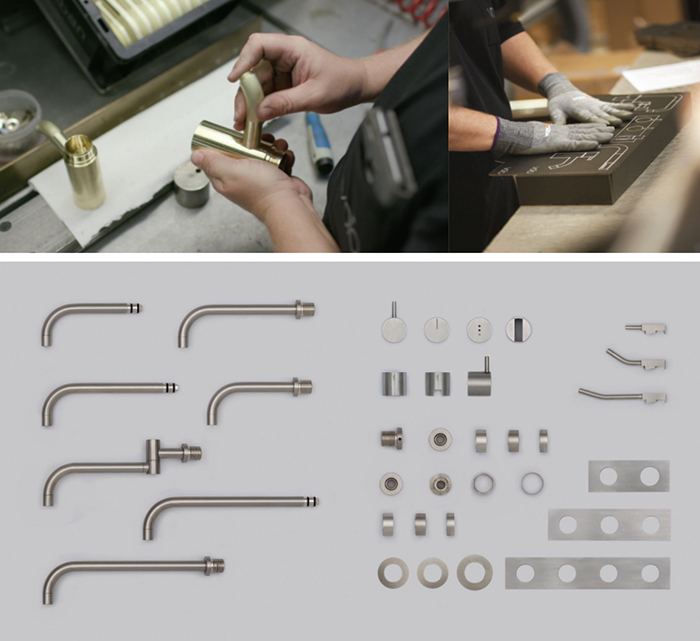
< Image source: VOLA > All products by the Danish faucet brand VOLA are modular.
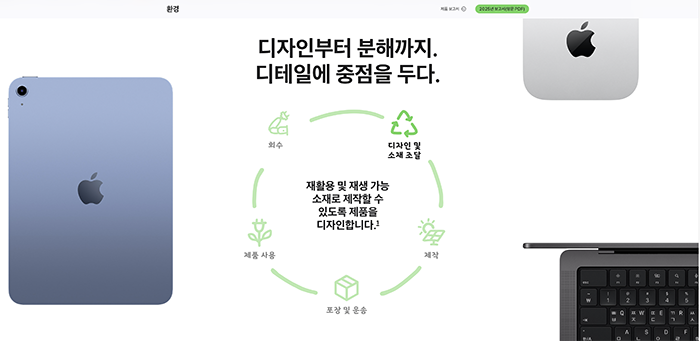
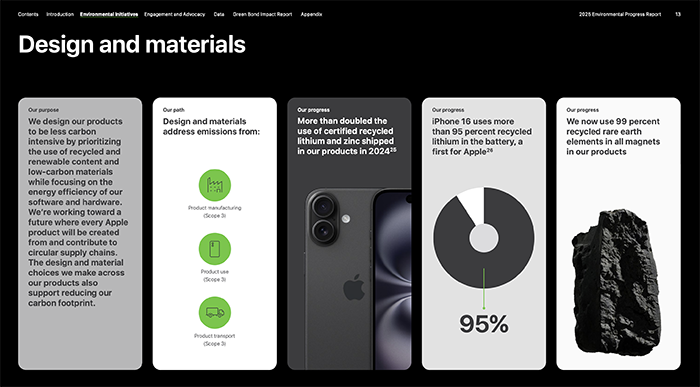
< Image source: Apple > Apple provides detailed explanations of its use of sustainable materials and design.
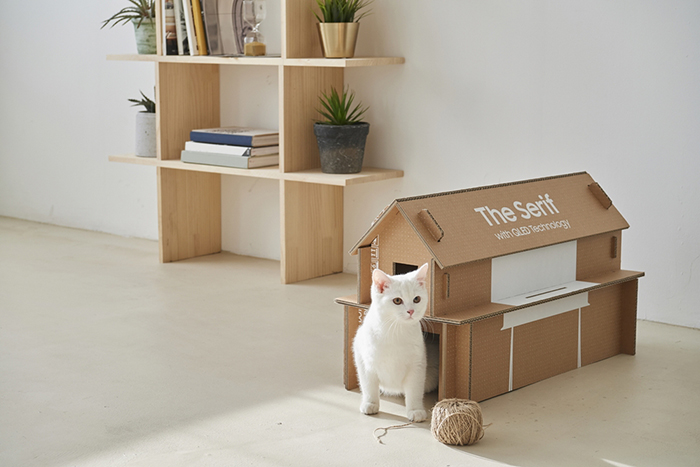
< Image source: Samsung Electronics > The TV packaging box can be reused and repurposed for other uses.
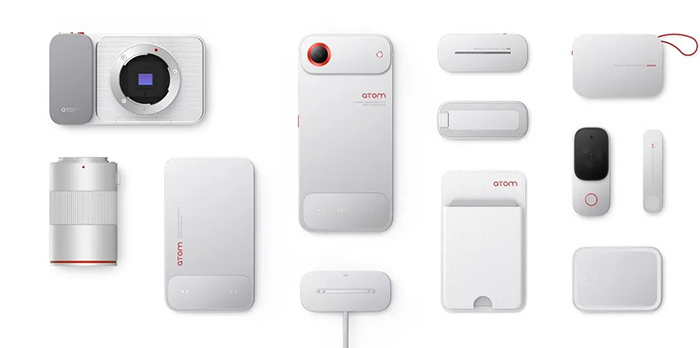
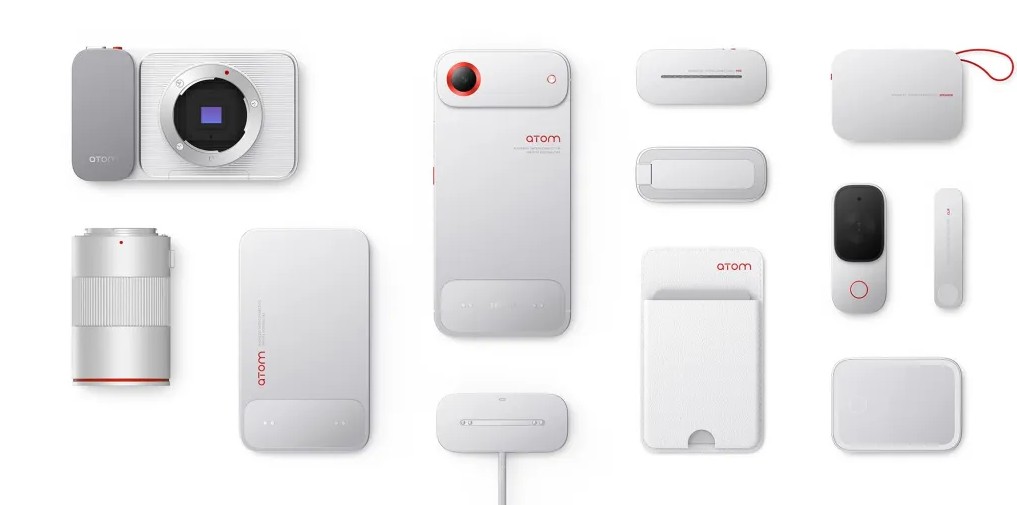
< Image source: TECNO > A smart concept proposing a fully modular system for phones, cameras, batteries, and all components
Designers Who Save the Planet
The role of designers in creating a sustainable environment is becoming increasingly important. This is because design is, in essence, a comprehensive discipline. To lead it effectively, aesthetics alone are not enough, as it must be carefully planned from the earliest stages of the sketch. From modular designs that minimize the use of adhesives, to clip based assembly instead of bolts and nuts; from embossed logos instead of printed ones, to lightweight and compact packaging that reduces transportation and fuel costs; from simple, minimal display graphics that consume less power, to upcycling designs that give discarded packaging new life, these are all part of the designer’s expanding responsibility.
Today, designers are required to move beyond what is visible and engage deeply with what lies beneath. Saving a planet that is slowly deteriorating, perhaps designers already hold part of the answer.














#14057, 905 49, Beolmal-ro 102beon-gil,
Dongan-gu, Anyang-si, Gyeonggi-do, Korea
Business Registration Number: 454-86-01044
Online Sales License No.: 2021-Anyang Dongan-1081
Copyright © DESIGNSORI Co., Ltd.