I have long held a positive impression of Japan. The sense of delicacy, restraint, and “consideration” I encountered through its animation and culture led me to perceive Japan as a well ordered society. However, during this recent trip to Osaka, rather than confirming that image, I chose to re examine public design from the perspective of a visitor. The first thing I noticed, even before the airport and throughout the city, was the density of people. Despite the crowded spaces, people rarely collided with one another. This phenomenon felt less like a matter of culture and more like the result of a carefully designed environment. Having prior awareness made my observations throughout the trip even sharper. Movement paths, information placement, and spatial density were all subtly orchestrating the flow of people. Osaka may appear complex on the surface, but my first impression was that it is a city operating on a highly refined and deliberate system of flow.
It was particularly striking that I never felt lost, even in an environment centered around the Japanese language. While signage included Korean, English, and Chinese, what mattered more was the system that functioned beyond language itself. One commonly mentioned tip in YouTube videos and blogs about traveling in Osaka is, “just follow the color,” or “follow the red line.” The route system, organized by colors and numbers, along with signage that intuitively guides direction, creates a city that can be understood without reading. This experience aligns closely with the core concept of public design known as “affordance.” Affordance refers to the quality of an environment that suggests how it should be used without explicit explanation. Public design in Osaka does not require interpretation, it encourages movement. Follow the color, and you transfer lines; follow the flow, and you reach the exit. Action comes before understanding.
Osaka is a city that accommodates visitors through multilingual guidance and barrier free design, but its true strength lies not in the amount of information, but in how that information operates. A flow designed to keep users moving without stopping, and a design so seamless that it goes unnoticed because it causes no discomfort, this is the essence of effective public design. In some ways, Osaka’s underground malls and alleyways evoke memories of Korea’s past. They may be old and narrow, yet they continue to function effectively. This reflects not the condition of the facilities, but the difference in maintenance and operation. Public design is not completed through novelty, but through a structure that continues to function over time.
One of the most impressive aspects was the culture around smoking. It is rarely seen on the streets, yet within designated areas, smoking occurs naturally. This is not merely a matter of civic awareness, but the result of policy and design working together. Osaka restricts street smoking while clearly providing designated smoking zones. It separates prohibition and permission through spatial design. At this point, public design becomes a method of executing policy. Rather than simply informing people of rules, it guides them to follow those rules naturally. Much like the concept of nudging, it changes behavior without force. Smokers avoid restricted areas and move toward designated spaces. Public design not only guides behavior but also accommodates behaviors shaped by culture in a natural and integrated way.
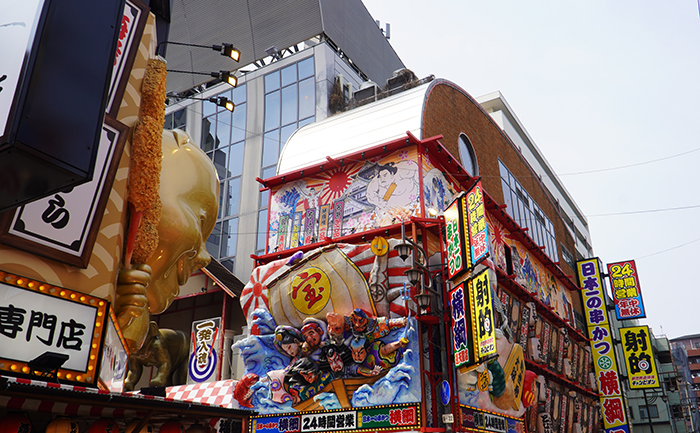
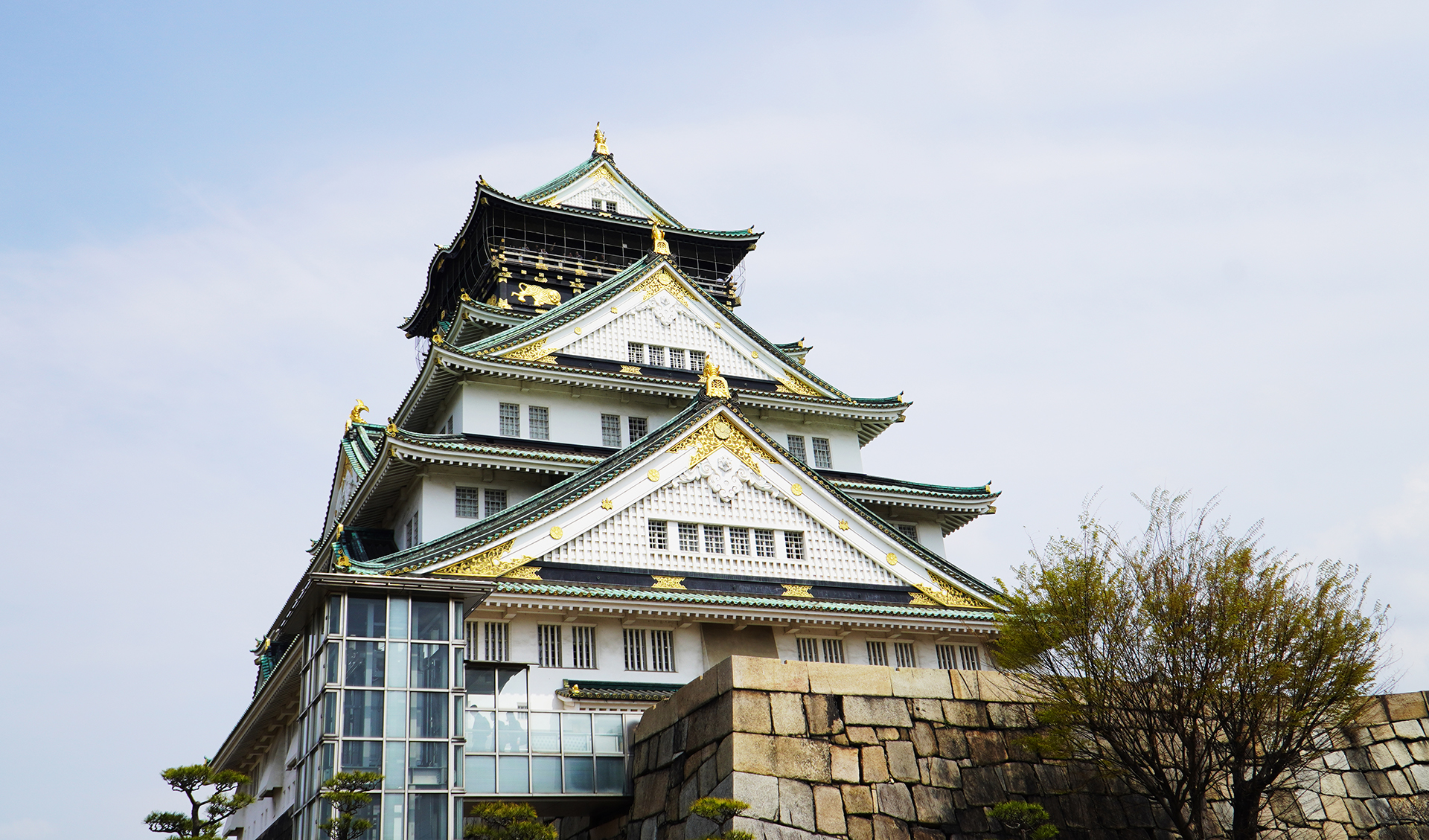
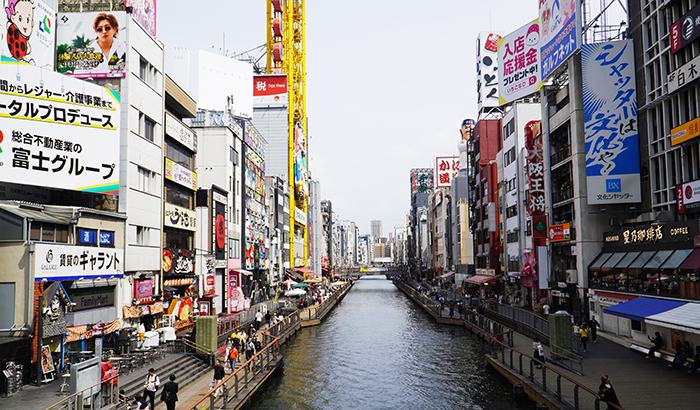
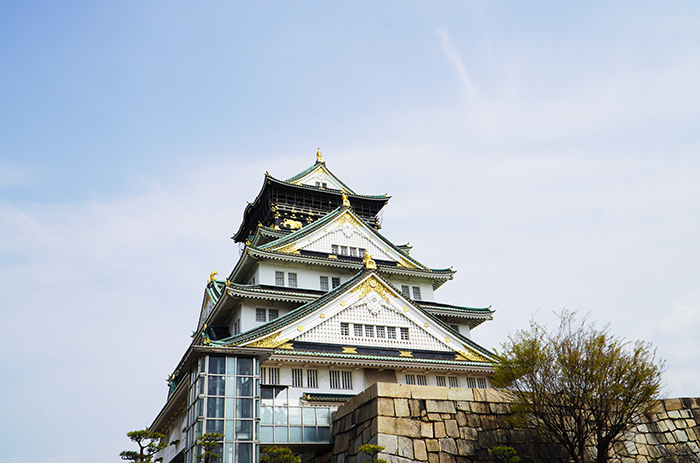
Another defining characteristic of Osaka reveals itself through its buildings and signage. In commercial districts like Dotonbori, signage is almost excessively free and expressive. In contrast, traditional areas such as around Osaka Castle maintain a restrained and orderly visual system. This coexistence of freedom and control within the same city illustrates the full spectrum of public design. Different standards are applied depending on the nature of the space, functioning not as rigid regulation but as an “agreed boundary.”
At this point, public design can be understood not merely as design, but as the outcome of governance. Policy, citizen behavior, and spatial context intersect to form a shared standard. Rather than applying a uniform rule to every space, the key lies in setting appropriate boundaries according to the purpose and character of each environment. This boundary is not simply regulation, it is the result of human tendencies, spatial qualities, and culture combined. The Osaka I experienced had its own distinct line, one that felt abundant yet never excessive.
The problem is that we often attempt to apply a single standard across all spaces without considering this “line.” The most significant realization from this trip was that public design ultimately operates on people, and on the shared boundaries they collectively accept. No matter how sophisticated the system or policy may be, if citizens do not naturally embrace and follow it, design cannot function. The gentle tone of Osaka’s people, their unburdened attitude toward tourists, and the respectful distance maintained in public spaces are all the result of a long accumulated social consensus.
From this perspective, public design is not merely about facilities or visual elements, it is a structure that guides behavior and coordinates relationships. As Jan Gehl emphasized with the idea of a “people centered city,” the quality of a city is ultimately defined by how people act and interact within it. Osaka does not impose rules aggressively, instead, it creates an environment where people naturally choose to follow them. This leads to a clear direction for us to consider. The goal is not to build more infrastructure, but to ask what kind of “line” should be established, and how it can function naturally. Spatial strategies that guide behavior, such as designated smoking areas, intuitive wayfinding systems, and standards tailored to the context of each space, can serve as starting points.
Osaka is not a perfect city. But it is not designed to be visually impressive, it is designed to function well. At its core are always people, and the invisible “line” they collectively share. Public design only works properly when that line is understood and respected.