
Last April, Milan, Italy emerged as one of the central keywords across countless design media outlets. The reason was clear: Milan Design Week, one of the most influential events in the global design industry, had returned once again. For design professionals, it has long been regarded as an essential destination that must be experienced at least once. What is particularly noteworthy in recent years is how global brands such as Google, Samsung, Audi, Prada, Louis Vuitton, and Muji have begun participating far more aggressively, transforming the event into a battleground of brand experience.
These brands are no longer simply introducing products. Instead, they allow audiences to experience their design philosophy and vision through carefully curated spaces and immersive environments. The approach is rarely direct. If anything, it is often metaphorical and even poetic. And alongside this shift, the way experiences themselves are shared is also evolving.
Experiencing Experience
The act of buying and selling products is one of the most fundamental and essential behaviors in human history. Today, we visit stores, browse displayed products, and make purchases, or simply click a few buttons on an online shopping platform and receive products comfortably at home. Yet even this seemingly simple act is evolving into something far more complex. This is precisely why the rise of experience marketing has become so fascinating. Brands are now stepping directly into public spaces, reducing the distance between themselves and consumers while increasing opportunities for interaction.
The methods are becoming increasingly diverse as well. Pop-up stores, collaborations with influential artists, and immersive installations are all being used to share brand philosophy with audiences in more experiential ways. During my recent visit to Shanghai Design Week 2026, this phenomenon was impossible to ignore. A few examples make this especially clear.
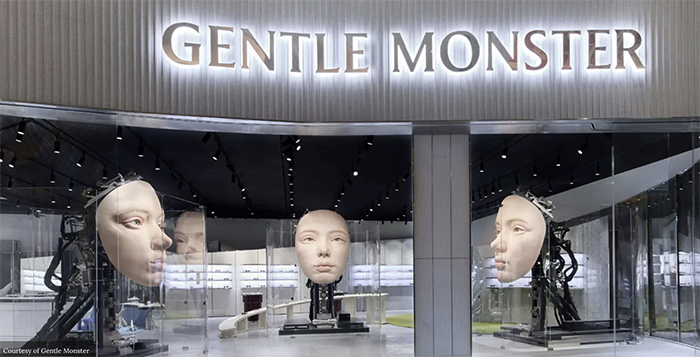
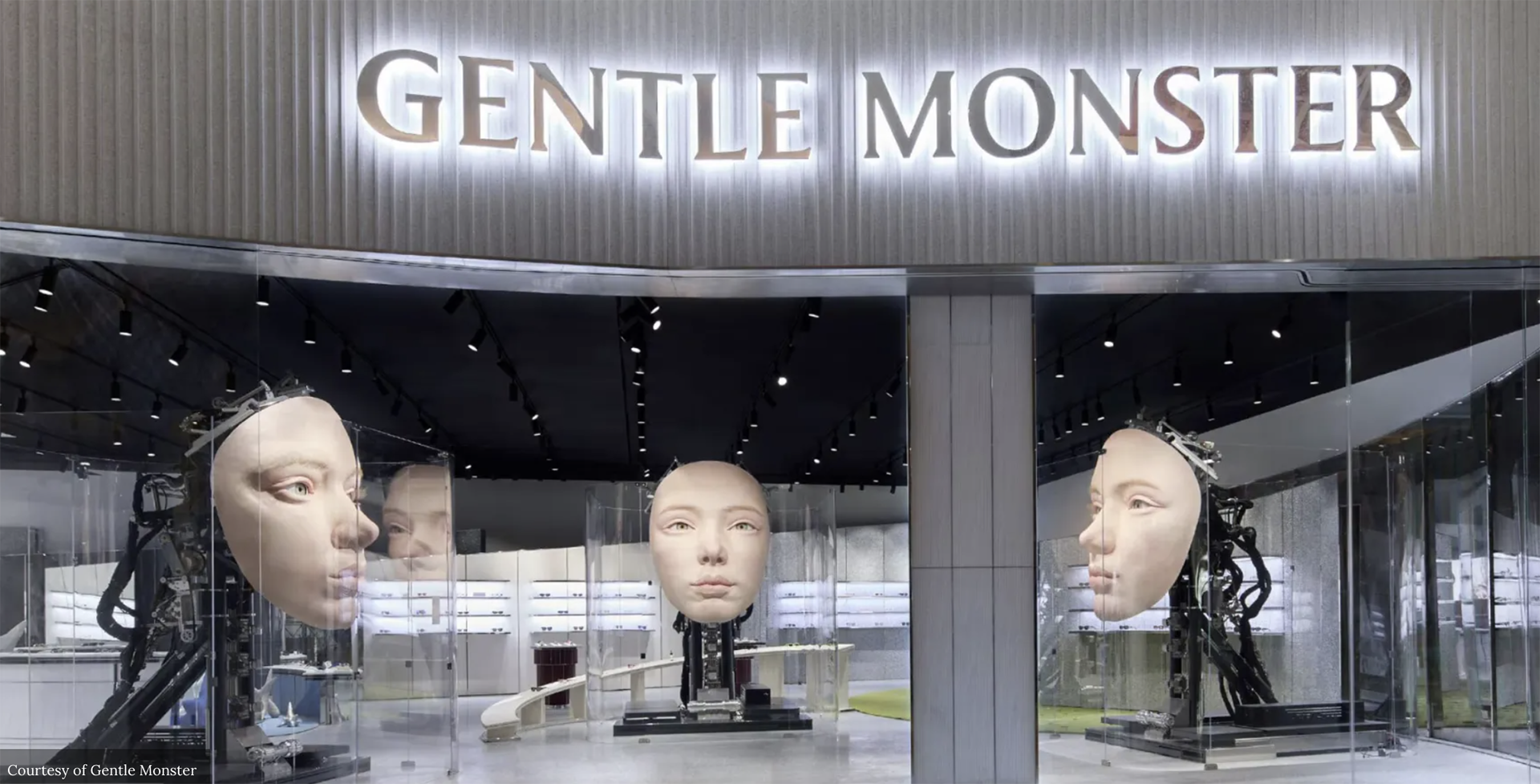
< Image source: Gentle Monster >
The Korean eyewear brand Gentle Monster, which recently opened a flagship store in downtown Shanghai, leaves a strong impression through displays that feel more like an art exhibition than a retail space. Although the primary purpose of the store is to sell eyewear, the immersive visual elements and carefully orchestrated spatial composition communicate the brand’s direction with remarkable clarity. As a result, whenever Gentle Monster opens a new store in a major global city, it immediately attracts widespread attention.
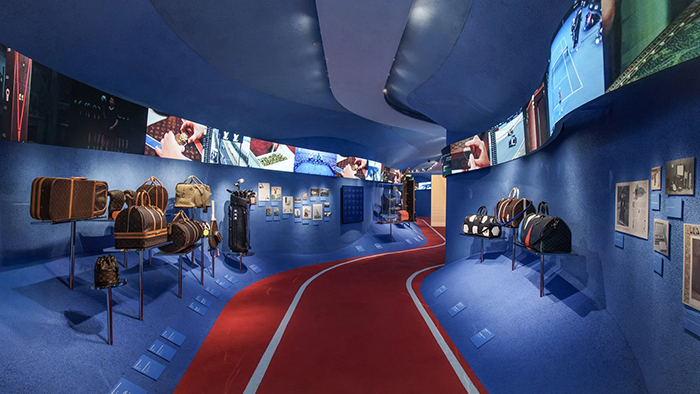
< Image source: Louis Vuitton >
The recent direction of luxury brand Louis Vuitton is equally noteworthy. Along the Shanghai waterfront, the brand transformed an entire massive cruise ship into a curated brand experience space, quickly becoming recognized as one of the city’s most popular destinations among younger audiences. Rather than simply displaying products, the space presents the brand’s history, present identity, and future vision as a unified exhibition experience. It has now established itself as a must-visit cultural hotspot for anyone visiting Shanghai.
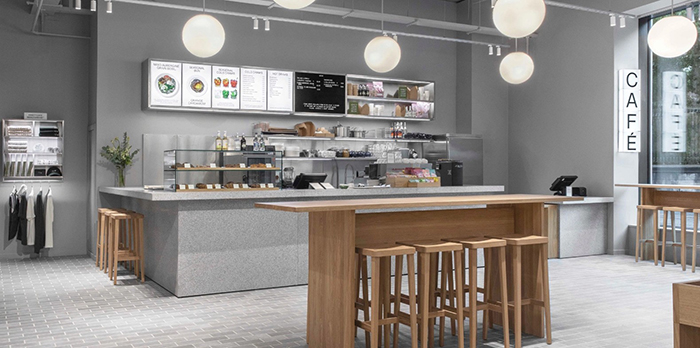
The Danish lifestyle brand ARKET also stands at the center of this movement. Although fashion remains its primary category, the brand simultaneously operates cafés and lifestyle sections within its stores, encouraging customers to stay longer and experience the brand at a slower, more immersive pace. The clean and relaxed atmosphere characteristic of Scandinavian design naturally invites visitors to linger within the space.
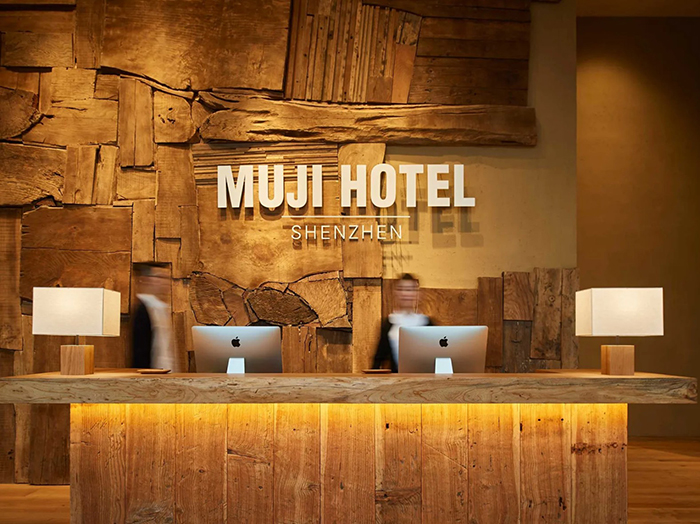
The fact that Muji, a brand familiar to people around the world, entered the hotel business stems from the same philosophy. Every guest room is composed entirely of Muji products, creating a scenario in which visitors can personally experience the brand throughout their stay. Even breakfast is served through Muji Dining. In many ways, the hotel has become a space where the brand’s total experience operates seamlessly as one integrated environment.
Keep It Real
Perhaps what we have truly been craving is direct, hands-on experience. We instinctively understand that the endless stream of content overflowing through social media and the internet can never fully become our own. Only what we personally see, touch, and experience becomes real to us. Behind this phenomenon lies a broader cultural shift often described as the rise of high-standard trends. As technological innovation has elevated the overall quality across industries, differentiation through product quality alone has become increasingly difficult without intuitive and emotional experiences. We are no longer searching only for products that are simply better or more advanced. What we seek now are better experiences.
The Role of the Designer as an Experience Architect
Today, experiences themselves must be designed. Designers are no longer expected merely to create beautiful products; they are increasingly responsible for orchestrating entire experiential ecosystems. This is why designers must adopt what is often called a “helicopter view.” From the earliest stage of an idea sketched as a single line in a notebook to the moment the finished product reaches the consumer’s hands, designers must be able to oversee the entire journey. Every moment within that experience requires careful and intentional design. Ultimately, we are entering an era in which only authentic experiences truly resonate.












#14057, 905 49, Beolmal-ro 102beon-gil,
Dongan-gu, Anyang-si, Gyeonggi-do, Korea
Business Registration Number: 454-86-01044
Online Sales License No.: 2021-Anyang Dongan-1081
Copyright © DESIGNSORI Co., Ltd.