
The Age of Rejecting Perfection: “Ugly Design” Becomes the New Aesthetic
The standards of beauty have always changed with the times. There was once an era when balanced proportions, refined colors, and sophisticated typography were treated as unquestioned rules of “good design.” But today, that formula is being fundamentally challenged. Instead, designs that are crooked, awkward, tacky, or even ridiculous are powerfully capturing the emotions of consumers. “Ugly design” has already moved far beyond the level of a passing trend and firmly established itself as a powerful new aesthetic movement, continuously expanding its influence across every field of design, including character design, fashion, food, graphics, and interior spaces.
From Fuggler to Labubu: The Rebellion of “Ugly” Characters
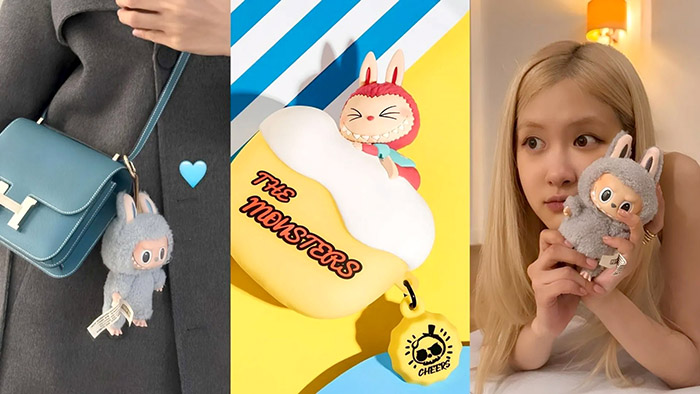
If there is one character doll currently dominating the attention of the MZ generation, it is undoubtedly Fuggler. Even its name is unconventional. Short for “Funny Ugly Monster,” Fuggler fully embraces the identity of being bizarrely unattractive. Bulging eyes, button shaped buttocks, asymmetrical bodies, and above all, disturbingly realistic teeth somehow become strangely charming, and that very contradiction has become the visual identity that allowed Fuggler to conquer the global market.
The origin story of Fuggler is surprisingly humble and accidental. Louise McGettrick from the UK became fascinated after stumbling across an image of shark teeth while shopping online for Christmas gifts. A strange but imaginative thought crossed her mind: “What if I attached these teeth to a doll?” She purchased fake teeth and began sewing them onto handmade teddy bears at home. When these peculiar monster dolls were uploaded to Etsy, the online handmade marketplace, the response was explosive. Each Fuggler was given its own unique name and quirky personality, stimulating a powerful sense of collectibility. Today, the brand enjoys worldwide popularity. As the dolls appeared on television programs and celebrities were seen carrying them, their cultural visibility accelerated even further.
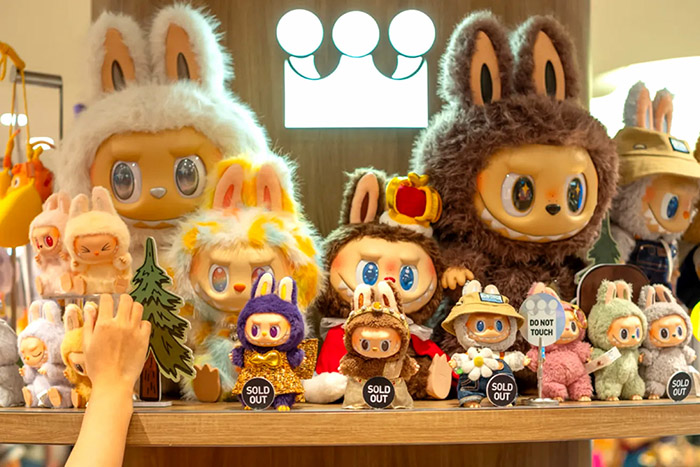
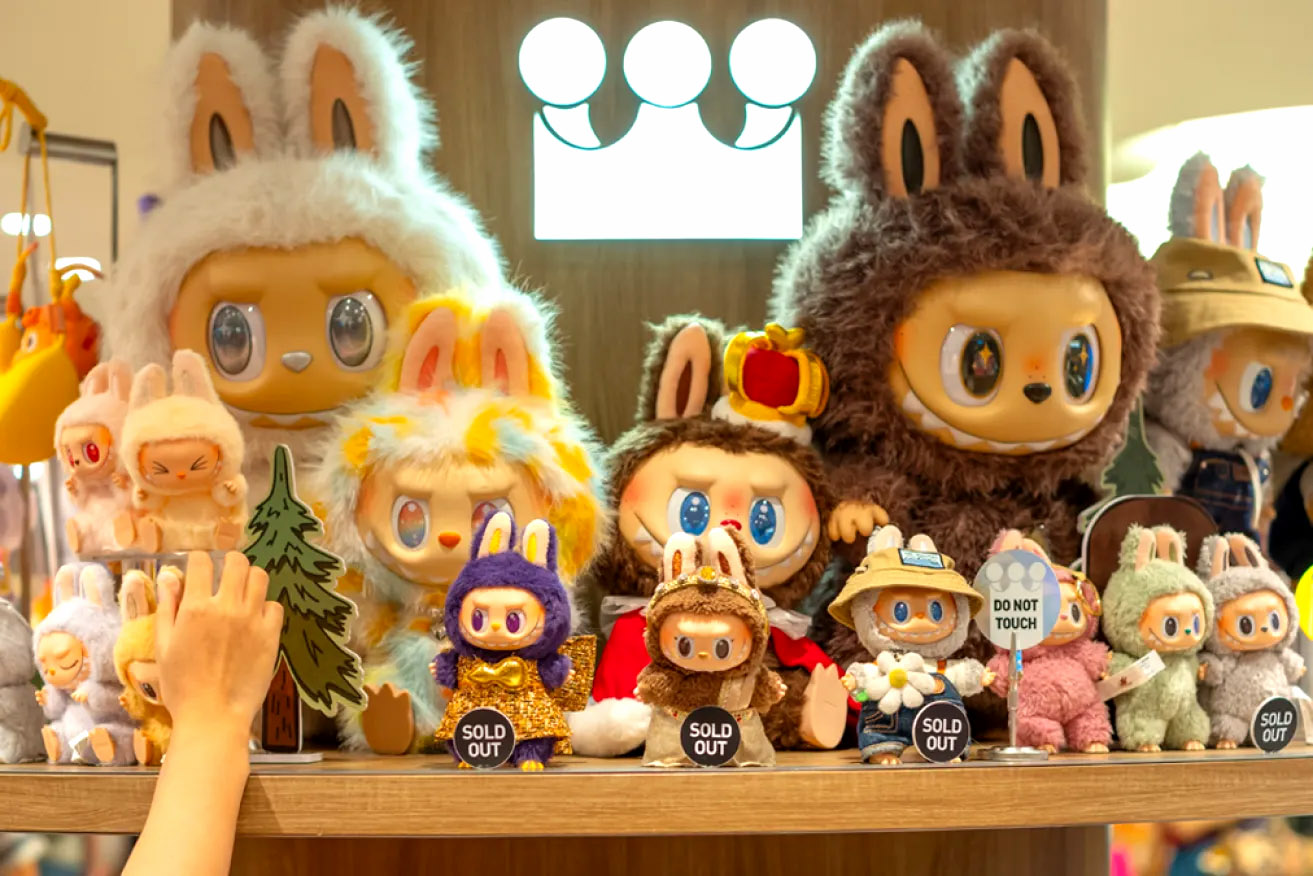
Alongside the Fuggler phenomenon, another character that cannot be ignored is Labubu. With its sharp teeth and grotesque facial expressions, the character spread explosively across social media through celebrity posts and influencer culture. Some limited edition figures have even been resold for prices reaching thousands of dollars. Labubu’s success clearly demonstrates how the MZ generation’s aesthetic preference for “ugly equals rare and hip” can transform into real economic value within the global consumer market.
In Korea, one of the most notable examples is “Mangled Bear.” With its blurry silhouette and awkward facial expressions, the character embraces a deliberately “broken” appearance as its core identity. As a result, it has gained more than 420,000 Instagram followers. In May 2024, the character expanded its influence further through an IP collaboration with the Doosan Bears baseball team, launching various merchandise collections and actively moving into the corporate collaboration space. “Ugly characters” are no longer simply niche fandom products. They are now functioning as powerful intellectual properties capable of reshaping entire business ecosystems.
Another important trend is the rise of “crying” characters. Characters with exaggerated crying faces, streaming tears, or distorted emotional expressions are dominating KakaoTalk emoticons, merchandise, and social sticker markets. The phenomenon of “the uglier and stranger, the more successful” has become such a clear cultural shift that major media outlets are now officially analyzing it as a defining social trend.
The “Ugly Code” Across Fashion, Products, Graphics, and Food
The same trend is strongly visible in the world of fashion. Crocs, once mocked as the ultimate symbol of “dad shoes,” have made a dramatic comeback through overwhelming support from the MZ generation. Their thick, clunky soles and unapologetically functional aesthetics have been reinterpreted as symbols of hipness. The same can be said for New Balance 530 sneakers and various forms of ugly shoes. Heavy silhouettes and seemingly outdated color combinations now stimulate retro nostalgia and have firmly established themselves as timeless bestsellers across generations. Increasingly, brands are intentionally embracing rough typography, awkward color combinations, and deliberately unrefined aesthetics. Rather than hiding ugliness, they actively position it as the core asset of their brand identity.
Within fashion culture, trends such as “Granny Chic” or “Grandma Core” are also gaining attention. Old fashioned cardigans, floral patterns, oversized thick framed glasses, and practical but bulky handbags are being reinterpreted by MZ fashion consumers as sophisticated vintage items. This trend aligns closely with contemporary values such as economic rationality and sustainability, evolving beyond simple fashion into a broader lifestyle philosophy.
The Y2K retro movement can also be understood within this context. Primary color palettes from the late 1990s and early 2000s, pixelated low resolution graphics, shiny metallic materials, and typefaces that would hardly be considered refined by today’s standards are now being actively embraced across fashion, product design, video, and graphic design. This is not simply nostalgia. In an era overwhelmed by hyper polished digital aesthetics, the warmth and emotional nostalgia of analog imperfection resonate deeply with the sensibilities of the MZ generation.
In graphic design, the so called “Rainbow Bonobono PPT” phenomenon became a symbolic example. Cheap WordArt fonts, chaotic color arrangements, and layouts completely lacking restraint directly violated every conventional rule of refined design. Yet paradoxically, it was precisely because of its ugliness that it generated explosive attention and widespread emotional resonance. The phenomenon proved that for the MZ generation, raw individuality and unfiltered expression can create far stronger emotional impact than polished aesthetic perfection. On social media and short form platforms, intentionally “bad looking” videos and graphics are increasingly dominating algorithms. Just as rough, spontaneous smartphone footage often outperforms expensive polished advertisements, imperfection itself has become a new form of authenticity.
The ugly code is also strongly influencing the food and retail industries. Platforms specializing in irregularly shaped produce, so called “ugly vegetables,” are rapidly growing among single person MZ households. Services such as Uglys place the word “ugly” at the forefront of their marketing while simultaneously promoting small purchases, affordable pricing, and eco conscious consumption. This movement prioritizes intrinsic value over outward appearance and aligns directly with the broader ugly design trend, extending beyond aesthetics into the philosophy of sustainable consumption itself. The same principle can be seen in food packaging design, where brands increasingly use crooked handwriting fonts or intentionally aged photocopy like printing effects to communicate handmade authenticity and sincerity.
A New Language of Aesthetics: The Creativity of Imperfection
Beneath all of these phenomena flows a common spirit of the times. As digital natives, the MZ generation grew up surrounded by excessive information and perfectly curated imagery. Paradoxically, what truly attracts them is rawness, deliberate imperfection, and creativity that playfully subverts mainstream aesthetic conventions. Ugly design becomes a declaration of individuality, a statement that says, “I am different from everyone else.” It is also a playful resistance against the authority of traditional beauty standards and a perfect condition for creating viral conversation within social media culture.
Fuggler, Labubu, Mangled Bear, Crocs, Granny Chic, Y2K graphics, Rainbow Bonobono PPTs, and ugly vegetable platforms all share one common principle. The value of design is no longer measured solely by aesthetic perfection. What matters now is how fresh the concept feels, how original the creative expression is, and how authentically it communicates emotion. These have become the essential standards the MZ generation now demands from design. Ugly design is not regression. It is the most liberated and creative aesthetic language born from freedom from the obsession with perfection. And today, the clearest compass pointing toward where the design language of the future is heading may already be sitting in the strangest corners of our everyday lives.














#14057, 905 49, Beolmal-ro 102beon-gil,
Dongan-gu, Anyang-si, Gyeonggi-do, Korea
Business Registration Number: 454-86-01044
Online Sales License No.: 2021-Anyang Dongan-1081
Copyright © DESIGNSORI Co., Ltd.