
Senior Designer at Jabra, Denmark
Design is closely intertwined with culture. The culture of a country, a city, or its people has a significant influence on the design scene. This is also why design around the world does not follow a single, uniform trend. In some cases, a country’s unique cultural characteristics shape its design, while in others, design becomes a means of improving culture itself. Although this relationship is deeply fascinating for designers, it is not easy to find concrete references or materials on the subject. That is likely because it cannot be defined in a simple or absolute way.
Based on my observations from working in Northern Europe for more than a decade, I would like to share a few thoughts that may serve as a small clue. As is widely known, Nordic countries such as Sweden, Denmark, Norway, and Finland consistently rank at the top in areas such as happiness, politics, and equality indices. If their culture were to be described in a single word, it would be healthy. The idea of being healthy here carries multiple meanings, but the kind of health I wish to focus on is the following.
Eliminating Unnecessary Energy
People are not overly concerned with how they are perceived by others. There is little fixation on what kind of house one lives in, what car one drives, or which brand logo appears on a bag. Instead, there is a much stronger focus on family and personal health. As a result, people do not hesitate to invest in exercise and outdoor activities. They simply choose what is necessary and useful for them, according to the situation. A certain form of indifference toward others also supports this healthy culture. This indifference does not carry a negative meaning. It could be described as a refined or dignified indifference. In fact, even before the pandemic, people here were already practicing a form of distancing.
This refers not to physical distance, but to a mental one. It is common to see young women operating heavy machinery at construction sites, or male nurses working in hospitals. People using wheelchairs are frequently seen on the streets. This reflects not only a well designed urban system, but also a society that is free from excessive concern about others’ gazes. In this way, people respect the choices of others and try to see them as they are. Although these are only partial examples, living without expending unnecessary energy on how one is seen by others represents a highly ideal way of life.
Synergy Effects
This healthy culture creates positive synergy within the field of design as well. When consumers are less sensitive to brands, it means that designers are given greater opportunities. It is not a market where a well known logo is required in order to appeal to consumers. For this reason, it is easy to find brands whose products carry no visible logo at all. A well constructed design story, the use of quality materials, and a convincing user experience are often enough to remain competitive in the market. Of course, Nordic brands such as HAY, MUUTO, IKEA, and B&O enjoy strong customer loyalty, but at the very least, designers are given the opportunity to compete from a more equal starting point.
Walking through Nordic cities such as Copenhagen, Stockholm, or Oslo, one encounters an extraordinary variety of design brands. Furniture, lighting, fashion, textiles, automobiles, and lifestyle products appear everywhere, creating the feeling of walking through a living design museum. This diversity suggests that the design industry in the region is developing in a balanced way, and it also provides designers with an excellent environment in which to present boundary free creativity. In contrast to the reality in our own context, where design tends to be disproportionately focused on specific brands and consumer electronics, this offers meaningful points for reflection.
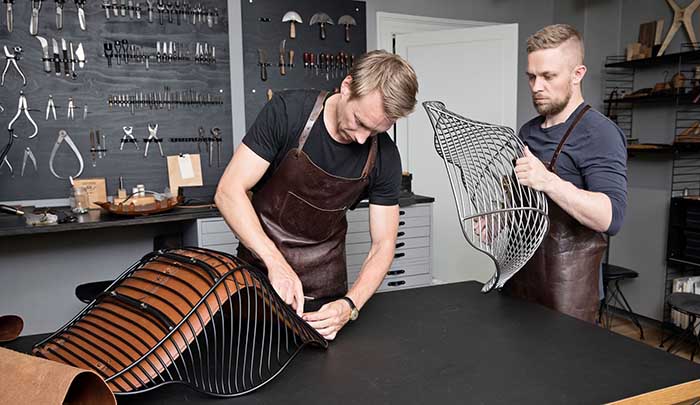
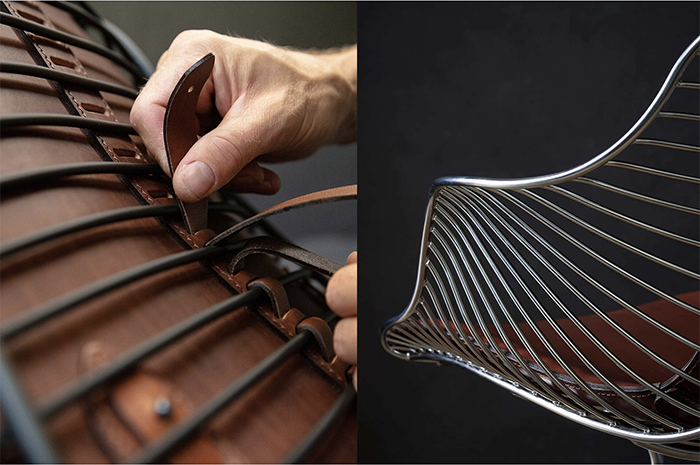
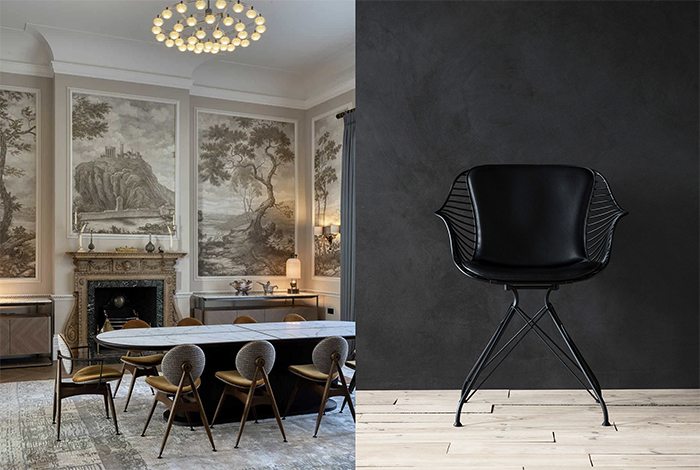
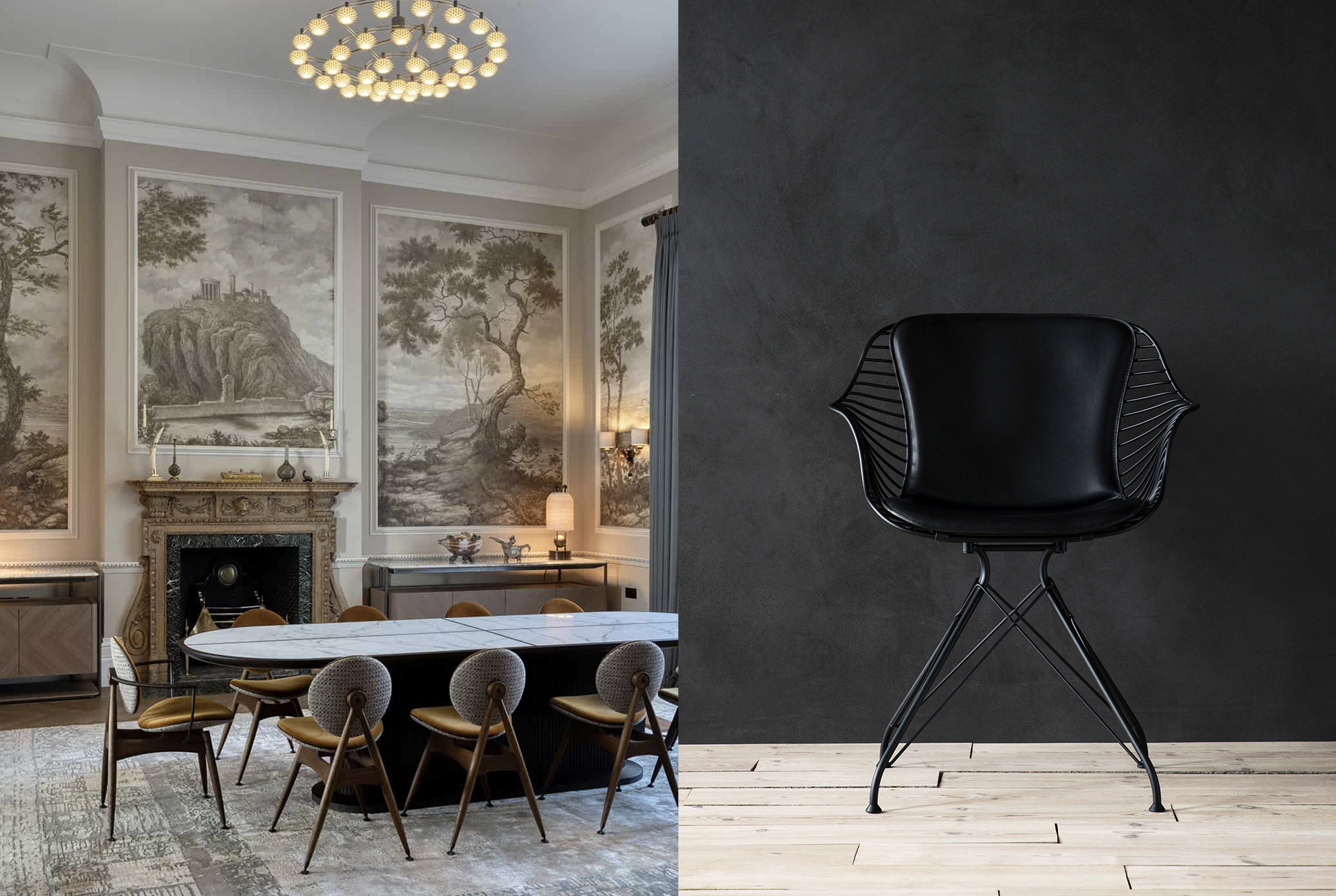
The Danish furniture brand Overgaard and Dyrman is a strong example of this approach. Their products, designed through a refined combination of natural leather and metal, have gained attention within the Nordic design scene for their high quality and compelling sustainability narrative. Their intelligent use of premium materials and the sensitivity with which they are visually expressed are exceptional. As a result, the brand has established a confident position in the market without relying on aggressive marketing or the power of a prominent logo. The craftsmanship involved is close to artisanal practice, which means long production times and high prices, but customers who recognize good design are willing to accept this without hesitation.
< Image source: www.OandD.dk >
Dreaming of Growth
A design industry built on a healthy culture is, without doubt, an ideal environment from a designer’s perspective. It suggests a landscape rich with choices and equipped with platforms where creative territories can be actively explored. It becomes even more meaningful when customers who await good design develop the discernment to recognize genuine value, rather than pledging loyalty solely to brand logos. When such a virtuous cycle takes shape, the growth of design grounded in a healthy culture can finally become our own story.














#14057, 905 49, Beolmal-ro 102beon-gil,
Dongan-gu, Anyang-si, Gyeonggi-do, Korea
Business Registration Number: 454-86-01044
Online Sales License No.: 2021-Anyang Dongan-1081
Copyright © DESIGNSORI Co., Ltd.