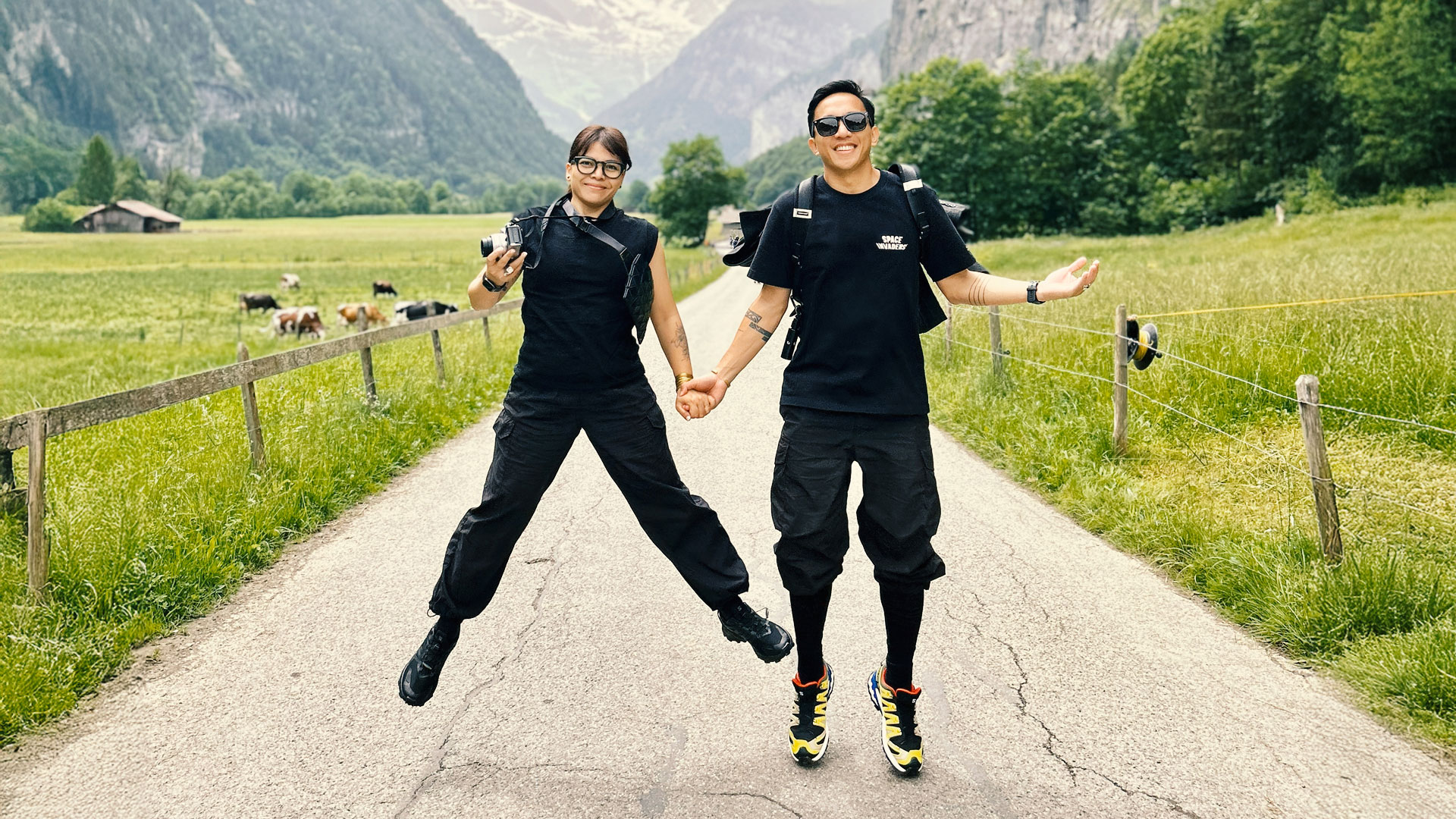
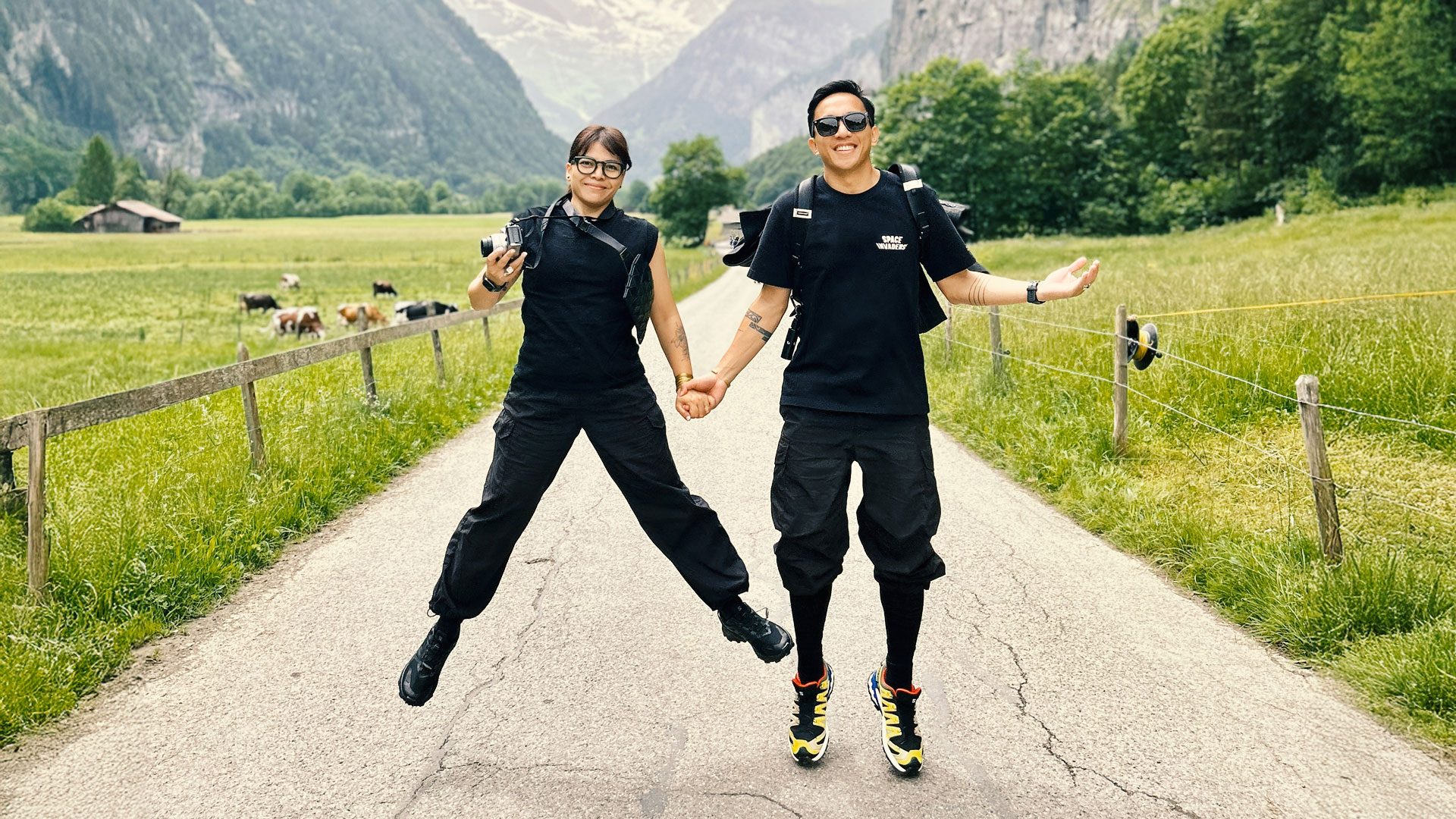
Ivan Despi & Pauline Vicencio-Despi Co-founders of The Acid House
“Contemporary motion design often rewards recognizable styles, but Ivan Despi and Pauline Vicencio-Despi take the opposite approach. Guided by a belief that their work should never be just one thing, they embrace experimentation across motion, graphic animation, and advocacy driven storytelling. In this interview, they share how creative freedom shapes their process, how craft and collaboration remain central to every frame, and why honest work matters in a fast moving global industry.”
First, please introduce your team. What philosophy lies behind the name “The Acid House” and the visual identity your studio pursues?
The name The Acid House comes from one of Irvine Welsh’s books, whose work we began collecting after watching Trainspotting. We were immediately drawn to the rawness, honesty, and confrontational energy of his writing, and that sensibility resonated strongly with how we wanted to approach design. The name itself carries a certain attitude that is bold, unapologetic, and slightly uncomfortable, and that felt closely aligned with the kind of work we wanted to create.
Our studio philosophy is rooted in the belief that our work should never be just one thing. We actively resist being boxed into a single style, genre, or discipline. Instead, we embrace multiplicity and contradiction, allowing each project to develop its own character and logic. Visually, this often results in work that is intense, direct, and highly expressive, something we sometimes describe as a full frontal visual assault. This is not about provocation for its own sake, but about creating work that elicits an immediate reaction and feels alive. The Acid House, both as a name and as a studio, represents our willingness to move forward without apology and to let the work speak loudly and clearly.
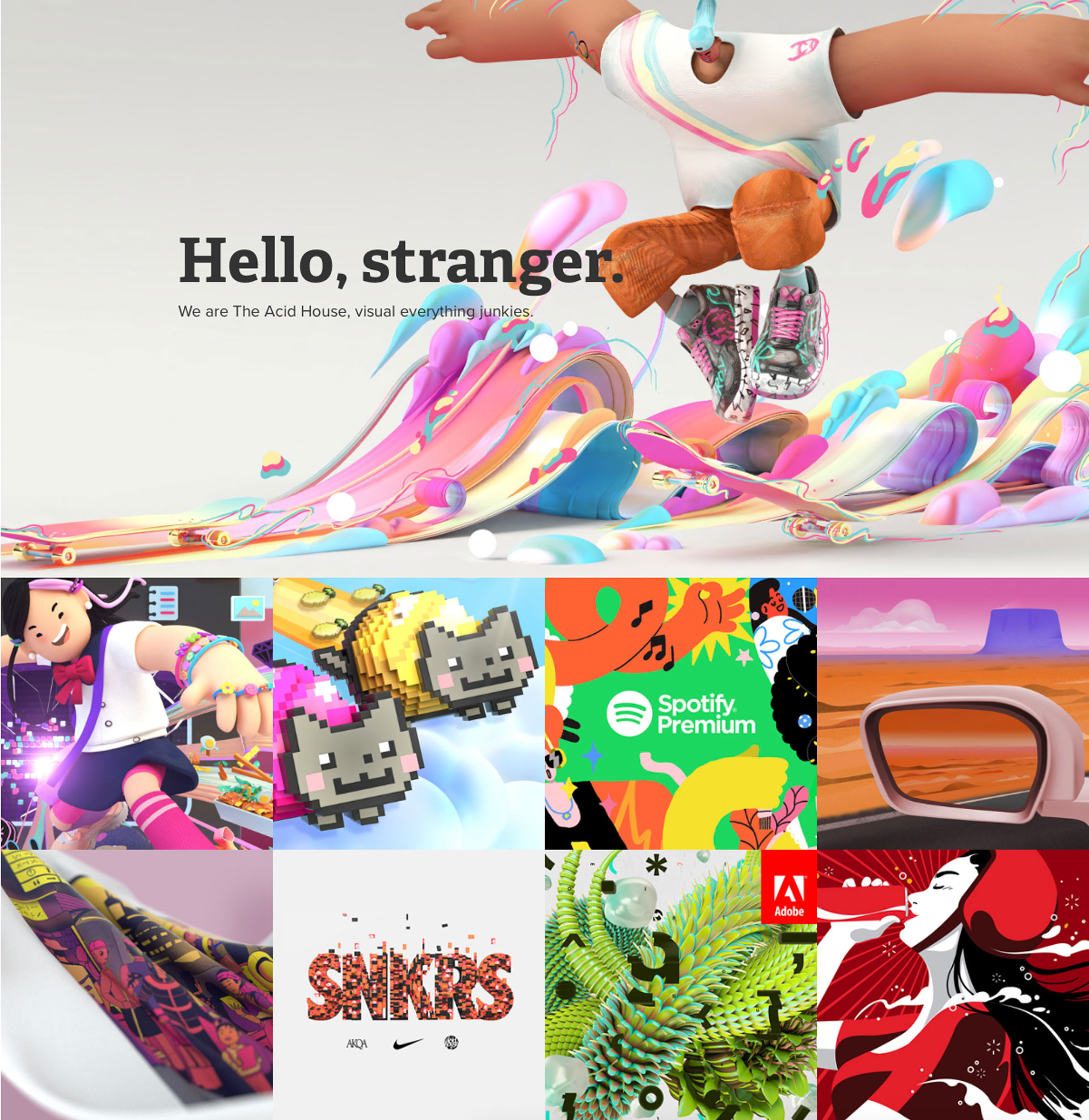
Your portfolio features many lively and striking motion designs and graphic animations. Where does the source or inspiration for this kind of work come from?
When we were starting out, it was very important to us that we were never stereotyped as just one kind of studio. We deliberately avoided locking ourselves into a single visual language or design trend. Instead, we wanted the freedom to explore, experiment, and constantly shift perspectives. That curiosity led us to dip our toes into different design styles and schools of thought, sometimes simultaneously.
Because of that, our sources of inspiration are intentionally wide ranging. They can move from the graphic novel illustrations of Moebius, with their rich world building and imaginative freedom, to something seemingly far removed like Kilian Jornet’s States of Elevation project, which documents extreme physical endurance and mental focus. On the surface, these references might feel unrelated, but they share a commitment to pushing limits and exploring human experience in different forms. Casting such a wide net keeps our work fresh and prevents stagnation. For us, variety is not a distraction. It is what keeps our ideas evolving and our output alive.
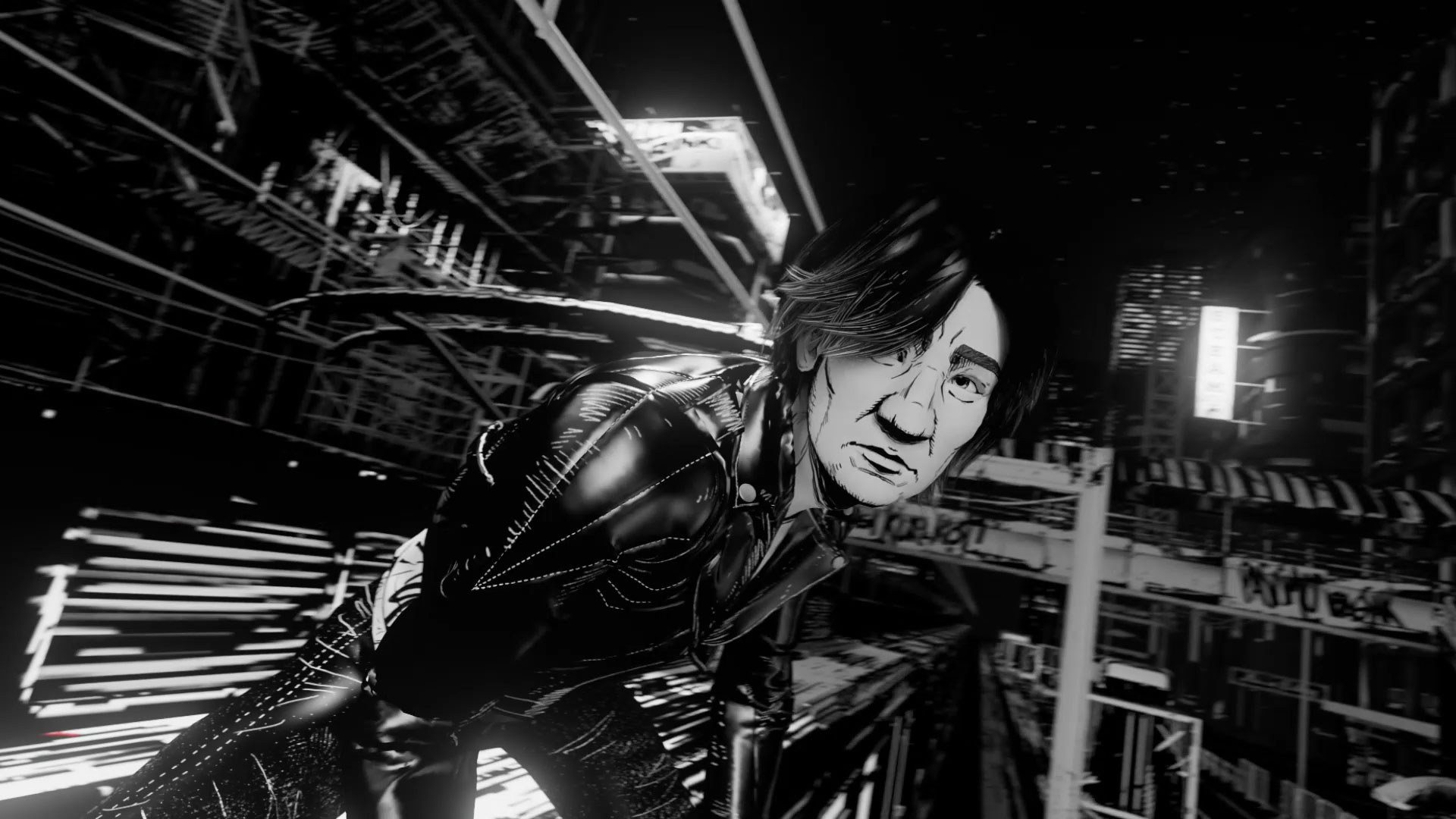
Could you tell us about one client project that stands out in your memory? What did this project mean for your team, and what challenges did you face?
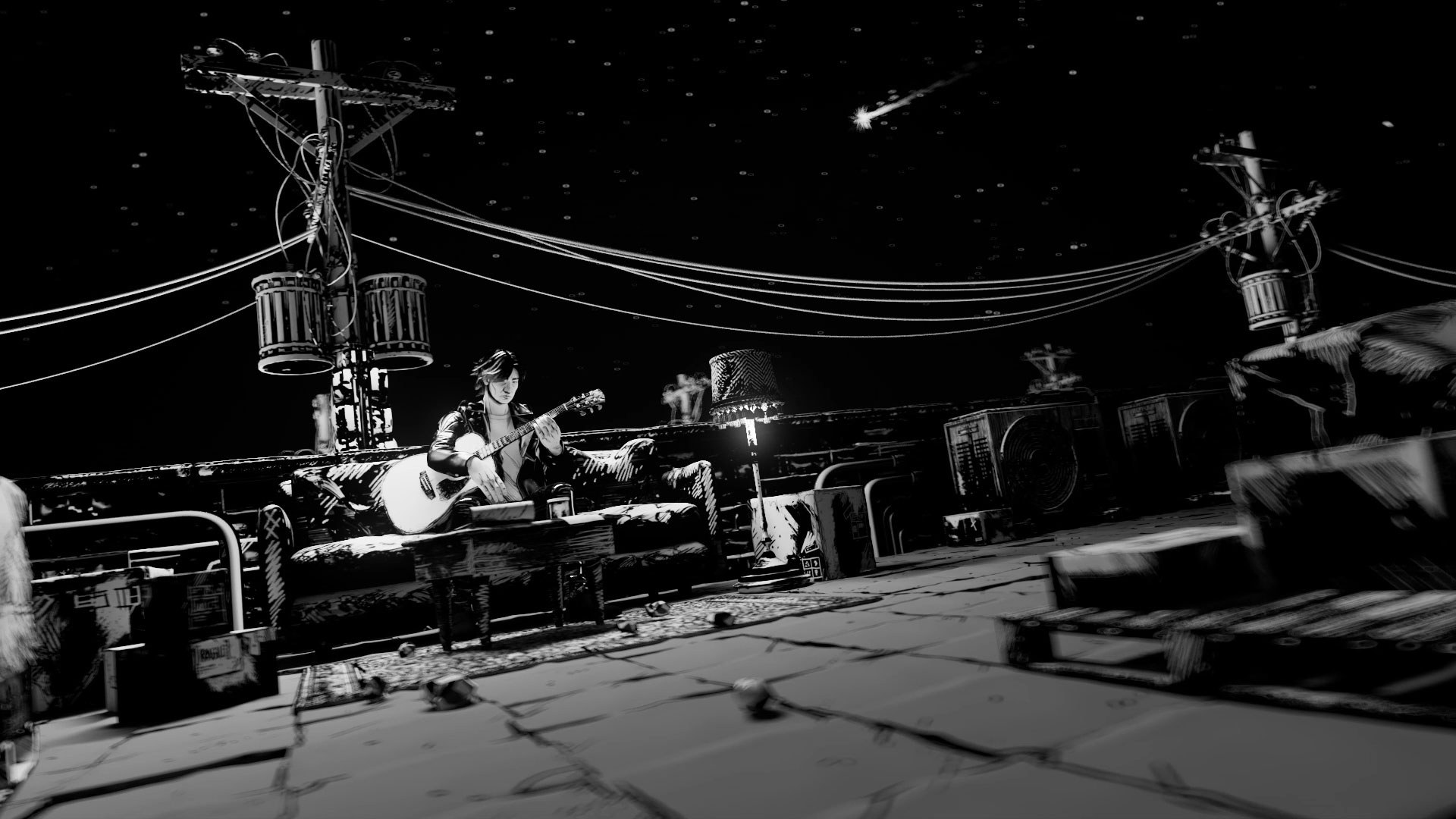
Right now, one project that really stands out for us is an advocacy project we just launched for Childhope. It is a short film created in collaboration with a local rockstar, and even the way the project is experienced is different from most client work. Before viewers can unlock and watch the film, they are required to make a donation to the organization. That structure immediately gave the project a stronger sense of purpose and shifted the focus away from pure promotion toward meaningful participation. Because it was an advocacy project, the team approached it with a different mindset and level of commitment. Everyone brought their A game, pushing the quality as far as we could and treating every frame with extra care. It was one of those projects where people were genuinely excited to contribute ideas and go the extra mile. Pauline, my partner, even joked that it ended up looking better than some of our regular client projects, which says a lot about how invested the team was.
The challenges were mostly about balancing emotion, storytelling, and craft while staying true to the cause. At the same time, it was incredibly fun to work on. We enjoyed experimenting, refining details, and really pushing the quality without the usual commercial pressures. Projects like this remind us why we do what we do and why collaboration and enjoyment in the process matter just as much as the final outcome.
You have collaborated with many global brands and major clients. What do you believe were the key factors behind your studio’s growth in scale and reputation?
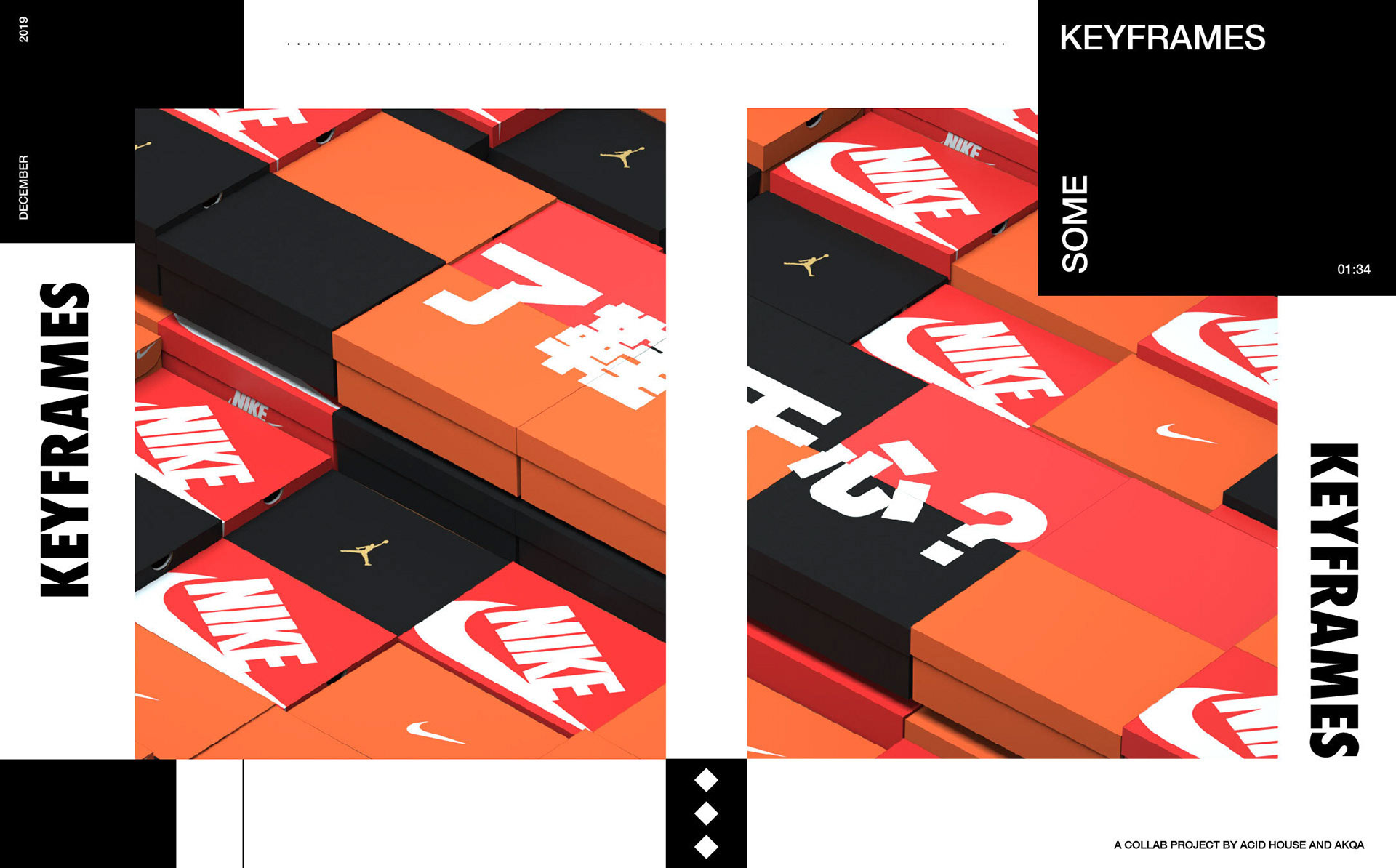
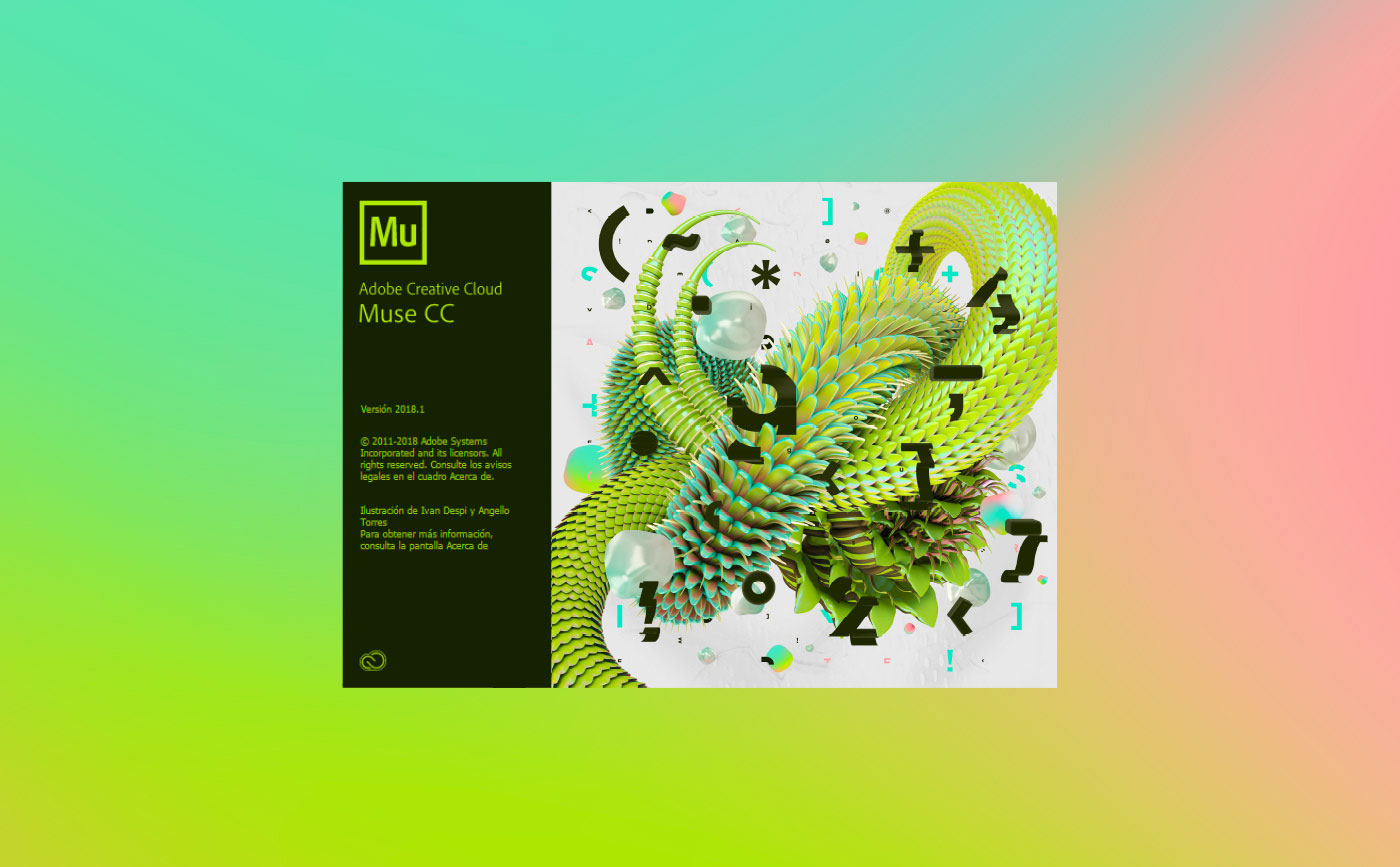
I believe the key factor has always been what happens the moment we say yes. Once we take on a project, there is an automatic commitment to do everything we can to make it work and to make it look good. We do not treat it as something to simply finish. We treat it as something we have to stand behind. As long as the client allows us the room, we bring that same attention to every detail, from the big idea down to the smallest decisions in timing, movement, and finish. The goal is always to arrive at work that feels intentional, not rushed, and not generic. In the end, we usually come out with something where every frame feels made with love and crafted by human hands. I think, and I hope, that this is what brands and clients respond to. Not just the style, but the care, the effort, and the respect for the craft that shows up in the final work.
You are based in the Philippines, yet your work is receiving international attention. Was there a turning point or strategy that enabled you to become known on the Asian and global stage?
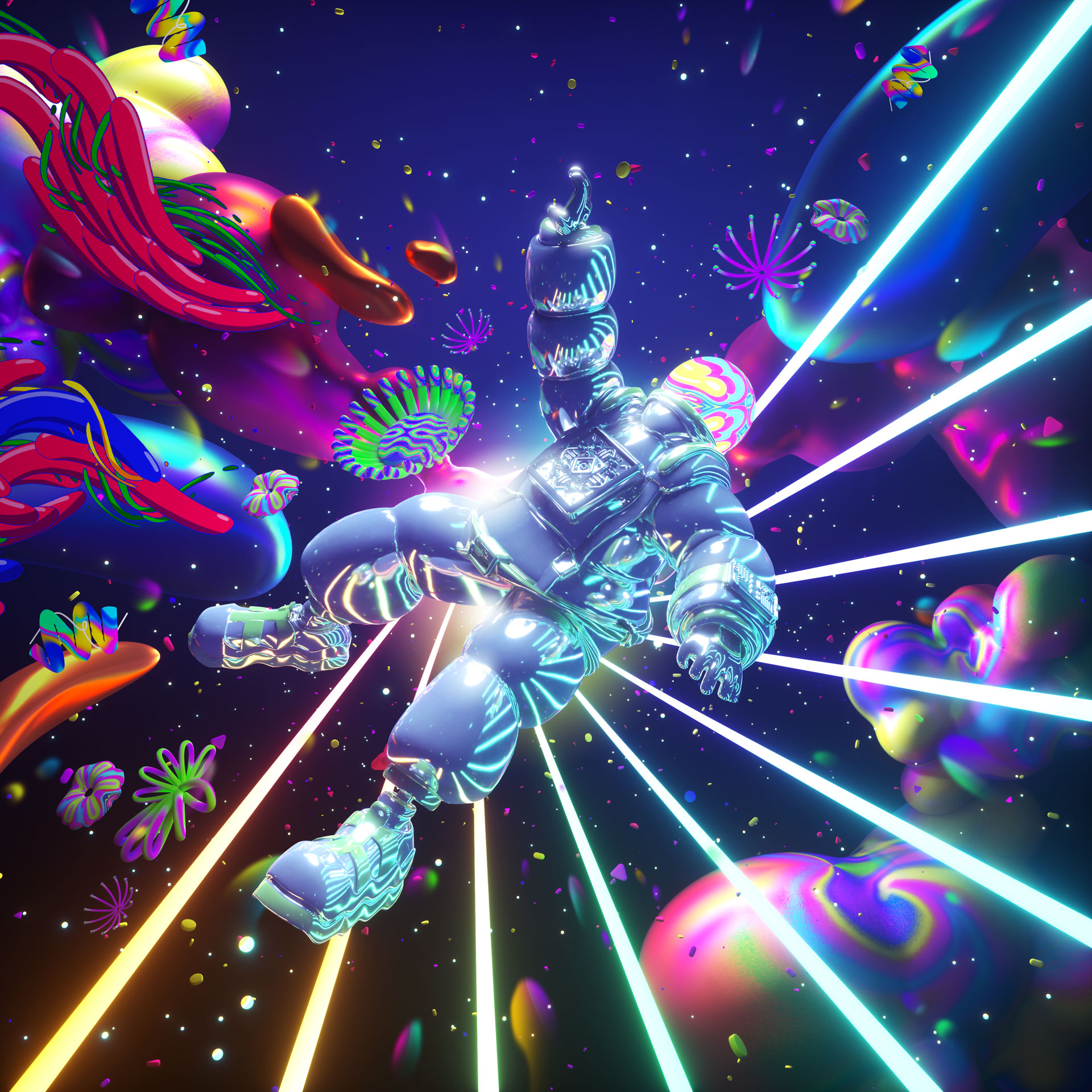
When we started consistently putting our work out into the world, especially on platforms like Behance, that was when things began to gain traction. Suddenly, our work was being seen beyond our immediate network, and opportunities started appearing from unexpected places. We have also had clients reach out after seeing personal exercises or playful experiments we posted on Instagram, which reinforced the idea that you never really know what kind of work will resonate or where it might lead. Because of that, we constantly tell younger designers and creatives the same thing: share your work. Even if you are the best designer in the world, no one will recognize that if they have never seen what you do. Visibility is not about self promotion for its own sake. It is about allowing your work to exist in public and find the people it connects with. For us, openness and consistency were far more important than any calculated strategy.
Have you ever sensed differences in “locality” or “cultural language” in design and motion work depending on country or cultural context?
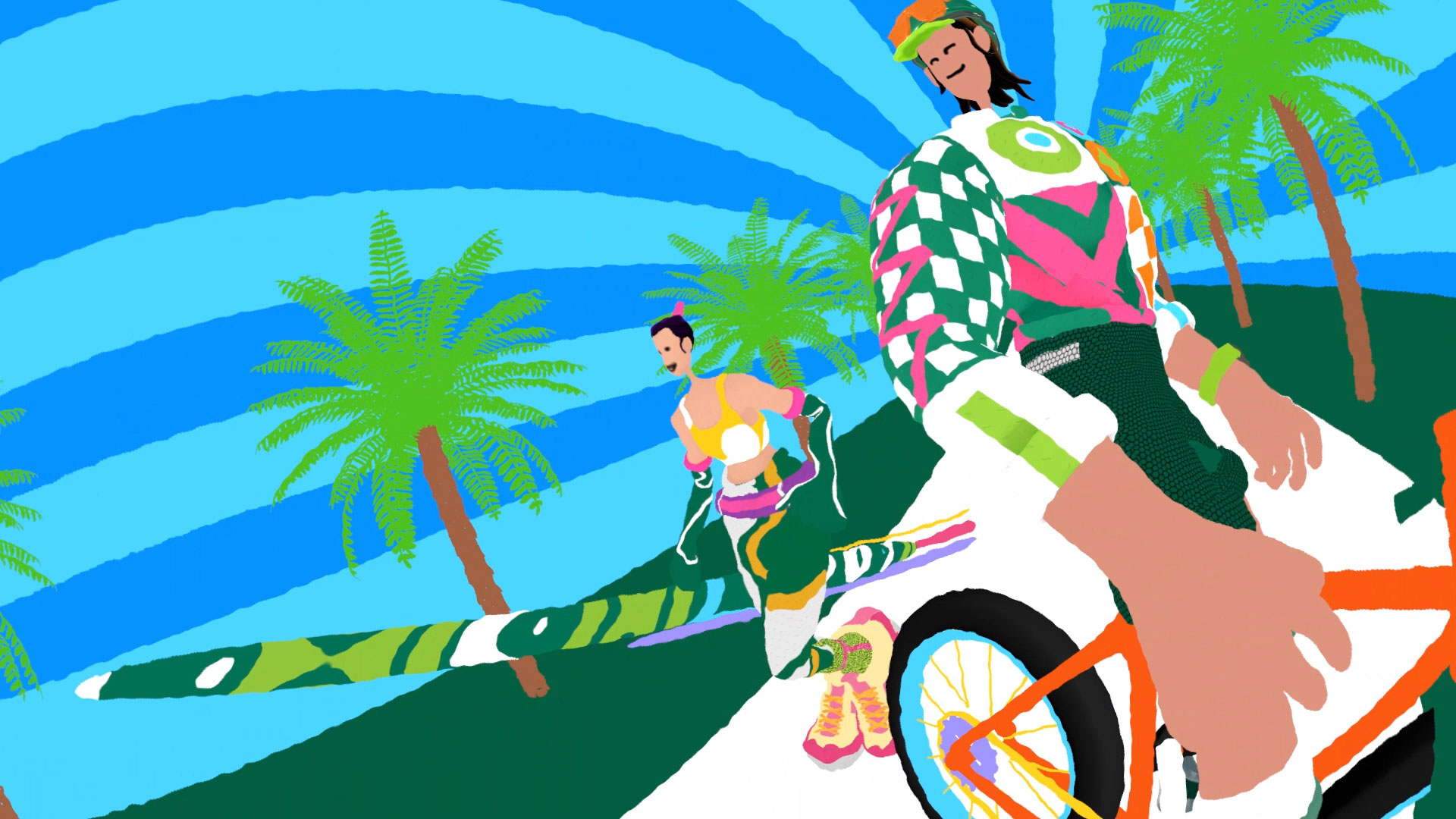
We once did a motion branding work for a Japanese brand, one of our first working with a Japanese client. Knowing our style, we came up with a study with all the bells and whistles. This however, didn't fit the ethos of the brand, and the Japanese culture overall. We went through several passes until we ended up with the excruciatingly simplest, but cleanest motion. That one got approved. It was a refreshing change, actually, even if it was restricting. There have also been a few projects where we have a female subject, be it live or animated, where we had to develop another version of clothing, so it can cater safely to sensitive markets. We have had the experience of motion work asking to be revised so as not to end in a downward movement, for example, because it connotes negativity in some markets.
When working with clients, what communication principles or internal processes do you consider most important?
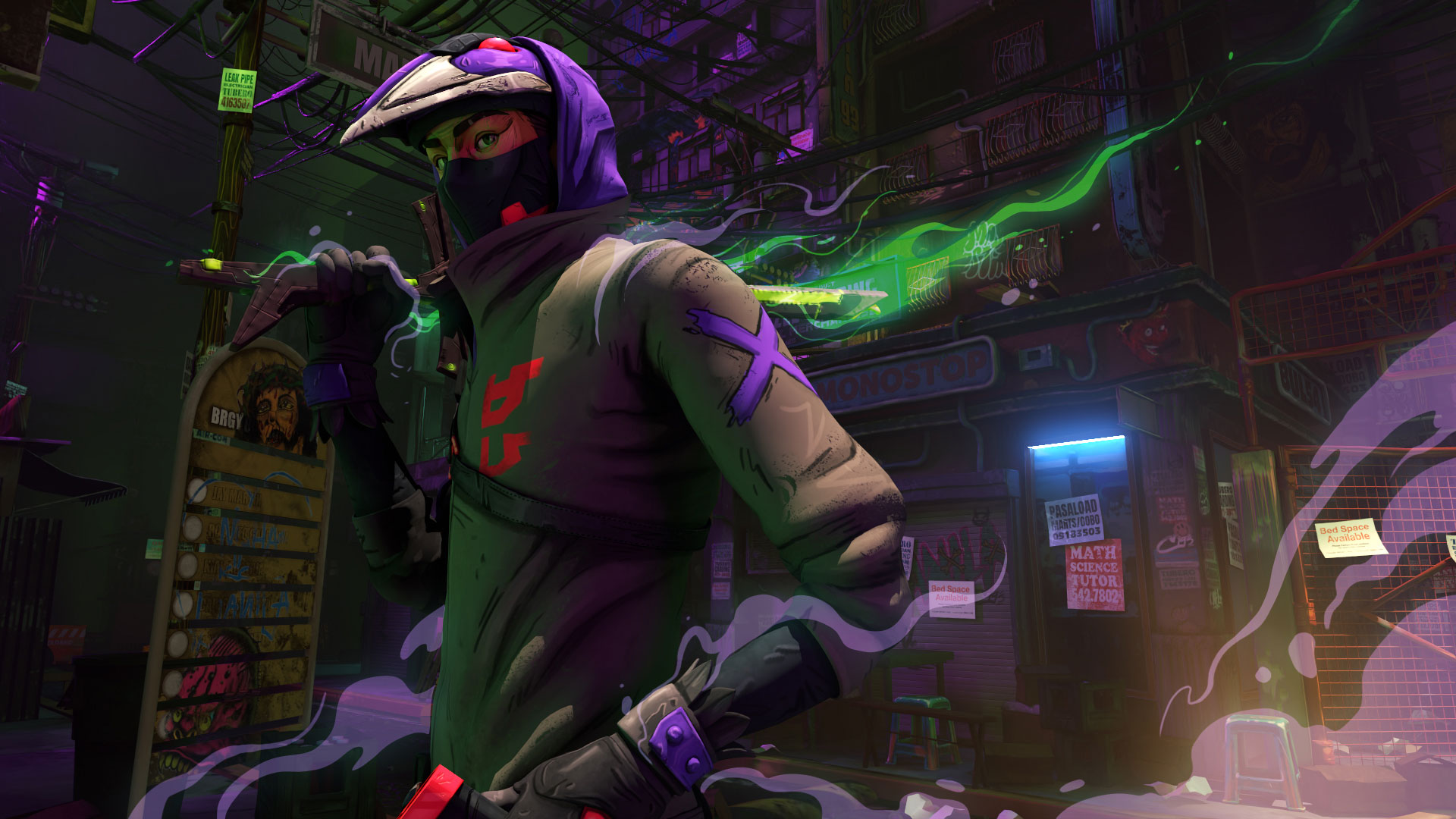
We need to be able to actually present a pass, we don't like to just email or send a deck, especially if the project or client is a bit problematic. Sending a deck opens the concept to a lot of different interpretations, and those moments are critical. We need to be able to be there and expound on it, address any client concerns, and to progress the discussion further. No matter how much of an introvert you are (and most of us creative types are, we understand), you need to work on your presentation skills so that your amazing, globally-shaking idea can get across the table.
In the context of Asian design solidarity, what role do you hope your studio will play?
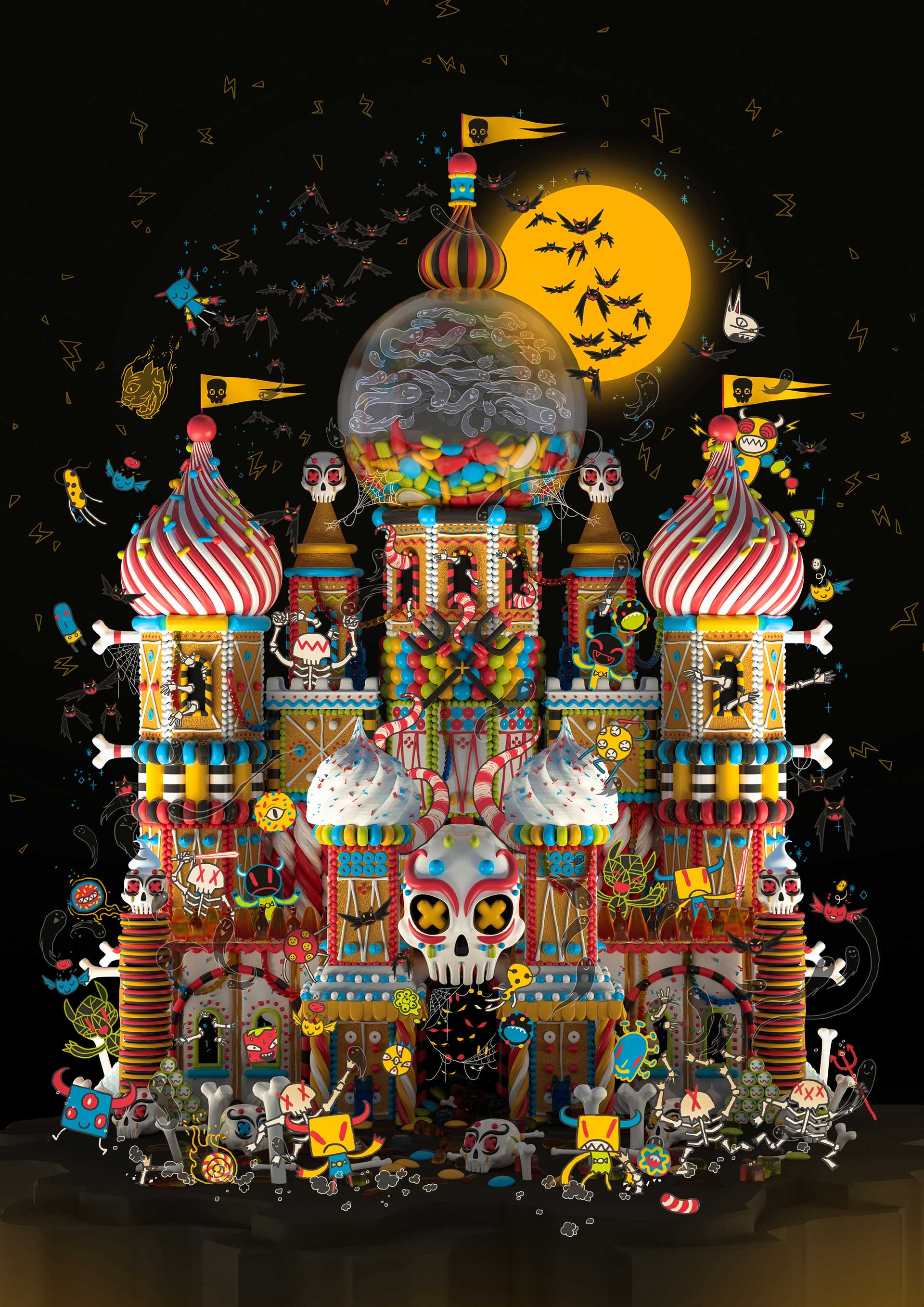
Back when we started as motion designers, we always wanted to carve our own space in the global stage. We are still working towards that goal, as the arena keeps on evolving, and that goal post keeps on moving. We just need to keep on putting out high-quality, honest work and that in itself will define our identity and style in the Asian region. There are a lot of good design and animation studios in Asia, and I think this same vision applies to us all. We need to be creatives who are aware and are able to reflect the current milieu in our high-quality work, so that what we put out there truly speaks Asian. This will resonate with fellow Asians globally and will pique the interest of non-Asians as well.
Finally, is there a project or area The Acid House is preparing to challenge next? And do you have a message for fans or industry professionals?
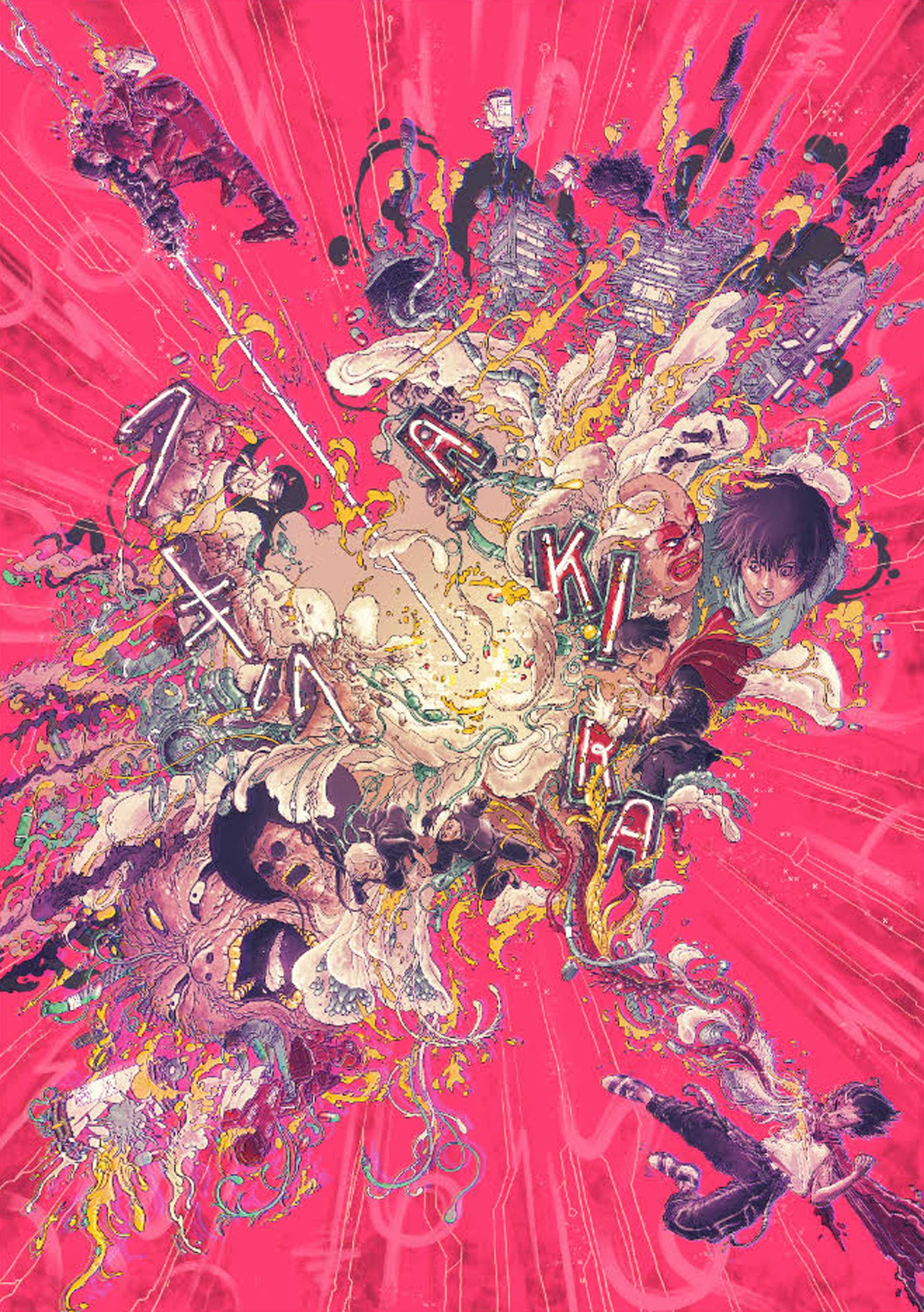
For the past 3 years, we have been exploring physical movement. I think this is a reaction to years of sedentary lifestyle brought about by working digitally in front of the screen. Now, that physical movement is working its way back into what we work on. We recently worked with the animated anniversary promo of Car-less Sundays, which is a popular local weekend event focused on health and wellness, and that felt good to accomplish. It was a good marriage of high-quality animation work and our advocacy on health. Now we are actively looking to involve ourselves more in this field. This also segues perfectly to the message we'd like to share to the industry: I know we'd all like to take care of our work, our equipment, and respective studios... but let’s not forget to take care of our physical well-being. Ending this with "A healthy man wants a thousand things, a sick man only wants one." - Confucius













#14057, 905 49, Beolmal-ro 102beon-gil,
Dongan-gu, Anyang-si, Gyeonggi-do, Korea
Business Registration Number: 454-86-01044
Online Sales License No.: 2021-Anyang Dongan-1081
Copyright © DESIGNSORI Co., Ltd.