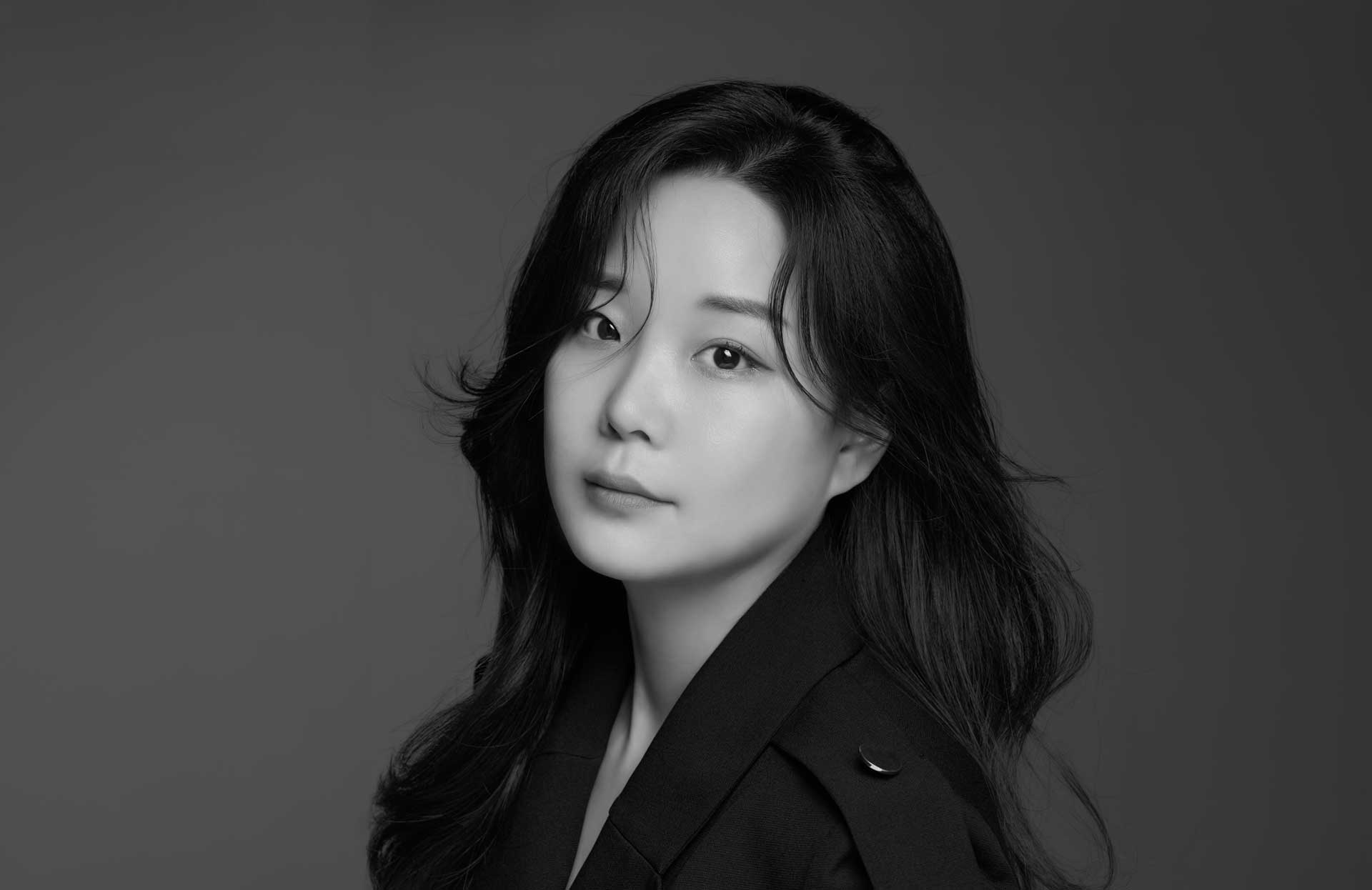
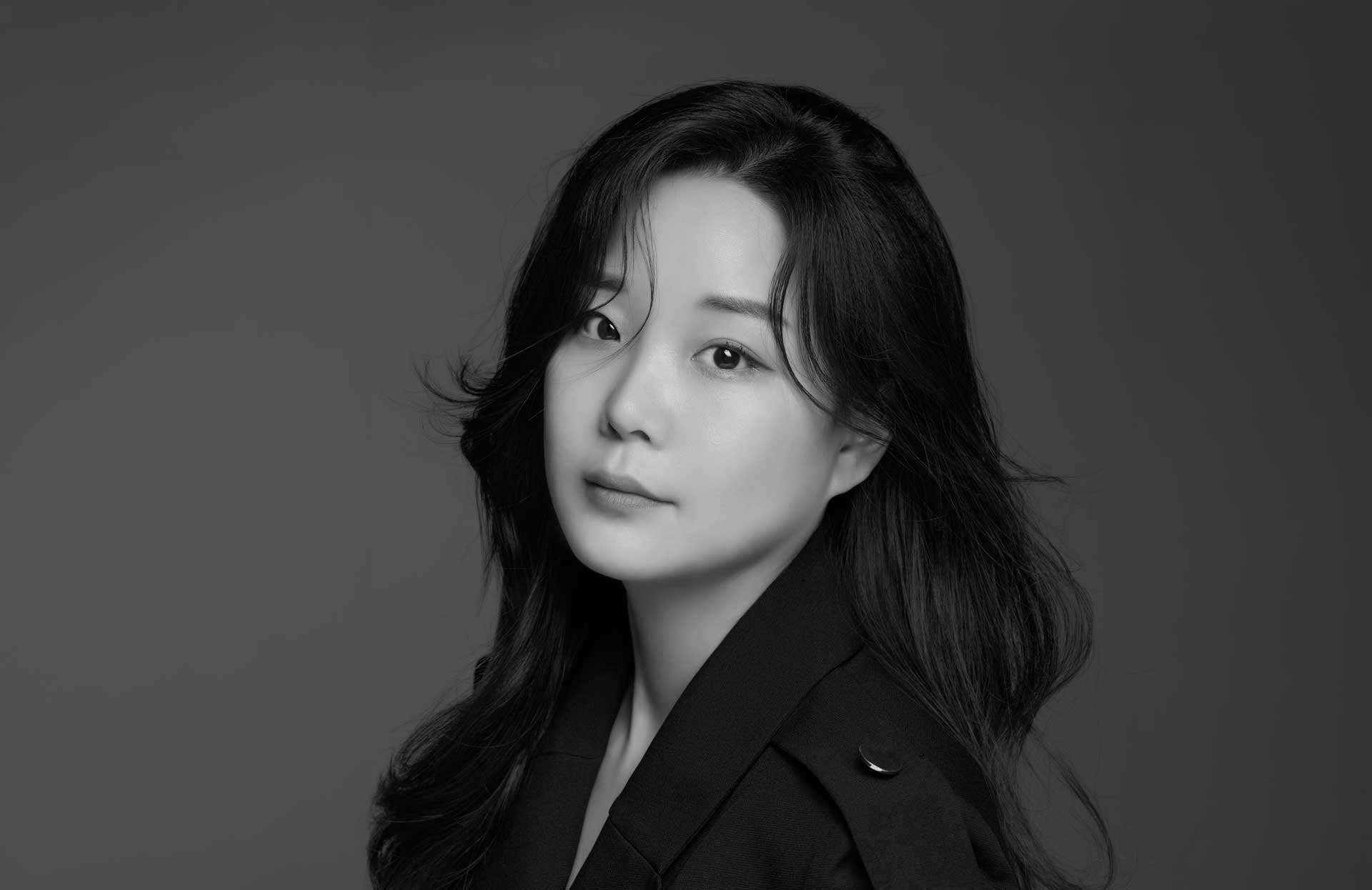
Songyi Han Founder / Design Director, flw8studio
“Spaces are no longer remembered solely through form. Only when the movement of the gaze, the response of the body, and the layering of light and material connect into a continuous flow does a space fully emerge as an experience. This interview traces a design practice centered on that very idea of ‘flow.’ Rather than creating isolated scenes, the work constructs a sensory structure through the connections between one moment and the next, revealing a direction toward which contemporary spatial design is increasingly moving. Within this perspective, Songyi Han reflects on how spaces are perceived and remembered, and how design can shape the invisible structures of experience.”
First, could you introduce flw8studio and your personal design journey? We would also appreciate it if you could share the direction your work has taken within the field of spatial design.
At flw8studio, rather than focusing solely on aesthetic standards or formal expression when designing spaces, we place greater importance on the natural movement and sensory experiences that emerge within them. In the early stages of our practice, there were times when we leaned heavily toward visually stimulating spatial design, without fully considering the “people” who would actually inhabit and use the space. However, through these experiences, we gradually came to realize that space is not simply something to be looked at, but something completed through the behaviors and perceptions of its users. As we moved through various projects, our perspective naturally expanded toward a deeper interest in human movement and lived experience within space.
Based on these reflections, our work today is less concerned with creating singular scenes or isolated forms, and more focused on designing spaces that are perceived and experienced as one continuous organic flow. In other words, beyond refining individual elements, the core of our design approach lies in constructing a continuous experience through the connections and transitions between one scene and the next.
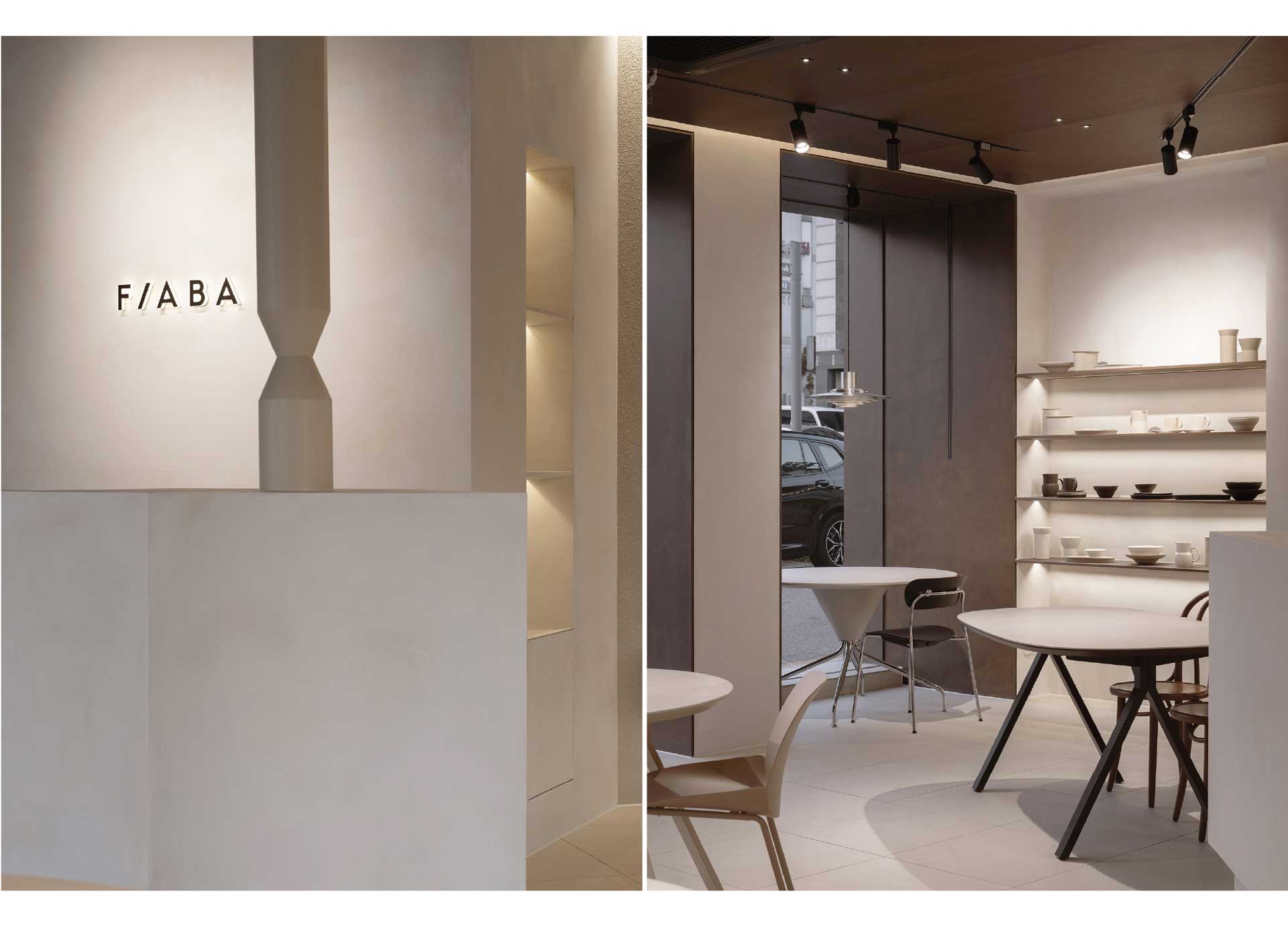
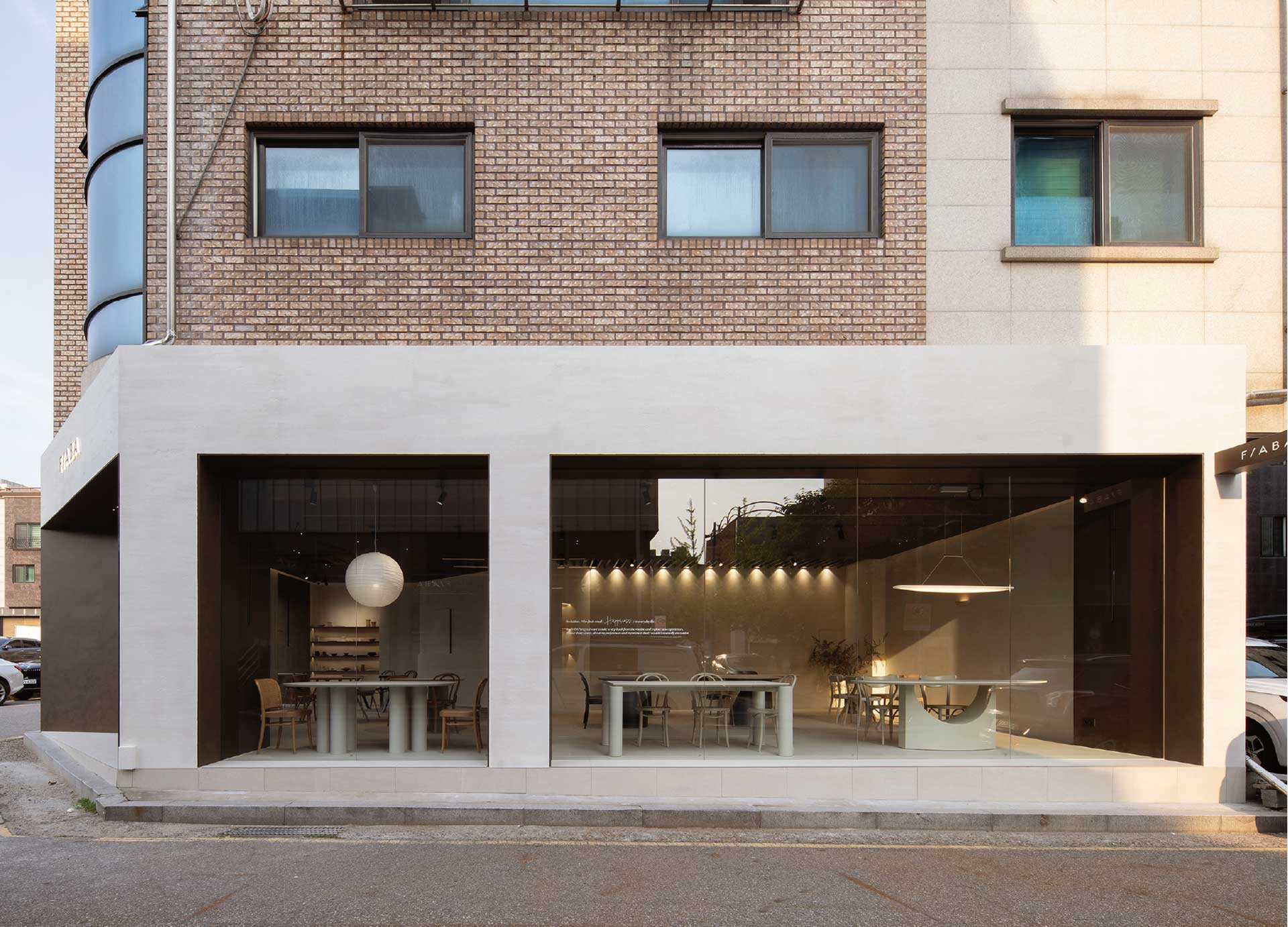
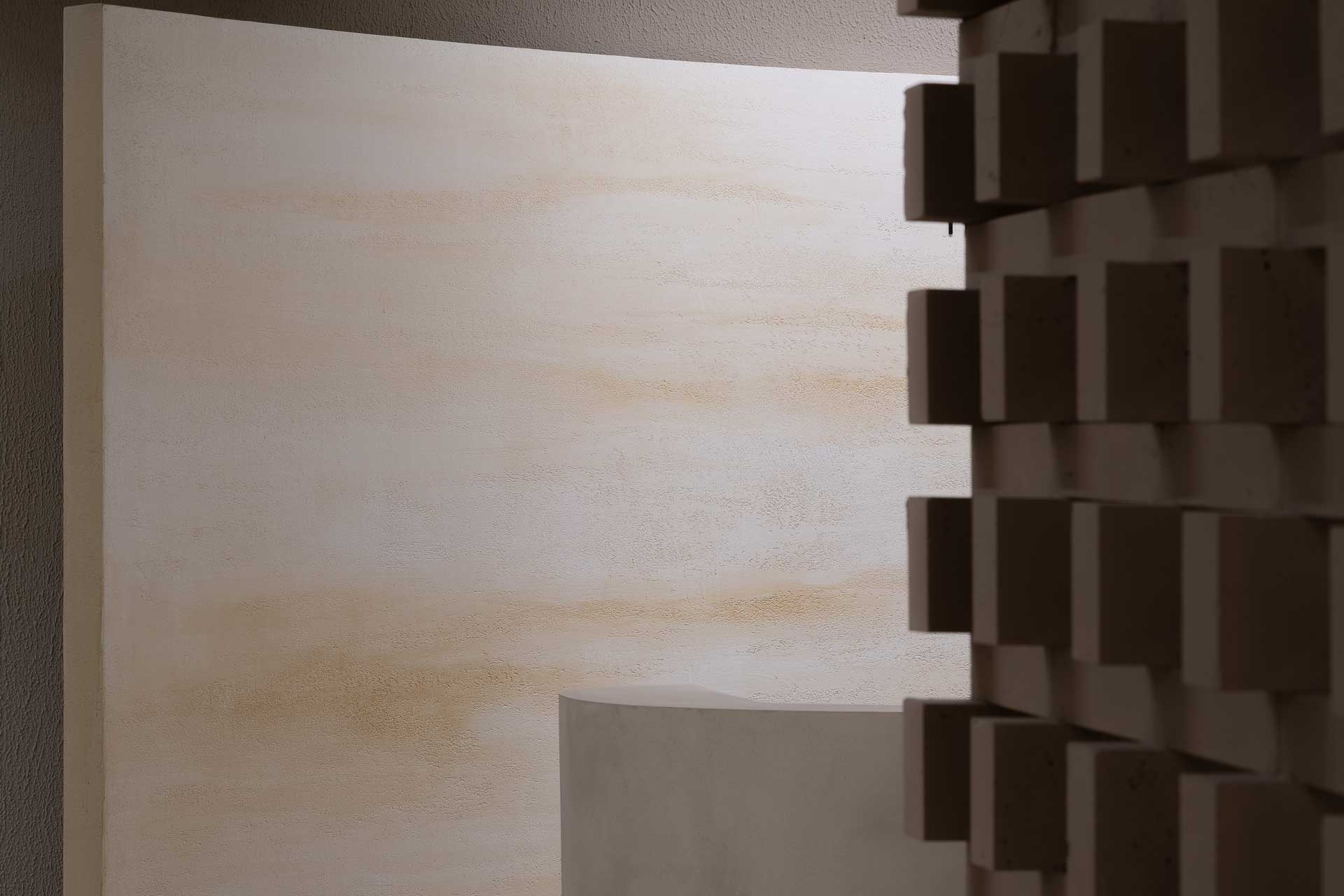
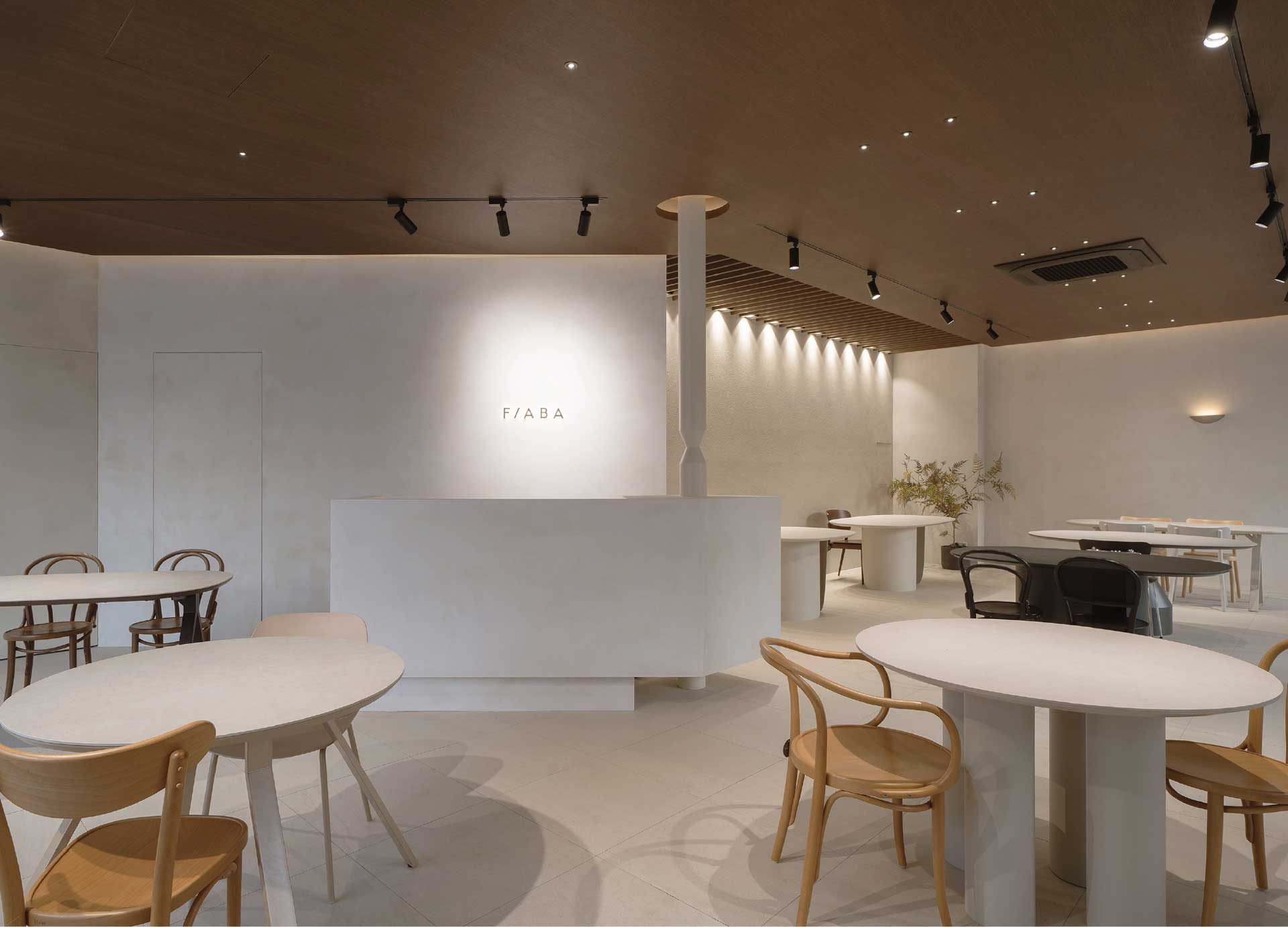
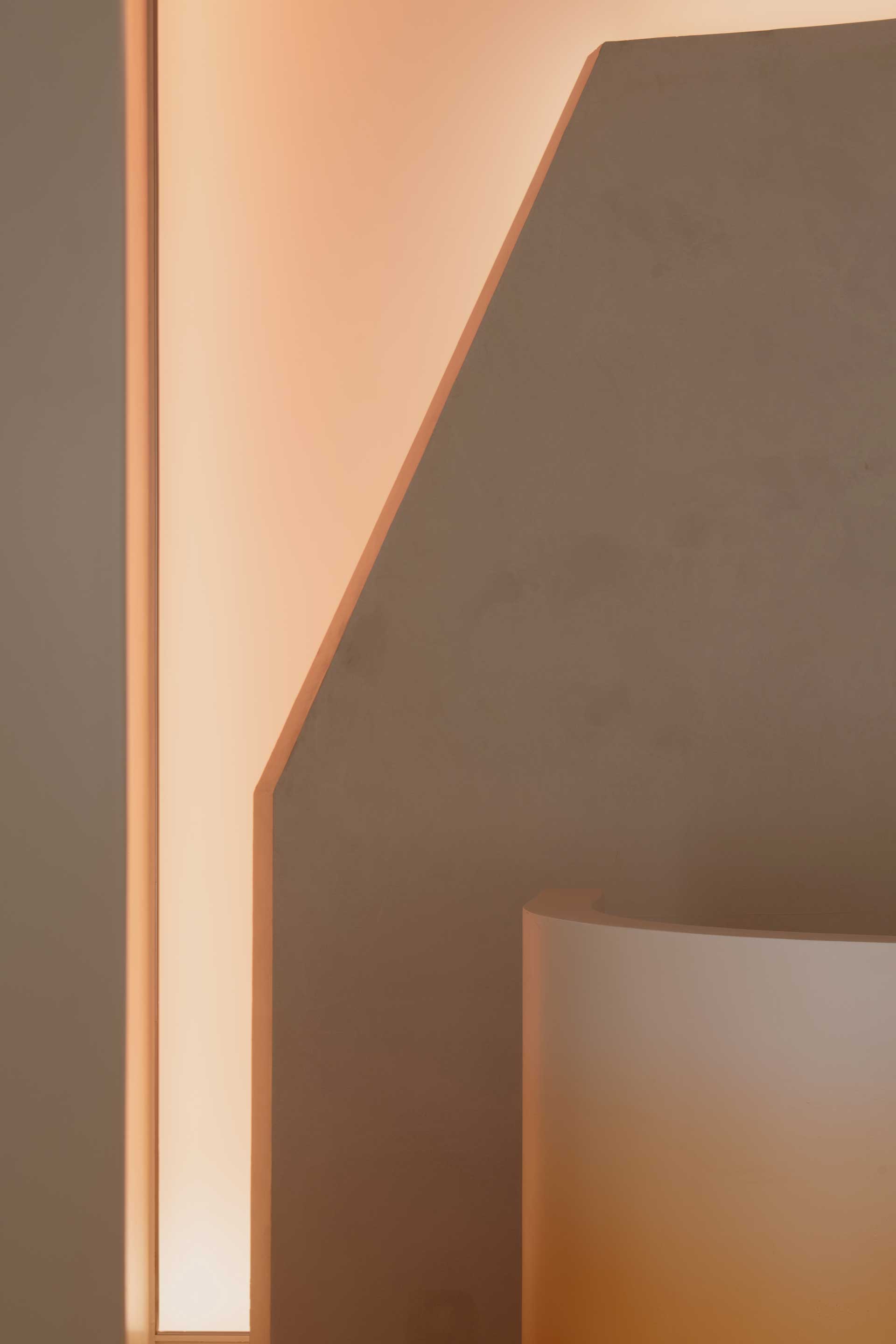
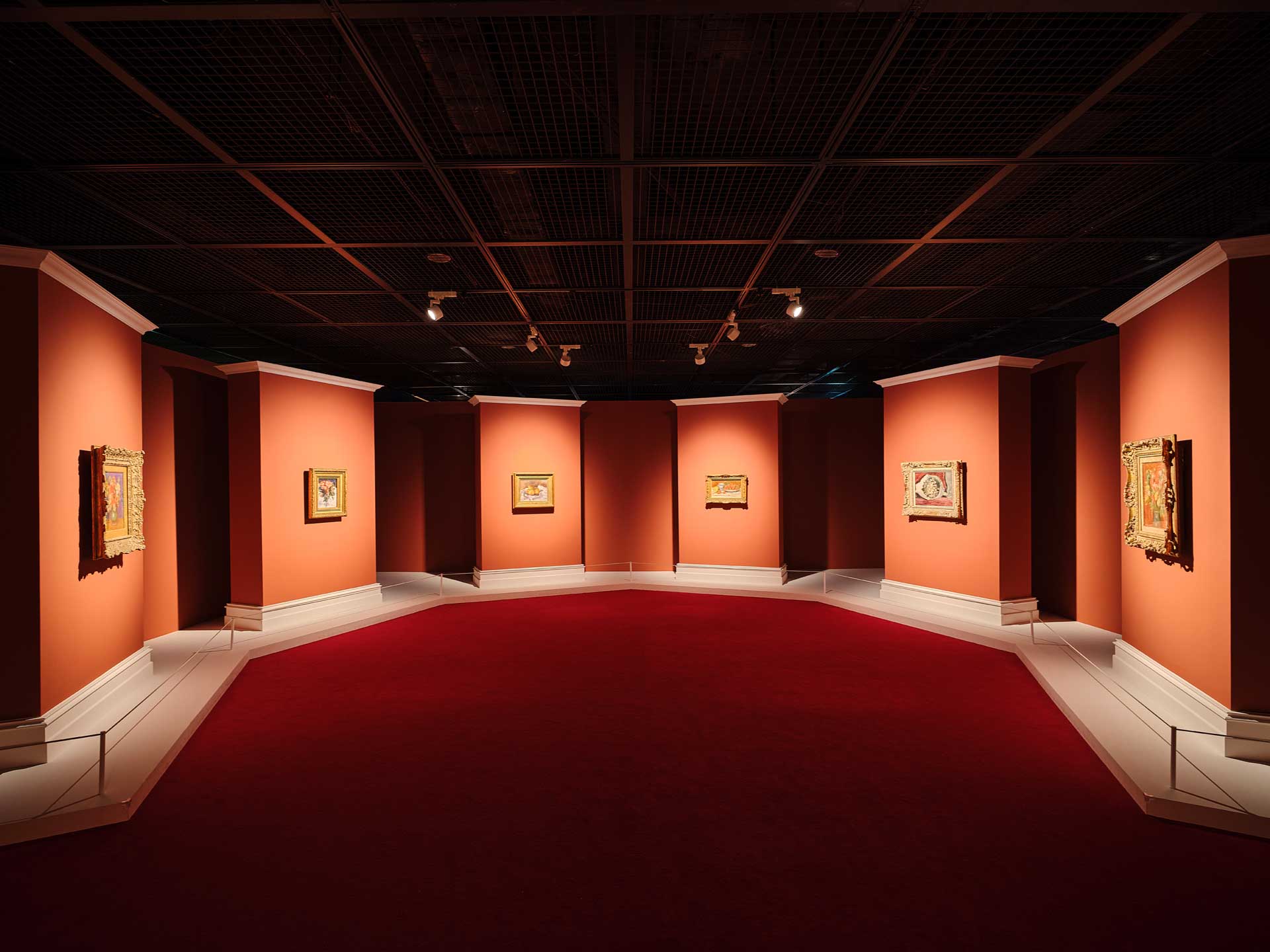
< FIABA NEST showroom, ASIA DEISNG PRIZE 2026 Gold Winner >
We understand that the name “FLW8” carries the meanings of both “Flow” and “Infinity.” Could you explain how this concept functions as a philosophy within your spatial design approach?
The “Flow” that flw8studio seeks to express refers to the way multiple elements, including user circulation, lines of sight, spatial masses, layers of light, and material textures, connect organically to create meaning and experience within a space. We believe that these elements are not complete as isolated components, but only truly realized when they form relationships with one another and operate within a shared context. This flow is not understood as a closed structure with a fixed beginning and end, but rather as something that repeats, expands, and leaves a lingering resonance. The experiences felt within the space continue to extend through people’s memories over time.
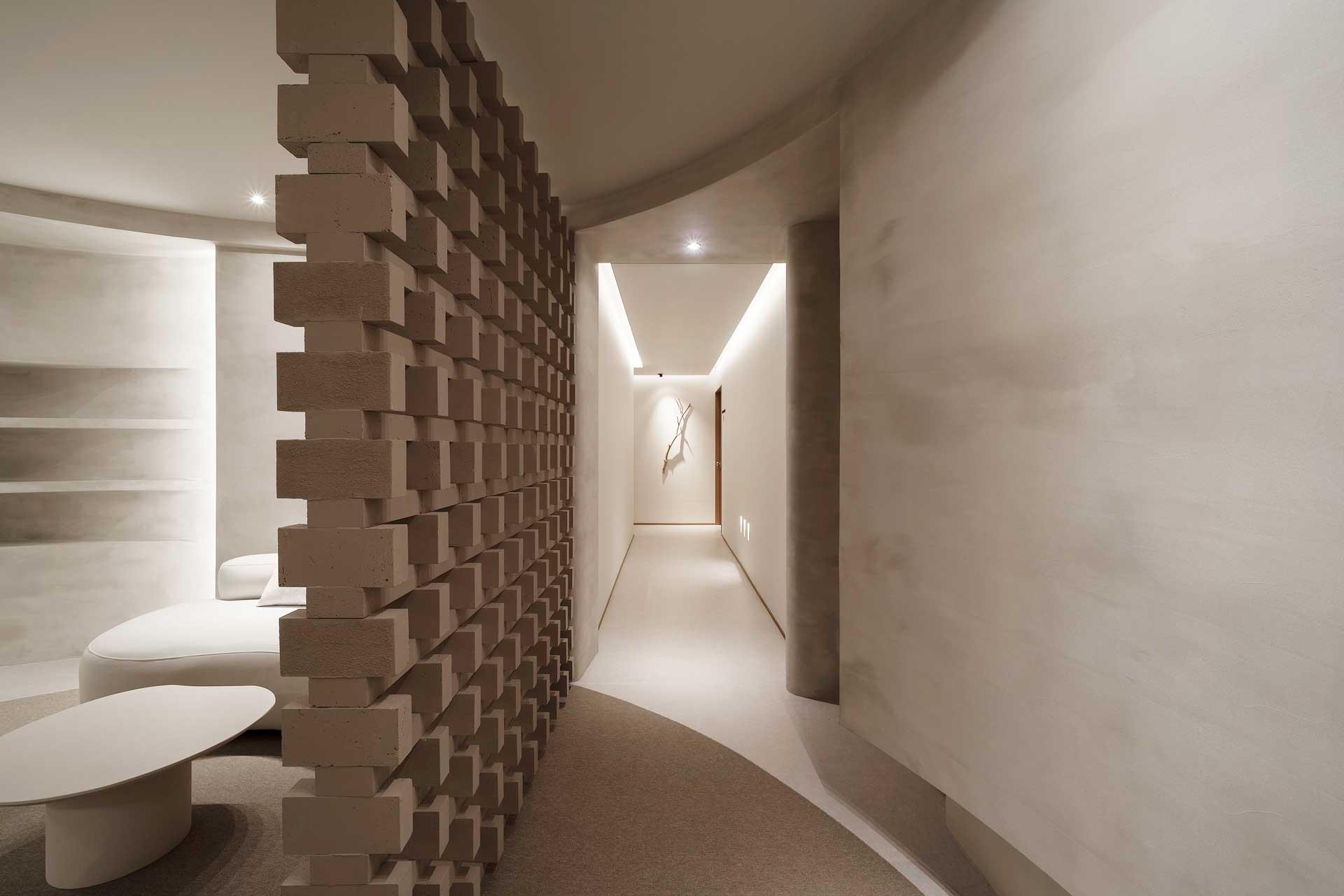
This perspective is directly reflected in our design methodology. Through the use of curved forms, connected spatial axes, the continuity of light, and naturally linked material textures, we design spaces so that they are perceived not as fragmented scenes, but as a single continuous flow. In this sense, the goal is not simply to create form, but to shape how space is recognized and experienced through movement and continuity. Ultimately, at flw8studio, “Flow” and “Infinity” are expressed through the integration of all elements into one continuous structure, allowing experiences to expand over time. In this process, space becomes not a fixed outcome, but an open structure that continues to evolve through perception, memory, and lived experience.
The concept of “flow” at flw8studio seems to extend beyond simple circulation. Could you elaborate on what you define as the “flow of space”?
The flow of space, as we understand it, goes beyond the physical movement created by structure or mass. It refers to the flow of perception and sensory experience that people encounter within a space. In other words, it is not only about the act of movement itself, but also about the accumulation of sensations and memories formed throughout that process. As people move through space, their gaze shifts, they perceive light, feel the texture of materials, and remember certain scenes. We believe that when these elements connect naturally within a single contextual sequence, a true sense of flow emerges within the space.
For this reason, when designing spaces, we focus less on isolated forms or singular scenes, and more on how each scene connects, transitions, and expands into the overall spatial experience. In particular, we see the continuity between scenes as essential in allowing users to perceive themselves not simply as people moving through a space, but as active participants experiencing it. When these flows connect organically and are perceived as one continuous context, the space ultimately functions as a complete experience. In the end, the “flow of space” is not defined by physical composition alone, but by the way it is completed within human perception. Designing this invisible structure is what we consider the most important part of our work.
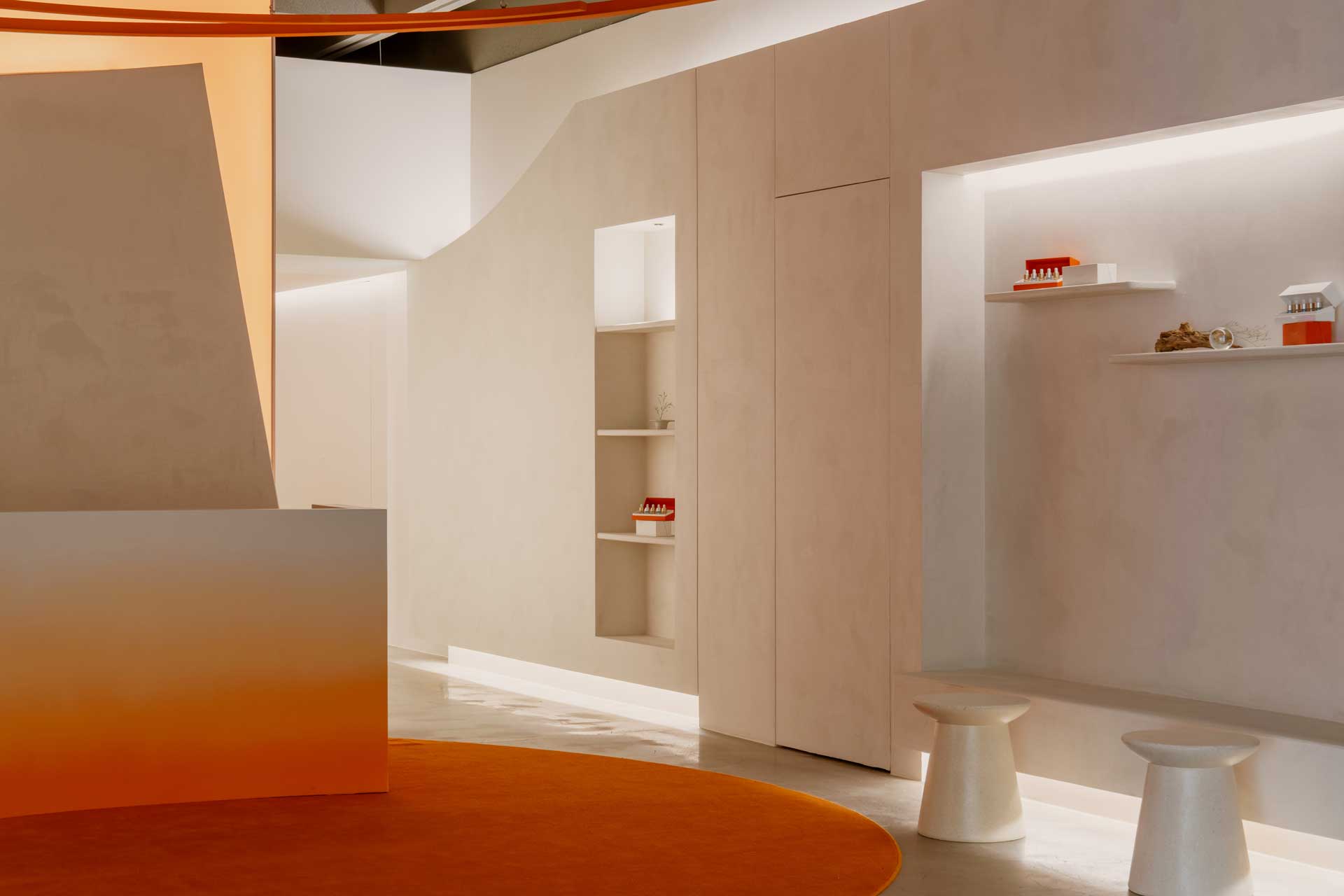
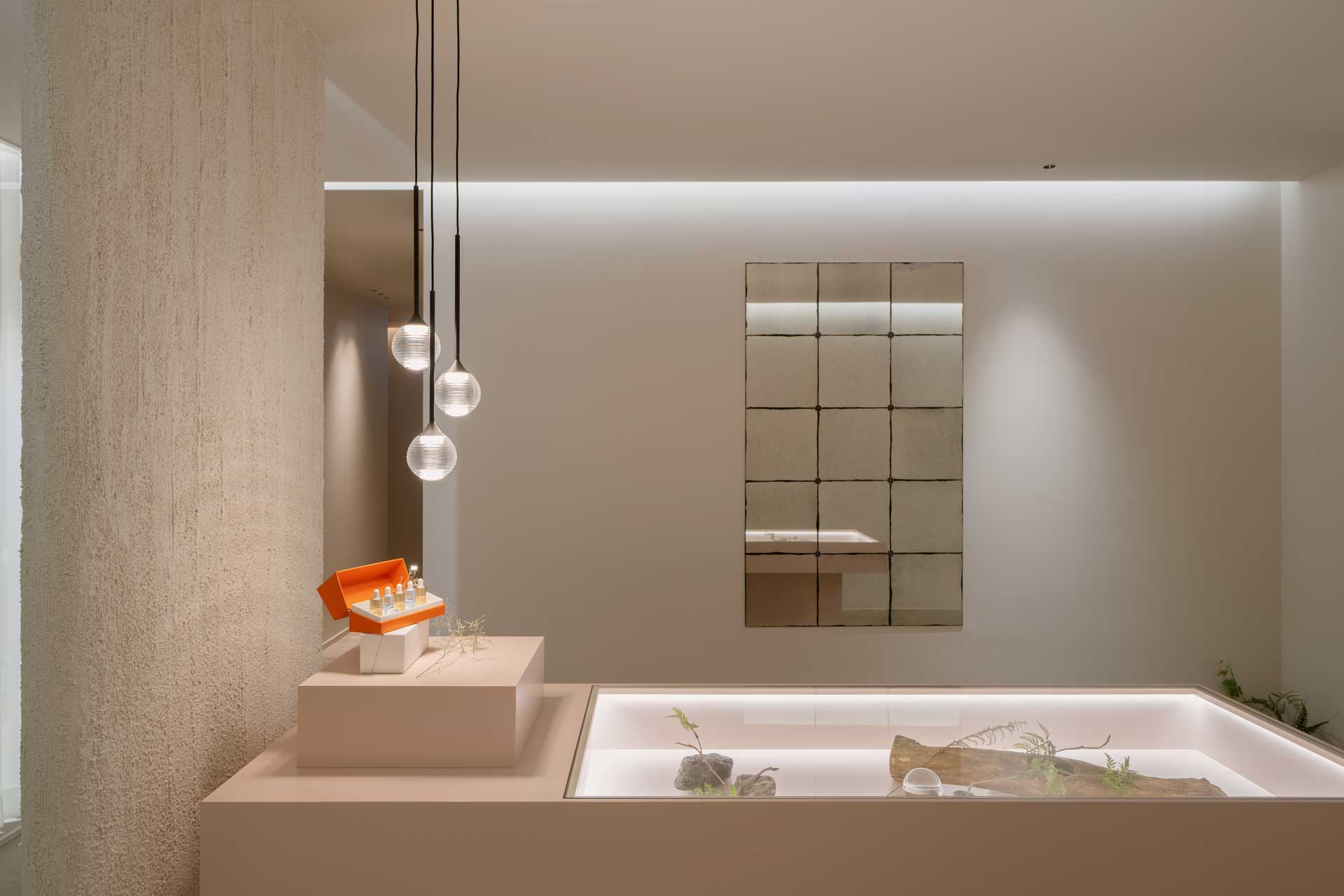
In your projects, elements such as mass, circulation, light, materials, and experience appear to be connected as one continuous flow. Could you explain the principles and structure through which these elements are integrated?
When beginning a project, we first establish a core conceptual structure. This structure may originate from different starting points depending on the nature and context of the project, such as the spatial concept, a brand’s primary color, or a key material finish. It becomes the framework that determines how various elements within the space should relate to and operate with one another. In other words, before designing individual elements, we first define a unified logic that runs throughout the entire project. From there, rather than treating each element independently, we focus on the ways they connect and transition into one another. We examine how the form and axes of the mass connect to circulation, how the flow of light emphasizes and expands space, and how material transitions create rhythm within the environment. The key consideration in this process is not the perfection of individual elements, but how naturally the relationships between them are sustained.
Finally, we review how these elements are actually perceived within the user experience. We observe whether the movement of the gaze feels natural while moving through the space, whether transitions between scenes unfold organically from the user’s perspective, and whether the overall environment is recognized as one continuous experience. In this sense, the final stage of design is not about completing a form, but about verifying whether the space functions as a coherent flow within human perception. At flw8studio, we design spaces by integrating relationships and flows within a single conceptual structure. Through this approach, we aim for spaces to be perceived not as collections of separate elements, but as one unified and continuous experience.
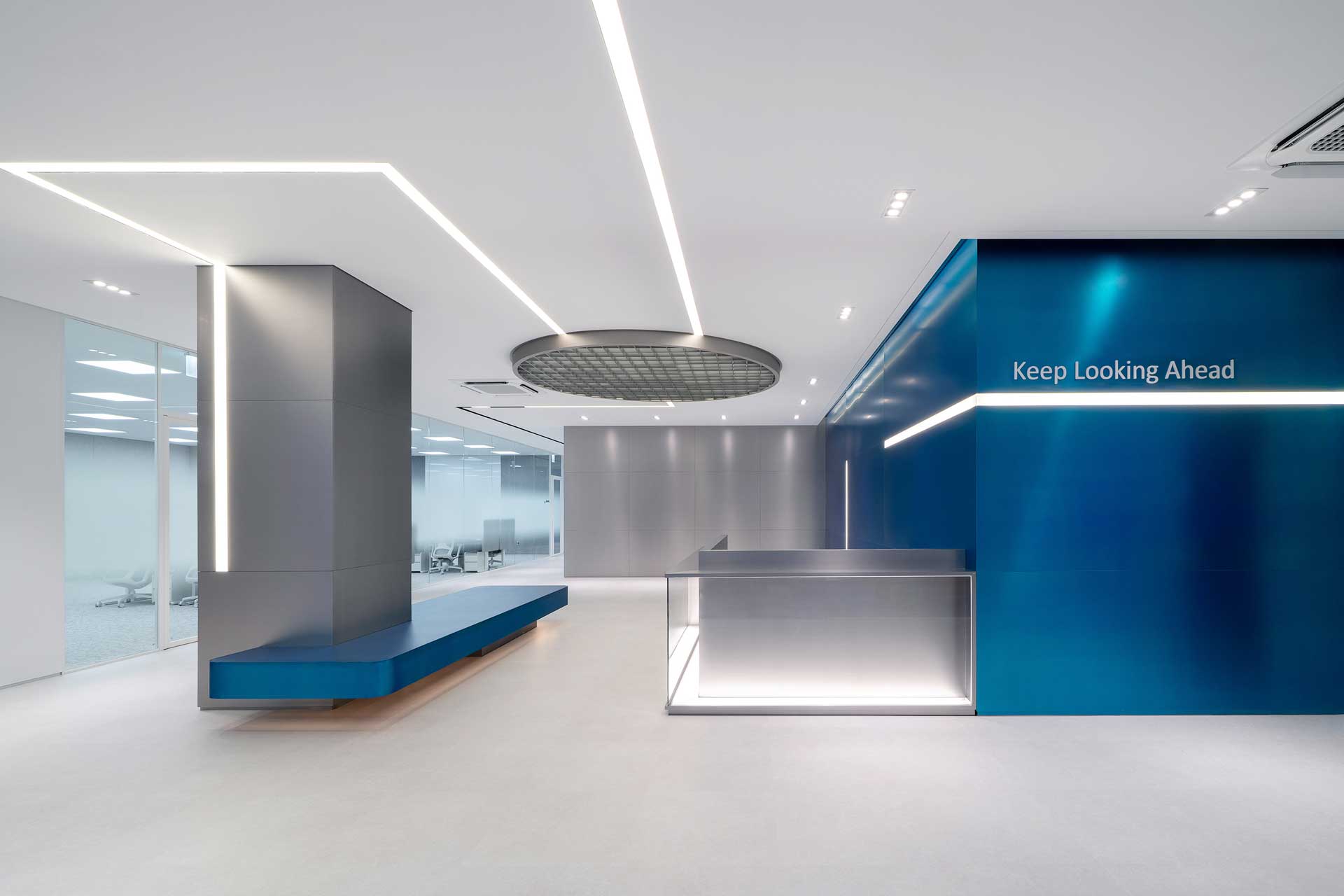
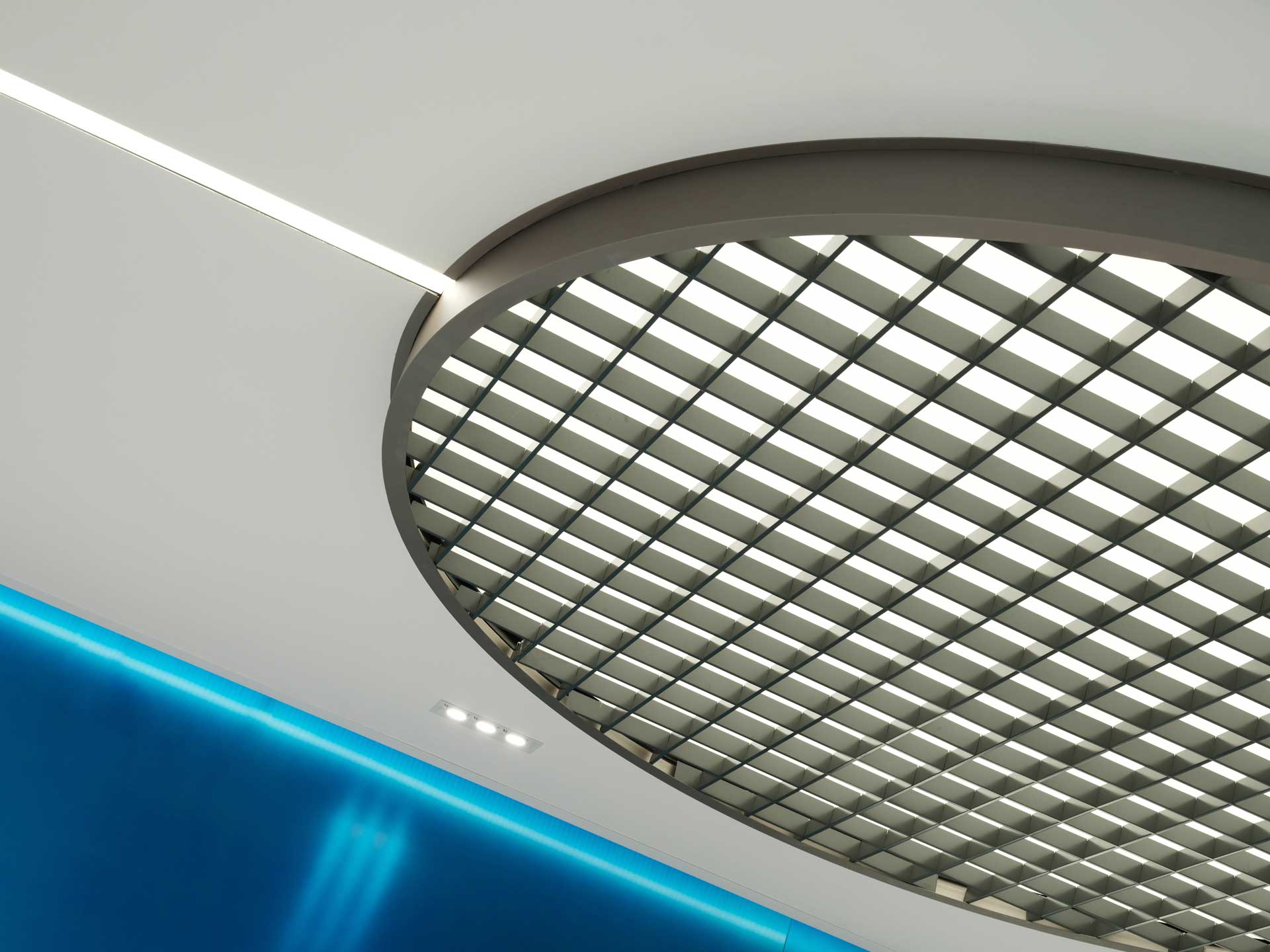
The concept of “layering” also appears to be an important keyword in your work. Could you explain how materials, light, and structure overlap to create spatial depth?
At flw8studio, “layering” is not simply about stacking elements together, but about creating spatial depth through the relationships formed between materials, light, and structure. Beyond visual overlap, it is a process of designing layers of perception that users gradually experience as they move through space. Rather than exposing each element independently, we focus on composing them so that they naturally overlap and are perceived through shifting lines of sight and movement. Within this process, light reveals layers through contrast and shadow, materials generate rhythm, and structure forms the overall sense of depth. We are particularly interested in designing these elements so that they are not recognized all at once, but instead perceived gradually over time. This allows the space to unfold step by step, rather than being immediately understood in a single glance.
Ultimately, the layering we pursue is a method in which different elements naturally overlap to create new sequences, expanding space into a more dimensional and immersive experience. Through this structure of overlap, space moves beyond flat visual perception and transforms into an experience with depth, atmosphere, and lingering resonance.
The flow experienced by users within a space seems closely connected to emotion as well. What kinds of emotions or experiences do you hope users will feel within the spaces designed by flw8studio?
In our spaces, we hope that users will naturally follow the intended flow of the environment through their gaze and bodily movement, even without consciously realizing it. Rather than requiring users to “interpret” a space, we believe it is important to create a condition in which they instinctively move along with it. Through this process, users experience the space not as isolated scenes, but as part of a continuous flow, allowing them to feel a sense of ease and stability within the experience. We value spaces that are not explicitly explained, but instead understood intuitively through direct perception and personal experience. Within this flow, we also hope that the concept of the space or the story of the brand is communicated naturally. Rather than delivering information directly, we aim to create environments that are recognized through experience itself.
As scenes connect and transition into one another, we believe users come to “feel” the space rather than simply “understand” it. The emotions created in these moments are not intense or overstated, but closer to a quiet sensation that lingers gently over time. Ultimately, the spaces of flw8studio are intended to place users naturally within a flow where they can experience comfort, immersion, and a subtle lasting resonance. This reflects our belief that space should remain not as a temporary impression, but as an experience that continues within memory.
In recent spatial design, elements such as experience, sustainability, and brand identity are increasingly considered together. Within this context, what do you believe is flw8studio’s distinctive approach?
In contemporary spatial design, various elements such as experience, sustainability, and brand identity are often considered simultaneously. However, rather than approaching these as separate categories, we believe it is important to integrate them into one continuous spatial and experiential flow. In other words, instead of adding elements in parallel, we focus on creating structures in which they operate naturally within a unified framework. At flw8studio, each project begins with establishing a clear conceptual standard based on the values and context of the brand. From there, we design how the space should be experienced as a whole. We see experience not as something artificially staged, but as a natural result emerging from the structural flow of the space itself. Rather than directing users toward predetermined experiences, we aim to create environments where experiences arise organically through spatial composition.
We approach brand identity in a similar way. Instead of communicating it directly through overt visual devices, we structure it so that users gradually recognize and feel it as they move through the space. The identity of the brand becomes embedded within the process of experiencing the environment itself. We believe our distinction lies not in adding more elements, but in organizing diverse factors into one coherent experience through a unified flow and conceptual framework. Through this integrated approach, space becomes a complete experience that simultaneously embodies both function and meaning.
Finally, could you share the direction flw8studio hopes to pursue in the future, and the long term design values you aim to build through your work?
Moving forward, flw8studio intends to continue designing spaces through the underlying structures and flows that define each project, rather than focusing solely on visual form. This approach places greater importance on how space is perceived and experienced, rather than simply on the visible result itself. Even within different contexts and project conditions, we aim to create spaces that are recognized as coherent experiences and remembered naturally over time. In the long term, rather than establishing a fixed visual style, we hope to build a distinct perspective for understanding space through flw8studio’s own philosophy, design process, and spatial language. In other words, we want our identity to be recognized not through formal characteristics alone, but through our way of thinking and designing.
Ultimately, the value we pursue lies in creating spaces that remain within human perception and experience. Through sensations and memories that continue to linger over time, we hope space can exist not merely as a physical object, but as an enduring experience.













#14057, 905 49, Beolmal-ro 102beon-gil,
Dongan-gu, Anyang-si, Gyeonggi-do, Korea
Business Registration Number: 454-86-01044
Online Sales License No.: 2021-Anyang Dongan-1081
Copyright © DESIGNSORI Co., Ltd.