
Teruaki Ishimoto Founder / Principal Architect, CURIOUS DESIGN WORKERS Inc.
“Space is not merely a visible form, but a layered sensation generated by the time and air accumulated in a place. The practice of blurring the boundaries between nature and the artificial, past and future, architecture and interior — and drawing upon the subtle tensions and curiosities born between them as a spatial language — offers another attitude that contemporary design is coming to embrace. This interview traces the story of CURIOUS DESIGN WORKERS, a practice that has taken ‘好奇心 (CURIOUS)’ as both the starting point and the destination of design, editing the textures of the earth, contemporary technology, and human emotion together within a single atmosphere. Principal architect Teruaki Ishimoto, through his self-imposed criterion of ‘Less than Art, More than Design,’ presents a vantage point in which constraint is transformed into creativity, and the future time-axis is anticipated in the very act of shaping space.”
To begin, could you introduce CURIOUS DESIGN WORKERS and your design journey? We would also appreciate it if you could share the direction your work has taken, particularly in architecture and spatial design.
The origin of our design lies not in the shaping of visible form, but in how we reinterpret the time and atmosphere accumulated within a place into a contemporary spatial experience. My academic background was in geospheric environment, a field that studies the formation of the earth and its strata. Within the textures of land that have formed over tens of thousands of years, and within the intricate patterns shaped by nature, there exists a profound sense of beauty and strength that surpasses human intention.
To translate this dynamism of nature into the act of architecture, while simultaneously integrating elements that are entirely artificial, is central to my approach. I am interested in the atmosphere that emerges from the tension between these two conditions, and in how that atmosphere can stimulate curiosity and move the emotions of those who experience the space. This perspective forms the foundation of CURIOUS DESIGN WORKERS.
Architecture and interior are often treated as separate disciplines, yet for me, this boundary does not exist. By considering architecture as part of a larger environmental layer, and interior as the life that unfolds within it, I seek to create an atmosphere that is unique to each place and each client. Rather than simply constructing a visually appealing object, my work focuses on reinterpreting natural environments as a source of design, and on creating spaces that engage all five senses. Through this process, I aim to contribute to the evolution of spatial design, not only within Japan but across Asia, where the relationship between nature and design continues to offer new possibilities.
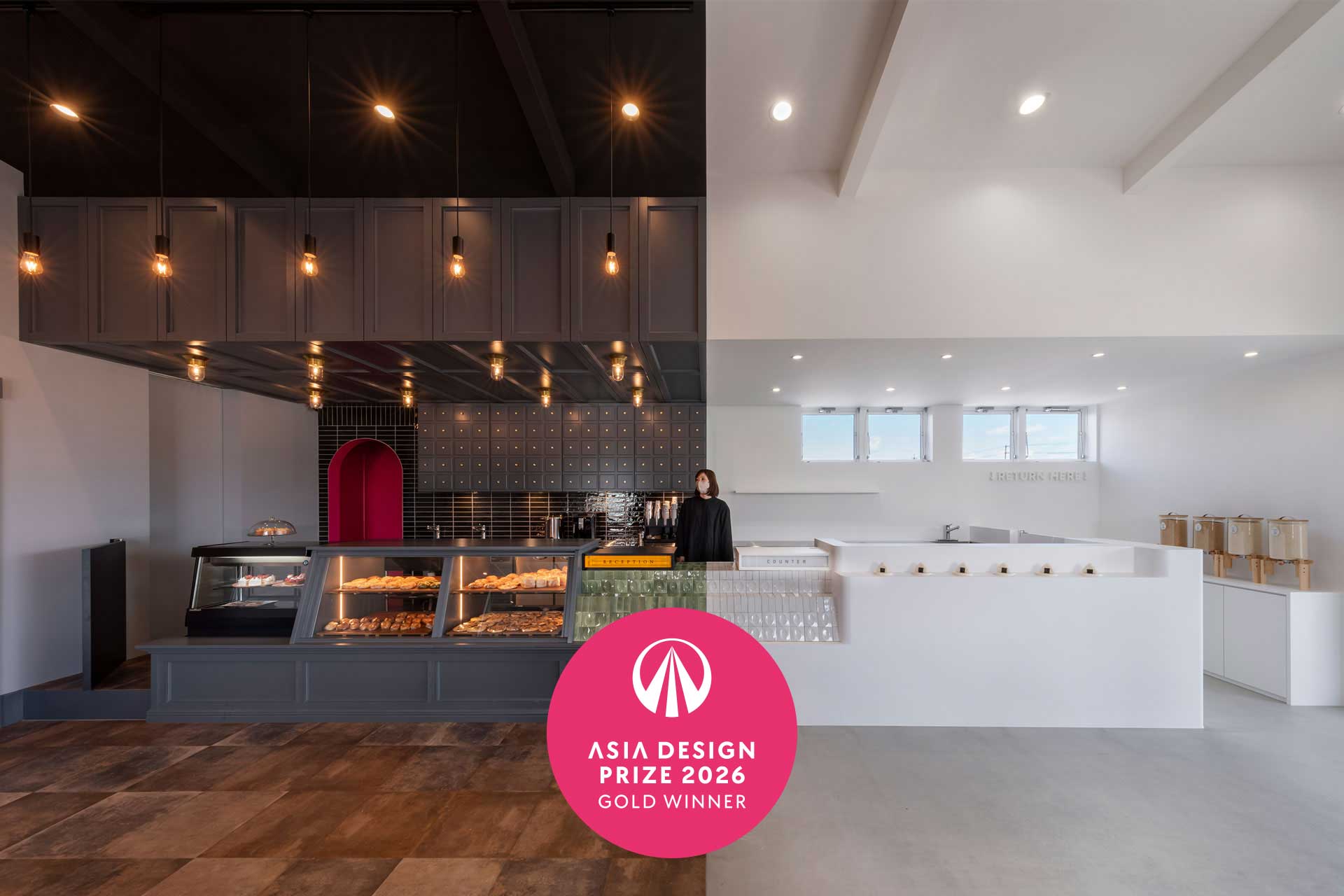
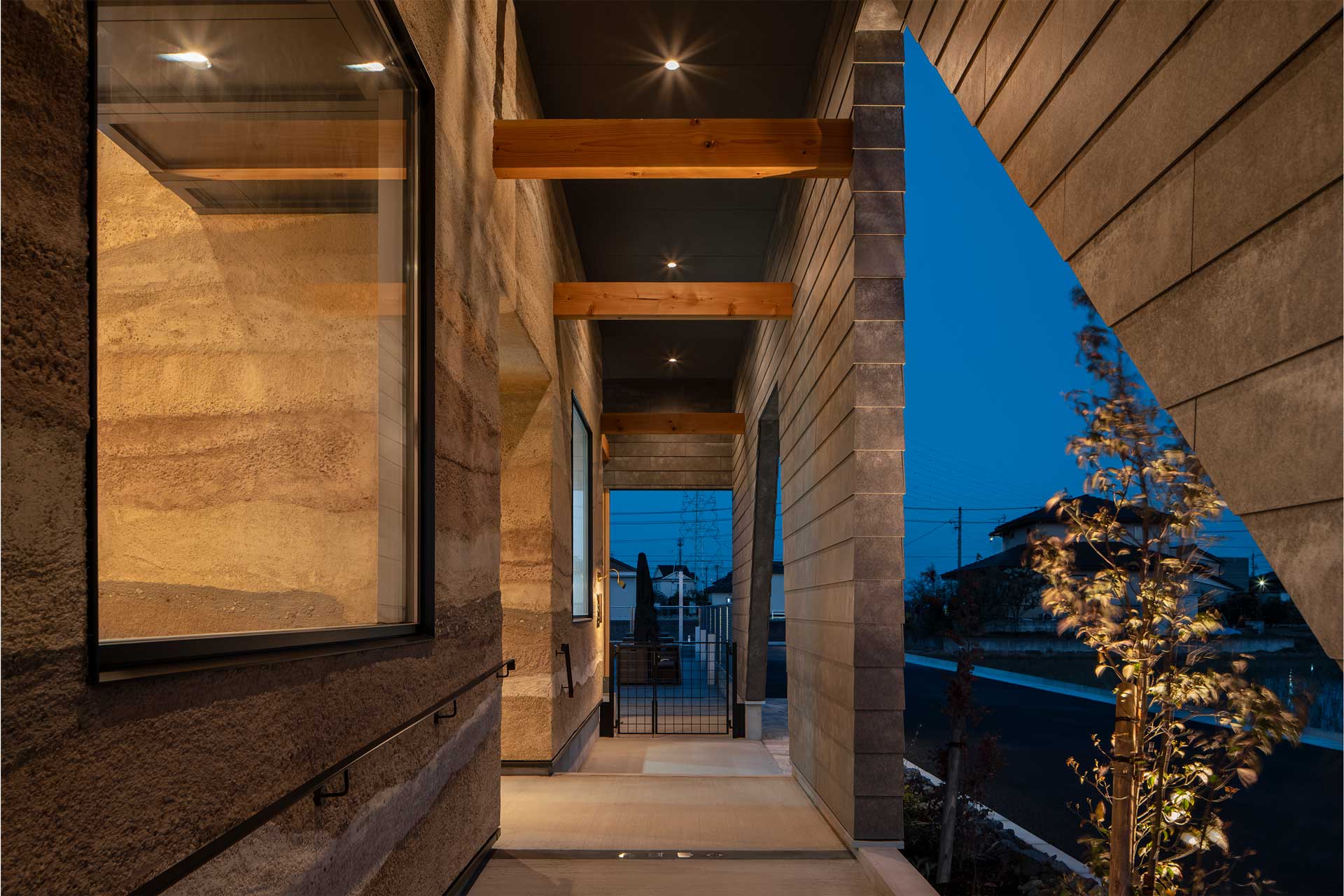
< EWALU, ASIA DESIGN PRIZE 2026 Gold Winner >
What is the core philosophy that guides your spatial design practice? In particular, how is the mindset behind the name ‘curious’ reflected in your actual projects?
Our philosophy is grounded not only in constructing physical space, but in shaping the atmosphere that exists within it. We seek to interpret the unique character of individuals and the inherent context of each place in a positive way, and to give form to something that is essentially invisible. Rather than functioning simply as a design office, we aim to act as a catalyst that draws out and amplifies the latent curiosity of our clients. This approach is consistently reflected across all of our projects, regardless of their program.
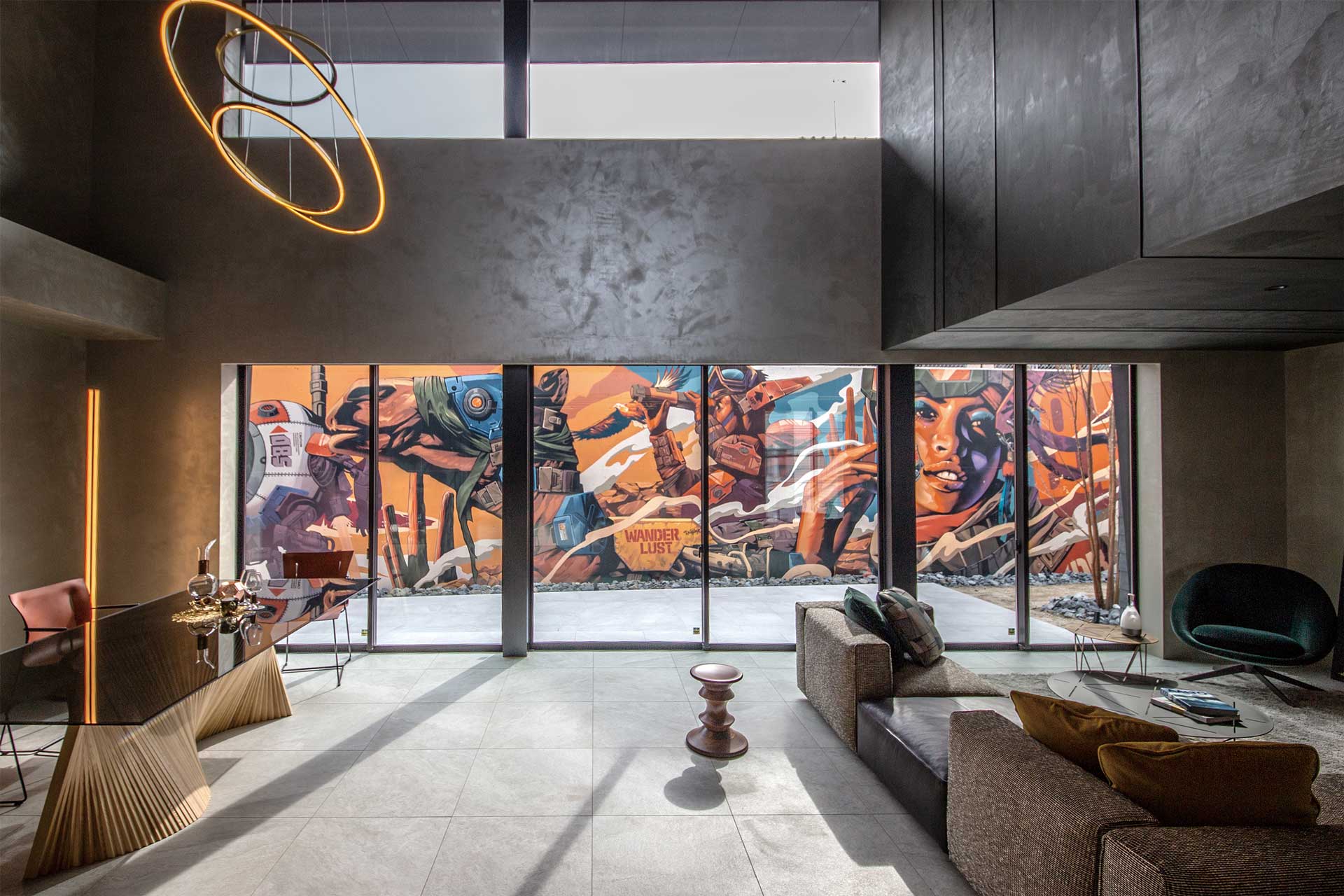
For example, ARTBOX, which received the Grand Prize at Asia Design Prize 2024, began from what could be considered a disadvantageous condition, with limited sunlight and a stark retaining wall positioned directly in front of the space. Instead of concealing this condition, we transformed the wall into a large scale mural, creating an artificial landscape. A window that might normally be kept closed becomes one that people want to open, allowing a sense of openness similar to that of a villa within a dense urban environment. Rather than simply relying on nature, we sought to redefine a new form of nature through artificial means, encouraging a sense of curiosity in everyday life.
EWARU, which received the Gold Prize at Asia Design Prize 2026, explores the future of agriculture. It is not simply a space for selling products, but a project that reflects the realities faced by the agricultural industry. The challenges surrounding succession and the abandonment of farmland are translated into the spatial language of the architecture. By embodying the energy of a client who manages production, processing, and sales as a continuous system, the project creates an opportunity for visitors to engage with the significance of agriculture and develop their own sense of curiosity. Starting from curiosity, and extending that curiosity through design into society, this ongoing cycle defines the essence of the work undertaken by our practice.
When starting a project, what is the first aspect you focus on? Could you explain how you define and develop the concept and structure throughout the design process?
At the earliest stage of a project, what we focus on most is uncovering the latent consciousness that even the client may not yet be aware of, and extending that insight toward a future oriented sense of curiosity. I believe it is not sufficient to respond only to present needs. A person’s preferences and sensibilities evolve over time, shaped by changes in life stage and social context. Even if something does not hold immediate interest, it is often possible to anticipate the emergence of new forms of curiosity that will naturally resonate with them in the future. These seeds of curiosity are something we intentionally embed into the space from the beginning. A representative example of this approach can be seen in the project ARTBOX. At the initial stage, the client did not necessarily have a strong interest in art. However, by considering their future lifestyle and evolving context, we believed that engagement with art would eventually become meaningful.
As a result, we collaborated with an internationally active artist to integrate a large scale mural directly into the architectural structure. This was not treated as decoration, but as a fundamental spatial experience. It contributed to the long term value of the residence while also allowing the client to encounter art in a deeply personal way. In a sense, the architecture itself became the first artwork they would come to own. In this way, our concept development does not begin with identifying an optimal solution for the present, but with constructing a long term framework of curiosity. The goal is to create a space that, even years or decades later, allows the user to feel that it has opened the door to new ways of seeing and experiencing the world.
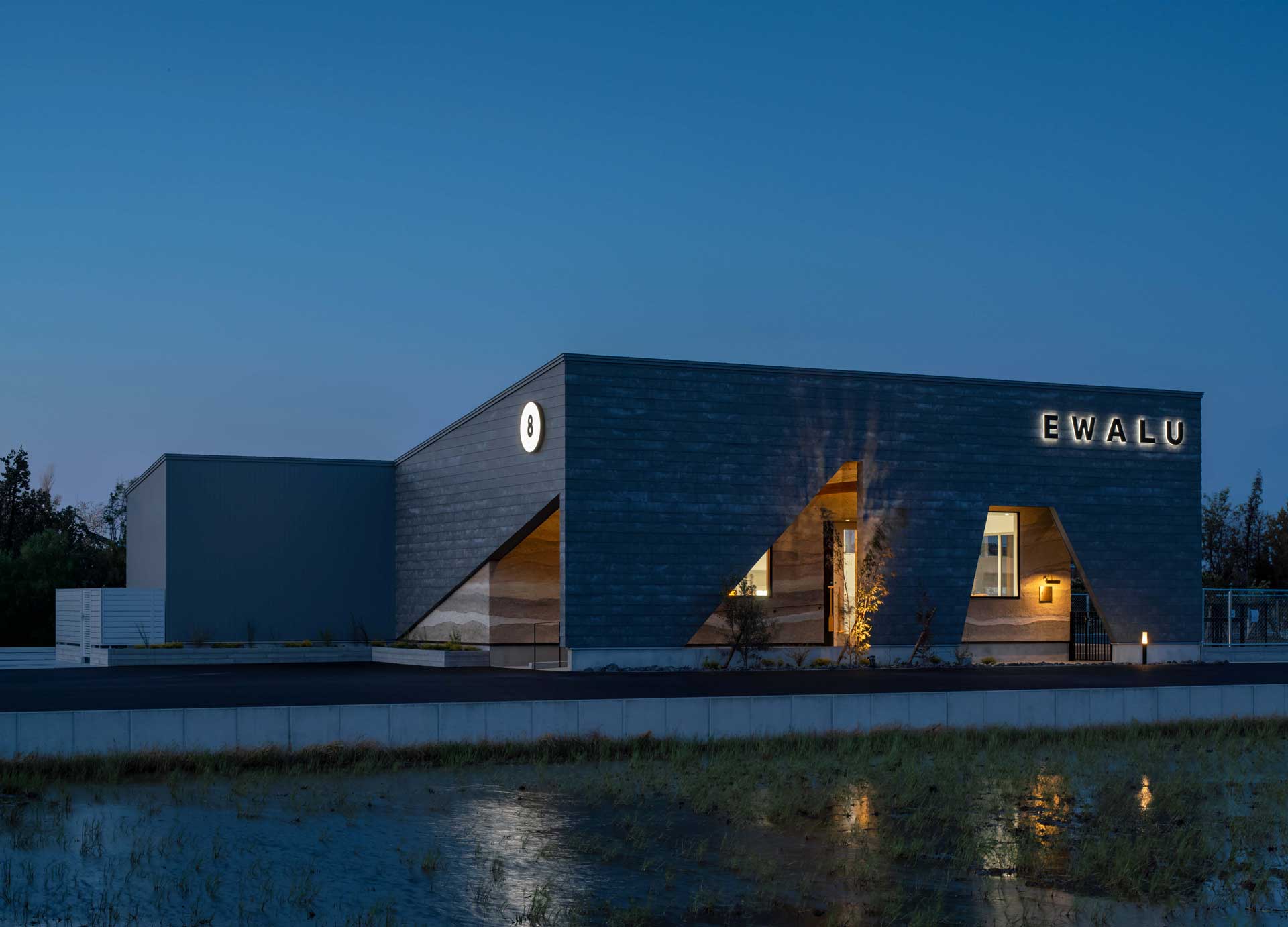
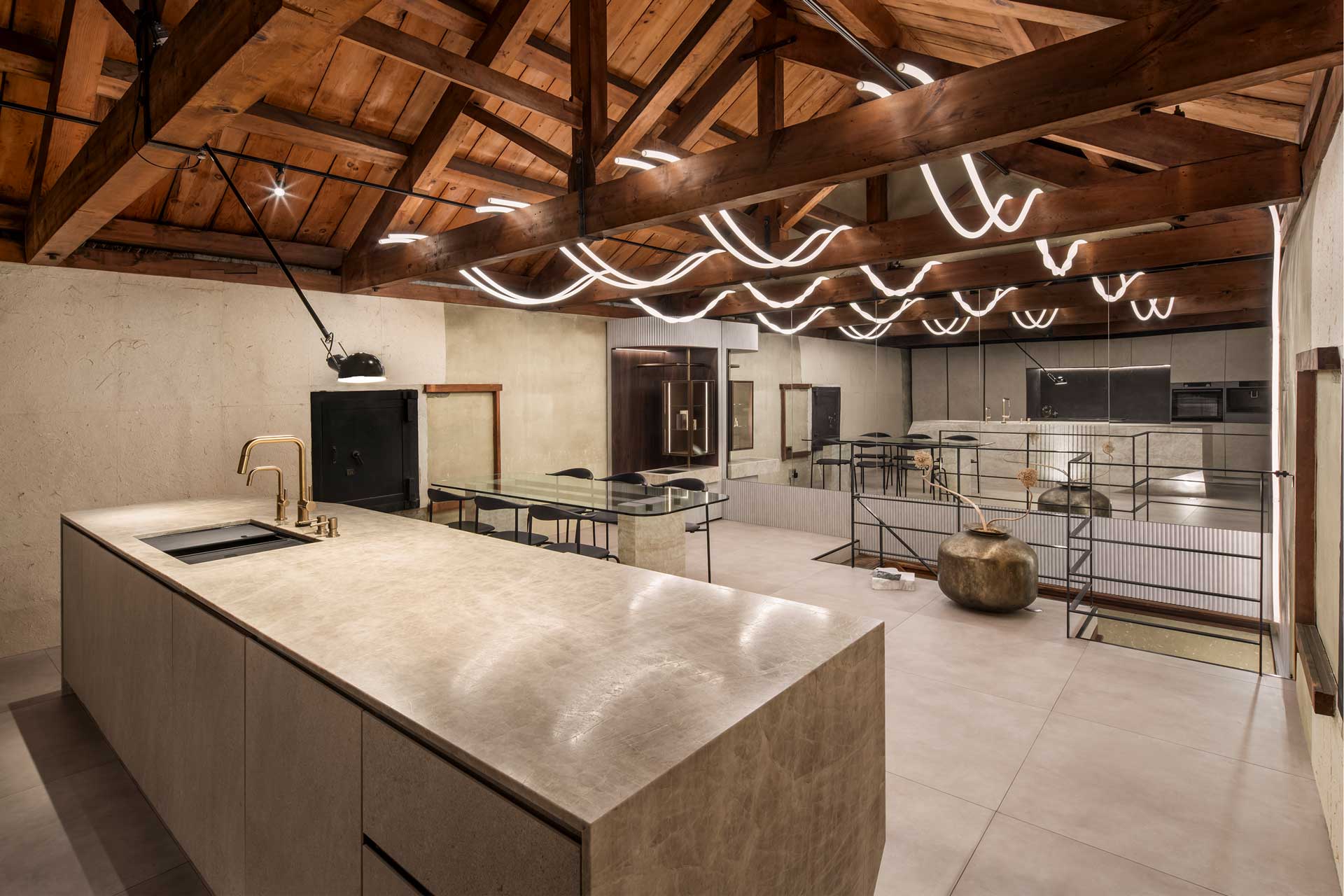
The awarded projects, EWARU and lightwave, explore different themes such as agriculture and time. Could you elaborate on the background that led to each design, and the core concept behind them?
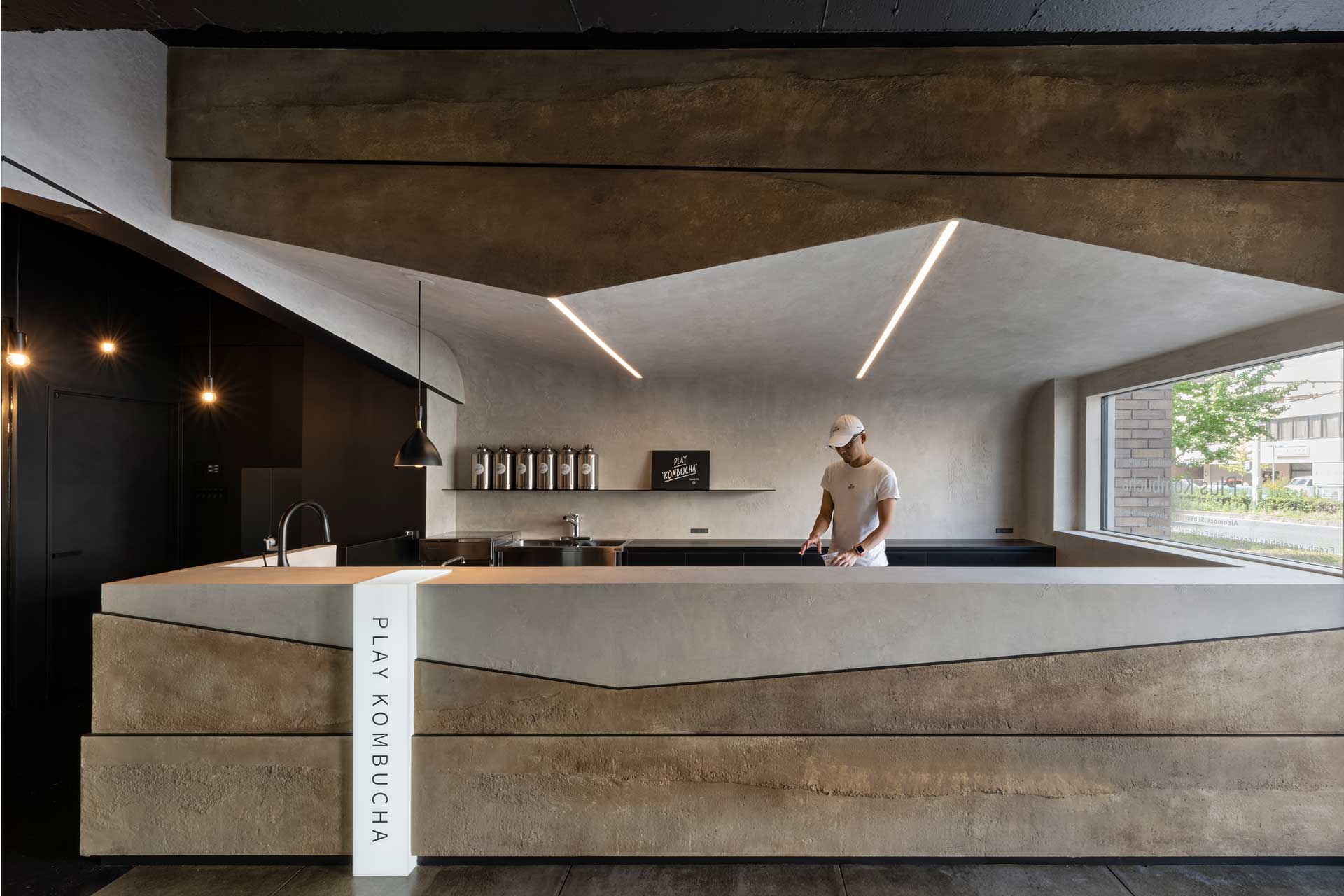
These two projects address different subjects, yet they share a common philosophy, which is to redefine existing values and connect them toward the future. EWARU was conceived as a flagship of what is known as the sixth order industry, where an agricultural corporation manages production, processing, and sales as one continuous flow. What I considered most important was not simply creating a place that offers high quality products, but rather finding a way to visualize the diminishing awareness of agriculture in contemporary society. At the core of the design is a strong commitment to local production and circulation. Just as agricultural byproducts are reused within the farming cycle, we chose not to discard the surplus soil generated during construction, but instead reintroduced it as a primary interior material. Through this approach, materials that would typically be treated as waste are given new meaning, becoming an essential part of the spatial identity. The space itself becomes part of the agricultural cycle, allowing visitors to intuitively understand the value of the land and the significance of agriculture through their experience.
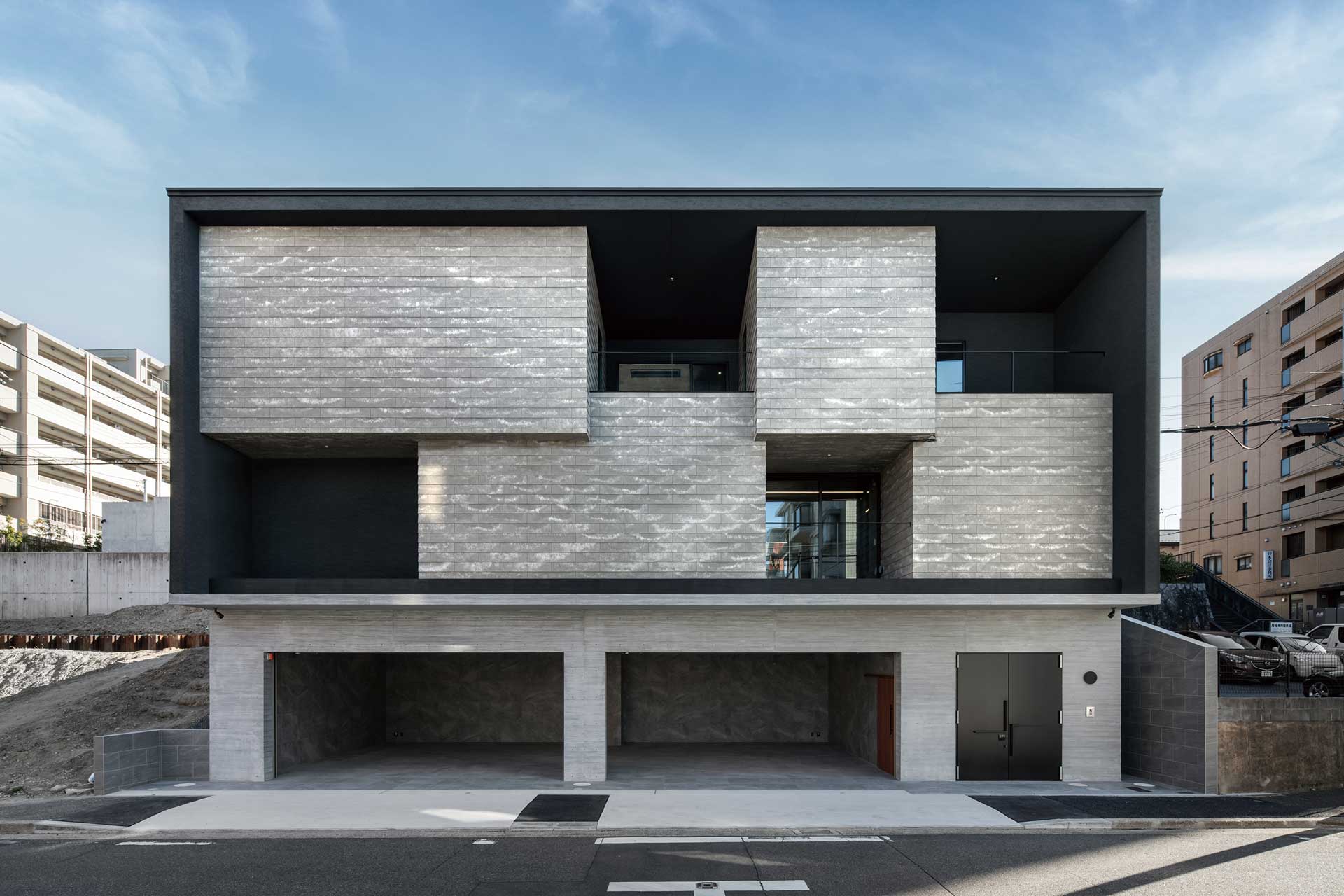
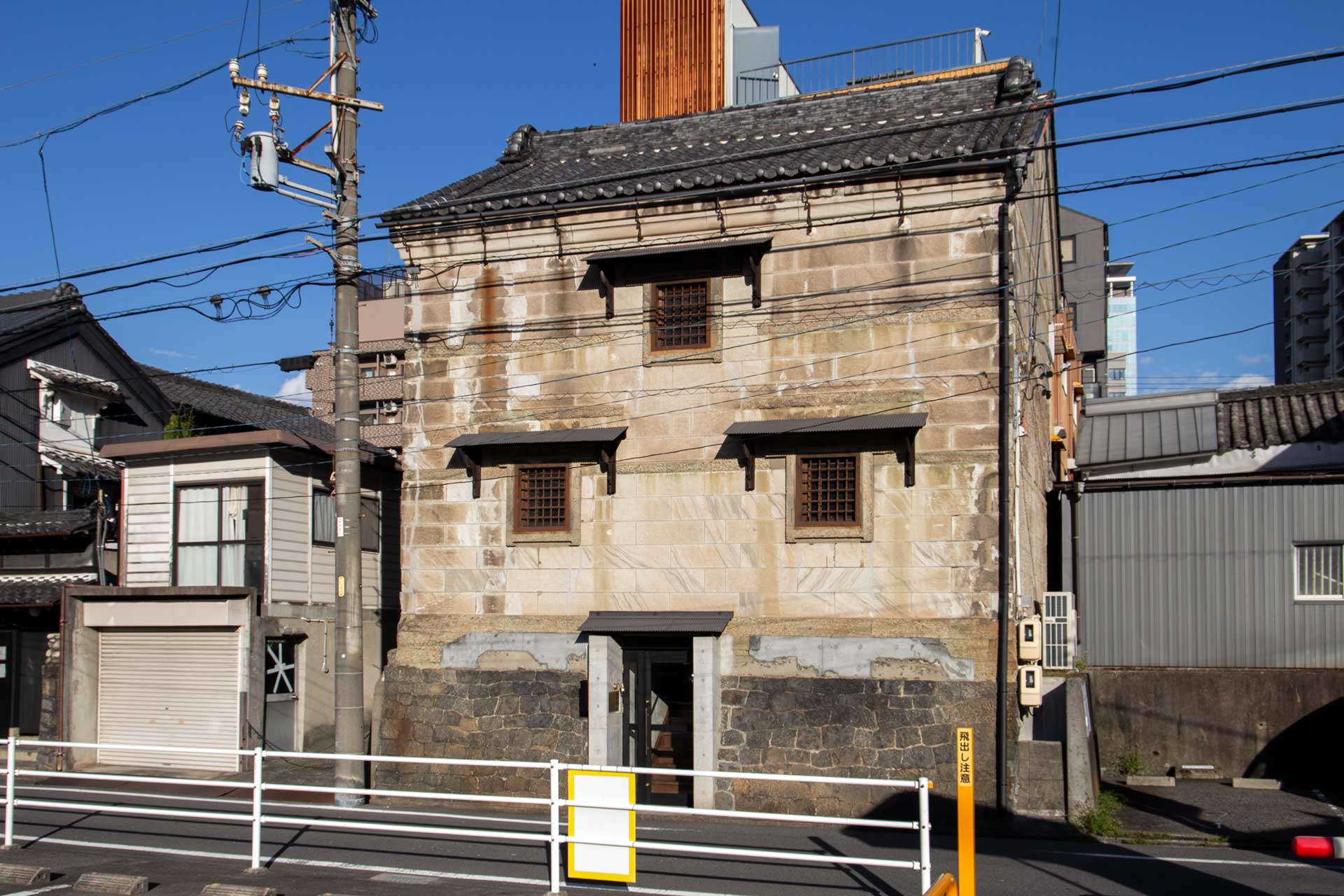
lightwave, on the other hand, is a project that reinterprets a historic building from 1915 into a contemporary showroom. Rather than simply preserving the structure as a relic of the past, the intention was to allow history to continue evolving. Preservation, in this sense, is not about freezing time, but about creating conditions for it to move forward. To achieve this, a layer of contemporary intervention was introduced in the form of light. This element creates a dynamic contrast between the weight of history and the presence of the present. Through this interaction, the building is no longer perceived as a static historical object, but as a living entity that continues to exist within time. When light interacts with the aged surfaces, it reveals the depth of history in a more immediate and tangible way. Through both projects, I sought to explore how design can cast a new sense of curiosity onto elements that have been passed down over time, whether they are related to nature or history.
Both projects share an approach of reinterpreting existing contexts. What criteria do you consider most important when translating existing architecture or industrial narratives into spatial design?
In the process of reinterpreting an existing context and transforming it into a new space, what I value most is the attitude of regarding constraints as a filter that sharpens creativity, and drawing free imagination from within that very condition. Architecture is inevitably shaped by many forms of limitation such as structural conditions, regulatory frameworks, and the demands of maintenance and usability. Rather than viewing these as obstacles, I consider them as guiding principles that lead us toward a solution that is uniquely suited to that place. The more demanding the constraint, the greater the possibility of discovering a perspective that would not otherwise emerge. Within this process, there is a personal criterion that I continue to apply. I describe it as a position between art and design. Pure art can exist independently of function or limitation, while design often becomes closely tied to function and problem solving. What I seek is a balance that does not fully belong to either, but instead draws from both.
In practice, this means first addressing the practical requirements of structure, sustainability, and use, and then allowing space for an emotional layer that reaches beyond logic. It is about creating moments that engage curiosity and invite interpretation, while remaining grounded in real conditions. To identify and maintain this balance between rational resolution and emotional resonance has become my own standard when transforming an existing narrative into a spatial value that can extend into the future.
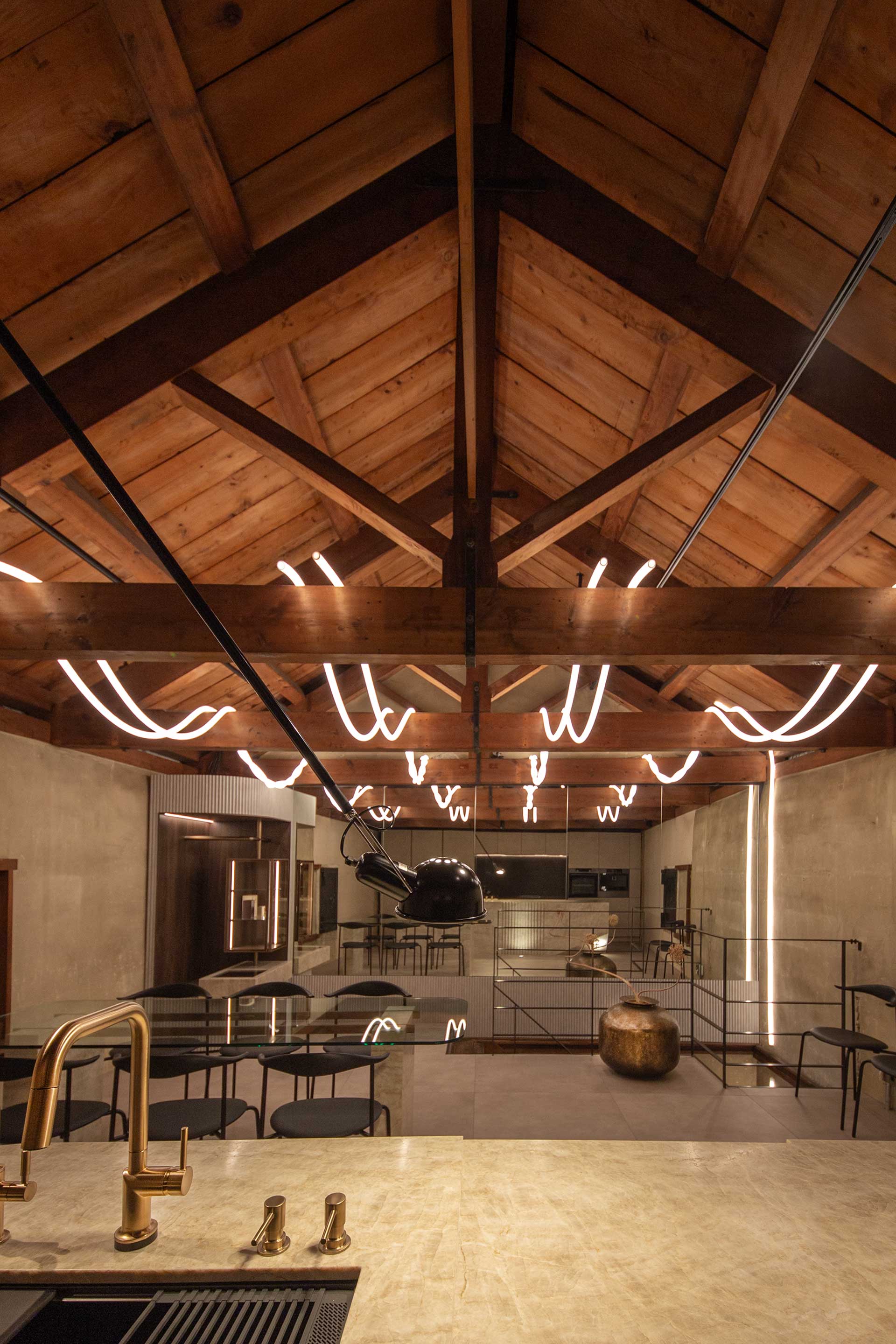
EWARU addresses the value of agriculture, while lightwave explores time and history. When translating these ideas into spatial experiences, what key emotions or experiences did you aim to deliver to users?
What I strive for is not the delivery of visual impact or surface level beauty. It is an active experience that emerges when a visitor’s intellectual curiosity is gently awakened, allowing their own memories and thoughts to engage with the space. Concepts such as time and history are inherently invisible. However, through the subtle textures of materials, people naturally begin to recall fragments of the past, imagine the layers of stories embedded within, and experience a sense of intellectual engagement as they relate these to the present. I believe that people find a unique form of joy in this process of recognition and interpretation. For this reason, I intentionally introduce a degree of subtle dissonance shaped by contemporary technology within a historical context.
This slight tension prevents the experience from remaining as simple nostalgia, and instead encourages a forward looking question about what kind of future the space may continue to create. In this way, the space becomes a medium that connects past, present, and future, while generating a sense of anticipation. I believe this capacity to evoke expectation is essential for architecture to remain meaningful beyond its own time. The experience I aim to offer is that moment when, while moving through a space, a visitor unexpectedly discovers a connection to their own curiosity. The quiet sense of discovery that arises in that instant is what I consider most important.
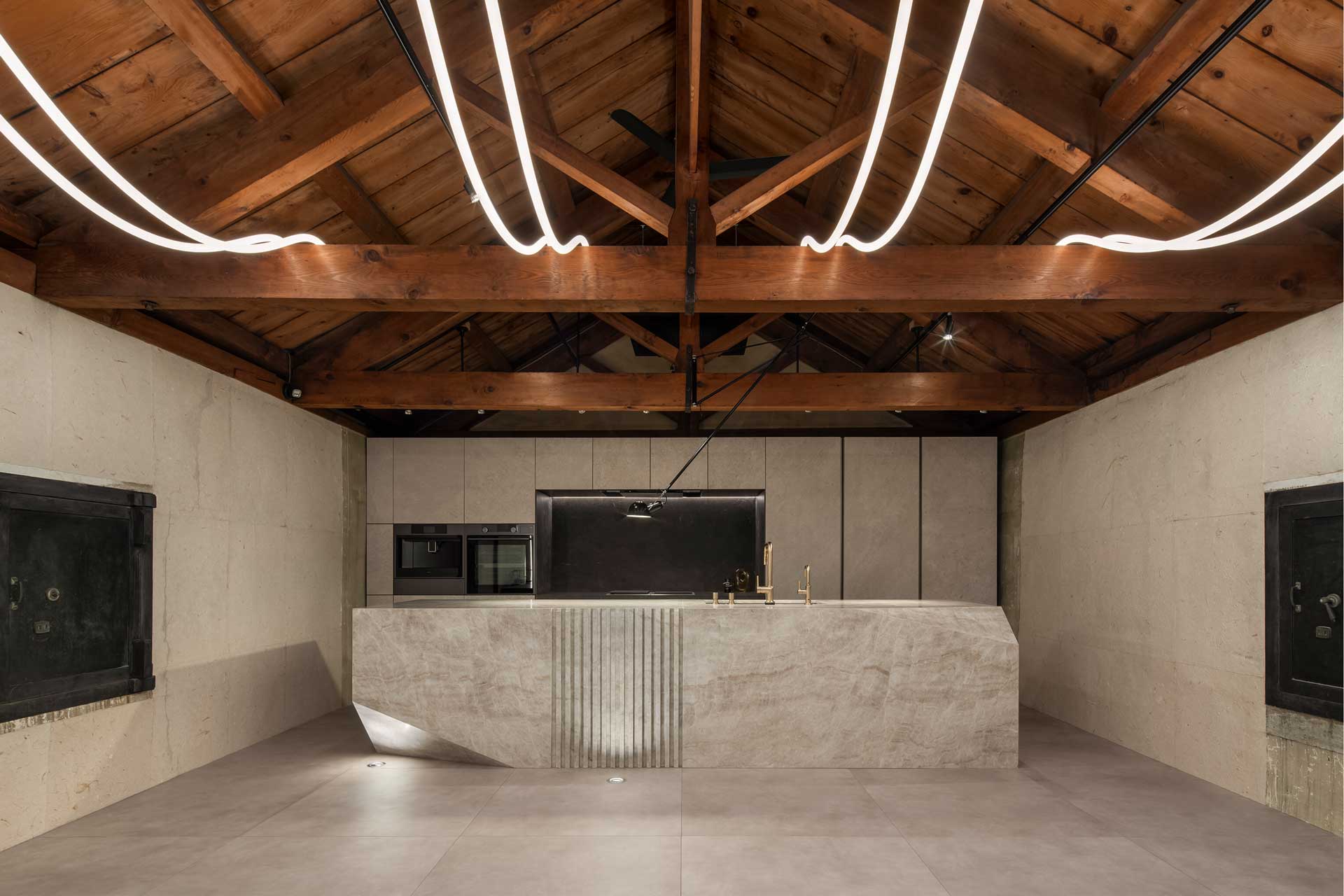
Both projects build spatial narratives through elements such as light, structure, and circulation. Could you explain how these elements are used to expand the meaning of space?
For me, thinking of architecture and interior as inseparable is an essential starting point in design. Those who enter a space do not perceive these elements individually, but experience them as a single atmosphere through their whole body. Only when scale, material, and light are carefully interwoven does a coherent spatial narrative emerge. For example, when I design circulation, I am not simply considering an efficient path of movement, but rather the motion of the human body itself. What matters is not only how people move, but how that movement is felt and guided within the space. The light within a space is not limited to a functional role that ensures visibility or safety. It becomes an inviting presence that engages the human psyche. It can gently draw a person forward, make each step feel lighter, or create a moment that encourages pause and reflection.
As for structure, I do not see it merely as a framework that supports a building. I approach it as a form that can embrace human action and thought, sometimes softly and sometimes with a sense of strength. When a stable structure is combined with subtle layers of light and material, a distinct atmosphere unique to that place begins to form. By integrating these physical elements, it becomes possible to create small shifts in behavior and perception that differ from everyday routines. This subtle change in movement and awareness is what expands space beyond a simple container and transforms it into a stage for experience, enriching the quality of daily life.
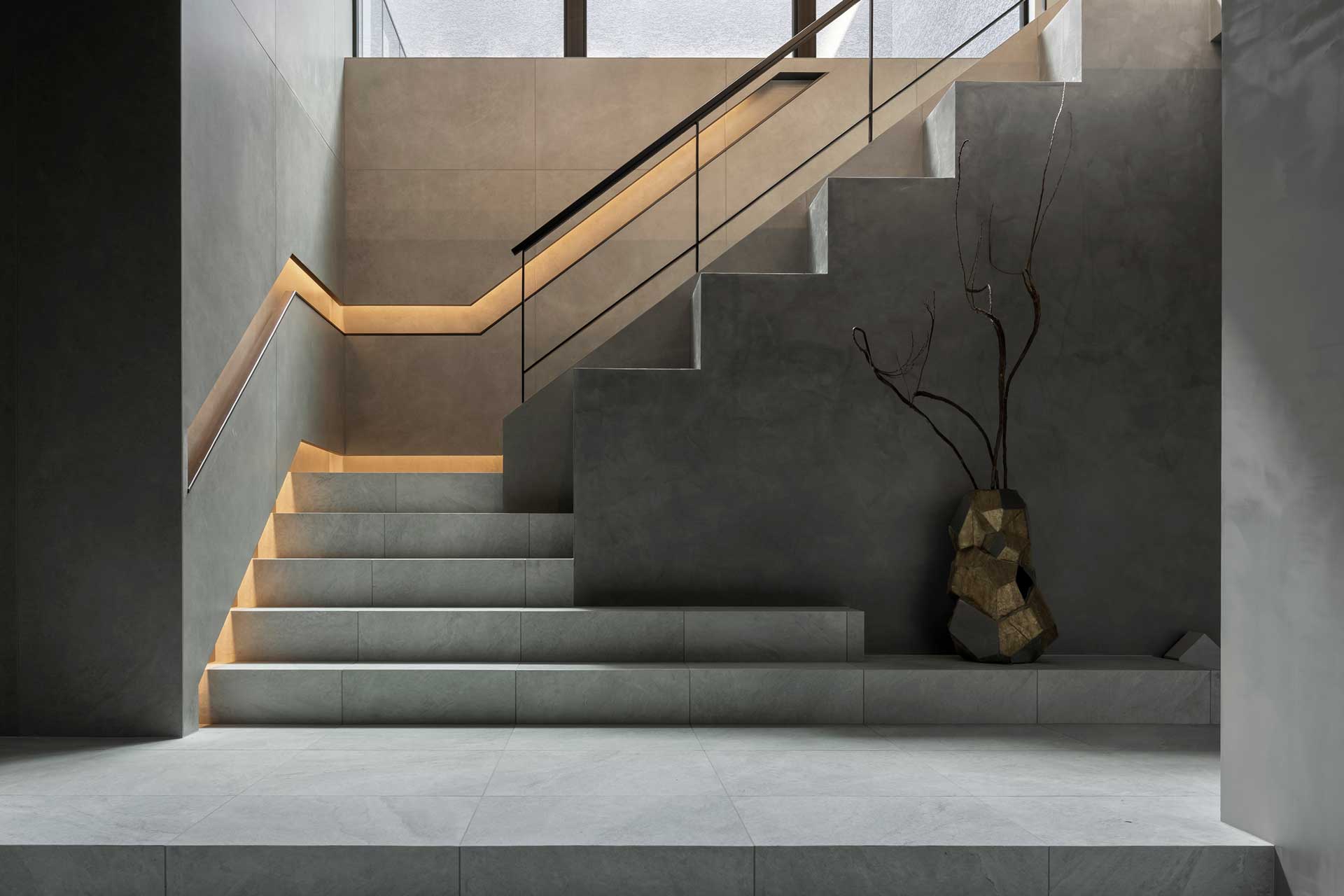
How would you define the characteristics of Japanese spatial design? And what significance do these characteristics hold within the broader context of Asian design?
At the foundation of Japanese spatial design lies a long held sensibility that considers bringing out the inherent life of materials as a form of beauty. Materials sourced from the land are used in ways that respond closely to the climate and cultural context, allowing space to emerge in harmony with its surroundings. This approach, which can be understood as a form of local production rooted in place, reflects a fundamental attitude that aligns closely with the essence of sustainability. However, when one remains too closely bound to tradition or to the inherent qualities of materials, it becomes difficult to extend that value toward the future. What becomes important, therefore, is the introduction of a certain degree of subtle dissonance. By incorporating contemporary technologies or spatial expressions that challenge conventional definitions, it is possible to create a moment of tension without disrupting the overall harmony. When the intrinsic strength of materials coexists with this carefully introduced dissonance, a new form of culture begins to emerge, not as a repetition of the past, but as an evolution of it.
This way of thinking, in which inheritance and innovation are pursued simultaneously, holds particular significance within the broader context of Asian design. As many Asian countries continue to develop rapidly, the approach of replacing the old with the new is gradually reaching its limits. Building upon a respect for material that has been cultivated over time, and introducing a layer of questioning toward the future, this perspective offers a new direction. By extending such an approach across Asia, it becomes possible to establish a design framework that respects the history and identity of each region while continuing to evolve. In this sense, it represents a meaningful contribution to the future of Asian design.
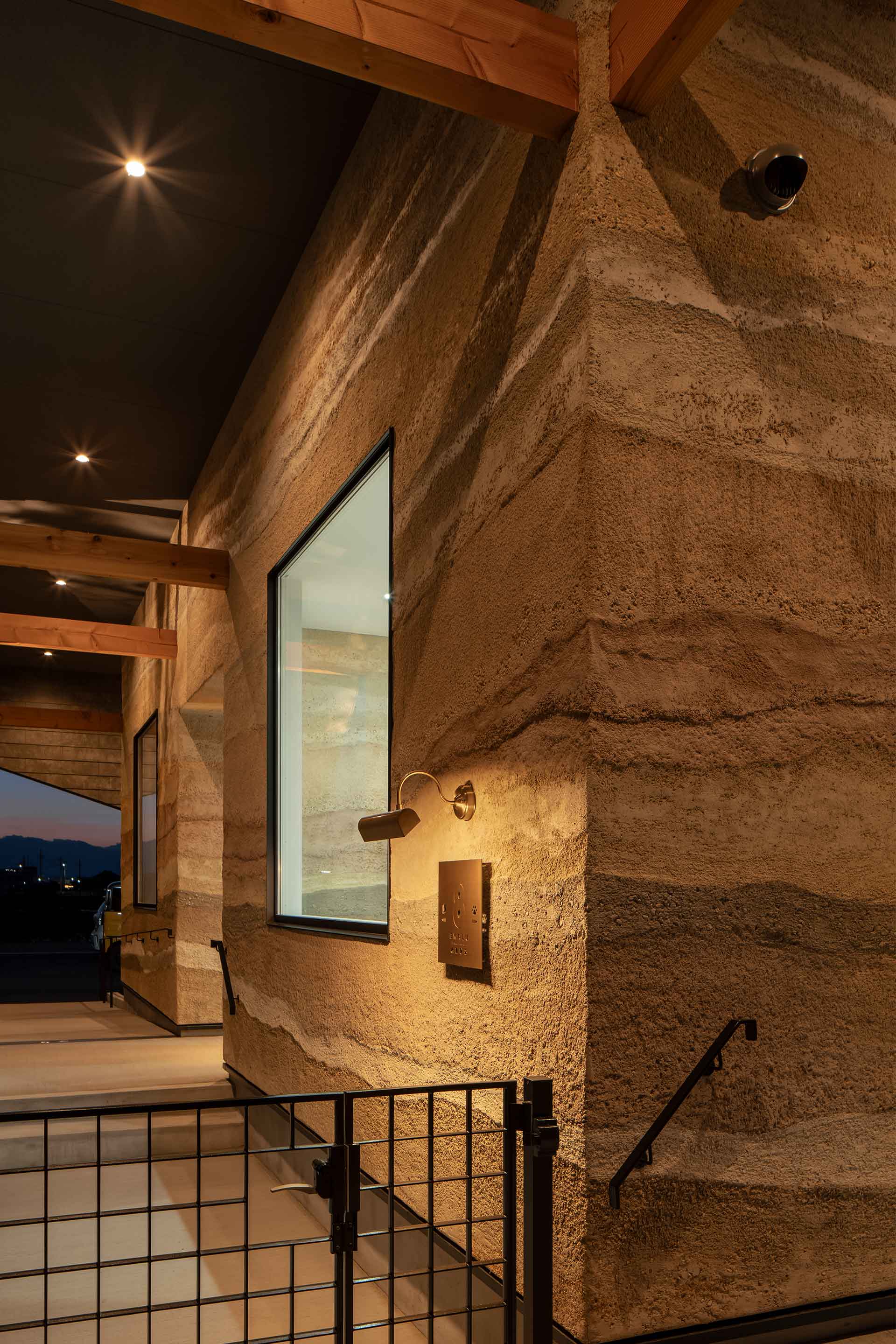
What recent changes or trends in spatial design and architecture do you find most noteworthy? We would also appreciate your perspective on renovation, locality, and sustainability.
At present, considerations of social responsibility and sustainability are becoming the preconditions of design. Yet in the truest sense, for these ideas to take root as a deeply cultural presence, I believe there is still some distance to go. This is because sustainability, as a concept, can at times appear as a constraint that limits the freedom of design. The more one seeks to reuse existing materials and reduce environmental impact, the more the scope of expression may seem to narrow. This tension remains a latent dilemma within contemporary design practice. However, I see this situation not as a limitation, but as an opportunity for evolution. Rather than simply preserving an existing context, I believe it is possible to transform it into a new design by introducing unfamiliar methods and external aesthetics. Even in renovation, the goal should not be confined to restoration. By applying contemporary technologies and reinterpretation, we can create new value that goes beyond the past. It is precisely through these constraints that more ambitious and exploratory architecture can emerge. Ultimately, I believe we must shift our understanding of sustainability from something that restricts and protects into a foundation from which new forms of beauty can emerge. This perspective, in my view, will play a crucial role in shaping the future direction of spatial design and architecture.
Finally, what direction do you aim to pursue moving forward, and what kind of design values do you hope to leave behind in the long term?
What we aim for is the creation of spaces that continue to stir the curiosity of those who encounter them, regardless of scale or program, far into the future. Looking ahead, I wish to dedicate myself in particular to the reinterpretation of materials that have long existed within architecture such as soil, stone, and wood. By combining these fragments of the earth with contemporary technology and my own sensibility, I hope to develop them into designs that extend toward the future rather than remain as nostalgia. To draw upon materials shaped over tens of thousands of years, and to inscribe a landscape that only this era can create, is what I see as my own challenge. At the same time, I intend to move beyond the boundary that has been drawn for the sake of efficiency between architecture and interior, and to approach both simultaneously as a single atmosphere rather than separate disciplines. I believe this is one of the most meaningful ways, in an age saturated with information, to sharpen the human senses and create experiences that resonate deeply within people.
The value we ultimately hope to leave behind is not architecture as mere form. It is a space that naturally awakens curiosity, sets thought in motion, and brings a subtle sense of renewal to everyday life. We aim to share with more people this kind of legacy, an invisible atmosphere that gently transforms the inner life of those who experience it.














#14057, 905 49, Beolmal-ro 102beon-gil,
Dongan-gu, Anyang-si, Gyeonggi-do, Korea
Business Registration Number: 454-86-01044
Online Sales License No.: 2021-Anyang Dongan-1081
Copyright © DESIGNSORI Co., Ltd.