
Many people think of time management as a matter of productivity, such as working faster, handling more tasks, and filling every gap in the day with efficiency. However, anyone who has operated a small brand for a long time eventually realizes something different. Time is not simply something to be used efficiently. It is closer to a matter of design, becoming a question of what to focus on and what to intentionally give up. Especially for single person brands and micro studios, time is the most valuable asset of all. Capital can be earned again, but once time is spent, it can never be recovered.
Most creators in the early stages tend to underestimate the value of their own time. A small revision request, a short meeting, or a sudden message does not seem particularly significant on its own. However, once these interruptions begin to accumulate repeatedly, the rhythm of an entire day quickly collapses. The real problem is not the amount of work itself, but the frequency with which concentration is interrupted. In reality, the greatest cost for creators is not labor time, but the moment immersion is broken. Spending an entire day feeling busy while failing to complete the most important work is precisely where many small brands begin to experience stagnation in growth.
A strong example of this can be found in the global design group Pentagram. Although Pentagram is recognized as one of the world’s most influential design studios, its operating structure is surprisingly simple. Each partner designer independently manages projects while maintaining extremely strict control over their own time structure. What matters is not how long they work, but how carefully they protect the hours in which the deepest thinking and decision making can occur. Meetings, production, research, and review sessions are clearly separated, and time reserved for creative thinking is intentionally protected from interruption. Ultimately, Pentagram demonstrates that the best outcomes do not come from having more time, but from achieving deeper concentration.
In today’s AI era, the importance of designing time has become even greater. In the past, the primary reason time felt insufficient was the speed of production itself. Today, however, the problem is the overwhelming number of available choices. AI can generate drafts, create images, organize information, and dramatically accelerate the speed of content production. Yet, as production becomes faster, the ability to decide “what not to do” becomes even more important. In this sense, time design is no longer simply a technique for organizing schedules. It becomes a framework for protecting the direction and identity of a brand itself.
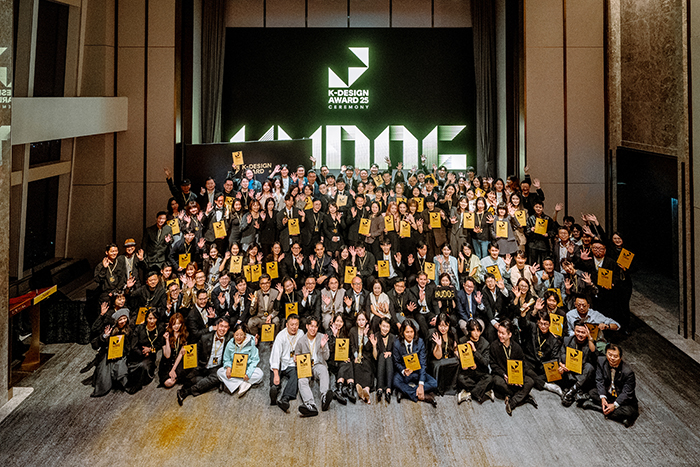
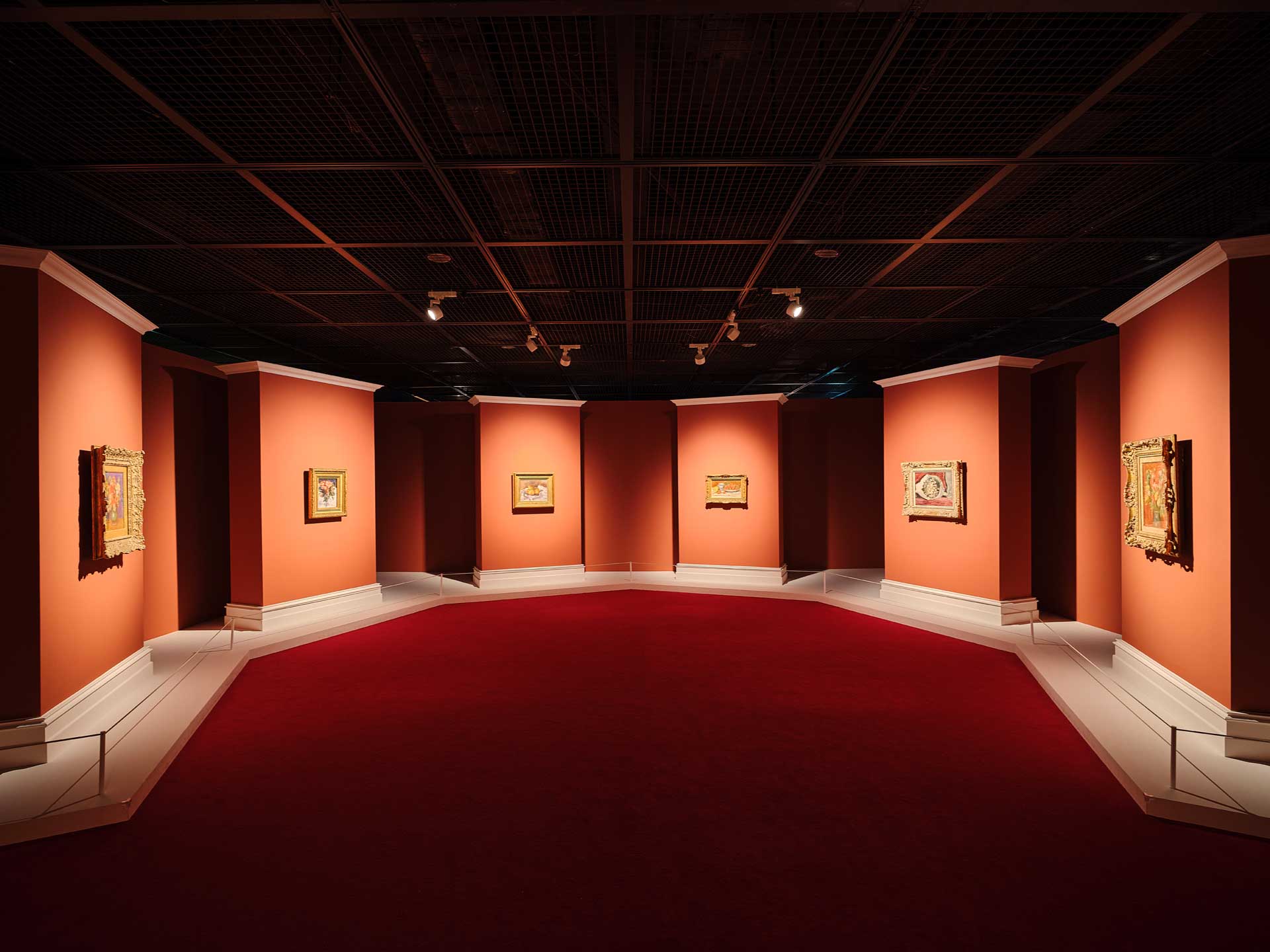
< Image source: K-Design Award >
K-Design Award, recognized as one of Asia’s top three design awards, also places great importance on the design of time itself. In particular, during the award ceremony, the entire structure is meticulously planned so that no individual program segment is delayed by more than three minutes from the publicly announced schedule. This is not simply an operational technique for running an event smoothly. It reflects the belief that an attitude toward time is directly connected to the trustworthiness of a brand itself.
In reality, global design awards bring together jurors, winners, and corporate representatives from all around the world. Some arrive after long international flights, while others move through tightly packed schedules. In such circumstances, even a small delay during an award ceremony becomes more than a minor operational issue. It directly affects the density and quality of the entire brand experience.
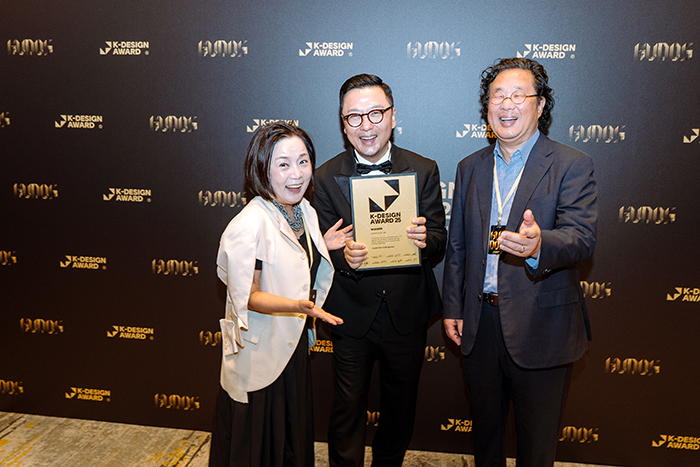
< Image source: K-Design Award >
This operational philosophy reveals how a brand perceives time itself. Most brands think of time simply as a resource to be consumed. However, in reality, time is one of the core elements that shape the entire brand experience. A perfectly executed schedule does not merely mean clean operations. It reflects an attitude of respecting other people’s time, while simultaneously revealing how rigorously the brand maintains its own standards. Ultimately, time design is less a matter of productivity and more a matter of philosophy.
Global author and brand strategist Austin Kleon also emphasizes “repeatable rhythm” as the most important principle within his creative routine. He writes at the same time every day, documents things in consistent ways, and minimizes unnecessary schedules and external distractions. His philosophy is that creativity does not emerge from sudden inspiration, but from repeatable structures of time. This idea applies directly to small brands as well, because brands ultimately operate according to the rhythm of their creators. The most important aspect of time design is prioritization. However, many people misunderstand prioritization as simply organizing tasks that need to be completed. In reality, it is almost the opposite. Prioritization is closer to the ability to decide what not to do. Not responding to every request, not pursuing every opportunity, and not reacting to every platform simultaneously are the ways brands protect their time.
For smaller brands, the density of time becomes especially important. Large corporations can distribute labor across teams, but in single person brands, the creator’s concentration itself becomes the brand’s productivity. This is why time should not merely be “managed,” but structured in ways that protect sustained focus. Certain hours should exist only for creative work, others only for operational tasks, and others for external communication gathered into dedicated blocks. In this sense, time itself also requires a workflow. Ultimately, the core of time management is not about accomplishing more tasks. It is about preserving the best hours for the most important work. That is what time design truly means. Great brands do not waste time. More precisely, they create structures that prevent the creator’s concentration from being wasted.
Super micro brands are actually in a favorable position when it comes to time design because of their small scale. Decisions can be made quickly, unnecessary reporting systems do not exist, and structures can be adjusted immediately. What matters is not becoming a busy brand, but becoming a brand capable of focusing deeply on meaningful work. In the end, brands are shaped by how they use time. Some brands are constantly busy yet directionless, while others may appear slower but continue accumulating value steadily over time. The difference does not come from talent, but from the structure of time itself. If time cannot be controlled, brands become unstable very quickly. However, the moment a brand begins designing its own time intentionally, it finally starts growing according to its own rhythm.
















#14057, 905 49, Beolmal-ro 102beon-gil,
Dongan-gu, Anyang-si, Gyeonggi-do, Korea
Business Registration Number: 454-86-01044
Online Sales License No.: 2021-Anyang Dongan-1081
Copyright © DESIGNSORI Co., Ltd.