
Co-Founder of lllayer
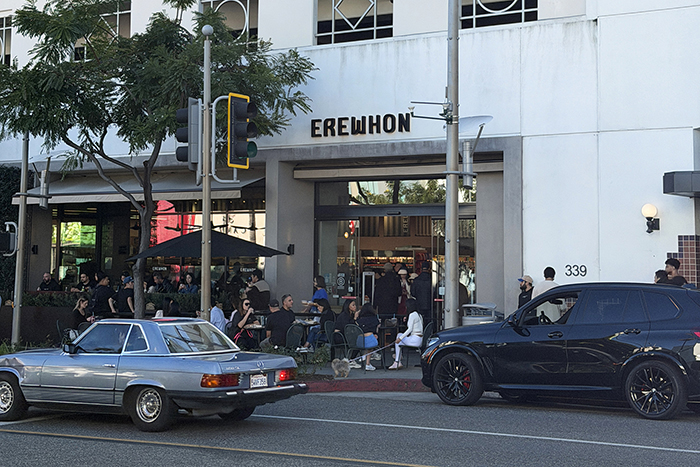
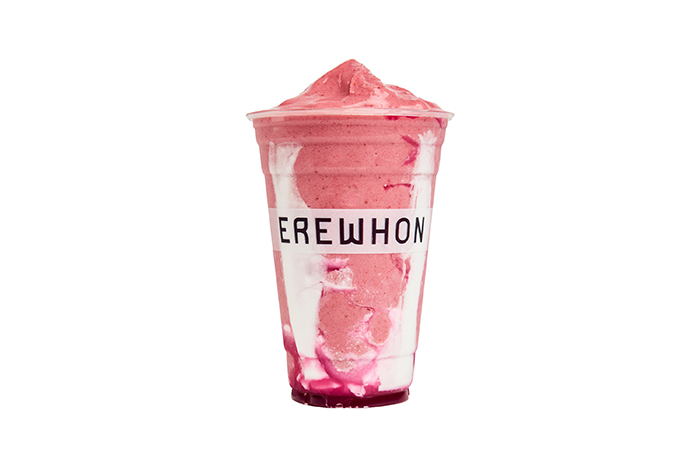
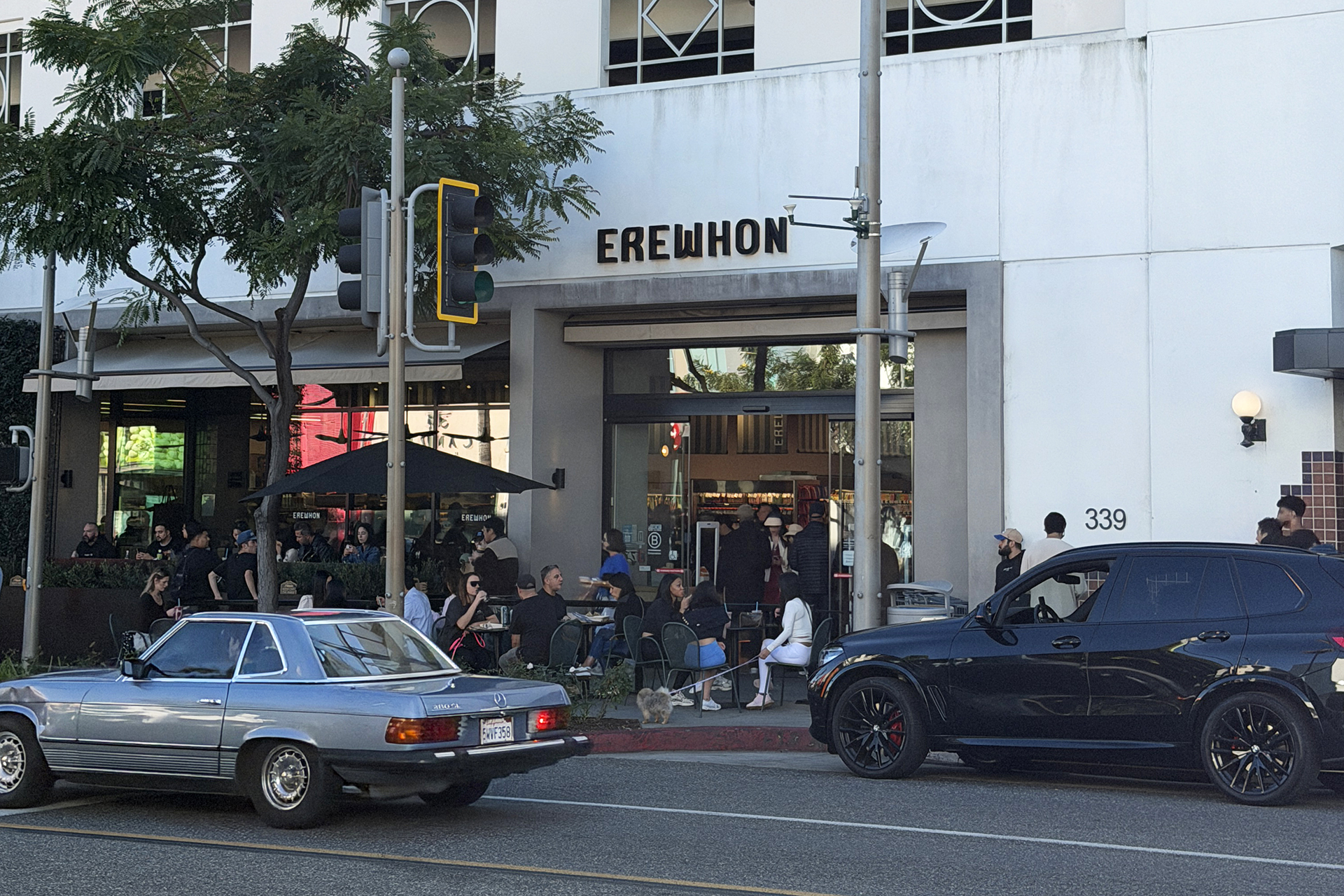
Known as Hailey Bieber’s signature drink, the “Strawberry Glaze Skin Smoothie” costs an astonishing $22 per cup. The brand behind it is Erewhon. Every day, a curious yet energetic scene unfolds outside its Beverly Hills location in Los Angeles. Influencers in designer sunglasses and Hollywood celebrities crowd the storefront, posing with pink colored smoothies in hand. Despite the seemingly outrageous price, countless consumers willingly line up to purchase it, inspired by Hailey Bieber’s glowing skin and aspirational lifestyle. Dominating TikTok feeds worldwide, the smoothie has become a cultural phenomenon, selling more than 40,000 cups each month. For its customers, it is far more than a beverage. It functions as a visual business card that signals a healthy lifestyle and refined taste on social media, perhaps the ultimate wellness accessory of the moment.
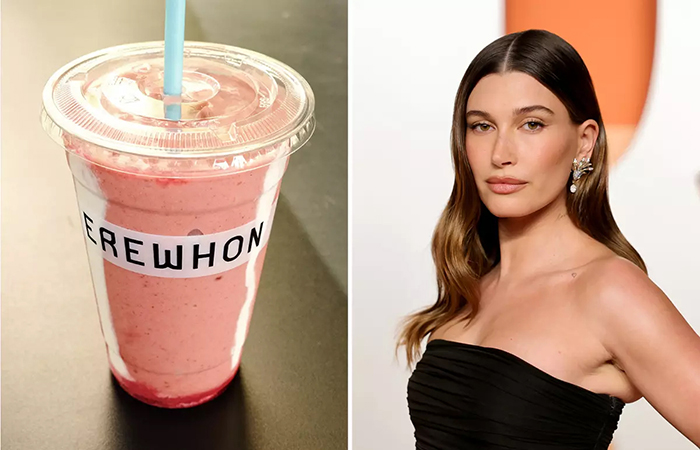
This consumer enthusiasm has translated directly into extraordinary business performance. With only around a dozen stores, Erewhon is estimated to have generated approximately $171.4 million in profit in 2023. Compared to the average grocery retailer’s net profit margin of roughly 1.6%, its profitability is almost unimaginable. Erewhon’s sales per square foot are estimated at around $2,500, more than four times the average for U.S. grocery stores and comparable to those of global luxury retailers. The chain’s annual revenue is estimated at approximately $750 million, while the Hailey Bieber smoothie alone reportedly generated more than $10.6 million in annual sales. By breaking the conventional rules of retail, Erewhon has transformed the grocery store from a place of necessity into a luxury lifestyle showroom where premium values are experienced and performed.
How Did This Brand Begin?
The name Erewhon traces its origins to the 1872 satirical novel Erewhon by British writer Samuel Butler. The word is an anagram of “Nowhere,” spelled in reverse. In the novel, Erewhon is a peculiar utopian society where illness is treated as a serious crime and individuals are expected to take complete responsibility for their own health and physical condition. This worldview, which elevates health to the highest moral obligation and frames personal well being as an individual responsibility, was eventually translated into a real business concept by a Japanese immigrant couple who moved to the United States in the 1960s.
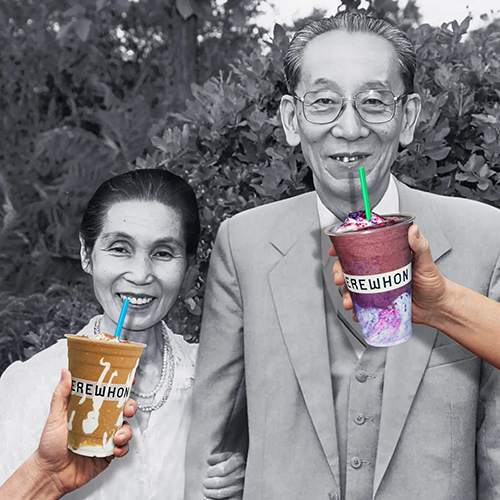
< Image source: The Cut >
The intellectual foundation behind Erewhon was shaped by Michio and Aveline Kushi, a Japanese couple who sought to introduce the philosophy of macrobiotics to America. Macrobiotics is a dietary practice centered on seasonal organic produce, whole grains such as brown rice, and vegetables, while strictly limiting refined sugar, chemical additives, processed foods, meat, and dairy products. Driven by a belief that America’s food culture had been corrupted by industrialized processed foods, the Kushis opened Erewhon, America’s first organic natural foods store, in a small basement shop in Boston in 1966. By selling organically grown grains sourced directly from contracted farmers and traditional miso products, they planted some of the earliest seeds of the American wellness movement.
However, a pioneering philosophy alone was not enough to guarantee long-term business success. Although Erewhon helped establish standards for the organic food movement through direct relationships with farmers, aggressive expansion and poor cash-flow management eventually led the company to file for bankruptcy protection in November 1981 with debts totaling $4.3 million. Its cereal business and manufacturing divisions were sold off to various corporations, and the brand itself nearly disappeared. Fortunately, the store opened on Beverly Boulevard in Los Angeles in 1969 survived as an independent location. Tom DeSilva, an employee at the time, acquired the store and continued operating it as a neighborhood organic grocery serving the local community.
The decisive turning point that transformed Erewhon into the brand we know today came in 2011, when Tony and Josephine Antoci acquired the company. Originally, the couple had planned to open a Los Angeles franchise of the iconic New York gourmet retailer Dean & DeLuca, but when that deal fell through, they turned their attention to Erewhon instead. The Antocis combined Erewhon’s authentic organic philosophy with a modern luxury aesthetic. Josephine Antoci personally took responsibility for rigorously reviewing the ingredients of every product sold in the store. Products containing preservatives or GMO ingredients were excluded from the shelves. Over time, consumers developed absolute trust in the idea that “if it’s sold at Erewhon, it can be trusted.” That trust became the key factor that allowed the brand to overcome resistance to its premium pricing.
Afterward, Erewhon entered what could be called the “Erewhon 2.0” era, pursuing ambitious growth and operational expansion. The first pillar of this strategy was the construction of a large scale backend infrastructure. To meet rapidly increasing demand, Erewhon built a state of the art 65,000 square foot commissary kitchen in Vernon, California. Staffed by more than 350 specialists, the facility produces Erewhon’s signature prepared foods at scale with extraordinary consistency and delivers them daily to stores across the network. This infrastructure became a powerful business moat, maximizing the profitability of prepared foods and juice bars, which remain some of Erewhon’s highest margin revenue drivers.
The second pillar was a rigorous “pay-to-play” partnership model with suppliers. Brands seeking to have their ingredients featured in Erewhon’s celebrity smoothie collaborations must pay substantial fees for inclusion and meet the prerequisite of already being stocked on Erewhon’s shelves. Rather than receiving direct revenue-sharing from smoothie sales, partner brands gain access to Erewhon’s powerful halo effect. In practice, brands such as Salt & Stone and Boka experienced dramatic increases in both social media exposure and sales following their collaborations. Through this model, Erewhon established a highly efficient platform business that continuously generates viral marketing momentum without requiring significant in-house advertising expenditures.
The third pillar was the design of customer experiences centered on belonging and exclusivity. Instead of the wide aisles commonly found in supermarkets, Erewhon intentionally maintains narrow four-foot-wide walkways designed to encourage natural eye contact and social interaction between customers and staff. The company has also built a loyal community of approximately 60,000 members through its paid “Lifestyle Collective” membership program, which costs $200 annually. Members receive exclusive benefits through partnerships with premium wellness brands such as Alo Yoga and Athleta, while also gaining a sense of identity and belonging within the Erewhon community. At the same time, Erewhon has adopted a carefully sequenced hybrid expansion strategy that preserves brand exclusivity while extending accessibility. A notable example is its planned presence within the Kith & Kin social club in Manhattan, New York, scheduled for 2026, where delivery services and physical retail experiences will be integrated without diluting the brand’s premium positioning.















#14057, 905 49, Beolmal-ro 102beon-gil,
Dongan-gu, Anyang-si, Gyeonggi-do, Korea
Business Registration Number: 454-86-01044
Online Sales License No.: 2021-Anyang Dongan-1081
Copyright © DESIGNSORI Co., Ltd.