
Achieving balance is important in every field, and the design industry is no exception. In fact, it may be even more important in design, where countless businesses and disciplines are interconnected like strands of a complex web. Yet when we look at the reality in Korea, the picture appears far from balanced. Certain design sectors dominate the landscape. Mobile, IT products, consumer electronics, and automotive design receive a disproportionately large share of attention and resources. Of course, this concentration is understandable, as these industries have served as the driving force behind Korea’s economic growth for decades.
However, many other areas of design remain comparatively underdeveloped. Furniture, lighting, lifestyle products, ceramics, and textile design are just a few examples of expansive creative fields that continue to receive less attention and support. Why is this the case? There are many contributing factors, but one of the most significant is that most aspiring designers ultimately prefer careers at large corporations. As a result, the development of the design industry naturally becomes concentrated in the sectors where these corporations are most active, particularly technology oriented fields. Even among designers working at agencies that collaborate with clients across diverse industries, many still view employment at a major corporation as their ultimate career goal.
Large corporations undoubtedly offer attractive advantages. They provide well established design infrastructures, mature organizational cultures, and a relatively stable environment in which designers can build both their careers and their lives. Having worked at Samsung Electronics myself, I can personally attest to these strengths. I had the opportunity to grow alongside talented colleagues and mentors, and I experienced a culture that valued mutual respect and creative freedom at a level comparable to leading companies anywhere in the world. These benefits are undeniable. Yet when viewed from the perspective of the design industry as a whole, there is a cost. An enormous pool of creative talent with diverse interests and abilities becomes concentrated within a narrow range of fields.
Finding Balance
After building my design career in Korea, I eventually moved to Scandinavia, where I encountered a very different perspective on balance. One of the key reasons Scandinavian design has achieved its global reputation is the deeply rooted culture of respect for design that exists throughout society. This culture was not created overnight. Design has been woven into everyday life for decades, even centuries. Equally important is the remarkable balance among design disciplines. As many people already know, furniture design, cabinetmaking, interior design, lifestyle products, graphic arts, and numerous other fields have all developed in parallel. In other words, designers are not concentrated in a single dominant sector.
Governments and communities actively support these disciplines through a wide range of initiatives and resources. Design is recognized as a critical component of national growth and cultural identity. The association between Scandinavia and design has become firmly established around the world. The designers I met there were building stable careers across a broad spectrum of fields, demonstrating that a healthy design ecosystem depends not only on excellence, but also on balance.
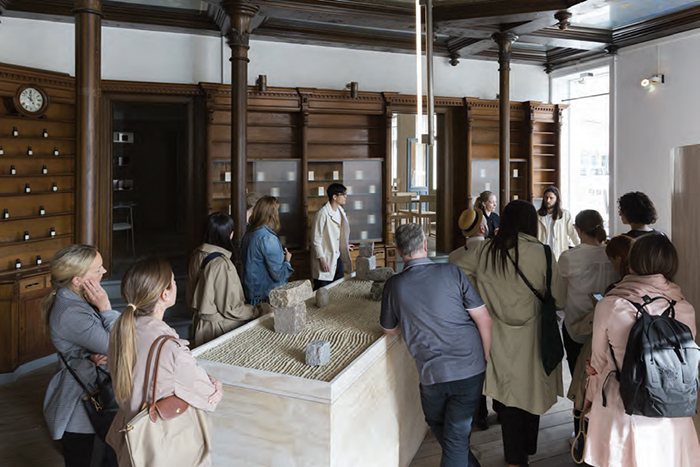
< Image source: 3daysofdesign in Copenhagen >
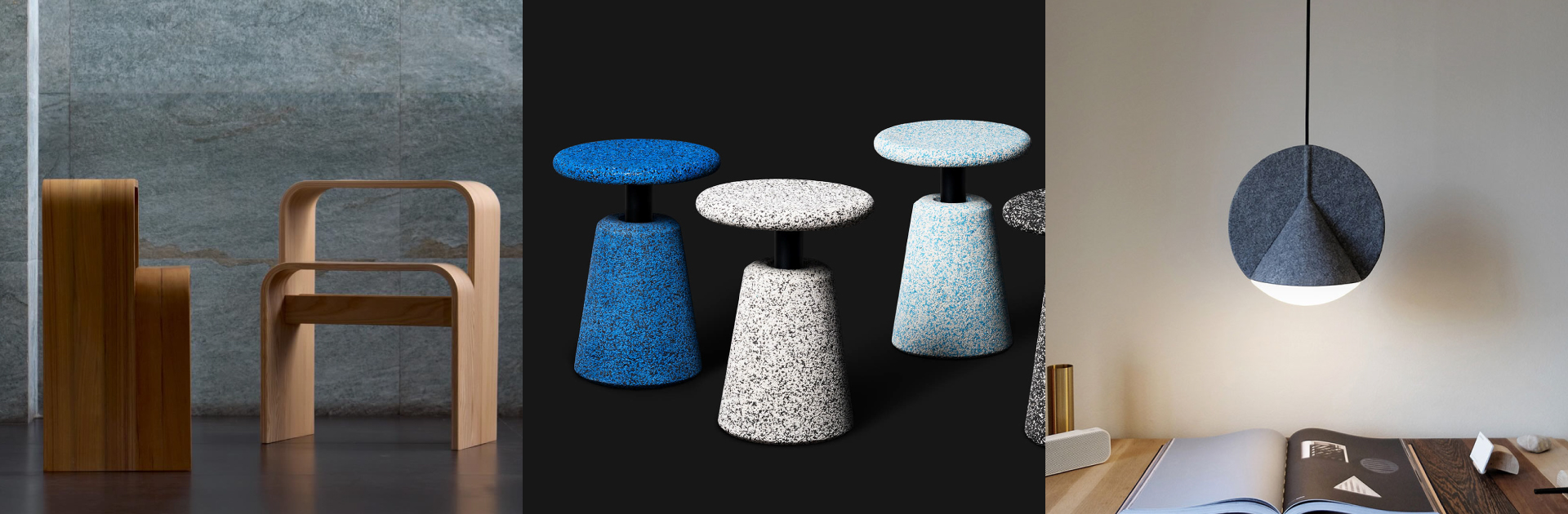
A visit to events such as 3daysofdesign in Copenhagen or the Stockholm Furniture Fair is enough to reveal how widely and evenly the design ecosystem has developed across different disciplines. These exhibitions showcase a remarkable diversity of designers and brands, from furniture and lighting to textiles, interiors, materials, crafts, and lifestyle products. Rather than being dominated by a single industry, they demonstrate how multiple design sectors can grow together, creating a richer and more balanced creative landscape.
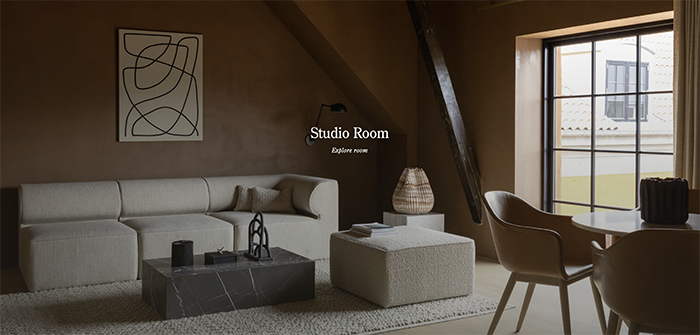
< Image source: Audo Copenhagen >
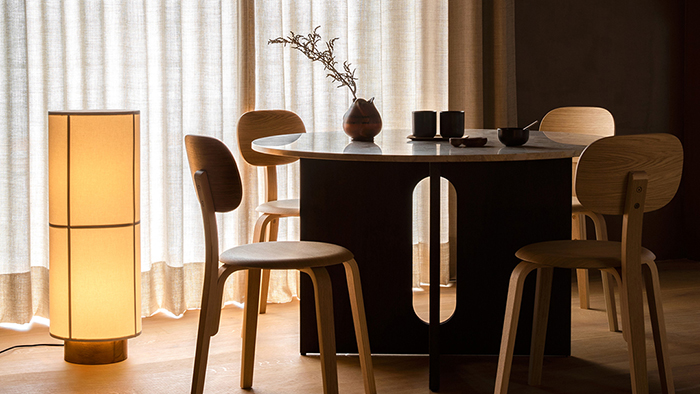
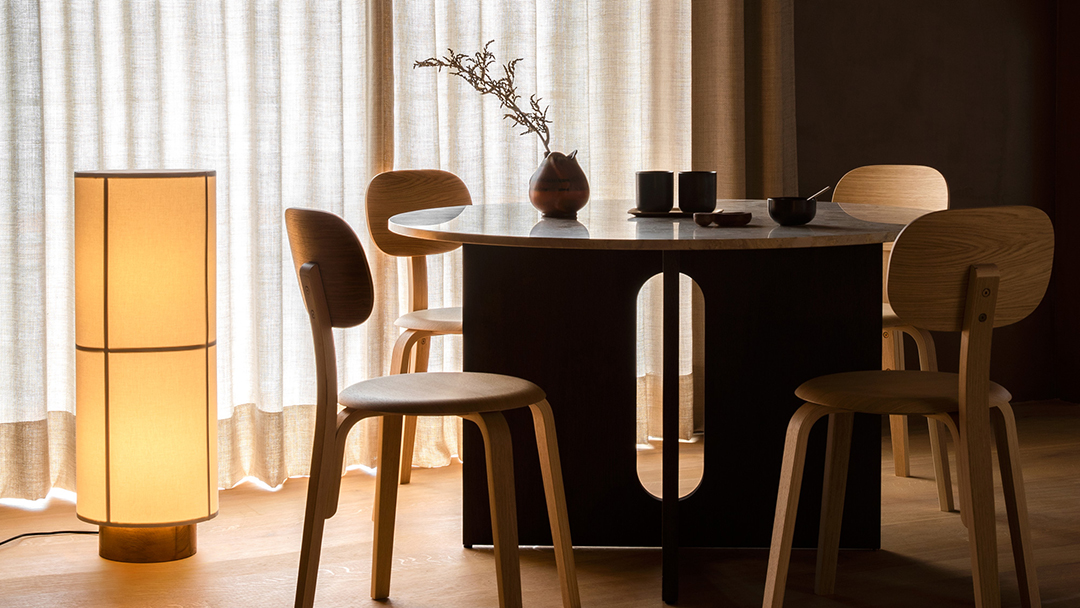
< Image source: Danish brand MENU >
Consumers in Scandinavia, particularly in Denmark, also possess a remarkably sophisticated appreciation for design. From an early age, many grow up surrounded by designer furniture in their homes. Accessible museums, galleries, and design stores further nurture their aesthetic sensibilities almost naturally throughout their lives. As a result, they are often willing to invest in premium design products without hesitation. It is a culture that understands, respects, and values good design. In turn, designers are challenged to meet these elevated expectations by producing work of exceptional quality. This virtuous cycle continues to strengthen and enrich their design culture even today.
The Synergy of Balance
Korea's design capabilities are already among the best in the world. What is unfortunate is that so much of this talent appears to be concentrated within a relatively narrow range of industries. What is urgently needed is an ecosystem, culture, and infrastructure that enable designers to contribute and succeed across a broader spectrum of disciplines. The arrival of the AI era will undoubtedly reshape the design industry in significant ways. This makes the need for balance even more important. Good design creates elegant experiences for both designers and consumers. Those experiences accumulate over time, strengthening brands, driving business growth, and elevating public appreciation for design itself. Ultimately, this creates a virtuous cycle in which a balanced and thriving design ecosystem can emerge across the entire industry.
My hope is simple: that truly good design will be discovered and valued in every field.















#14057, 905 49, Beolmal-ro 102beon-gil,
Dongan-gu, Anyang-si, Gyeonggi-do, Korea
Business Registration Number: 454-86-01044
Online Sales License No.: 2021-Anyang Dongan-1081
Copyright © DESIGNSORI Co., Ltd.