
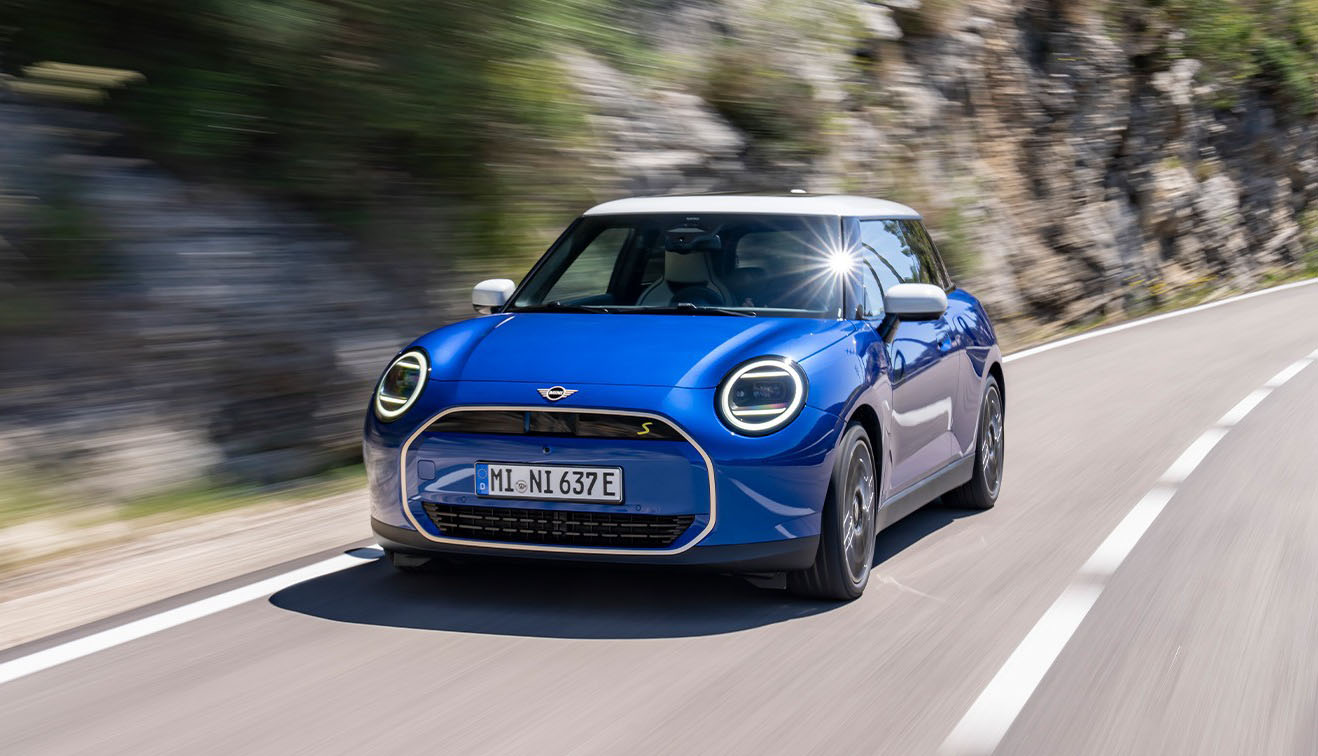
Many brands create a Brand House, yet in many cases it remains little more than a strategic diagram that is disconnected from actual behavior and customer experience. MINI, however, has managed to turn its Brand House into a living system. That is precisely why MINI continues to be such a fascinating case study for anyone interested in brand strategy. After writing about the brand previously, I found myself revisiting MINI’s latest global brand strategy documents. Throughout the entire reading experience, one question kept returning to my mind.
“Why does MINI talk about Character?”

When reading brand strategy documents, there are moments when a single sentence makes you stop and linger. Not because it is beautifully written, nor because it contains an impressive marketing phrase. Rather, it is because one sentence manages to explain a brand’s past, present, and future all at once. In MINI’s latest brand strategy document, the sentence that held my attention the longest was this:
Iconic Brands Grow Because They Are Based on Character, Not Size.
When you think about it, few brands embody this idea as naturally as MINI. For decades, the automotive industry has been an industry of size. Larger bodies, more powerful engines, bigger interiors, higher performance. Brands themselves have often been judged by how large they have become. Companies that started with small vehicles expanded into larger segments, and brands that once occupied a niche market sought growth through scale and diversification. In many ways, the industry has traditionally equated growth with expansion in size.
MINI, however, has always been different. It never tried to hide the fact that it was small. Instead, it transformed smallness into its identity. Rather than treating its compact dimensions as a weakness, it turned them into an attitude. As a result, MINI became more than a company that manufactures small cars. It became a brand that uses small cars to express a different way of living. This is what makes MINI’s recent strategy particularly interesting. The more you read it, the more you realize that MINI talks about people more than it talks about cars. While most automotive brands explain the future through technology, performance, electrification, and driving experiences, MINI asks a different question: Why do we exist? And MINI answers that question through a new Brand Promise:
We Spark Individuality to Uplift People's Lives.
The first time I read this statement, it did not feel like the declaration of a car company. It does not promise better vehicles, nor faster transportation. Instead, it talks about awakening individuality. It is a statement about people, not automobiles.
And once you understand this sentence, MINI’s emphasis on Character begins to make perfect sense. For MINI, Character is not the destination. Character is the vehicle through which Individuality becomes visible. MINI seeks to become a brand that enables people to express their tastes, attitudes, and sense of self through the cars they choose.
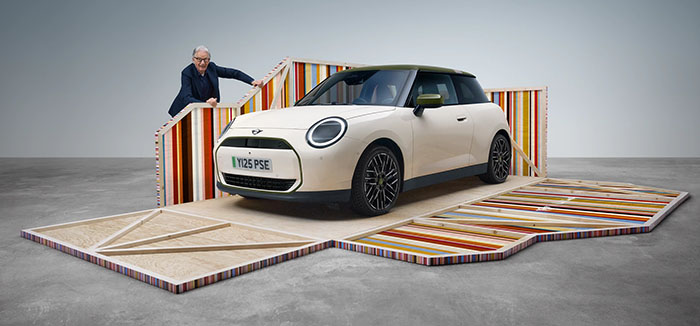
When you think about it, MINI has always been this kind of brand. MINI has consistently shown more interest in the people who drive its cars than in the cars themselves. It built small cars, but it never talked about a small life. It talked about cities, but focused not on the size of spaces, but on the attitude with which people use them. That is why people who love MINI are not simply purchasing a vehicle; they are choosing a perspective. MINI is less a brand that provides transportation and more a brand that proposes a way of seeing the world. This perspective is also reflected in the way MINI defines its customers.
Our Tribe is united by a Progressive Mindset.
This statement reveals who MINI wants to engage with. MINI does not talk about a specific age group. Nor does it talk about a particular income level. Instead, it speaks to people who view the world with a more open perspective, who are not afraid of new ways of doing things, who have their own tastes, and who do not hide their individuality. MINI defines its customers not by demographics, but by mindset. This is a much bigger distinction than it may seem. It is not a way of describing a target audience, but a way of explaining the brand’s worldview. That is why another sentence in MINI’s strategy document stood out to me.
The World is Becoming a Bit More MINI Every Day.
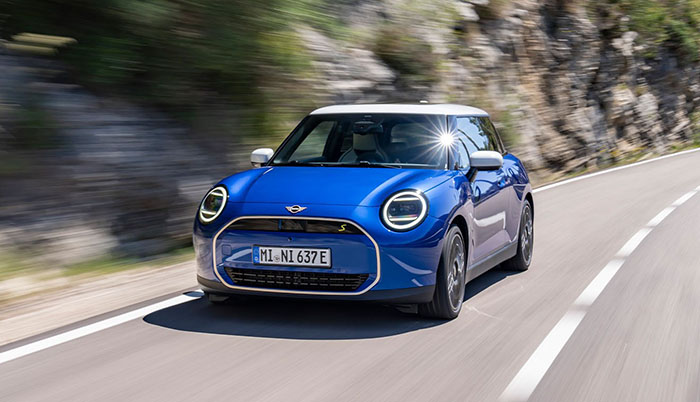
At first glance, it may sound like the kind of confidence every brand likes to project. But the more you think about it, the more it feels like a remarkably accurate observation. People are increasingly valuing personal taste over standardized definitions of success. They are becoming more interested in being themselves than in becoming bigger. Experiences matter more than displays of status, and connection often matters more than ownership. Cities continue to grow denser, space must be used more efficiently, and sustainability is no longer a choice but a basic expectation. The values MINI has championed for decades are increasingly becoming the values of the broader culture. Perhaps the world is not becoming more like MINI. Perhaps the world is simply moving in a direction that MINI recognized long ago.
Ultimately, what MINI offers is not merely a strategy for selling automobiles. It offers an answer to a much larger question: What makes a brand grow? Many brands still focus primarily on becoming bigger. Yet the brands that remain in people's memories tend to follow a different path. They invest in developing character. And through that character, MINI ultimately speaks about individuality. The courage to make different choices. The confidence to express personal taste. The willingness to live life in a way that feels authentically one's own. MINI is not simply a brand that makes small cars. It is a brand that has believed in individuality from the very beginning. And perhaps that is the real reason it has remained beloved for so long.
















#14057, 905 49, Beolmal-ro 102beon-gil,
Dongan-gu, Anyang-si, Gyeonggi-do, Korea
Business Registration Number: 454-86-01044
Online Sales License No.: 2021-Anyang Dongan-1081
Copyright © DESIGNSORI Co., Ltd.