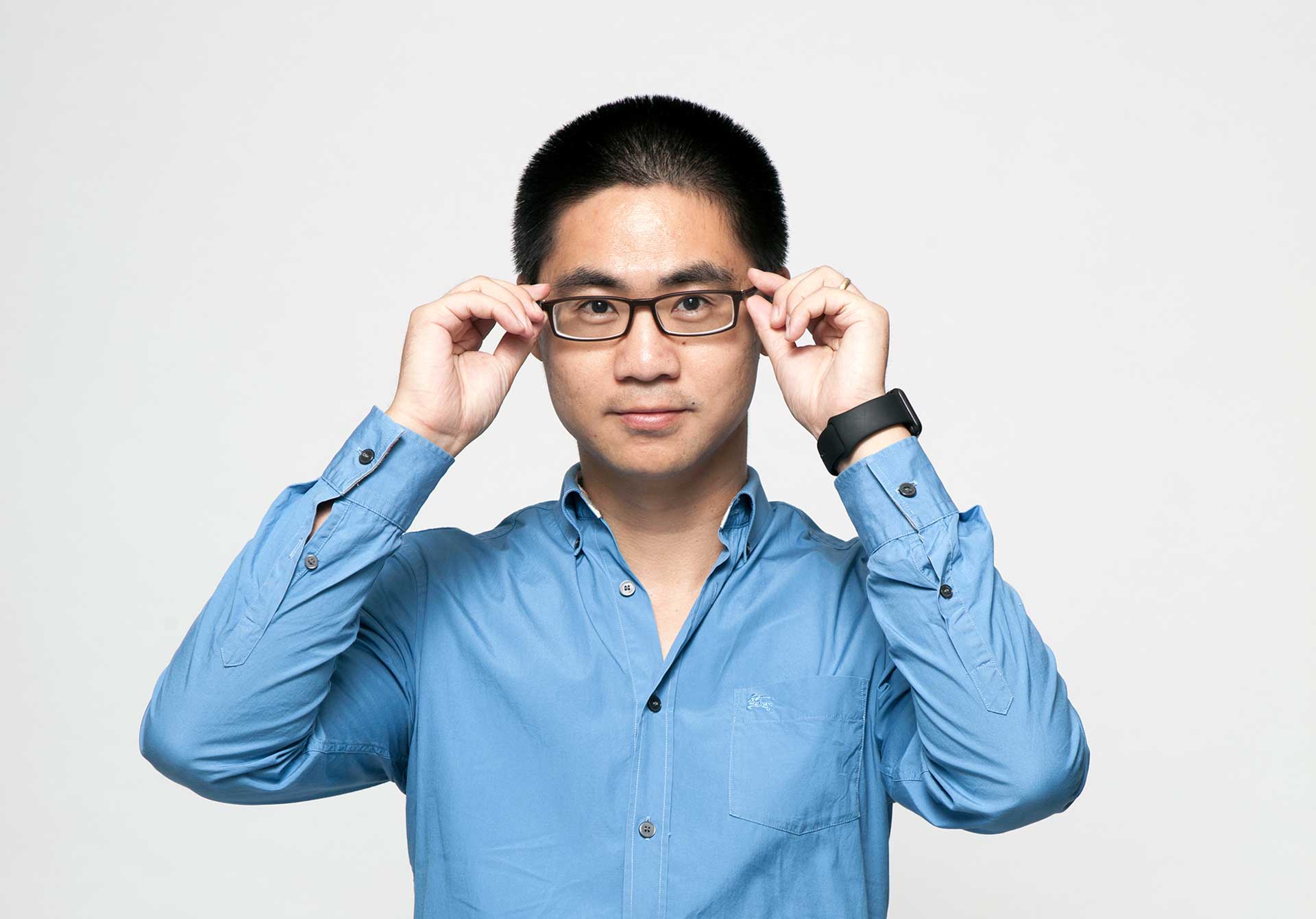
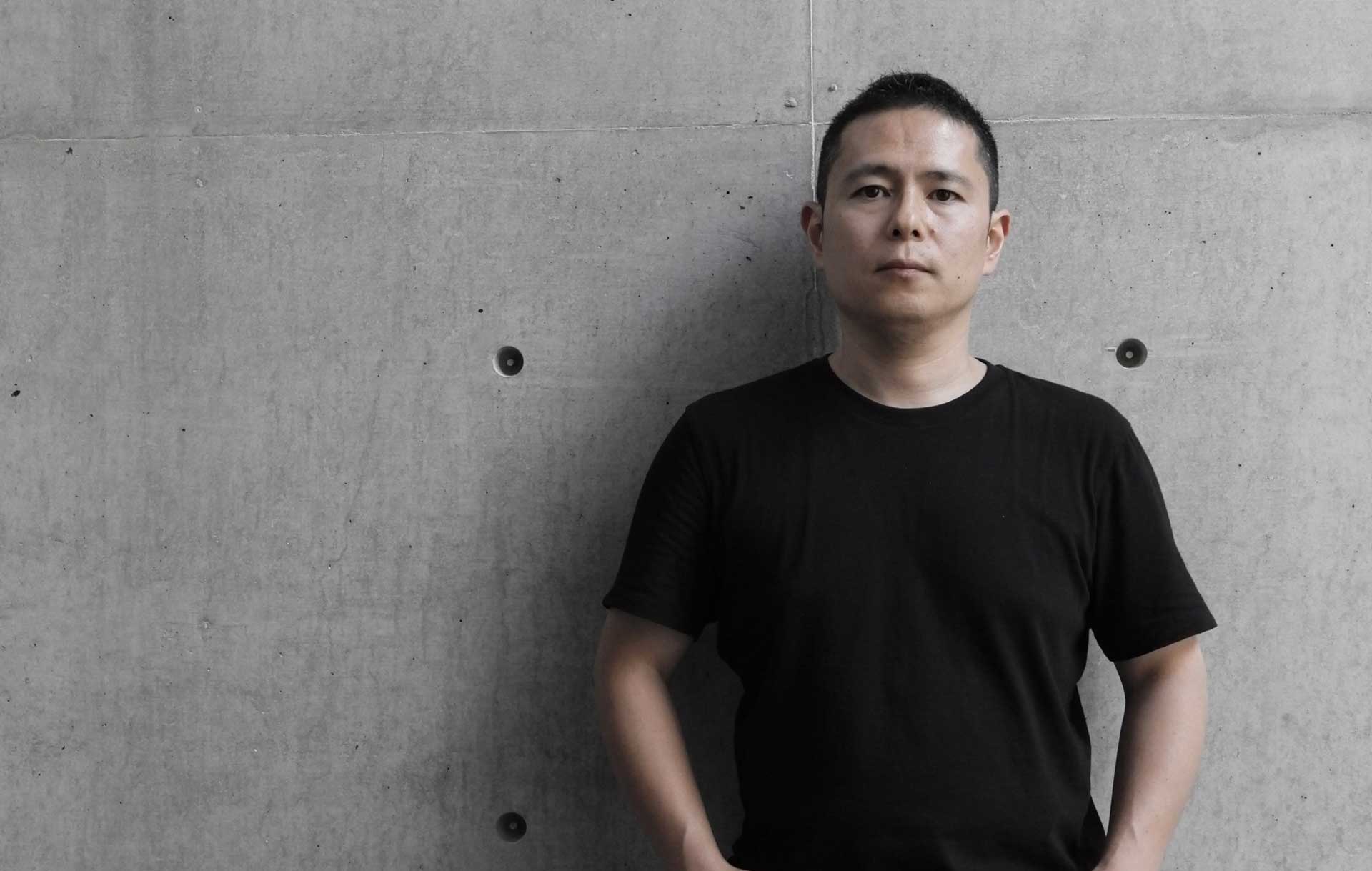
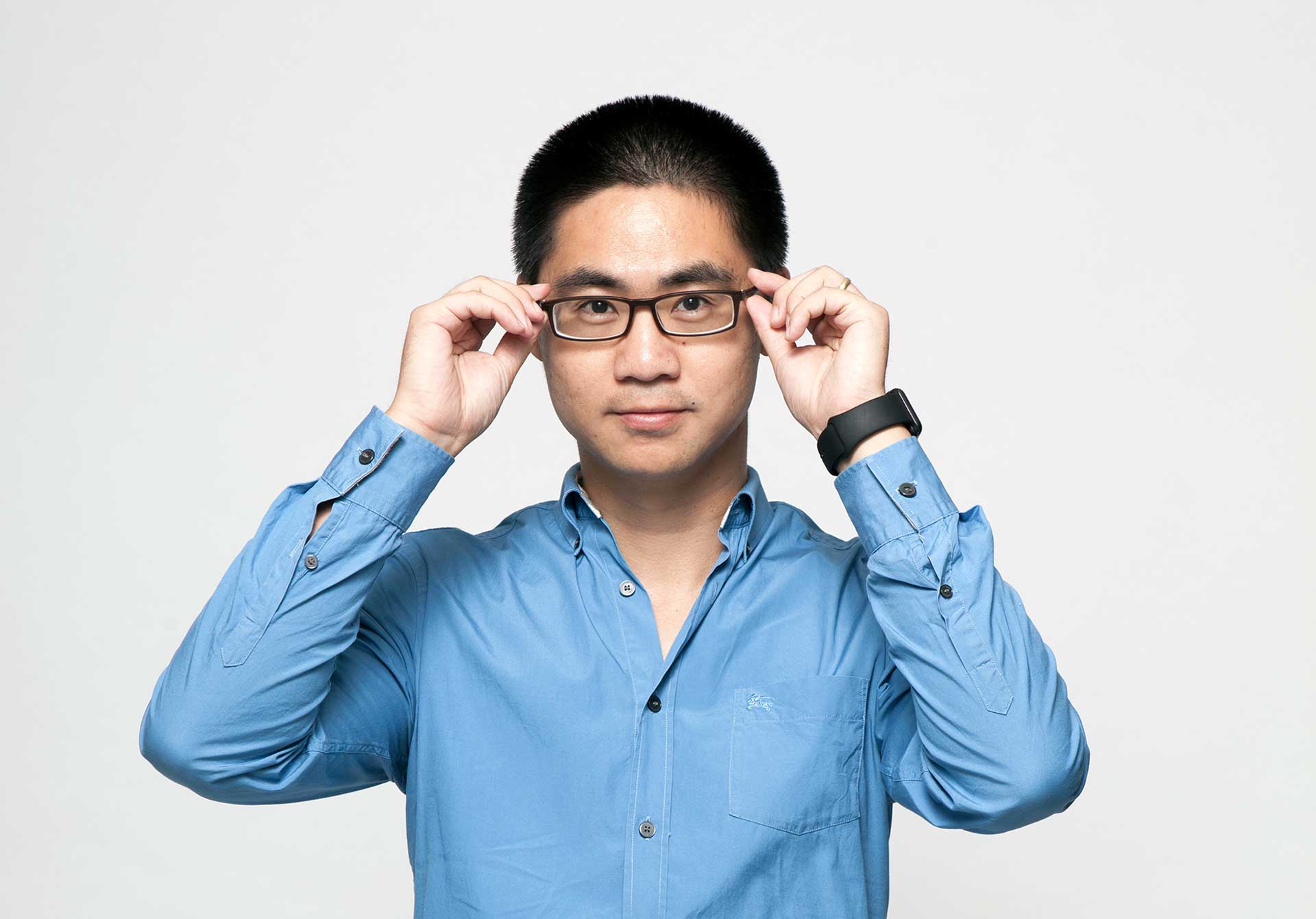
Luo An Executive Managing Director of TEAMS Design Chicago
"Industrial design is no longer merely about giving form to products. Today, design is expanding into a core language that drives entire businesses, connecting brand strategy, user experience, AI technology, and service structures. Luo An of TEAMS Design is a designer who has accompanied the growth of the industrial design industry in China. Having experienced everything from the dawn of the design sector in China to the systematic design thinking of Germany and the business environment of the United States, he has witnessed firsthand how design has evolved beyond physical products to architecting entire brands and experiences. In this interview, we discussed the transformation of industrial design, design leadership in the AI era, the humanoid robot ORCA project, and the future direction of design. His perspective, which bridges technology and emotion alongside strategy and experience, demonstrates the expanding role of industrial design today."
To begin, could you introduce your role at TEAMS Design Shanghai and your journey as a designer? We would also appreciate it if you could share your experience in the fields of industrial design and product design.
I currently serve as a consultant for TEAMS Design Shanghai, but my history with the company runs quite deep. Back in 2004, I began my career by joining TEAMS Design Stuttgart as a junior designer. During that pivotal time, I was able to experience firsthand the rapid and dynamic growth of the industrial design industry across the Asian market. Driven by this momentum, I founded TEAMS Design Shanghai in 2006, where I took on the responsibility of leading the studio's Asian operations and spearheading our overall business development in the region.
Later, in 2023, I transferred to TEAMS Design Chicago to step into the role of Executive Managing Director, shifting my primary focus to developing and expanding our North American business. Over the course of more than two decades of active design practice, I have had the privilege of witnessing a profound evolution in our field. I have seen the focus shift from individual product design to the creation of comprehensive design language systems, and ultimately to the holistic experience design we see today. In the past, design used to be much closer to a specialized, craft based profession. Today, however, it has completely transformed into a crucial strategic capability that is deeply and intricately connected to overall business success. As a direct result of this evolution, the true influence and value of design continue to grow exponentially across all industries.
We understand that you have worked across a wide range of industries. From your perspective as a designer, how do you define industrial design today, and what are the most important criteria you consider when designing a product?
Product design is not merely a form of personal self expression for the designer. Rather, it is a comprehensive solution thoughtfully created to serve countless users. The needs of these individuals vary widely, and they continue to change dynamically alongside shifting times, evolving cultures, and transforming daily habits. For this reason, the specific way designers position themselves in relation to the people using their products is critically important to the success of any project. In most conventional cases, designers need to listen very carefully and dig deep to uncover the real, underlying needs of the market. They often need to completely set aside their own preconceived assumptions and directly experience the daily pain points from the exact perspective of the users themselves. However, in highly innovative, zero to one projects where something is being created entirely from scratch, designers must also be prepared to take on a strong leadership role. In these pioneering situations, they need to make integrated, strategic judgments about an uncertain future. Ultimately, they must confidently guide both their clients and the end users toward a clear, compelling, and visionary design direction.
Industrial design is gradually shifting from a product-centered approach to an experience-centered one. How do you see the role of designers evolving within this transition?
The ongoing shift from a strictly product centered approach to a more comprehensive experience centered approach represents, in its truest essence, a massive expansion of the overall scope of design. In the past, the traditional role dictated that designers might have focused primarily on the physical attributes and aesthetics of a single item or a specific series of products. Today, however, with the rapid rise and adoption of holistic experience design, the landscape has completely transformed. Designers are now able to become deeply involved much earlier in the foundational stages of a project. This early involvement includes shaping core brand planning, defining complex product architecture, and actively contributing to product marketing strategies. Furthermore, they can seamlessly extend their creative work into the later, equally vital touchpoints of the consumer journey, such as intricate packaging design and the ongoing development of product services.
Naturally, this broadened responsibility places significantly higher demands on the overall capabilities and skill sets of modern designers. Because the various experience touchpoints of a product lifecycle are very often created and managed by entirely different teams and specialized departments, designers are now required to act as the unifying thread. To succeed in this evolving environment, they absolutely need to cultivate stronger systems thinking to understand the big picture, sharper strategic thinking to align with business goals, and highly advanced communication skills to effectively collaborate across diverse disciplines.

As more products integrate AI, design seems to be moving from explaining technology to shaping user experience. How do you interpret this shift?
Personally, I remain highly optimistic about the continued development and integration of AI, even though we must acknowledge that it may eventually replace a significant portion of the foundational work that designers do today. As these tools evolve, pure design capability in terms of raw output may no longer be viewed as a scarce or exclusive resource. This is simply because AI has the unprecedented ability to generate an enormous volume of ideas and rapidly produce a vast array of both two dimensional and three dimensional visual expressions in mere moments. However, while execution may become democratized, true design leadership will undoubtedly remain a rare and highly valued resource held only by outstanding human designers. In the realm of zero to one innovation where we are creating something entirely unprecedented, someone must still step up to make critical judgments about an ambiguous and uncertain future. More importantly, someone must take full responsibility for the consequences of those strategic judgments. I firmly believe that this inherent courage, coupled with a deep and empathetic sense of mission to truly represent and advocate for the users, is something that AI tools are simply not equipped to replicate.
To illustrate this, I often think of the renowned science fiction writer Liu Cixin and his short story titled The Poetry Cloud. In this story, he offers a profound view of superintelligence. A machine may possess the computational power to generate every possible combination of words to write every conceivable poem, but it inherently lacks the soul to know which of those combinations is truly poetry. The exact same principle applies to our field of design. AI can effortlessly generate a massive and almost overwhelming amount of design output, but human intuition and empathy are still critically needed to make the nuanced aesthetic and value based judgments that resonate with people. Ultimately, while AI may empower many ordinary individuals to participate in the creative process, the guiding vision and essential involvement of professional designers will remain absolutely indispensable.
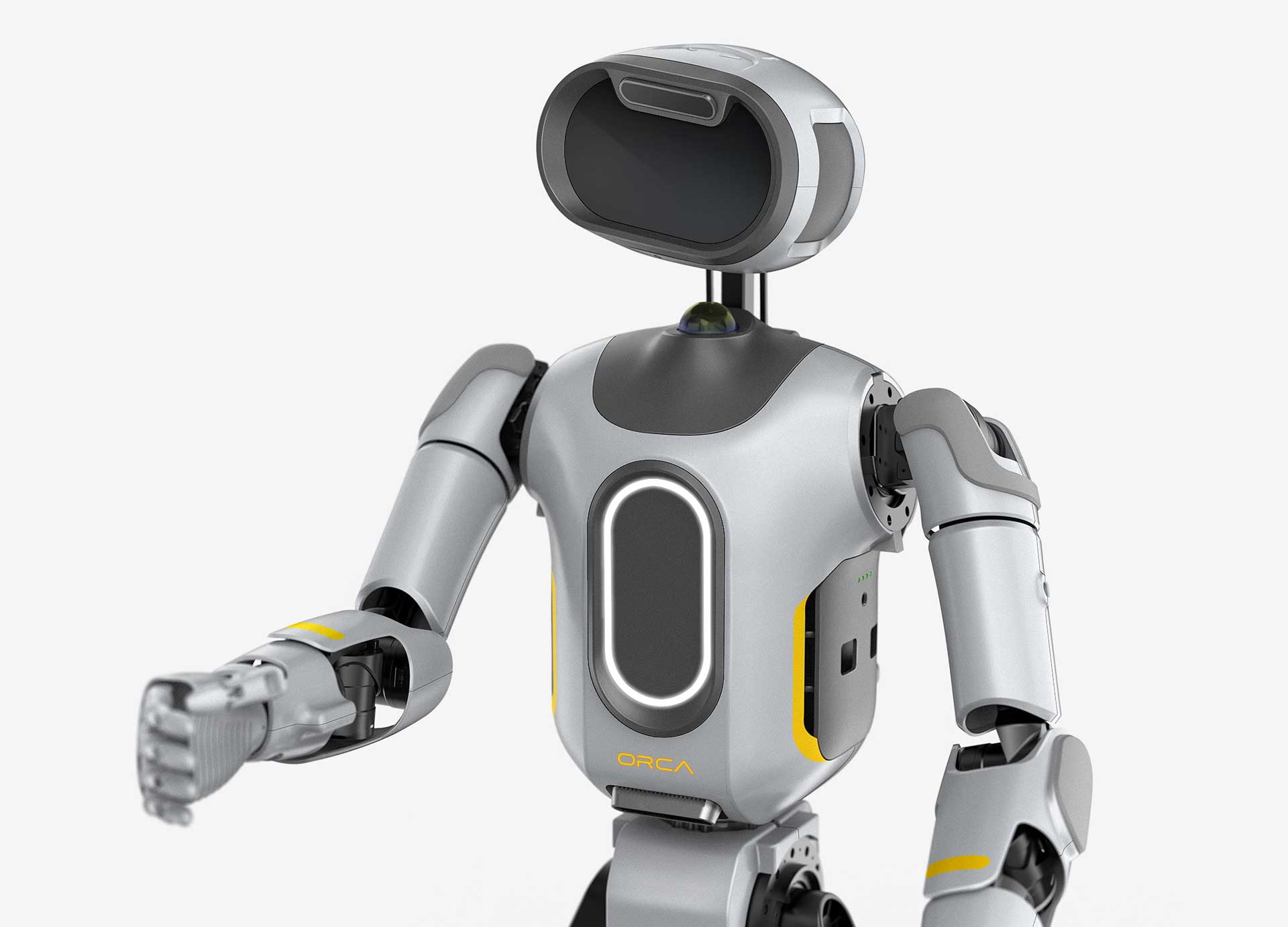
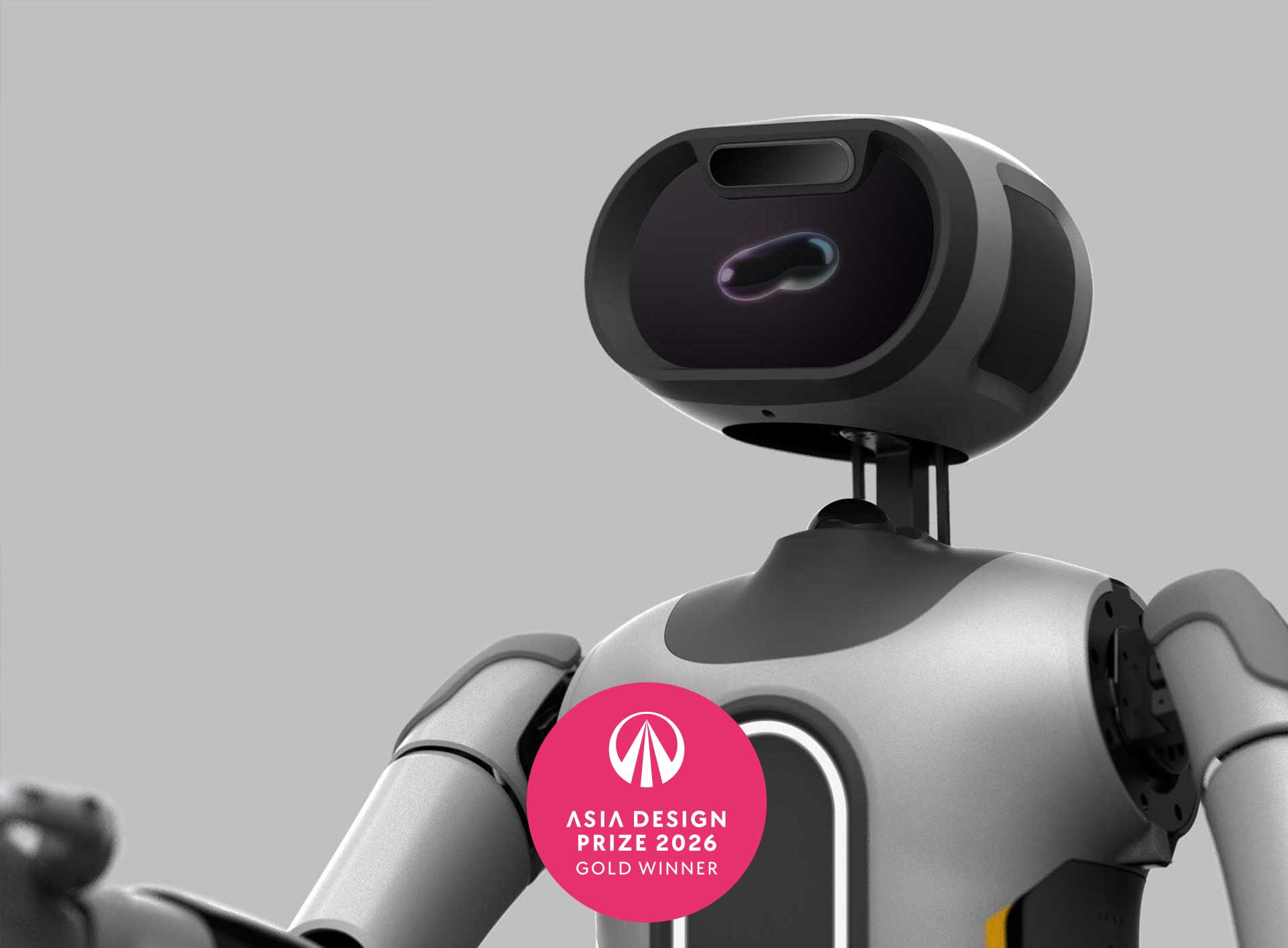
< ORCA General Humanoid Robot Platform, ASIA DESIGN PRIZE 2026 Gold winner >
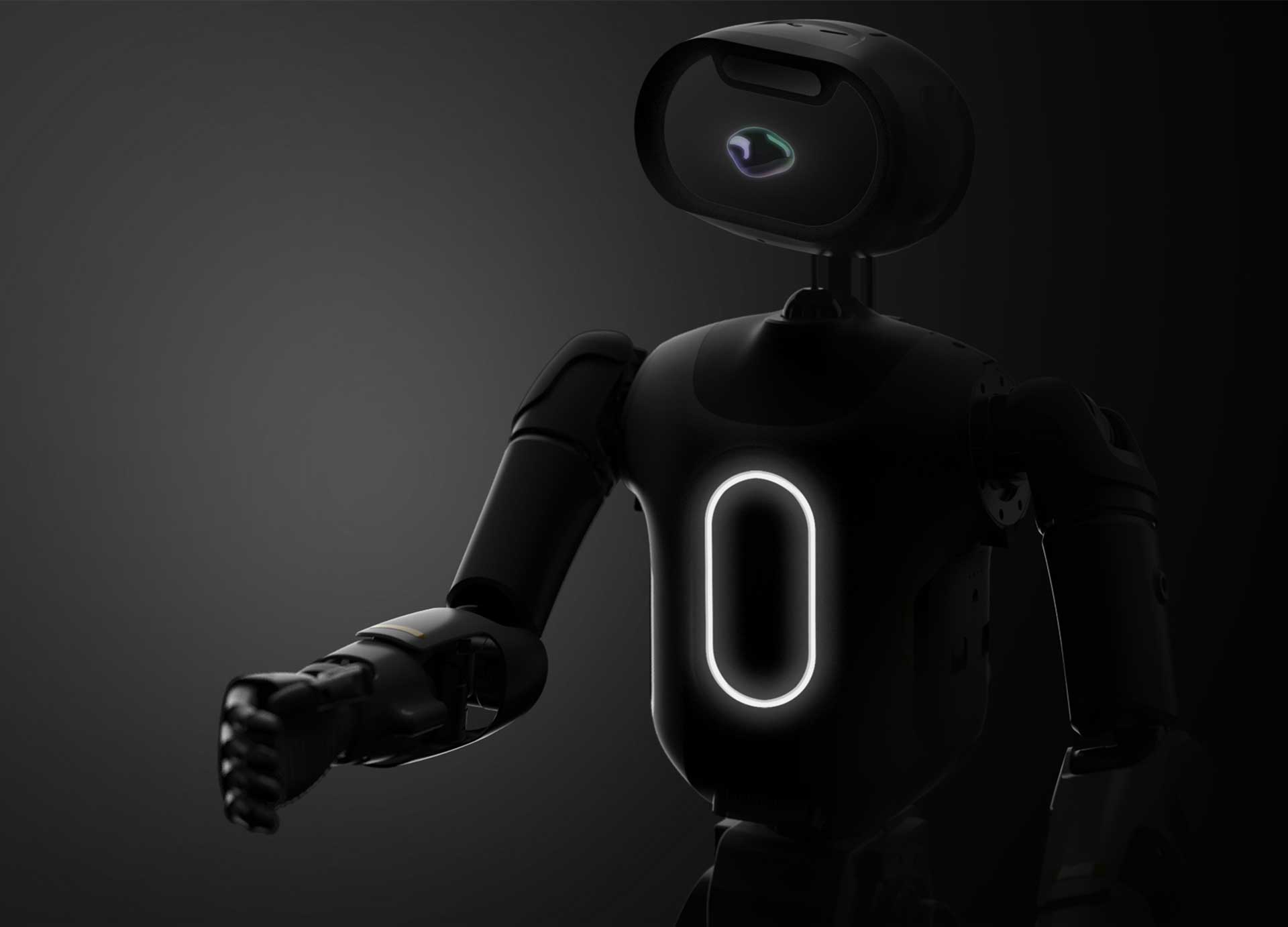
The ORCA project is particularly compelling as a humanoid robot designed for aging societies and service environments. Could you share the background of this project and the key challenges you aimed to address as a designer?
Robots will certainly become one of the most vital and necessary solutions for aging societies in the near future. However, the exact physical form and functional nature they will ultimately take are still being actively explored and debated across the entire industry. Although our team has worked extensively on many different humanoid robot projects over the years, I view all of these initiatives as essential pioneering explorations. They are deep, hands on explorations of various technology routes, innovative manufacturing materials, and highly specific daily use scenarios. The ultimate and most effective form of the robots that will one day seamlessly integrate into our daily lives may very likely be quite different from the early prototypes we see today. Nevertheless, someone must take the bold initiative to keep testing and rigorously validating every single possible development path through continuous, real world practice.
When it comes to the actual development process, one major and unique challenge in humanoid robot design is that many of the core internal structural components also serve directly as highly visible exterior components. Unlike many typical consumer products, robots often feature complex moving structural parts and joints that simply cannot be fully covered or hidden by a decorative outer shell to create a separate, purely aesthetic visual language. Because of this inherent mechanical complexity, successful robot design strictly requires a perfect, harmonious unity between the inside and the outside. In other words, the internal functional structure itself inevitably becomes the final outward appearance of the product. Designers working in this specialized field therefore need to consistently find the ideal, delicate balance between pure structural engineering logic and compelling visual expression.
ORCA appears to be a system that integrates hardware, AI, and interface design. How did you approach designing these complex elements into a unified user experience?
Many of our previous and highly demanding projects across various sectors such as professional tools, healthcare, and education have similarly involved incredibly complex systems. These multifaceted systems very often include vastly different user roles and personas, as well as a wide variety of intricate hardware and software technology solutions working in tandem. To successfully guide and manage such a complex design system, the absolute prerequisite is having a thoroughly well established and rigorously tested design strategy, alongside a highly structured design process. My extensive professional experience has repeatedly taught me that we absolutely should not rush headfirst into generating immediate product solutions. Instead, we need to take a deliberate step back and first deeply understand the diverse users and their specific environments. We must meticulously clarify the exact product positioning within the broader market and firmly define the overarching brand strategy. Once that foundational logic is completely clear and universally understood by the entire team, the detailed design of every single experience touchpoint can organically and naturally unfold from it, ensuring a truly cohesive and perfectly unified final result.
< ORCA General Humanoid Robot Platform, ASIA DESIGN PRIZE 2026 Gold winner >
Humanoid robots, due to their human-like form, can have a strong psychological impact on users. How do you approach balancing form and emotional expression in robot design?
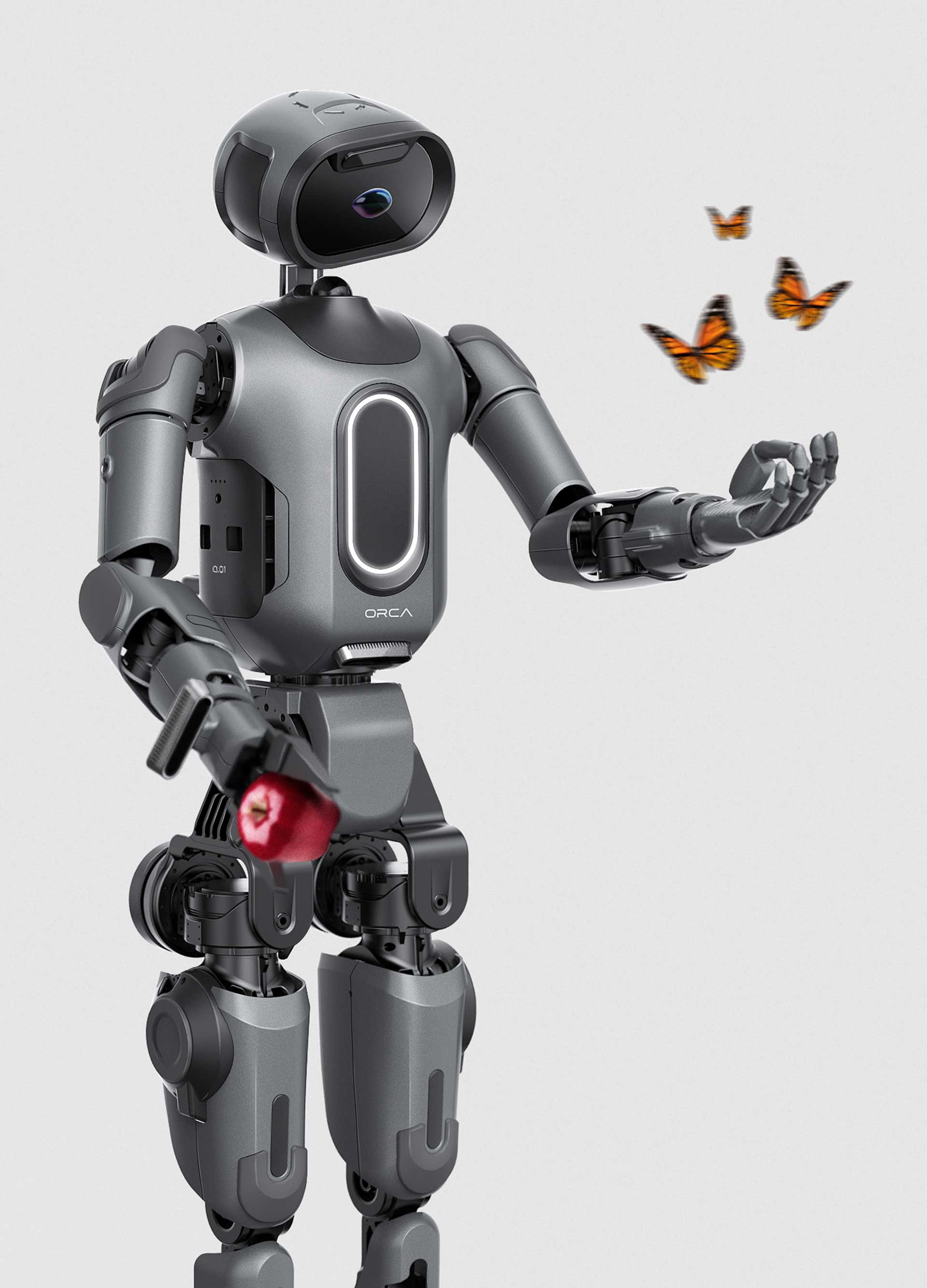
In our specific understanding and application of anthropomorphism, we intentionally do not try to deliberately imitate realistic human physical characteristics. After all, we must thoroughly recognize that lifeforms built on silicon and those built on carbon may each inherently have their own distinct and unique evolutionary paths. Therefore, they certainly do not need to develop in the exact same direction or attempt to look identical. For our design team, the core concept of anthropomorphism is much more about carefully identifying the fundamental shared principles that make the daily interaction between intelligent machines and human beings significantly more intuitive and efficient. For example, when the robot is providing communicative feedback to a user, we absolutely do not intend to use literal expressions that directly copy or mimic complex human facial emotions.
Instead, we prefer to dive deeper and explore much more abstract interaction semantics. We use these thoughtful, abstract visual and auditory cues to effectively express the internal emotional states of a robot, whether that translates to a sense of joy, anger, sadness, or delight. This strategic approach ensures the communication feels entirely natural and clear, allowing users to connect with the machine without ever crossing into an uncomfortable or unnatural territory.
Beyond robotics, designing the relationship between users and products is becoming increasingly important. When structuring user experience, what elements do you consider most critical?
In the broad field of design, creating a genuinely better and more memorable user experience generally stems from two primary directions. The first direction is a direct improvement in practical usability, for instance, integrating highly functional massage seats into a vehicle to physically comfort the driver. The second direction is a thoughtful enhancement of emotional value, such as carefully designing customizable ambient lighting in that same vehicle to elevate the overall mood and atmosphere. From the modern perspective of technology and design integration, we have reached a point where almost any conceivable function can be added and technically implemented. However, largely because of the inherent limitations and the rapid convergence of global technological development, it has become exceedingly difficult to create a truly meaningful and lasting competitive difference based solely on functional usability. Today, competitors can easily replicate standard technical features.
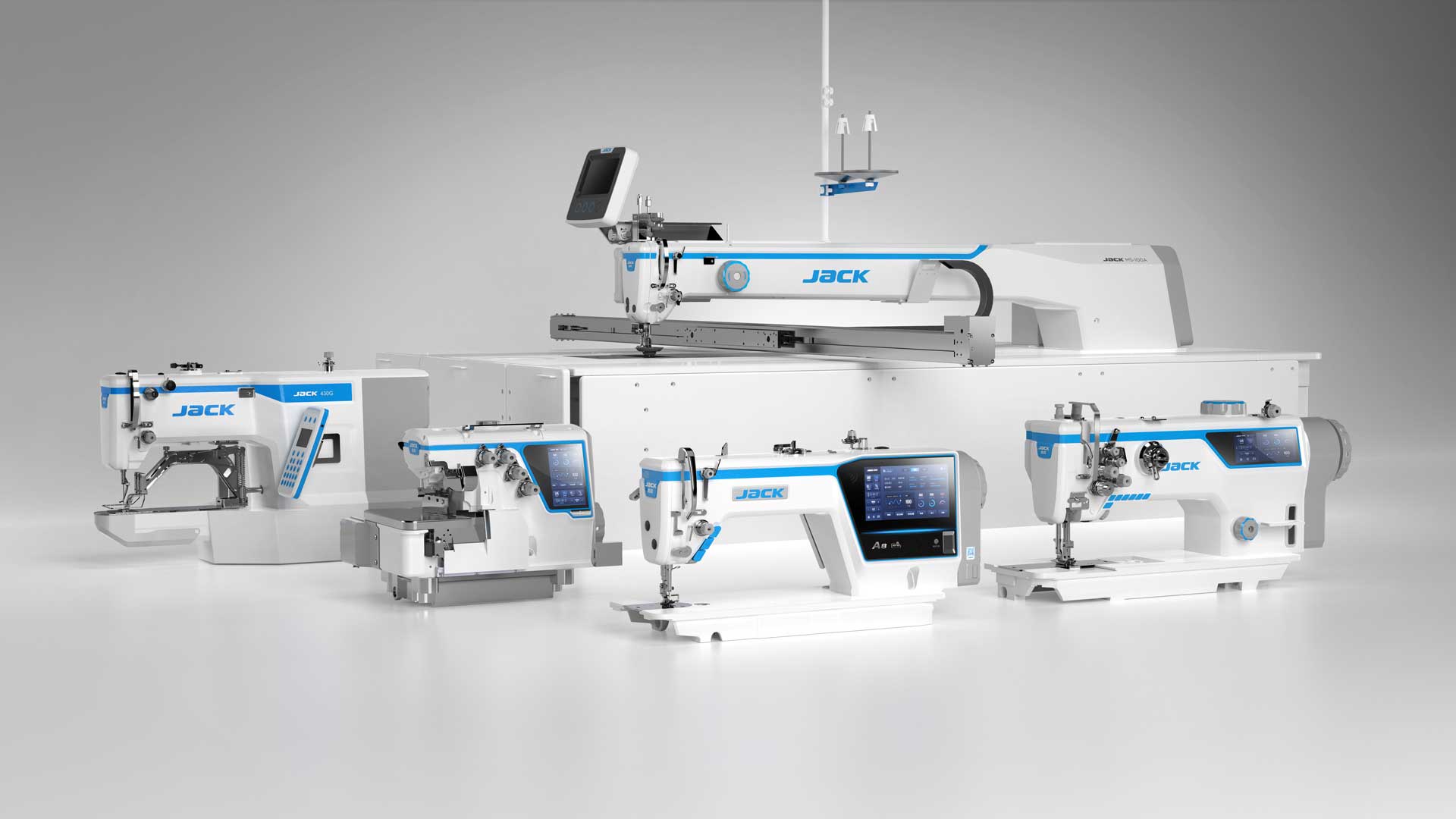
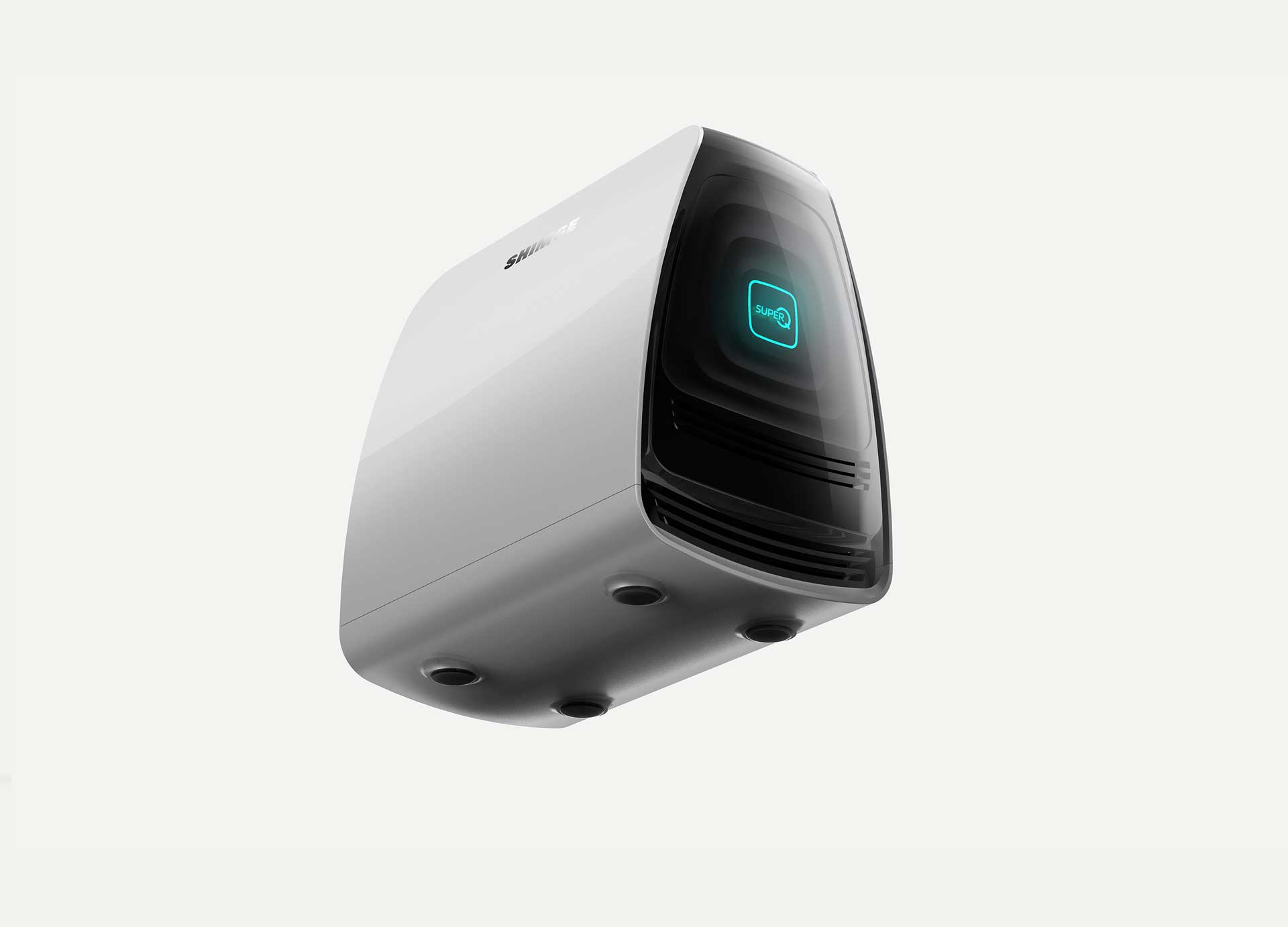
Emotional experience, by striking contrast, is entirely about cultivating psychological pleasure, building genuine anticipation, or even sparking a fleeting but profound moment of being moved. This emotional layer is undoubtedly much harder to uncover, clearly define, and physically touch, but it possesses the unique power to create a substantially stronger and more resilient connection between the design and the users. Outstanding design can indeed bring about a small, unexpected moment of positive emotion and foster deep empathy between the human user and the inanimate product. To give you a very practical example, when our team was tasked with designing an industrial sewing machine, we took the time to deeply consider the daily reality of the end users.
We realized that factory sewing workers often listen to music on their smartphones to help pass the time during their highly repetitive daily work, and consequently, they constantly need a convenient way to charge their personal devices on the factory floor. Recognizing this distinctly human need, we deliberately added a simple USB charging port directly into the industrial machinery. That seemingly small functional detail was actually a profound design response rooted in deep empathy for the real, everyday lives of the people actively using our product.
Industrial design today is expanding into a convergence of technology, service, and brand. In this context, what do you believe are the most essential capabilities designers should develop?
I firmly believe that to thrive in this new era, the most essential capabilities extend far beyond traditional aesthetic skills. First and foremost, designers must cultivate strong design leadership. This crucial quality is what allows them to confidently guide complex projects, inspire cross functional teams, and make decisive, forward looking judgments in the face of constant industry uncertainty. Additionally, profound strategic thinking is absolutely required. Designers can no longer afford to work in creative isolation. They must take a holistic view and ensure that every single creative decision aligns seamlessly with the broader business objectives, overall technological roadmaps, and core brand values of the organization.
Finally, and perhaps most importantly, designers must constantly develop and practice deep, genuine empathy. This empathy must be deliberately directed not only toward the end users to truly understand and solve their hidden daily needs, but also toward the various other functional teams and diverse departments they collaborate with on a daily basis. By actively fostering this dual empathy, designers can successfully bridge communication gaps, harmonize vastly different professional perspectives, and ultimately deliver a truly cohesive, unified, and impactful final experience.
Finally, how do you envision the future of industrial and product design, and what kind of design values would you like to pursue in the long term as a designer?
Seven or eight years ago, I delivered a presentation provocatively titled "Design Is Dead." This bold statement certainly did not mean that design would no longer be needed in the future, nor did it imply that traditional design work would be completely replaced or rendered obsolete. Rather, my core message was that design, viewed as a comprehensive capability, may gradually become a fundamental basic skill mastered by a much wider demographic of people, very much like typing on a keyboard or speaking a foreign language. Today, with the rapid development of accessible AI tools and the continued, deep integration of design and business disciplines, we are indeed seeing more and more individuals from diverse backgrounds actively participating in the creative design process. This naturally raises a profound question regarding what the future existence of professional designers will actually look like. Perhaps the specific profession of "designer," at least in terms of a rigid formal title, may one day no longer exist in the way we understand it now.
In the future, those we consider designers may simply be the individuals who possess a more forward looking and visionary way of thinking. They could just as easily be ambitious entrepreneurs, innovative politicians, pioneering inventors, or dedicated professionals from many other seemingly unrelated fields. A wide array of powerful and intuitive design tools will help them quickly and conveniently turn their abstract strategic thinking into concrete, actionable designs, empowering them to effortlessly bring those ideas to life in the real world. Admittedly, this paradigm shift may not necessarily feel like a fortunate development for those strictly holding the traditional title of designer today. However, for the discipline of design itself, when that pivotal moment finally comes, design will become completely ubiquitous. In that profound sense, it will ultimately become truly eternal.














#14057, 905 49, Beolmal-ro 102beon-gil,
Dongan-gu, Anyang-si, Gyeonggi-do, Korea
Business Registration Number: 454-86-01044
Online Sales License No.: 2021-Anyang Dongan-1081
Copyright © DESIGNSORI Co., Ltd.