 Sangwoo Cho
Senior Designer at Jabra, Denmark
Sangwoo Cho
Senior Designer at Jabra, Denmark
We are passing through an era of cutting edge innovation. AI technologies have deeply permeated our everyday lives, and intelligent humanoid robots can now be encountered even in local supermarkets. Thanks to advanced FSD Full Self Driving technology, we have reached a point where drivers can sip coffee instead of handling the wheel.
It is moving faster than expected, far faster. With no time to pause and reflect on the present, we find ourselves chasing an uncontrollable flood of new technologies and products. As we run forward, breathless, there is even a fear that we may overlook what truly matters. That is precisely why the role of the storyteller has become more important than ever. Only when grounded in a compelling narrative can technology and innovation truly shine. Without a story, technology may briefly rise, only to fade away into emptiness. So how, then, should we design storytelling?
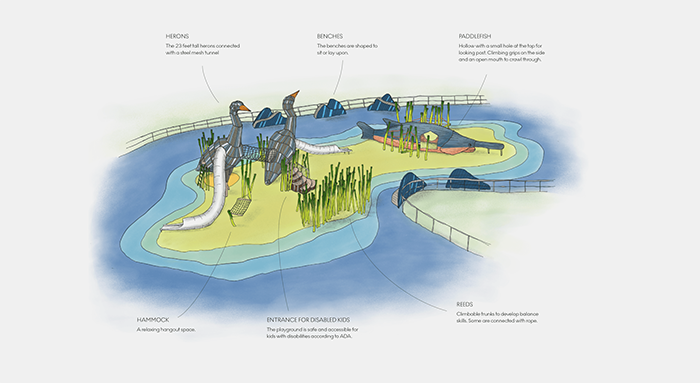
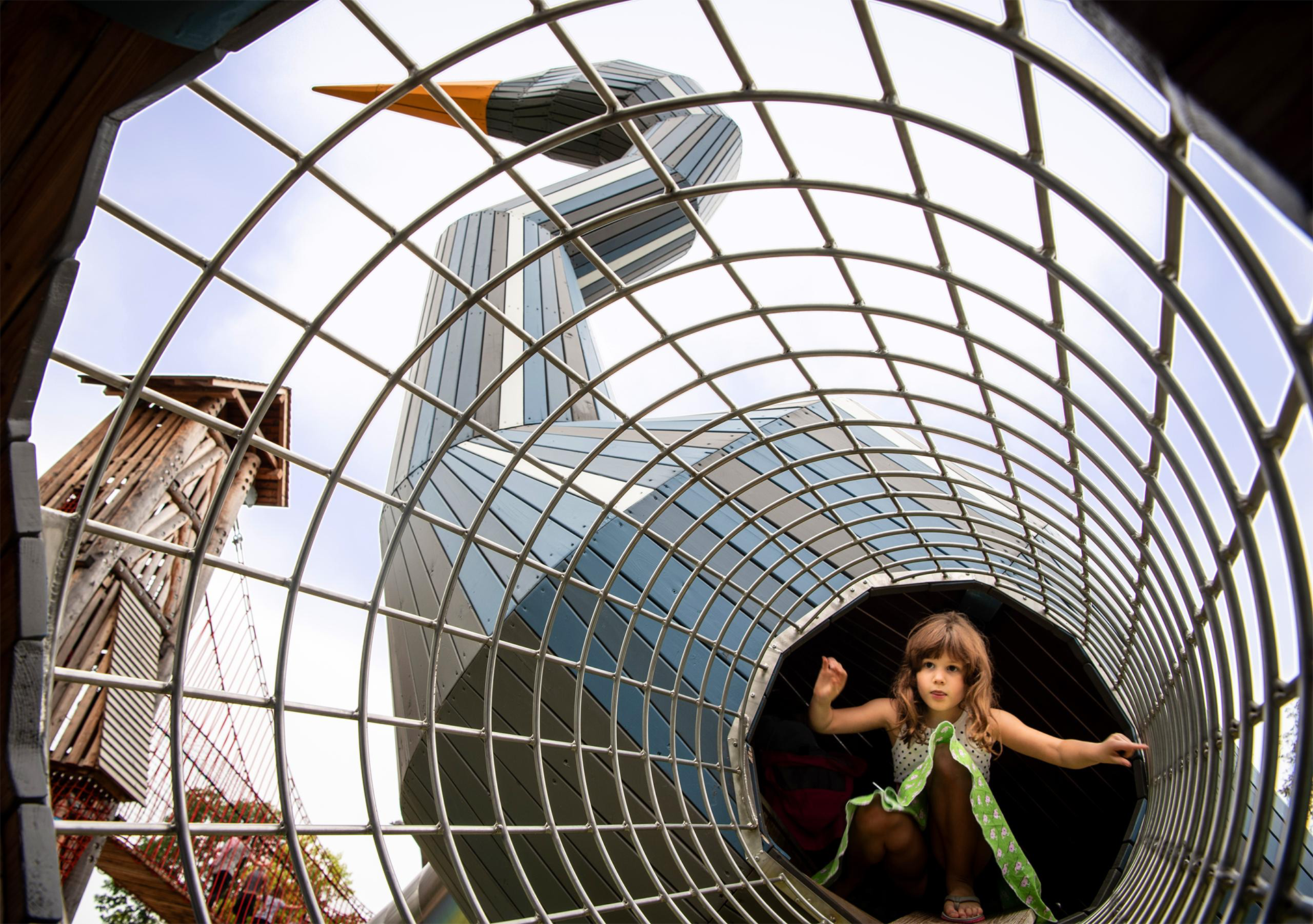
Here is an intriguing example. Monstrum www.monstrum.dk, a playground design company based in Denmark. Designing playgrounds, what does that mean? Some might imagine simply making swings and seesaws more visually appealing. But a look at their portfolio quickly changes that perception. What is a playground? One might picture slides, swings, and seesaws set upon soft rubber flooring. A familiar and accessible space where children gather, play tag, and engage in imaginative games, a space with a long history, easily found in any neighborhood.

< Image source : www.monstrum.dk >
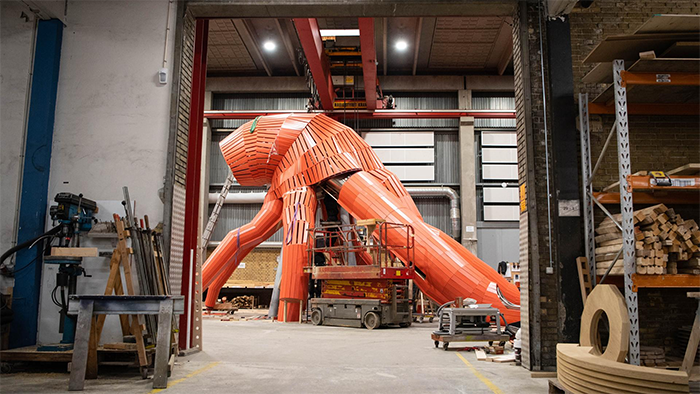
Monstrum, however, breathes powerful stories into this familiar space. Within environments shaped by long standing traditions, they introduce spaceships and pirate ships, releasing eagles and bears into the landscape. In these richly imaginative environments, children play freely, building their own narratives, becoming astronauts, pirate captains, princesses, or heroes, anything they can imagine. There was also a playground they designed in Copenhagen, where I once lived. What I still remember vividly is this. While parents usually watch their children play, in that playground, both children and parents played together. It was a remarkable example of emotional design, one that evokes memories even in adults and offers them a chance to return to a childlike state of mind.
Another noteworthy aspect is their use of big data. Their work may appear highly analog, but it is in fact deeply rooted in data. They are well known for carefully analyzing the climate, environment, and culture of each installation site and reflecting these insights in their designs. As a result, creative playgrounds continue to emerge across cities worldwide, in outdoor and indoor malls, airports, and various public spaces. This demonstrates that persuasive storytelling requires precise and high density data.
< Image source : www.monstrum.dk >
There is clearly a message here for us, as we race breathlessly through this era of cutting edge advancement. It is time to ask. Who is this technology for? What is this service truly for? What should we embrace, and what should we let go of in the name of innovation? When valuable storytelling comes into perfect harmony with technology, it gains meaning and can ultimately evolve into design for humanity. Now, designers must become storytellers.

















#14057, 905 49, Beolmal-ro 102beon-gil,
Dongan-gu, Anyang-si, Gyeonggi-do, Korea
Business Registration Number: 454-86-01044
Online Sales License No.: 2021-Anyang Dongan-1081
Copyright © DESIGNSORI Co., Ltd.