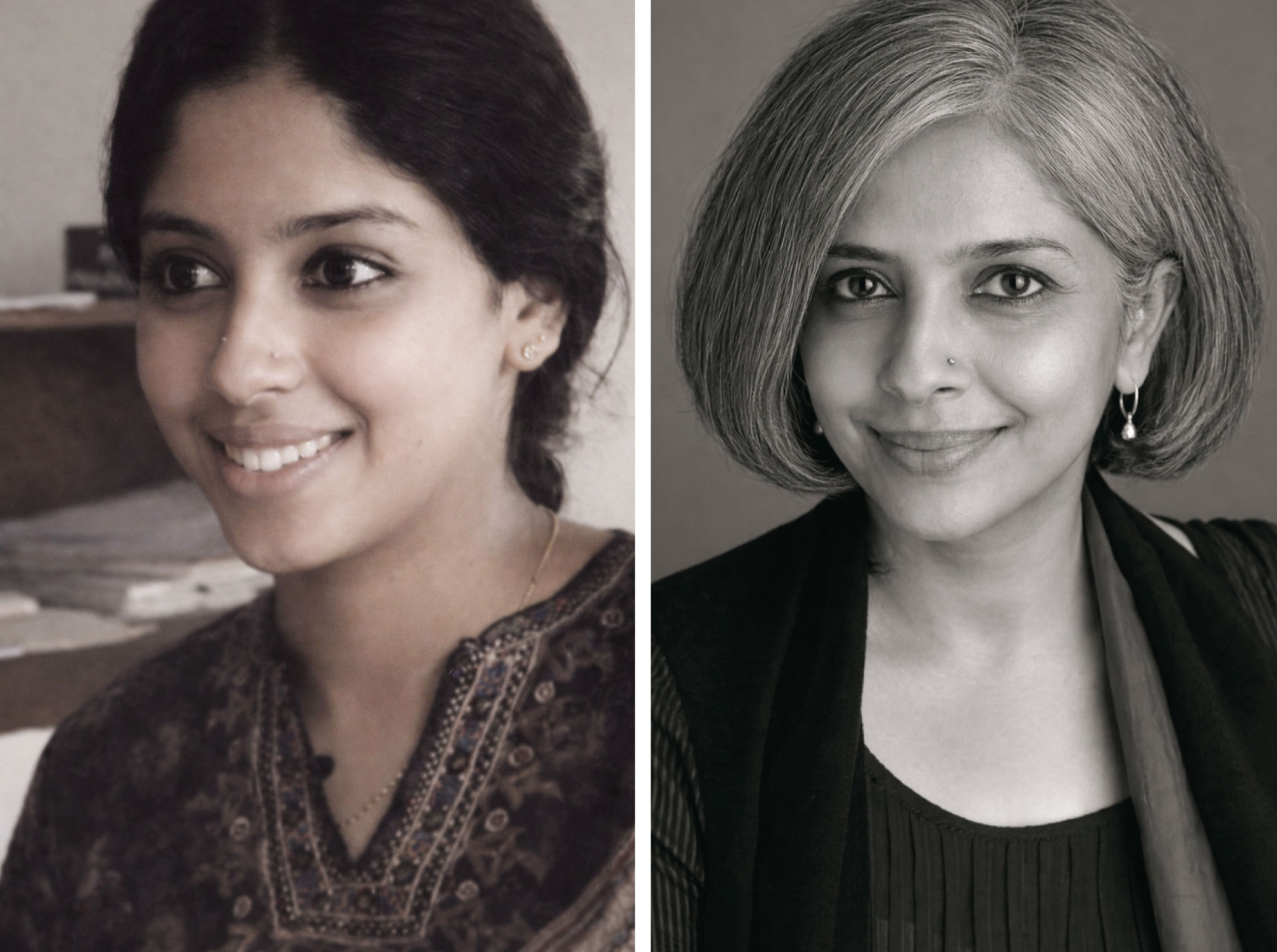
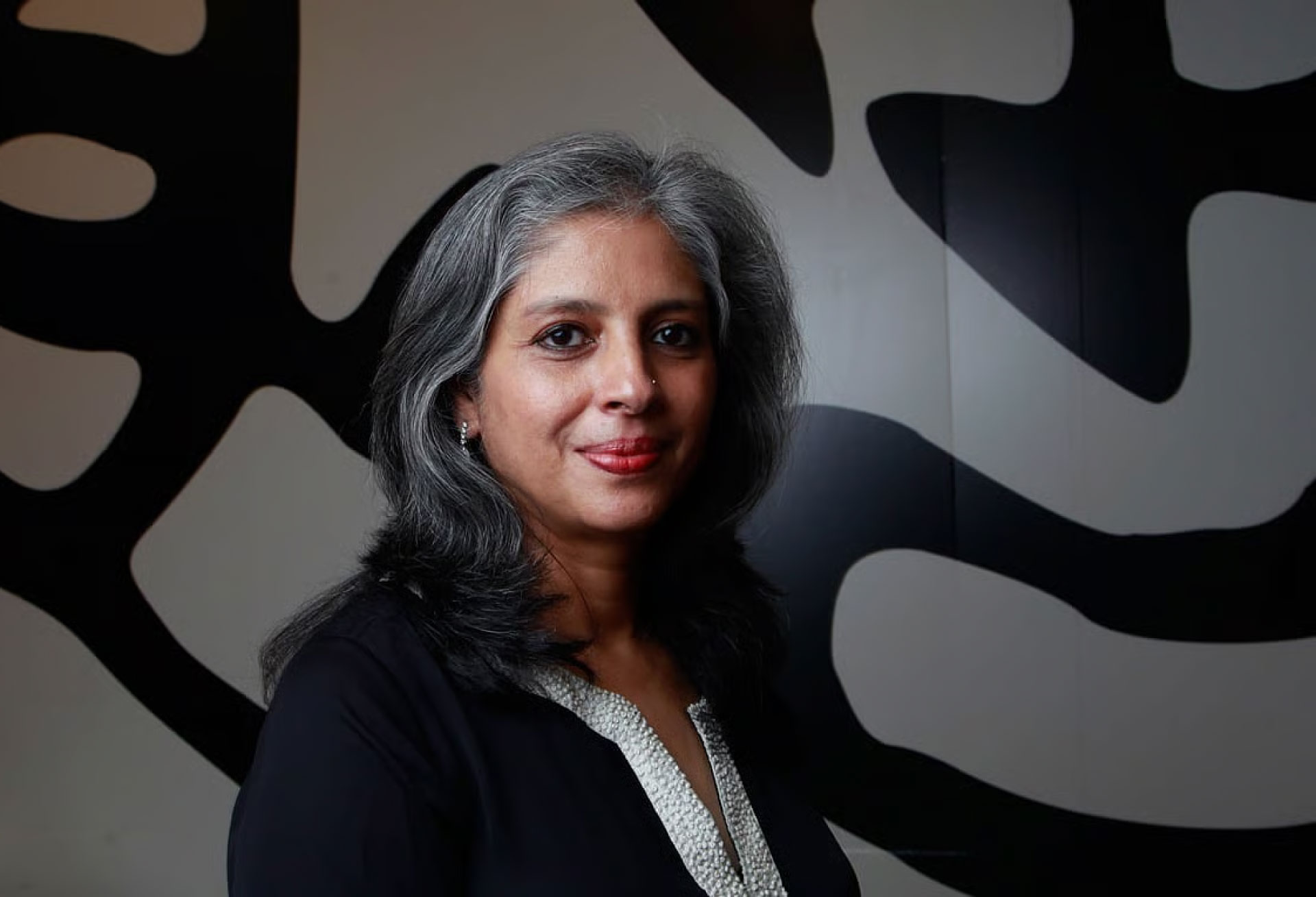
< Left: Sujata Keshavan, 1985, at the start of her design journey, Right: Sujata Keshavan, 2026 >
Sujata Keshavan
Design Advocate and Cultural Leader
“Sujata Keshavan is one of India’s most influential design pioneers, whose career spans more than four decades across graphic design, branding, textiles, and cultural leadership. Educated at the National Institute of Design in Ahmedabad and later at Yale University, she developed her practice at a time when modern design discourse was largely shaped by Western narratives. Rather than simply adopting global standards, she interpreted them through the social, cultural, and industrial realities of India. For Keshavan, design extends beyond aesthetics into the civic and cultural sphere. She views it as a force capable of shaping institutions, industries, and public imagination. In this conversation, she reflects on education, philosophy, Asian design identity, gender and leadership, and the structural efforts required to build a stronger pan Asian design ecosystem. Her journey represents not only personal achievement, but also a broader narrative of how Asian design has defined its voice on its own terms.”
To begin, could you share a brief introduction to your journey as a designer and founder? What core values or philosophies have guided your path across disciplines such as graphic and textile design, branding, and cultural leadership?
I am a designer who has had an enormous amount of formal training: 6 years as an undergraduate at the National Institute of Design in Ahmedabad, and 2 years of post-graduate studies at Yale University. Both institutions have been extremely important is shaping my thinking and career as a designer. I was very fortunate to have had the opportunity to study with brilliant teachers in both India and the United States, teachers who created the field of graphic design in each of the countries. There were many differences in the approach to education in the two countries. At the NID in India, my education was broad based. I came to understand at a holistic level what design can be in its fullest sense, the complexities inherent in society that design has to address, the importance of observation, how to be sensitive to local contexts, traditions and cultures, the interconnectedness in thinking across design disciplines, to name just a few things.
At Yale, I studied with exceptional teachers like Paul Rand, Bradbury Thompson, Armin Hofmann, Shigeo Fukuda, Wolfgang Weingart, all of whom had different philosophies and approaches to design, often at variance with one another. It was up to us students to listen to everyone and then decide what resonated most with us, and to build our own design philosophy. I learned about the importance of honing my craft, how to set high standards for myself and to critically evaluate my own work. Exposure to these diverse influences, profoundly enriched my own learning. I was able to sift through the different points of view that I had been exposed to and arrive at my own conclusions, that defined my subsequent path.
Some of these conclusions were:
- Design is extremely powerful and if done well, can be used strategically to transform outcomes, whether in business or in the social sector.
- Design as a field is very broad, and covers many sub-disciplines, in the way that science does. Irrespective of the field of design that one works in, there is a common bedrock in thinking, which allows one to work across disciplines, if one is willing to learn a little bit about a few new things particular to each discipline.
- Design must factor in behaviours and needs that are universal whilst adapting solutions to be culture specific. For example, the desire for cleanliness is universal, but the idea of what is clean is different in India and in Japan. The desire for status is universal, but how it is expressed, whether through understatement or flamboyance is culture specific. Deep, respectful, local understanding is necessary to create design that is truly effective.
Your career emerged at a time when design discourse was largely dominated by Western narratives. As a pioneering Asian designer, how did you navigate and overcome the implicit biases of global design standards to establish a distinctive and respected voice of Indian and Asian design?
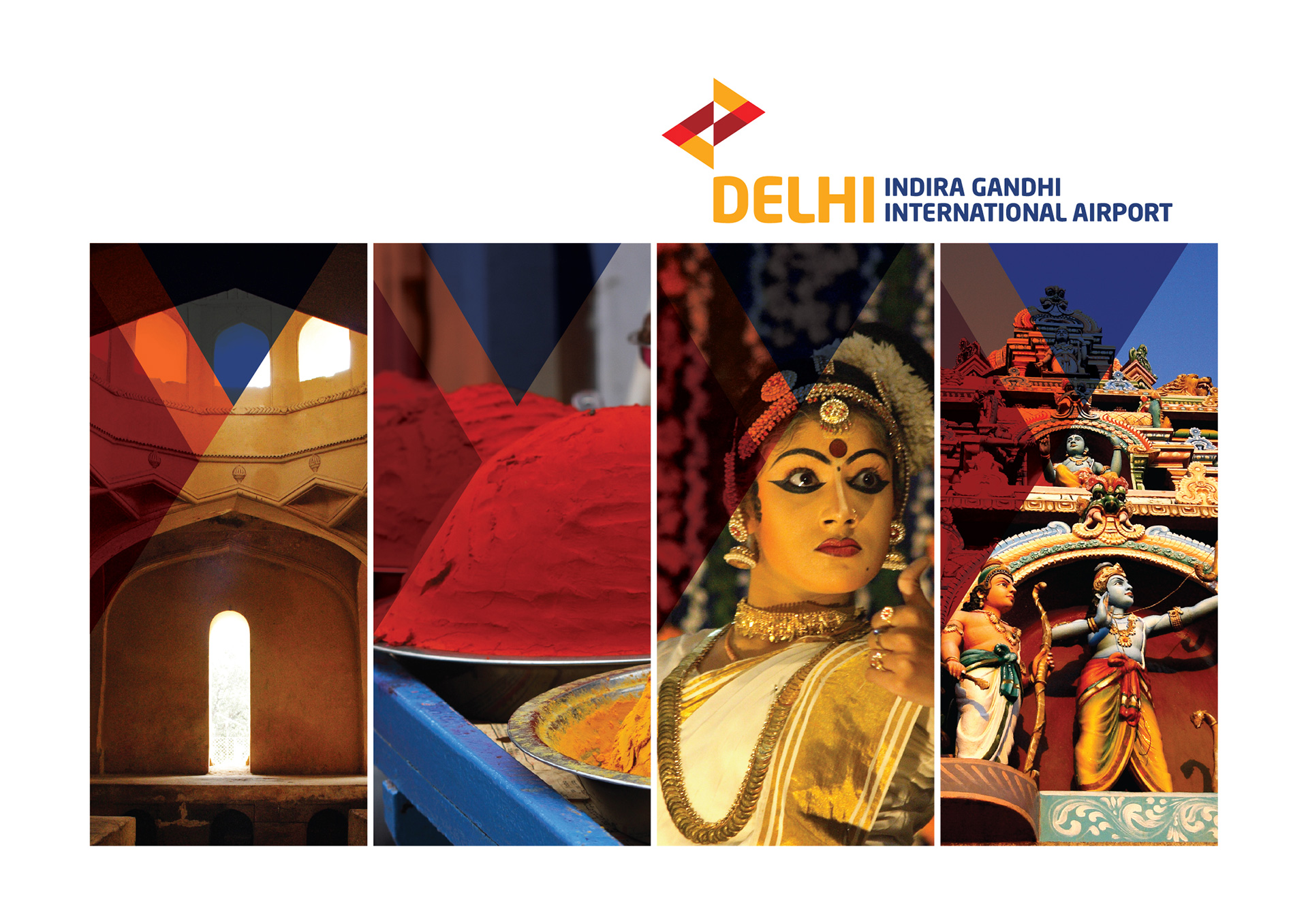
It’s true that design discourse around the world has been largely dominated by Western narratives, possibly because the move from ‘craft’ to ‘design’ happened first in Europe with the onset of industrialisation there. Before industrialisation, the craftsperson was both the designer and the maker. With the change to mass production, the industrial revolution in Europe created a space for an intermediary, the designer, who gave the plan for the things that were to be mass produced by machines. These intermediaries made design into a theoretical discipline through teaching and writing. The Bauhaus legitimised design as a distinct profession and created formal education for it that moved on from the guilds. Thus the discourse around modern design as we know it today, started in Europe and later spread to other parts of the world. When I returned to India and set up my design practice, I realised that design for the B2B corporate sector demanded a modern globalised aesthetic, which focused on clarity, structure, systems and grids, an aesthetic for which I had been well trained. However, I found in my practice, that design for consumer products, art and culture, which spoke to end consumers directly, rejected visual neutrality and was more rooted in experiential richness, mood, symbolism and local narratives.
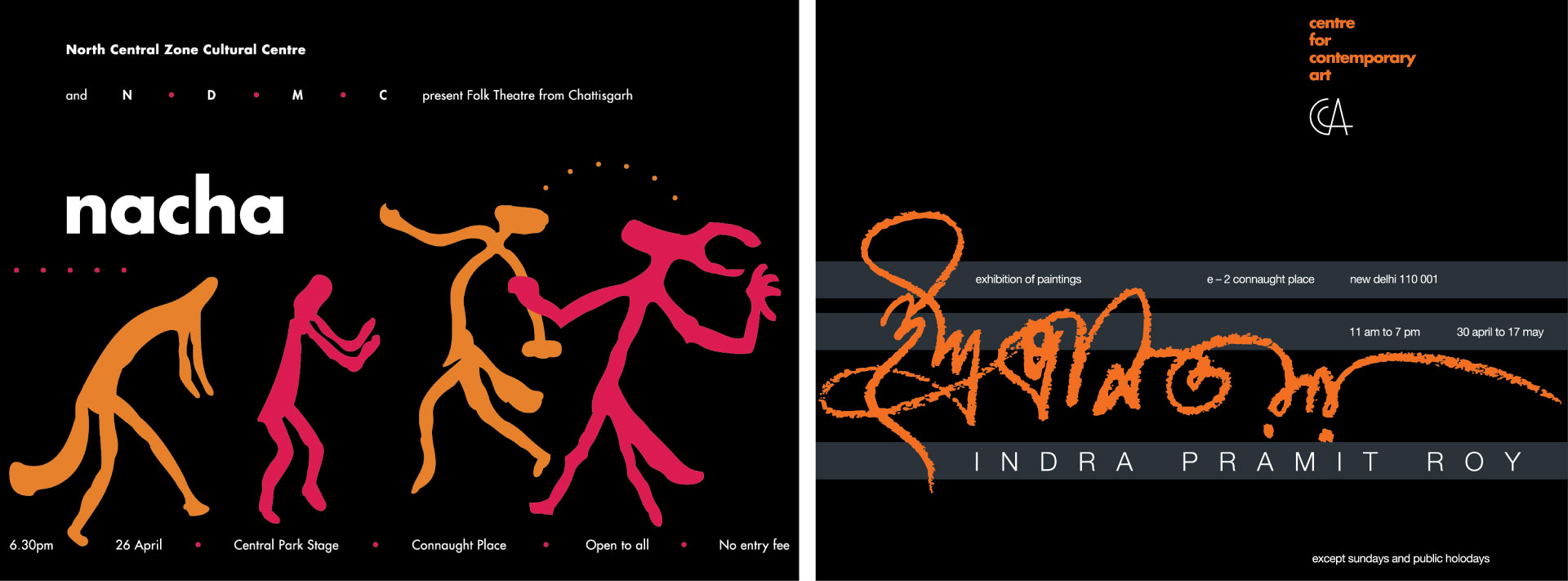
Since I believe that design is created in a specific context for a prescribed audience, I tried to learn as much as I could about the audience. I realised that conversations around “good design” and “bad design” were not always black and white in the European sense, as I had been taught at Yale. The important thing to keep in mind was relevance and context and not lose sight of whom I was designing for. This gave me the ability to design for radically different audiences leading to a wide variety of projects.
Looking back, what were the most difficult barriers whether cultural, industrial, or ideological you had to overcome to achieve the reputation and influence you hold today? Was there a specific turning point that gave you the confidence to speak for Asian design identity on your own terms?
The biggest challenge I faced when I set up my design practice was that the field of “design” was not at all known and not at all understood in India. While the advertising industry was well developed, nobody knew what to make of a design office. I had to spend a lot of time explaining to potential clients what I brought to the table, and how I could make a difference to their organisation or business. I also had to create from scratch the terms of engagement for assignments – how to make people value creative ideas, realise their worth as intellectual property and how to make them pay for it. A lot of my effort went into advocacy about the field of design in general. All this was new in India at the time.
Another enormous challenge I faced in the early years was that the eco-system supporting high quality modern design was entirely lacking. While the craft sector was well developed, and objects were made beautifully by hand, factories for mass produced goods were truly sub-optimal. At this time, the late 1980s, the Indian economy was closed to the outside world. Printing presses were often antiquated, paper varieties limited, and nothing conformed to consistent quality standards. A great deal of my time and effort went into trying to improve the ecosystem that I relied on to execute or produce my designs. I worked very closely with printers, sign-makers, mould-makers, and others to try and obtain from them the standards I sought. I would stand at the printing press for hours into the night making the workers re-do the plates and re-ink the rollers repeatedly in my attempt to get a decent result. I know they found me extremely tiresome, and on my side, I sometimes found them exasperating.
After India liberalised and opened up its economy to the world in the 90s, things started getting better as we could then import better quality machines from Germany and Japan, access a variety of paper stocks, films and plates. The situation today, thirty-five years later is vastly improved and designers are now able to focus on what they are actually meant to do, i.e. ‘design’, and leave the supporting industries to do their job. I founded Ray+Keshavan in 1989. It was one of the first design firms in India, certainly the first one working to high international standards. The liberalisation of the Indian economy that happened soon afterwards was a definite turning point for me and my practice. The effect of this started being felt from the late 90s. For the first time in centuries, Indian manufacturers could take their goods and services out to other countries and foreign multinationals could bring their goods to India. In these circumstances, I found that I was uniquely qualified to help both these sets of people. As an internationally trained designer, I could help Indian companies take their goods and services to the world. On the other hand, as a designer living and working in India, I was able to help multinational companies localise their offerings, to understand and be relevant to the large and complex country that they were now working in.


Asia today is vibrant but fragmented in terms of its design industry. What structural or institutional efforts do you believe are needed for Asia to foster a stronger pan regional design ecosystem similar to what we see in parts of Europe?
Design in Asia by and large stays within national (as well as nationalist) boundaries. This is because there has been very little effort, or even talk, about looking outward beyond one’s own country. Discussions on design are nationally framed and not pan-regionally imagined. Europe’s design eco-system did not emerge organically. It was deliberately constructed and has benefitted from a long term cultural vision. In Europe, design was given high status and countries like France, Italy and Germany did a great deal to cultivate the perception that design was etched into their cultural identities. They encouraged a lot of cross-border design exchanges, joint exhibitions, research projects and gave pan-European grants. Europe’s designers developed theory and critique resulting in the elevation of design as an intellectual subject. Design was viewed as cultural capital and not just as a support service to industry.
In contrast there have been very few cross-border exchanges in Asia. We need a pan-Asian design council or other platforms fostering discussions on design, as well as funding for cross-country residencies, joint collaborations and research projects. This requires serious investments and structural commitments over several years. One way is through collaboration across design schools from different Asian countries, through student exchanges. Students could spend one term in another country at a partnering school. An inexpensive and easy way to get started is for students from different Asian countries to start working together online, on shared projects. Interestingly, one hears of a lot more of these sorts of cross-border exchanges in art rather than in design. All said and done, it needs consistent commitment, effort and public and private investment over years. Most importantly, design has to be treated as cultural infrastructure rather than as a narrow support service to industry.

You have long championed design not just as aesthetics but as a civic and cultural force. In your view, what role should designers play in shaping the public imagination, particularly in rapidly evolving societies like India and Southeast Asia?
In South Asia where social and economic change is happening so quickly, design has to address far more than aesthetics. In India which despite several decades of economic growth, continues to be a relatively poor country, especially viewed per capita, there is still so much to be done to improve the functional aspects of design. That things should work well is taken for granted in developed societies, which can now be said to be “post-function”. However in South Asia, (which includes Bangladesh, Nepal, Pakistan and Sri Lanka, apart from India) there is still huge scope for design to improve both function and aesthetics. Anyone can see this in the crumbling public infrastructure of our overburdened cities. We have very much to learn from Japan and Southeast Asia in this regard.
Designers also have an important role to play in helping people make sense of the rapid change we are being subjected to. Cities are growing fast, new technologies are transforming everyday life, and social norms are changing. There is so much scope for design—through spaces, products, and communication—to help translate all of that into something people can actually relate to and live with. Another key aspect is how designers negotiate the relationship between tradition and the present. In much of Asia, cultural memory is still very much alive, whether through craft, materials, or ways of making. The challenge isn’t to freeze craft in time or to abandon it, but to reinterpret it in ways that feel relevant today. Designers can and should be the bridge that connects craftspeople to the modern world.
Finally, in my view, designers have a real civic responsibility, especially in developing countries. Design influences behaviour and values. In rapidly changing societies, those choices have consequences, whether we’re talking about sustainability, inclusion, or access. As influencers and intermediaries, designers can’t afford to be neutral; they have to be thoughtful about the world they live in, the materials they use and the effect that their designs have on the world. At its best, design shapes and expands the public imagination. It doesn’t just show what’s new, but helps people imagine what a more meaningful future could be like.


As a woman designer who has become an icon in a field often influenced by bias around gender or region, what has your personal experience taught you about leadership, resilience, and authority? What message would you like to share with younger women designers and non Western designers aspiring to lead?
When I started my design practice, there were very few women in the corporate world in India. In my career of over 25 years doing hundreds of projects, I can only recall three women clients. The business world in India was, and in fact still is, overwhelmingly dominated by men. My daughter when she was little, described it appropriately when she said “My mother is always in a men-meeting”! Recognising this, I went out of my way to employ mostly women designers at my company, Ray+Keshavan. I have already explained about the challenge posed by the general lack of awareness about design in India. Added to that was the paucity of women in the world of business. The prevailing view at the time, was that as an inherently inferior species, women could be accommodated in secretarial and entry level positions but not in positions of authority. I had to prove repeatedly with each new client that I could hold my own and be smart enough to be entrusted with large projects. It helped that I was never intimidated by any client, no matter how powerful or rich, and never scared of speaking up or challenging their views.
A big disadvantage however, was that I was unable to backslap as one-of-the-boys and schmooze with clients over drinks, for business development. In my favour was the fact that they could see that I was passionately committed to design and deeply convinced of my ability to deliver a good solution. I would wear down the resistance of my clients by tenacity, while demonstrating that I was, at all times, an expert working in their interest. Consistently demonstrating excellence, was critical. Very often I’ve seen in meetings that women are submissive and despite being more capable, allow less competent men to take centre-stage. Embedded patriachy has ensured that men have much more natural confidence. Over the years, things have improved to some extent, although less so in Asia than in the west. At the end of the day, it is up to us women to claim a place for ourselves at the table, as men are not going to offer it to us voluntarily. In the long run we have to be resilient, focus on our advantages and stay calmly authoritative.

You have successfully transcended both geographical and disciplinary boundaries. What advice would you offer to designers especially those from the Global South who wish to rise beyond national borders and become global opinion leaders in the design world?
If you wish to work beyond your city or country, it is important to think more broadly about design, to engage with conceptual ideas and to have and express a point of view. Reading about design, and reading generally, is most important, as it lets you know what other designers are thinking and talking about. It also opens up whole new worlds of ideas, and gives you the vocabulary to speak or write about design. Once you have something original to say, you can start speaking at design forums and conferences, first in your city and country, and as you gain confidence, in other parts of the world. As design is essentially a practitioner’s field, speaking about your ideas has to be matched with examples of your design work.
If there isn’t any design forum in your vicinity, you can start one. For several years I ran a popular forum called Design Friday in Bangalore, where I invited designers (as well as architects, photographers, film-makers and artists) to come and speak about their work. It was always well attended as the talk was followed by a lively party! It gave a chance for young designers to meet established ones, and a lot of intense conversations on design were fostered there. Today, it’s very much easier to become an opinion leader as social media helps you to amplify your message, to be seen and heard widely. However, on the flip side, you have to stand out from all the noise and chatter that floods the world, so to be valued, your message should be considered and defensible.

Cultural specificity and global resonance can be a powerful combination. Could you share a particular project from your career that embodied Indian or Asian cultural language while speaking to a broader global audience?
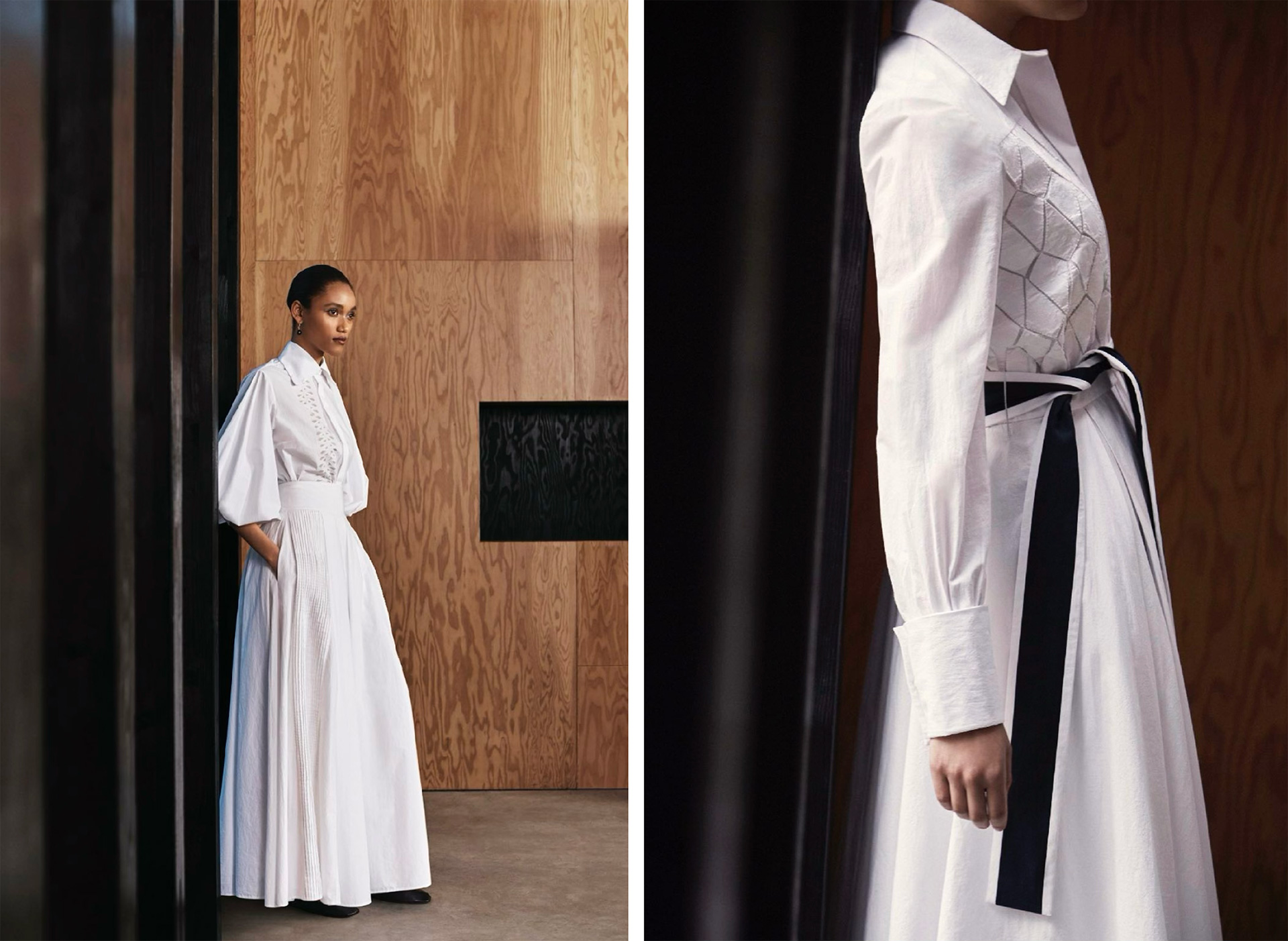
Although my training was in graphic design, I have always engaged with the practice of design as a whole, irrespective of the medium or format. Whether it is architecture, product, textile, furniture, or graphics, all manmade objects are manifestations of design. The act and thought process of design is common across these mediums. For example, textiles have fascinated me from when I was quite young. In India you grow up with beautiful fabrics all around you. There is a vast and deep tradition of weaving and printing of fabrics that goes back thousands of years. These are living traditions that have by and large stayed within our country, as a result of which the world does not know about them. I wanted to shine a light on these techniques and introduce them to the world.
I recognised that what was missing was a modern, international approach to design that was needed to make our products relevant to the international consumer. To this end, I created a brand called Varana, that re-interpreted our textile heritage through a modern lens – a brand that was rooted in Indian heritage craft but was strong in the quality and design standards sought by global audiences. To appeal to the sophisticated global consumer, we put together a multicultural design team in our studio in Bangalore, where Indian textile and graphic designers worked with Italian, French and Japanese fashion designers and pattern makers. It was a wonderfully rich laboratory of ideas from both east and west. This enabled to us to create products of cultural specificity combined with global resonance, which we then confidently took to the world.

Finally, what is next for you? Are there any causes, topics, or creative domains you are particularly passionate about exploring in this next chapter of your career? And what kind of legacy would you like to leave for the next generation of Asian designers?
Looking back at my journey, I can see an enormous body of work that my team and I have done. In two years, it will be 50 years since my first brush with design, when I joined the NID as a student. For me it’s been a life-long love affair with the field. I’ve been so fortunate to have found design. It has enriched my life more than I can say. However, because I’ve been so intensely focused on my practice, I’ve been remiss in terms of documentation. I think it is time for me to gather my thoughts and put together the work that I’ve done over this extended period. I started my life in design when things were all still done by hand, before computers were used. And today, we’re on the cusp of AI which promises to be earth shattering. I’m just getting started with documenting my work, to put together a book, to share my learnings and experience with anyone from this generation or the next, who may be interested.


















#14057, 905 49, Beolmal-ro 102beon-gil,
Dongan-gu, Anyang-si, Gyeonggi-do, Korea
Business Registration Number: 454-86-01044
Online Sales License No.: 2021-Anyang Dongan-1081
Copyright © DESIGNSORI Co., Ltd.