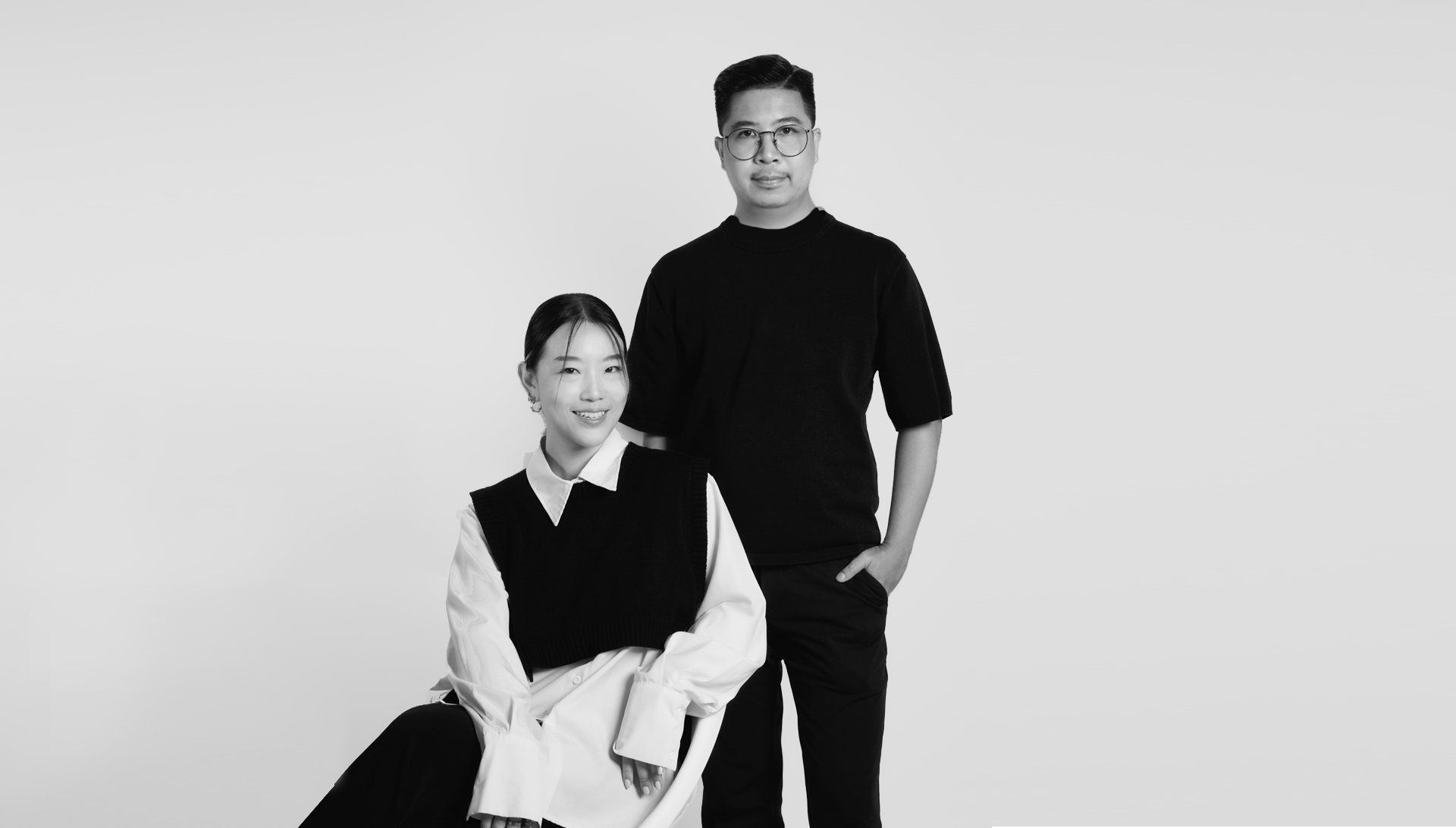
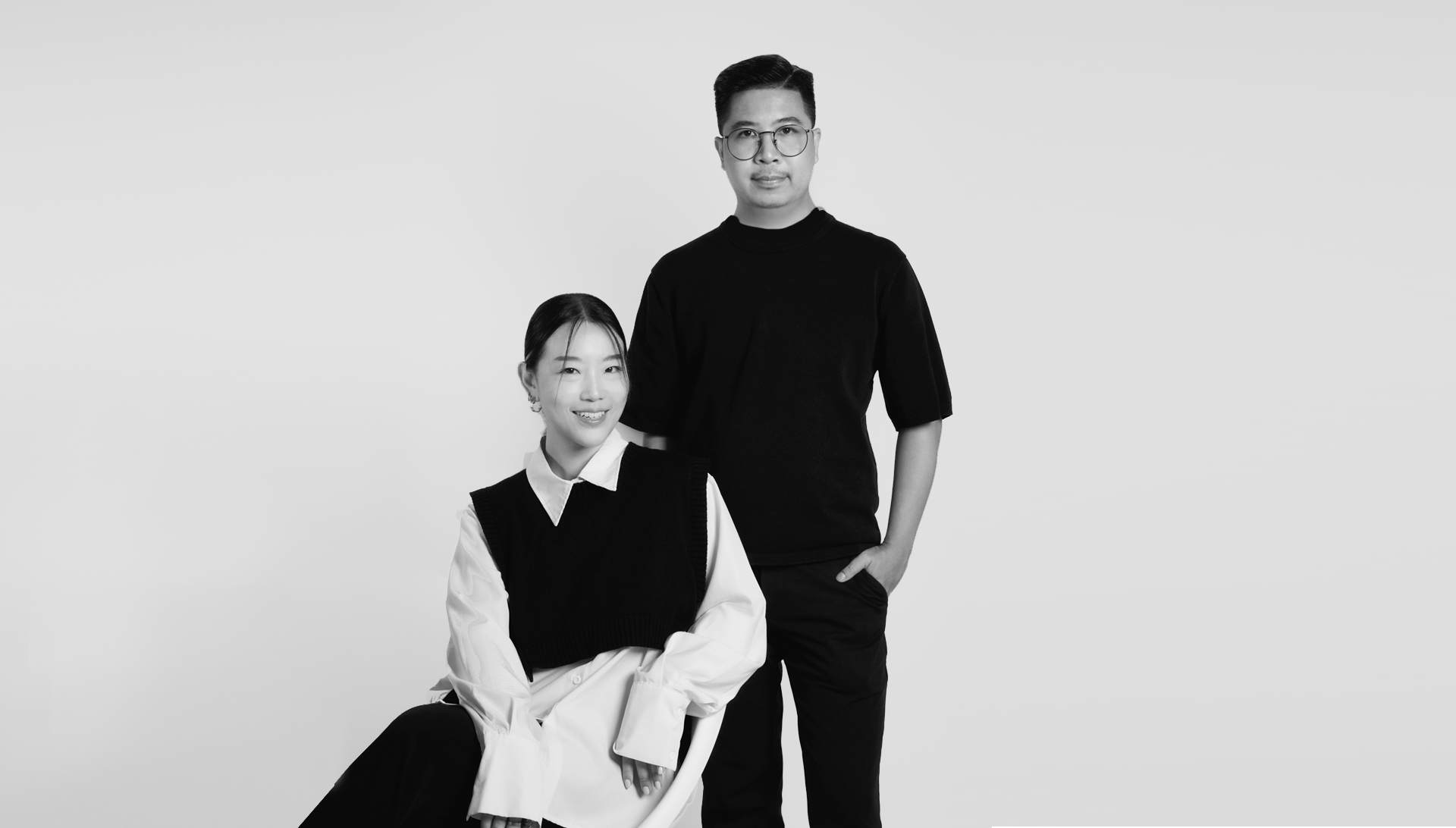
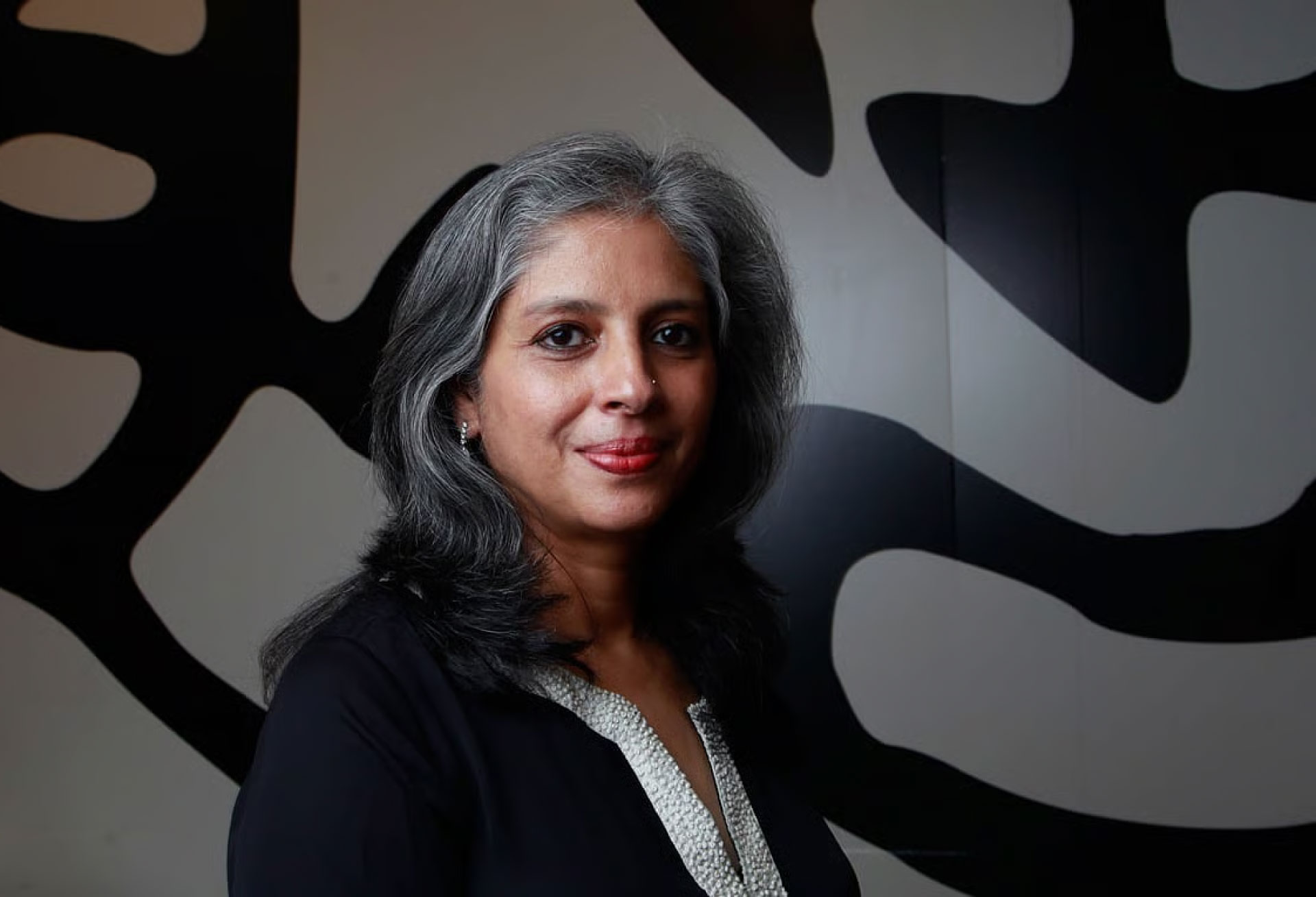
Parpis Leelaniramol and Setthakarn Yangderm Founders, TOUCH Architect
“Based in Bangkok, Parpis Leelaniramol and Setthakarn Yangderm lead TOUCH Architect with an approach rooted in human experience, climate, and everyday life. Their architecture prioritizes atmosphere, function, and cultural context over fixed form, allowing spaces to emerge through careful observation, restraint, and sensitivity to how people truly live.”
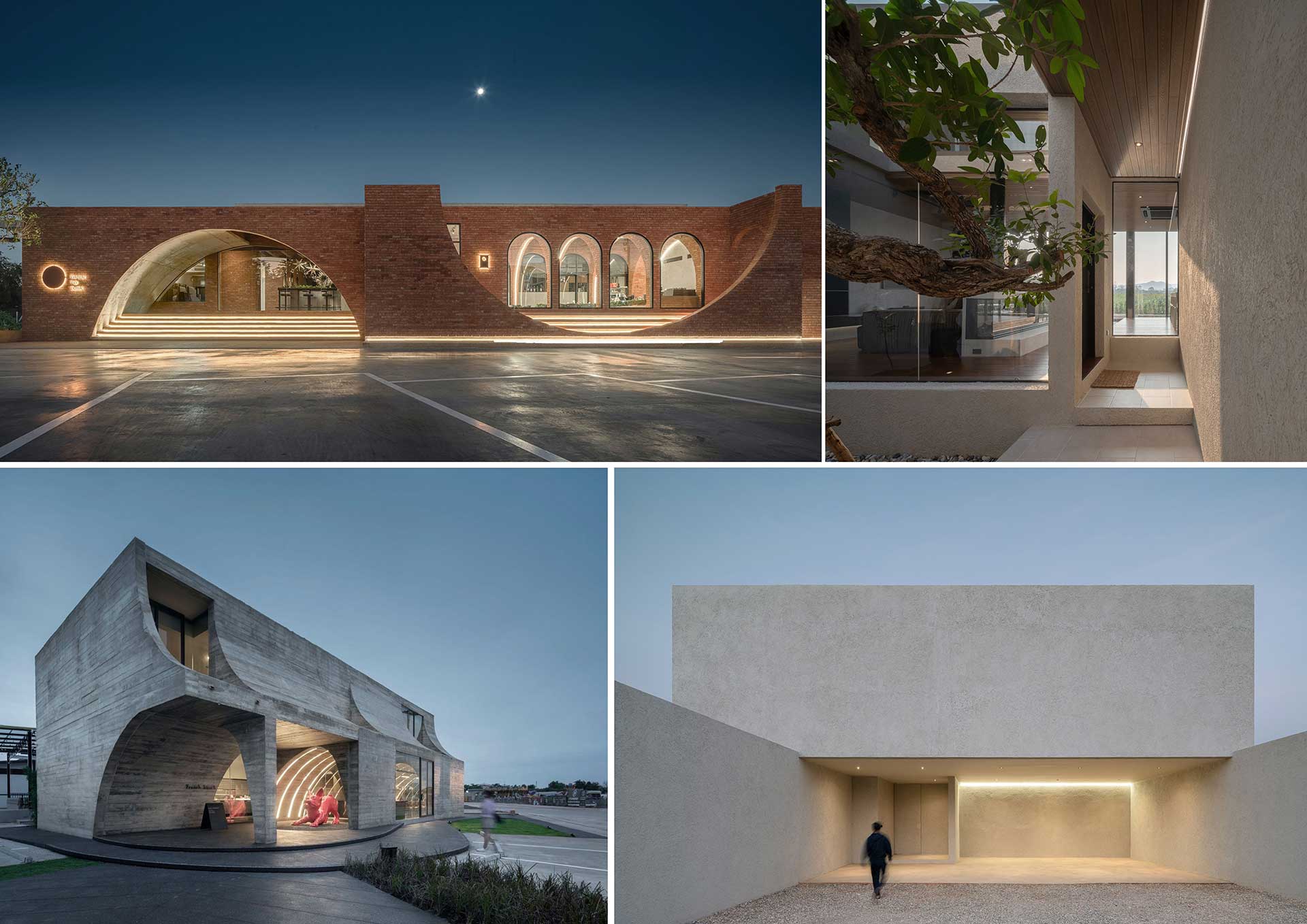
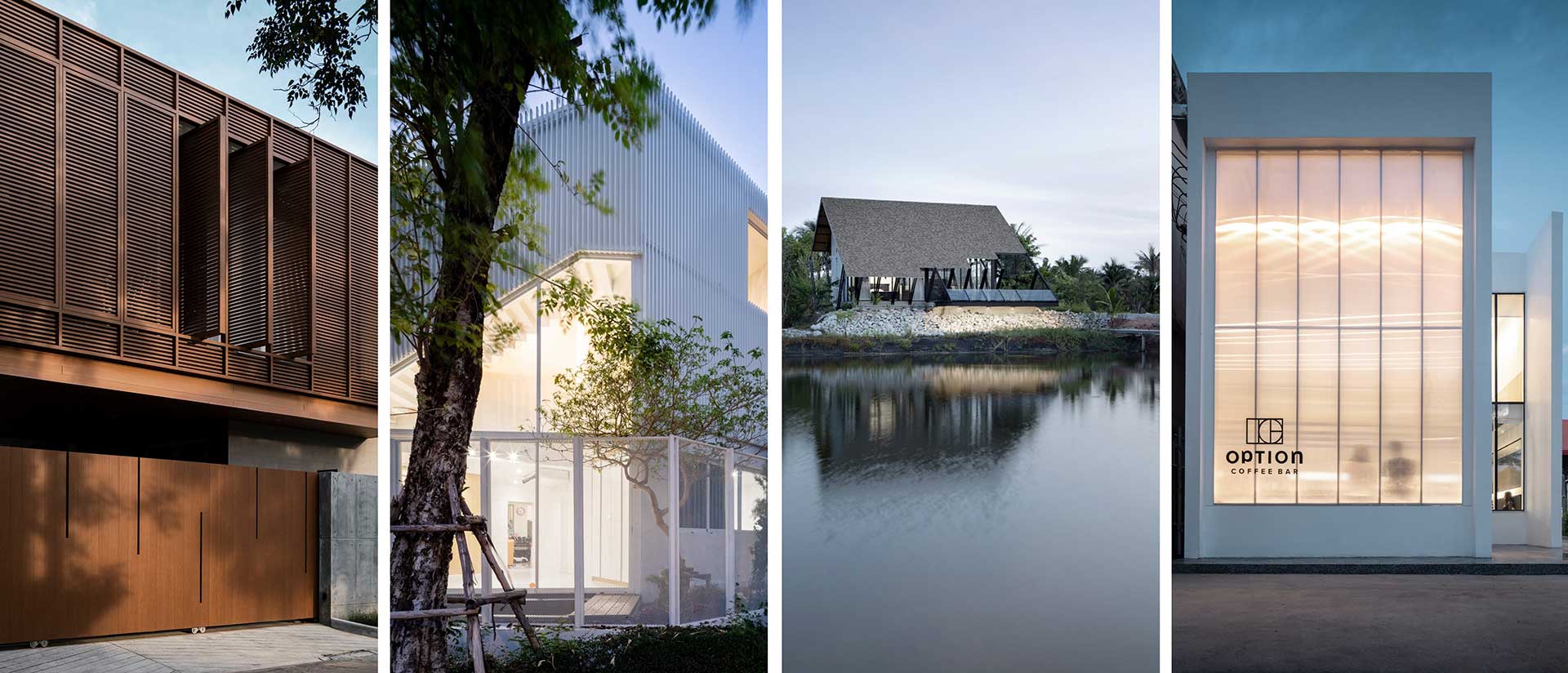
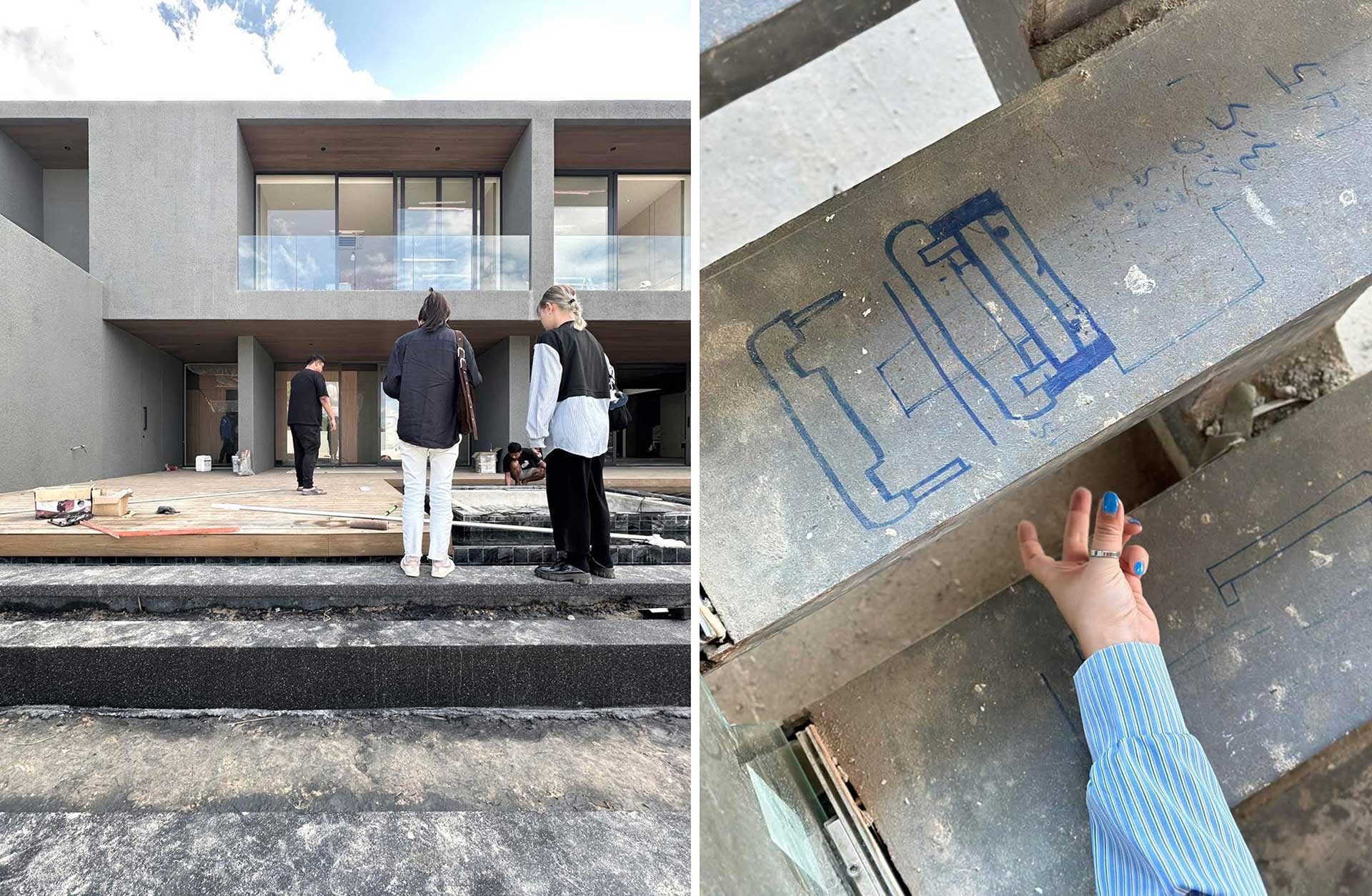
To begin, could you briefly introduce yourselves and share how TOUCH Architect began? What philosophy sits behind the name “TOUCH,” and how does it connect to the way you think, design, and build?
TOUCH Architect was founded in 2014 by architects Setthakarn Yangderm and Parpis Leelaniramol as a design studio based in Bangkok. It began as a small studio and gradually evolved into a company with broader opportunities for growth. The founders work closely with the team across design, construction, and management. The name “TOUCH” reflects our expertise and services, which cover all stages of a project. Our approach focuses on basic human needs, cultural and environmental concerns, and contextual exploration, guided by an aesthetic of sustainable architecture. Ordinary structures and simple materials are used to form architecture that is functional, practical, and enduring.
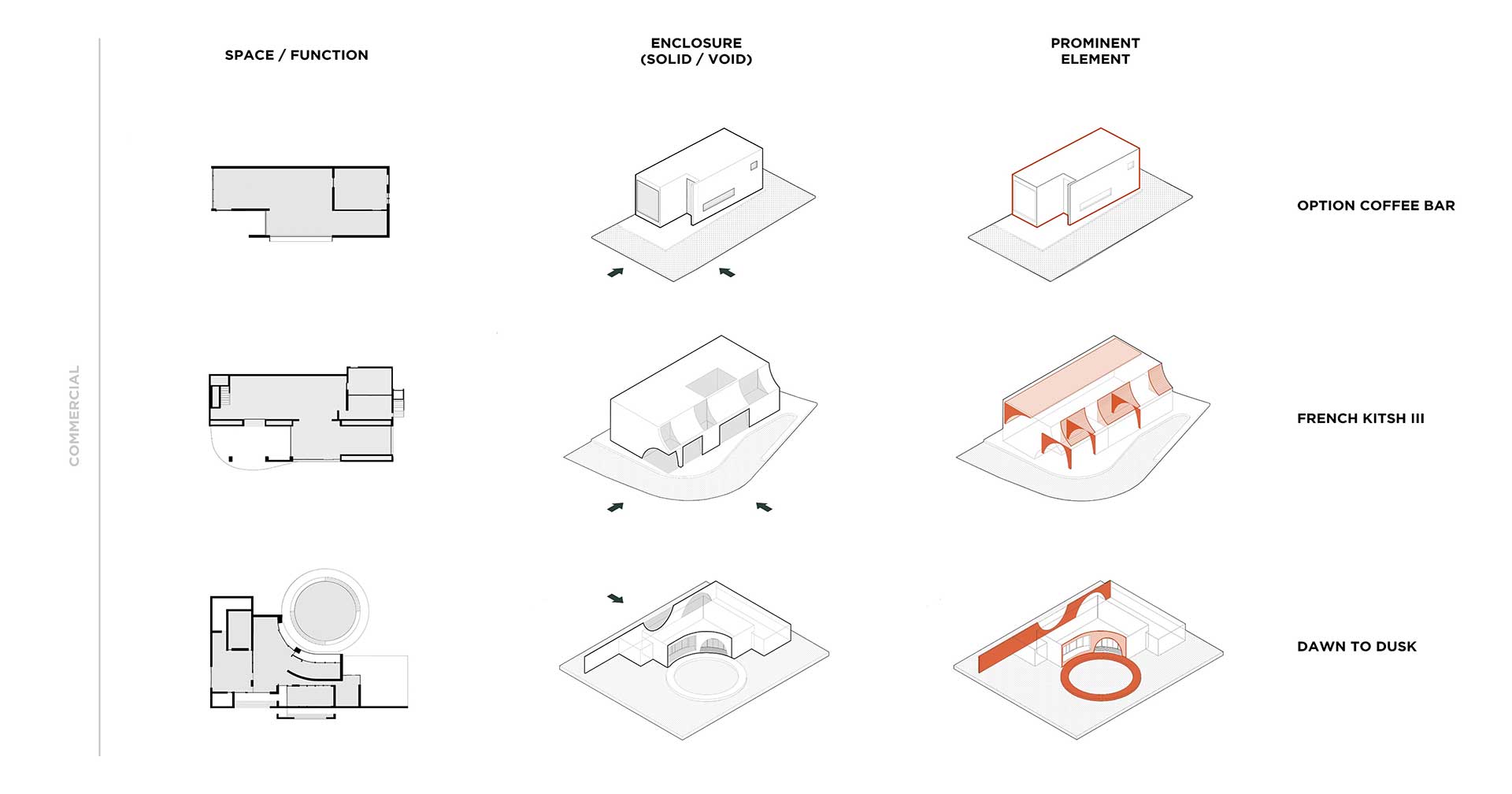
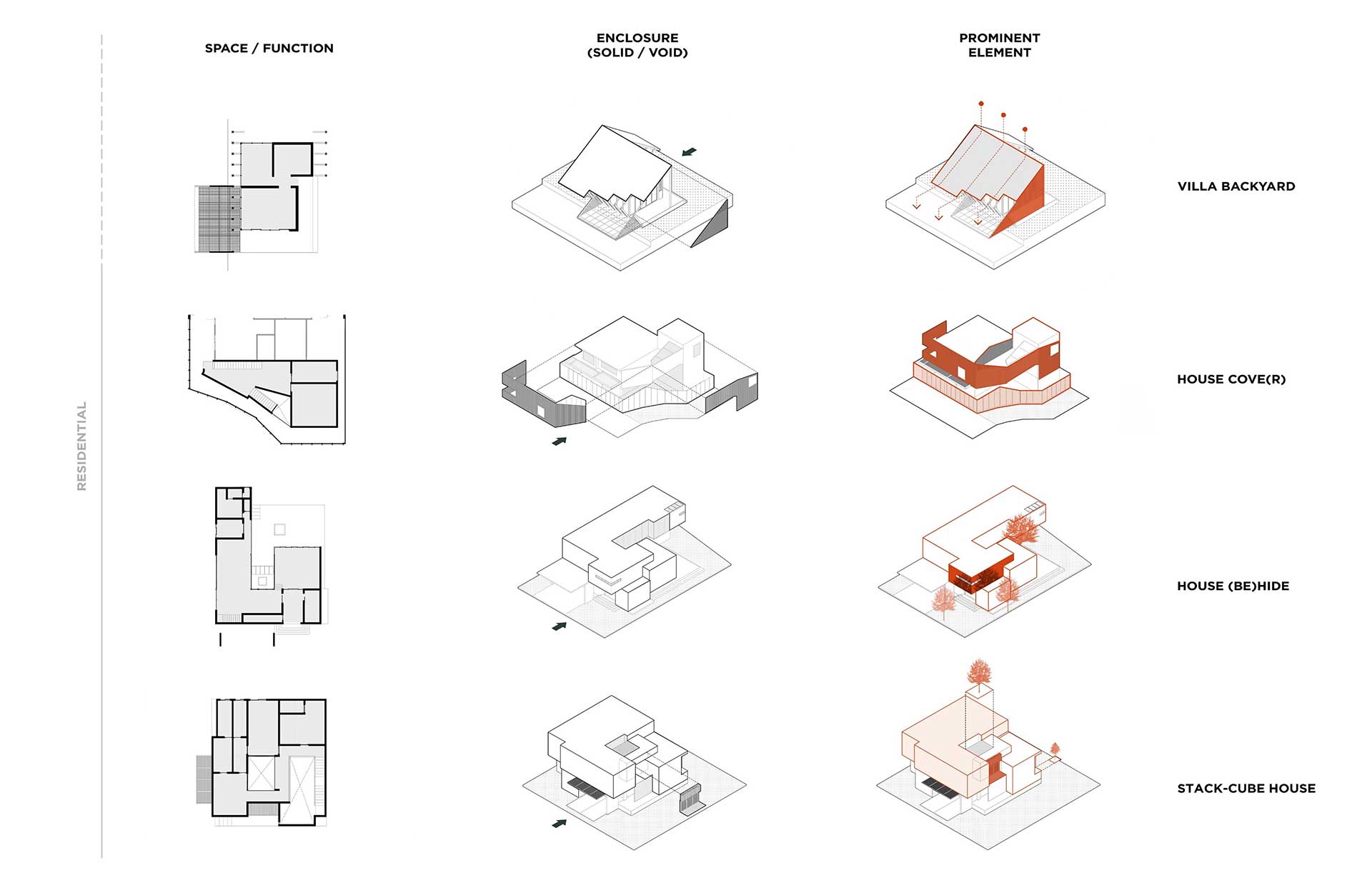
We believe that architecture should release function without relying on predetermined patterns. For this reason, our design process begins with the site, the environment, and the characteristics of the client or users. Each building type demands a different response. For residential projects, we prioritize simplicity, low maintenance, and timelessness. Most of the houses we design are not created to serve architects’ desires, but the needs of the residents, resulting in what we describe as “timeless function through simple form.”
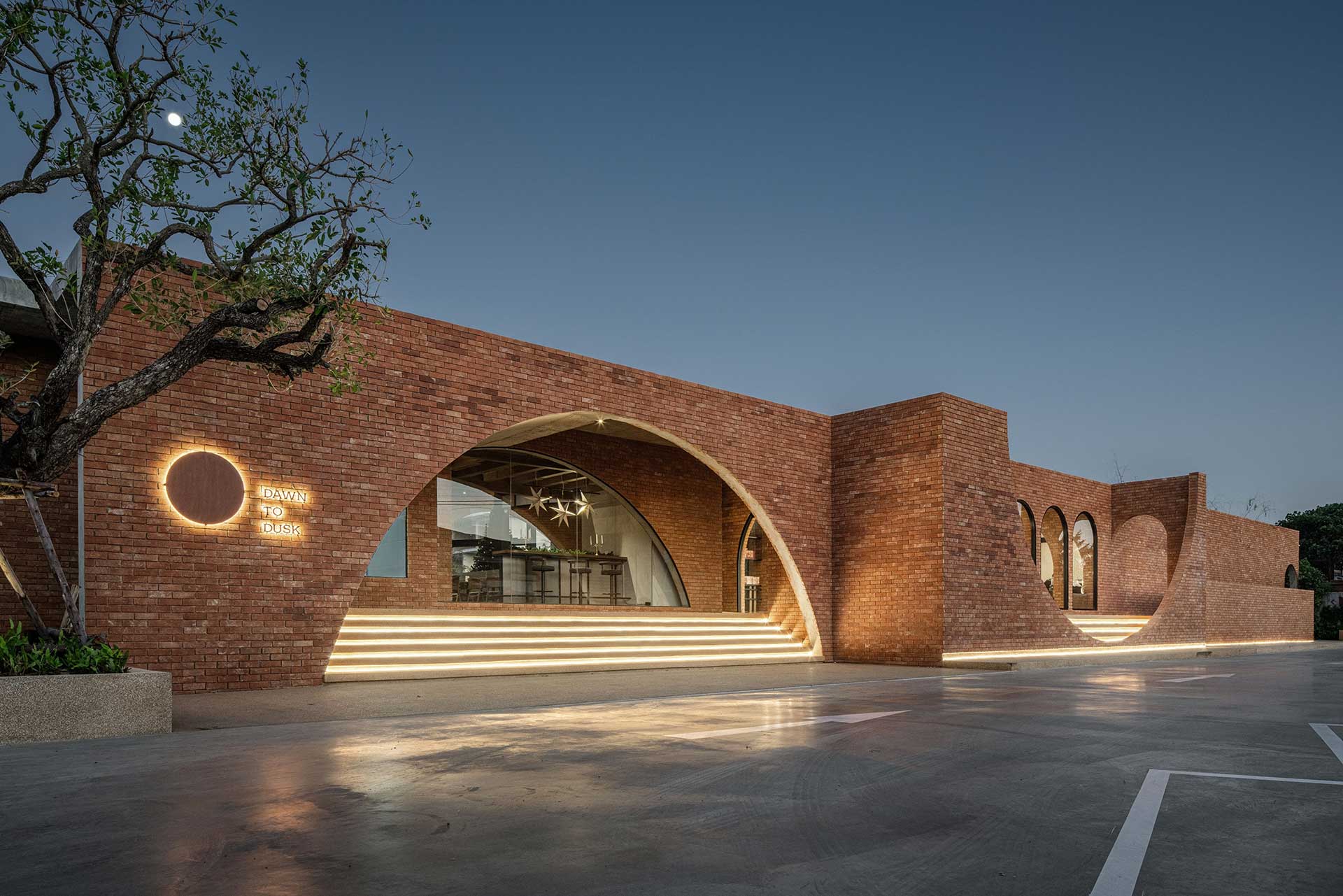
Some projects involve additional criteria, which may lead to variations in form, often shaped by functional or sustainable requirements. In contrast, commercial projects operate under different conditions, where architectural presence and attraction play a more significant role. In these cases, the design approach emphasizes creating distinctive architecture that draws people in. Our full scope of services includes all project phases, from understanding client intentions, research, and concept development to design development, construction drawings and approvals, construction inspection, and technical supervision. Together, these processes help us create what we call “TOUCHable” architecture.
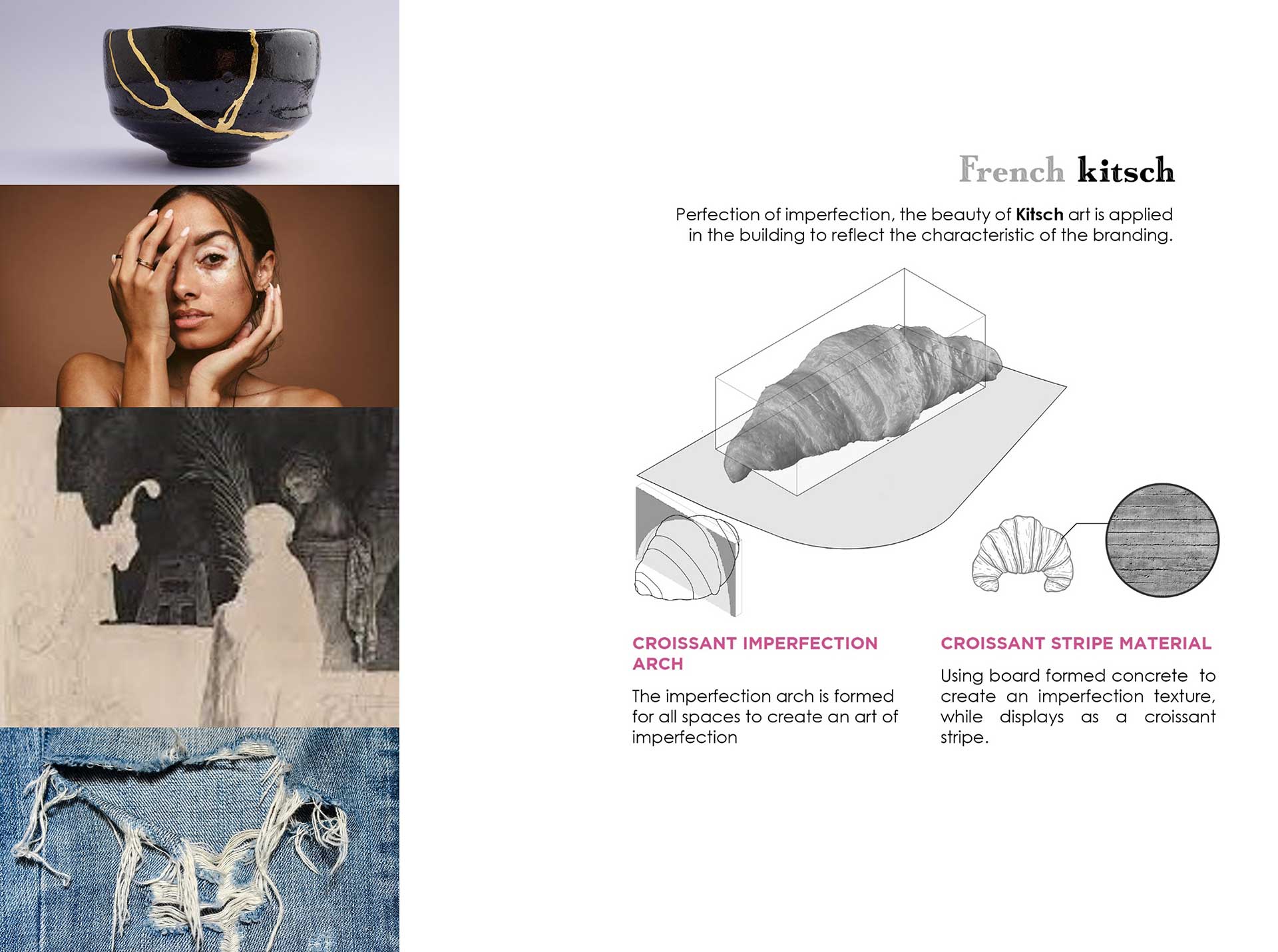
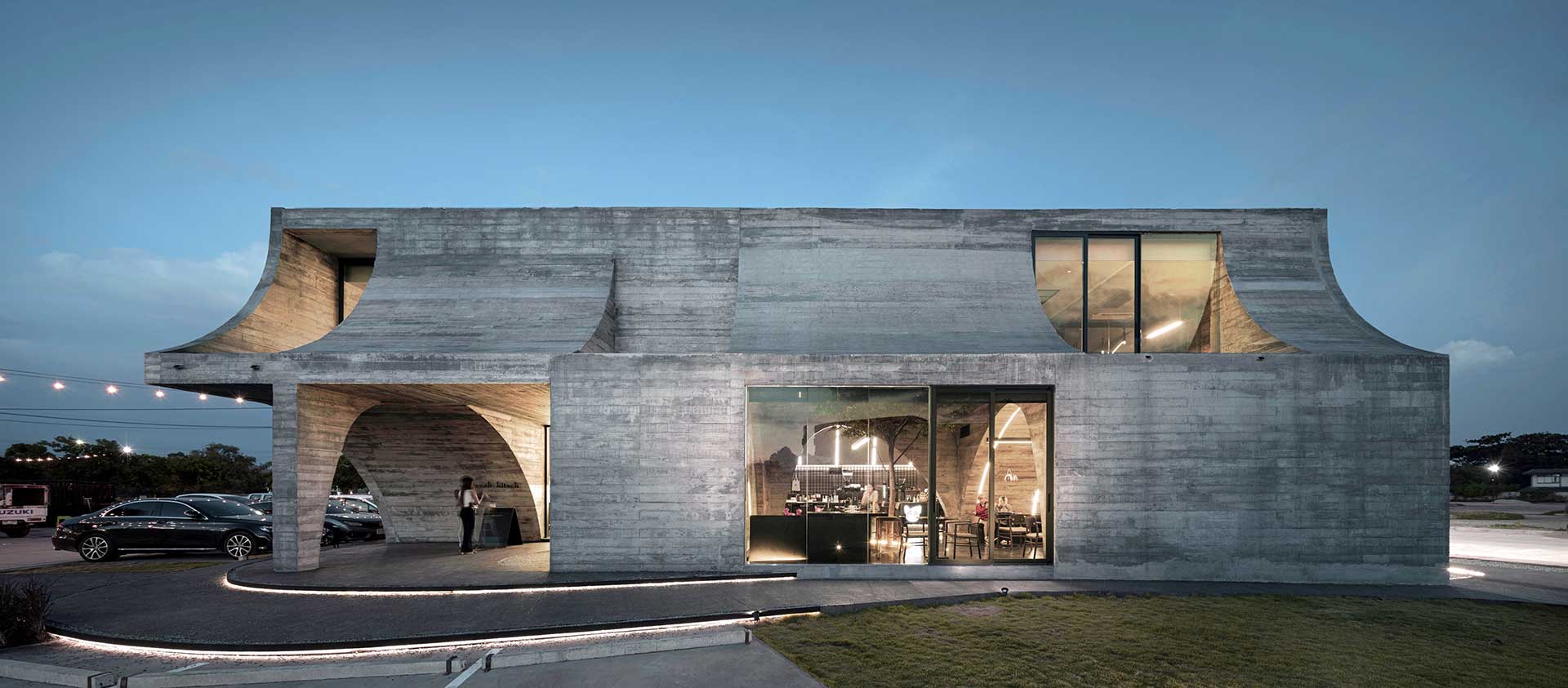
Across your work, what often comes through first is not form, but atmosphere, relationship, and sensation. What do you consider the “invisible” elements of architecture, and how do you translate them into spatial decisions?
For TOUCH Architect, architecture begins with what cannot be seen rather than what is immediately visible. The “invisible” elements we focus on are atmosphere, sensory perception, time, memory, and the relationships between people and space. We translate these qualities through light, shadow, material tactility, proportions, and spatial sequences. Small shifts in scale, softness of light, or transitions between spaces can shape how a place feels, how people move, and how they relate to one another. Form is never the starting point; it emerges naturally from these considerations. Ultimately, we believe architecture is defined not by how it looks, but by how it is experienced and remembered.
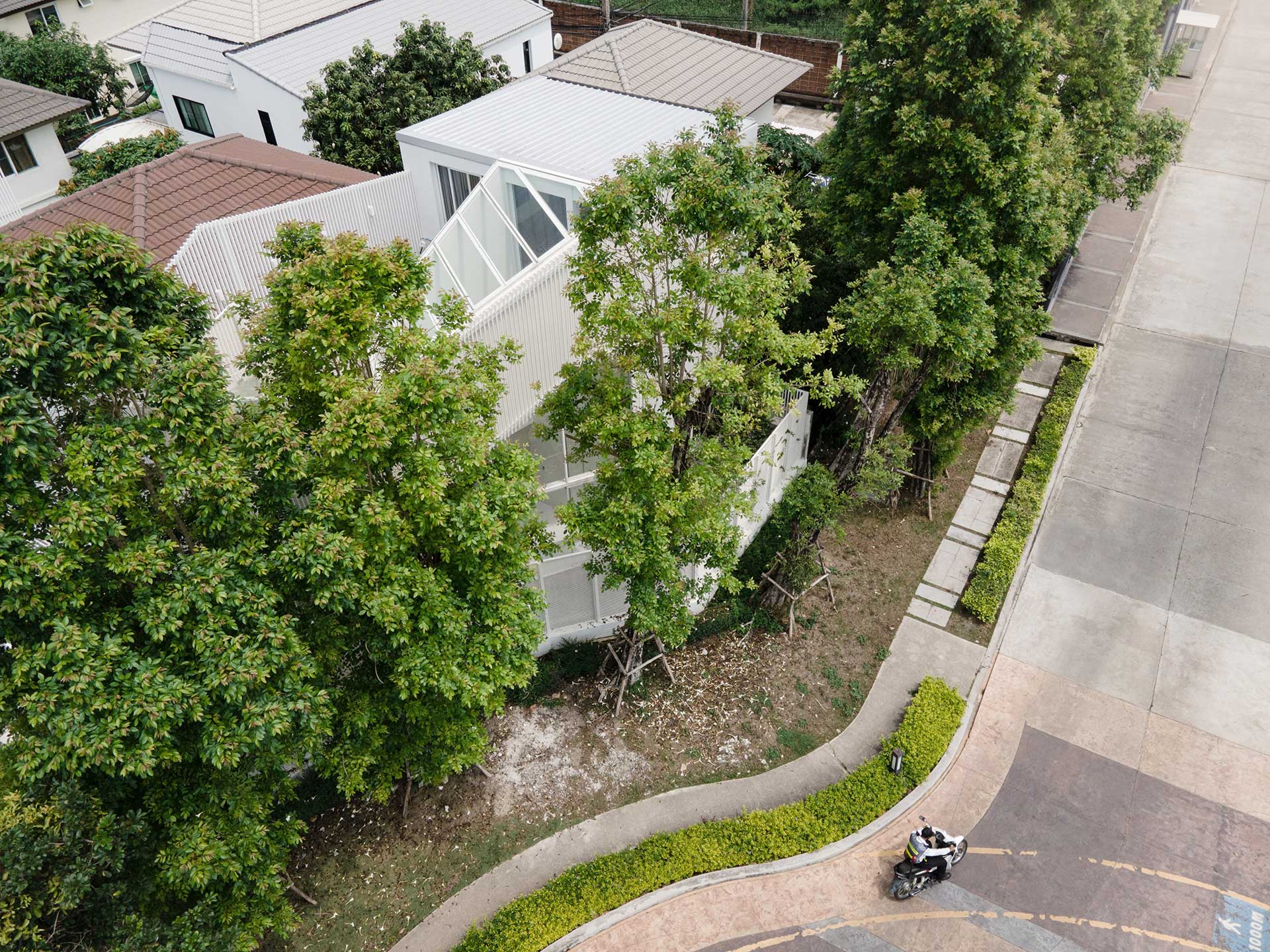
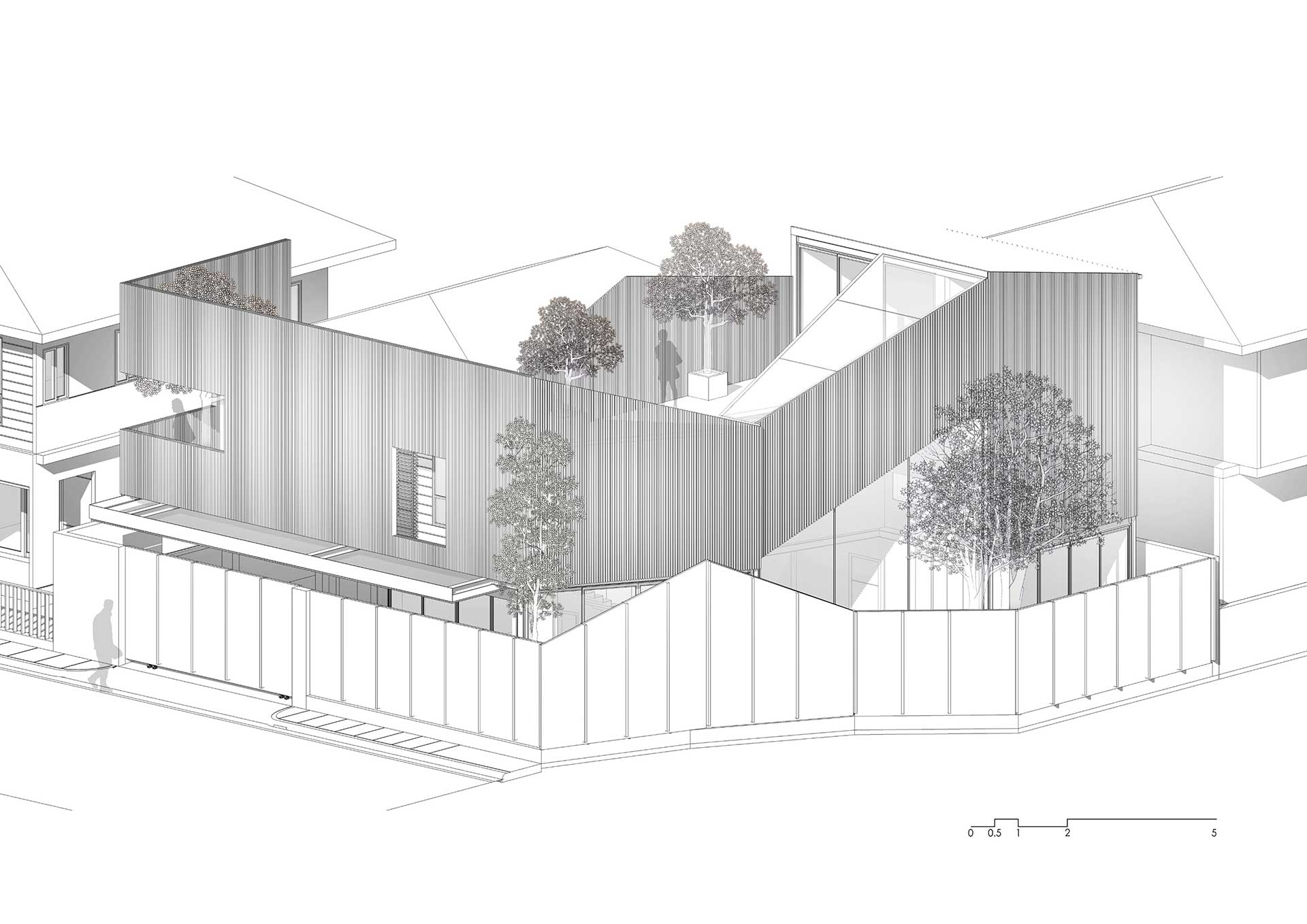
Thailand offers a distinct context shaped by climate, culture, and everyday life. How does your design language engage with local conditions such as heat, humidity, light, material availability, and lived routines?
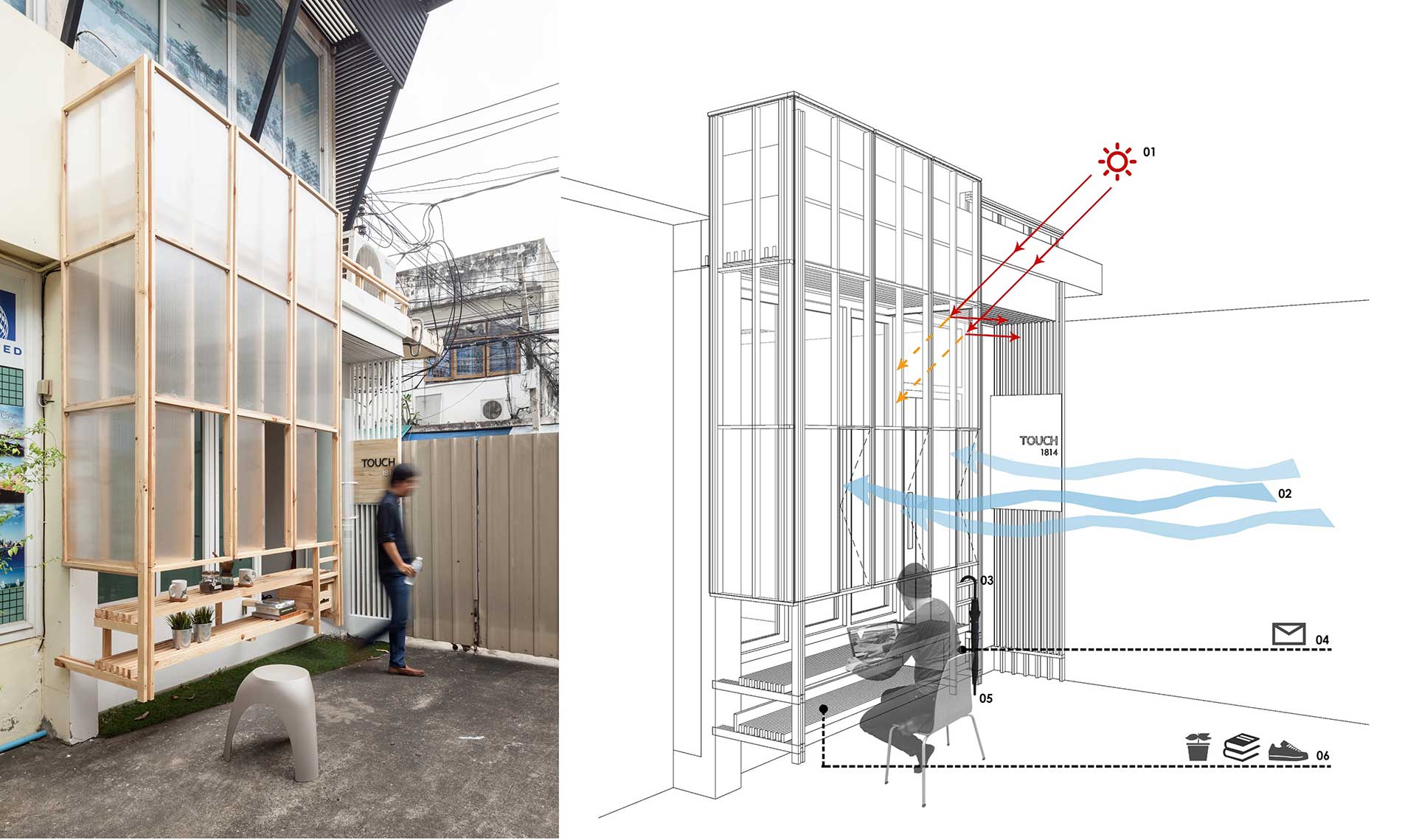
Thailand’s climate and everyday life are fundamental drivers of our design language. For us we see strong continuity between traditional Thai architecture and contemporary practice. In the past, Thai houses responded to heavy rainfall and heat through high double-pitched roofs to slow rainwater flow, clustered buildings that allowed wind to pass through, and elevated floors that accommodated flooding. These were not stylistic choices, but environmental intelligence shaped by lived experience. Today, we continue to design with the same concerns for heat, humidity, light, and water, while translating them into forms suited to modern lifestyles and aesthetics. Roofs, for example, may no longer be traditional gables, but they are designed to manage intense sun and heavy rain, such as through double-roof systems that create insulation gaps and improve waterproofing. Rather than replicating old forms, we reinterpret their logic, allowing architecture to remain climatically responsive while evolving with contemporary context and use.
In a previous interview, there was a strong sense that architecture is less about solutions alone and more about attitude. What does “attitude” mean to you as architects, and how does that attitude shape your work from concept to completion?
For us, “attitude” is the way we approach a project rather than a fixed design outcome. It means focusing on the process, working bottom-up instead of top-down, and allowing architecture to be shaped by real conditions rather than preconceived forms. We do not begin with an image of what the building should look like, but with questions about the owner, the context, and the specific type of function involved. This attitude shapes our work from concept to completion. Different clients, sites, and uses naturally lead to different architectures, even if some projects may appear similar on the surface. What truly differs is the internal logic: spatial organization, relationships, atmosphere, and how the building performs in daily life. By staying attentive throughout the journey, architecture becomes a result of accumulated decisions and understanding, not a forced statement, ensuring that each project is grounded, appropriate, and meaningful.
You work across different scales, from small interventions to larger commissions. What principles remain consistent for you regardless of project type or size?
Most of the projects we take on at TOUCH Architect operate within a relatively intimate scale. Our private residential work typically ranges from around 90 to 2,000 square meters, while our public projects are often small- to medium-sized buildings such as restaurants or cafés, roughly 50 to 1,000 square meters. Regardless of scale, our core principles remain the same. As mentioned earlier, we always begin with basic design criteria: a clear understanding of the user, the function, and climate-related concerns. What truly differentiates projects is not so much their size, but the nature and diversity of their users. A house usually serves a single group of occupants, whereas public buildings must accommodate many different users, which naturally leads to a different way of thinking and organizing space. While larger projects may involve greater complexity in terms of building systems or regulations, we see these as layers added onto the process. At the core, the architectural thinking remains consistent: architecture must respond thoughtfully to people, use, and context, regardless of scale.
Your material choices feel restrained yet precise. How do you balance aesthetic intention with practicality when selecting and detailing materials?
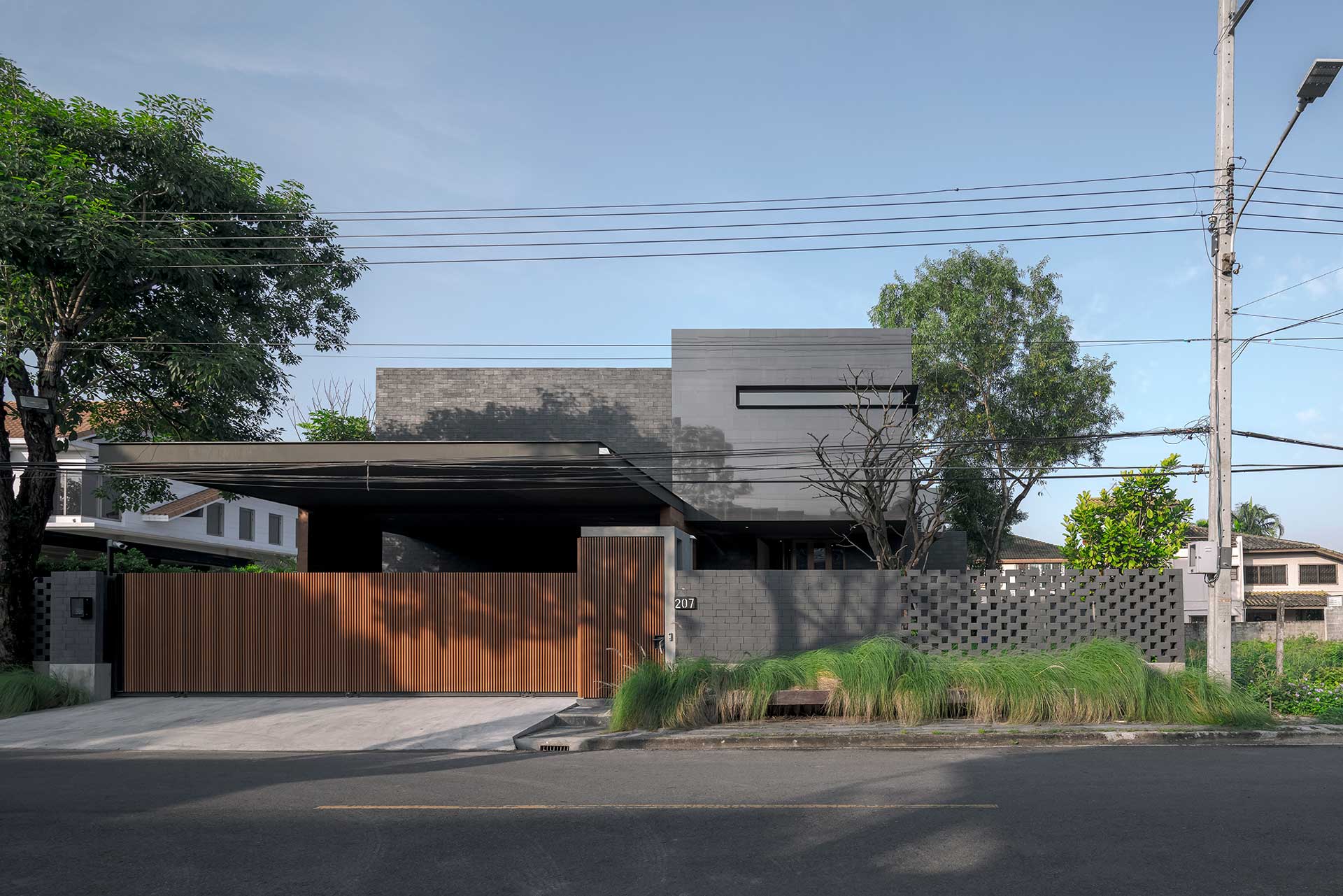
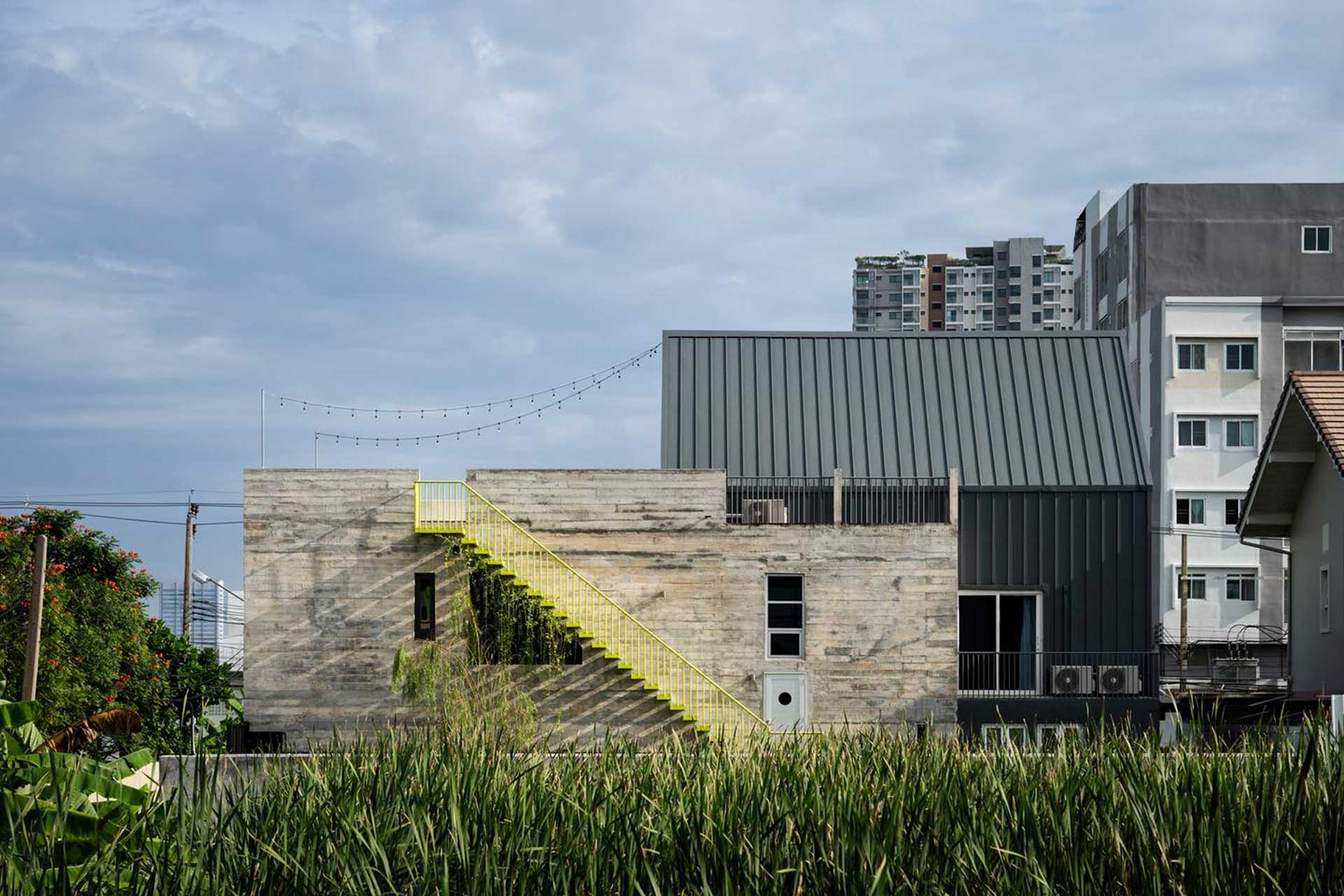
Materials are an important part of completing the architectural expression, but they are never the starting point. What gives architecture deeper value is space and the way it can shift people’s feelings and experiences. Because of this, we place greater emphasis on practicality and durability rather than material expression alone.
Our material choices are shaped by climate, maintenance, and long-term use. In many cases today, we work with alternative materials that perform better under heat, sun, and rain. For example, instead of natural wood for exterior gates, which can deteriorate quickly, we may choose wood-grain aluminum to achieve a similar visual quality with far greater durability. At the same time, we value material honesty. When a material like exposed concrete is both durable and appropriate to the project’s character, we are comfortable using it directly without disguise. Balancing aesthetics and practicality, for us, means selecting materials that quietly support the space, age well over time, and allow architecture to remain both meaningful and resilient in everyday life.
Asian architecture is often discussed through the tension between “local identity” and “global standards.” How do you navigate this tension, and what do you believe is a uniquely Asian spatial language today?
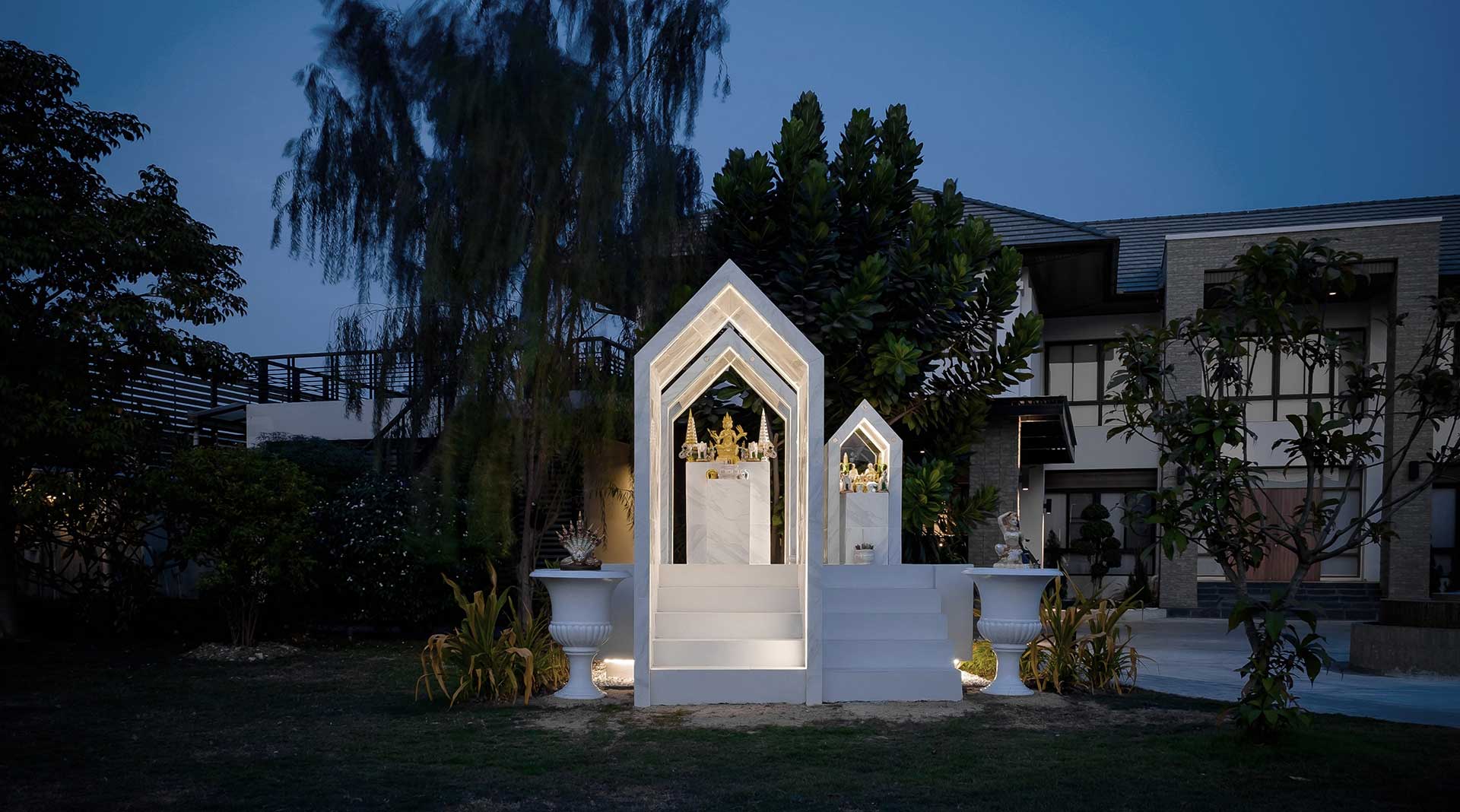
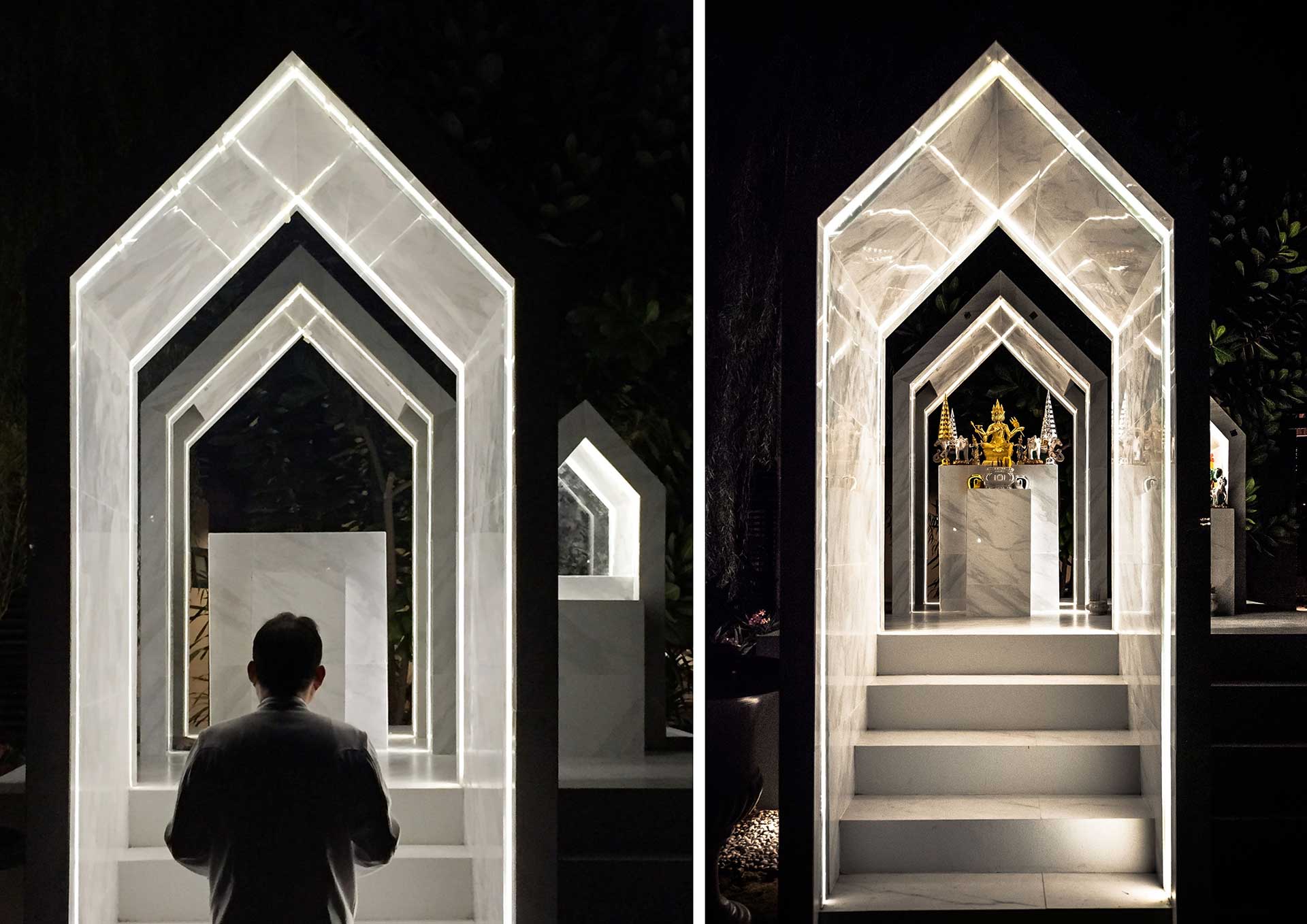
We see “local identity” and “global standards” not as opposing forces, but as layers that work together. Global standards provide technical systems, construction methods, and performance benchmarks, while local identity is shaped by culture, climate, religion, and everyday life. It is culture, in particular, that creates meaningful differences from one place to another. In many Asian contexts, daily routines are more intensive and layered. For example, cooking in Asia is often heavier, with stronger smells and more complex preparation than in European contexts. This directly shapes spatial planning. In our residential projects, it is common to design two kitchens within one house: an internal, refined kitchen used for light cooking, coffee, or casual gathering, alongside a separate Thai kitchen designed to handle heat, smoke, and strong aromas. These are cultural necessities, not stylistic choices. Religion and belief systems also influence space. In Thailand, many homes require a spirit house or a dedicated prayer room, which becomes an integral part of daily life and spatial organization. For us, a uniquely Asian spatial language today is not defined by visual motifs, but by how architecture accommodates these cultural layers through flexible planning, transitional spaces, and sensitivity to lived routines. This approach allows our work to remain locally grounded while still operating within global architectural standards.
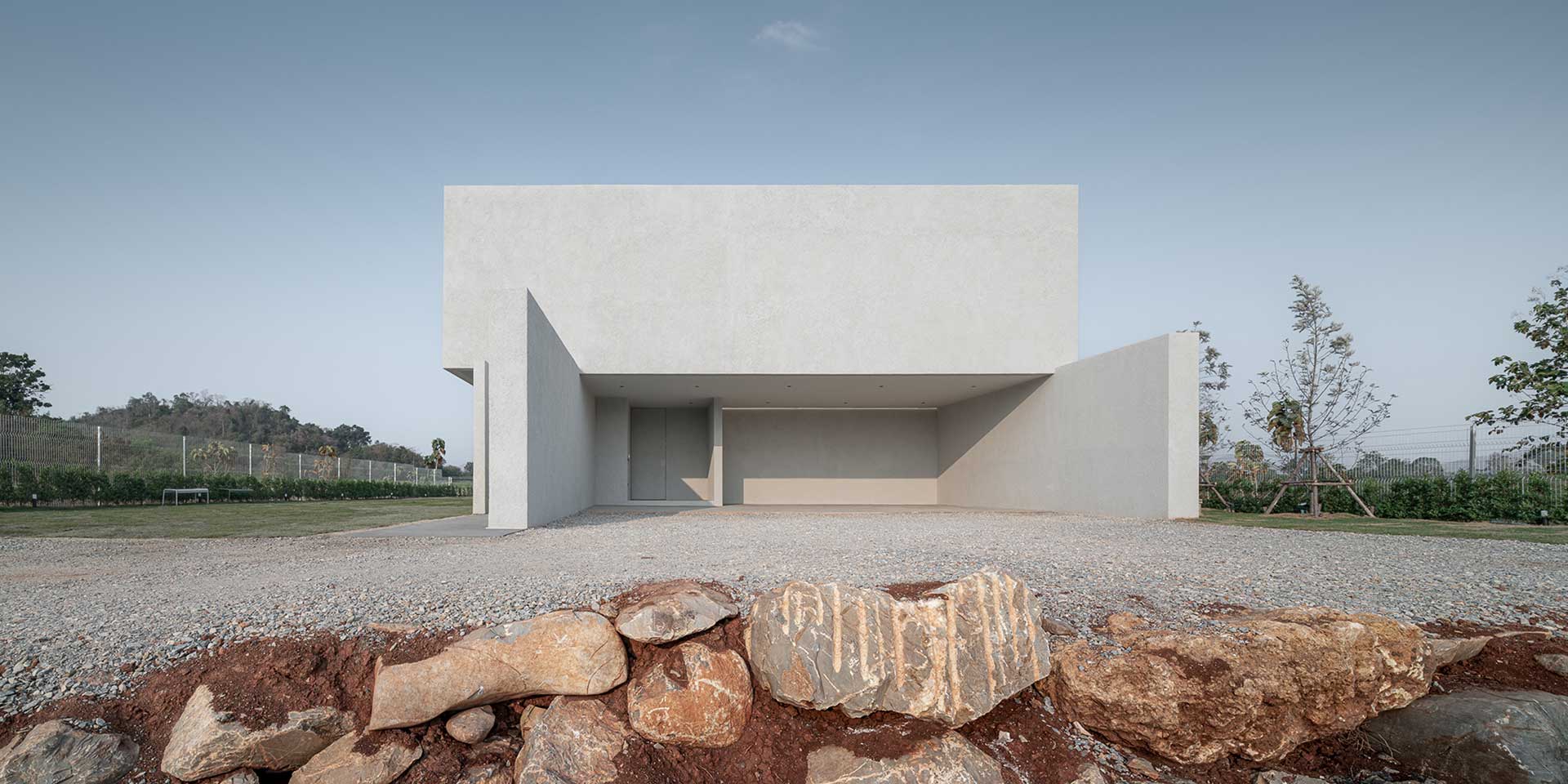
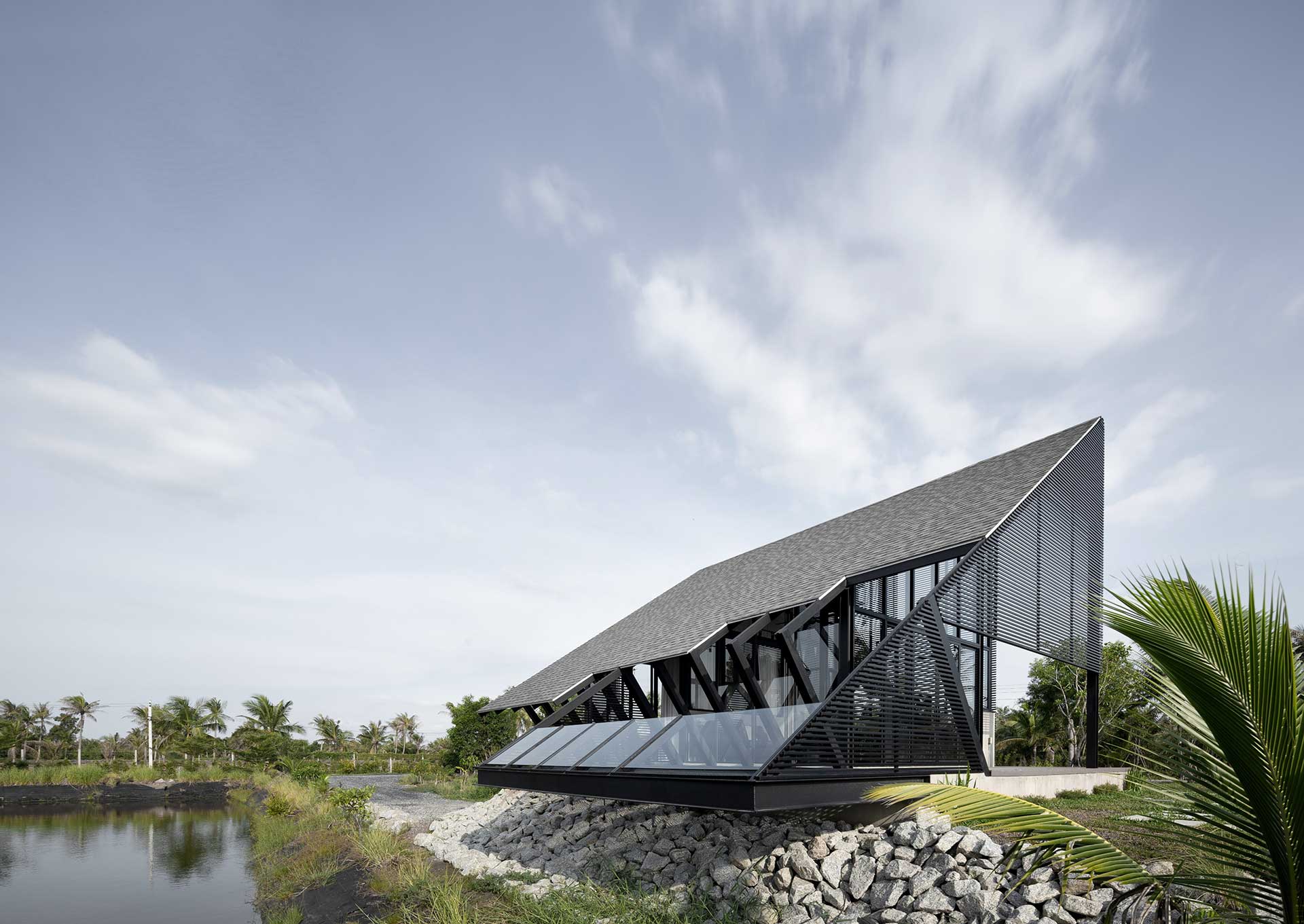
If you were to choose one project that best represents TOUCH Architect’s approach, which project would it be and why? What was the most critical question you were trying to answer through that work?
Rather than a single project, we believe TOUCH Architect’s approach is best represented across a group of residential works. Housing projects allow us to engage deeply with users, routines, climate, and long-term use, which reflects our core attitude most clearly. The most critical question we consistently explore through these projects is not “what should this house look like,” but “how should this house support the way people truly live.” Each project asks how architecture can respond to specific owners, family structures, daily habits, and environmental conditions, while remaining flexible over time. Even when projects may appear similar in form, the internal logic, spatial relationships, and atmosphere are shaped differently by each context. Through these works, our focus is on process rather than signature, and on translating invisible factors—such as lifestyle, climate, and emotional comfort—into spatial decisions. In this sense, the project becomes a framework for living, rather than a fixed architectural statement.
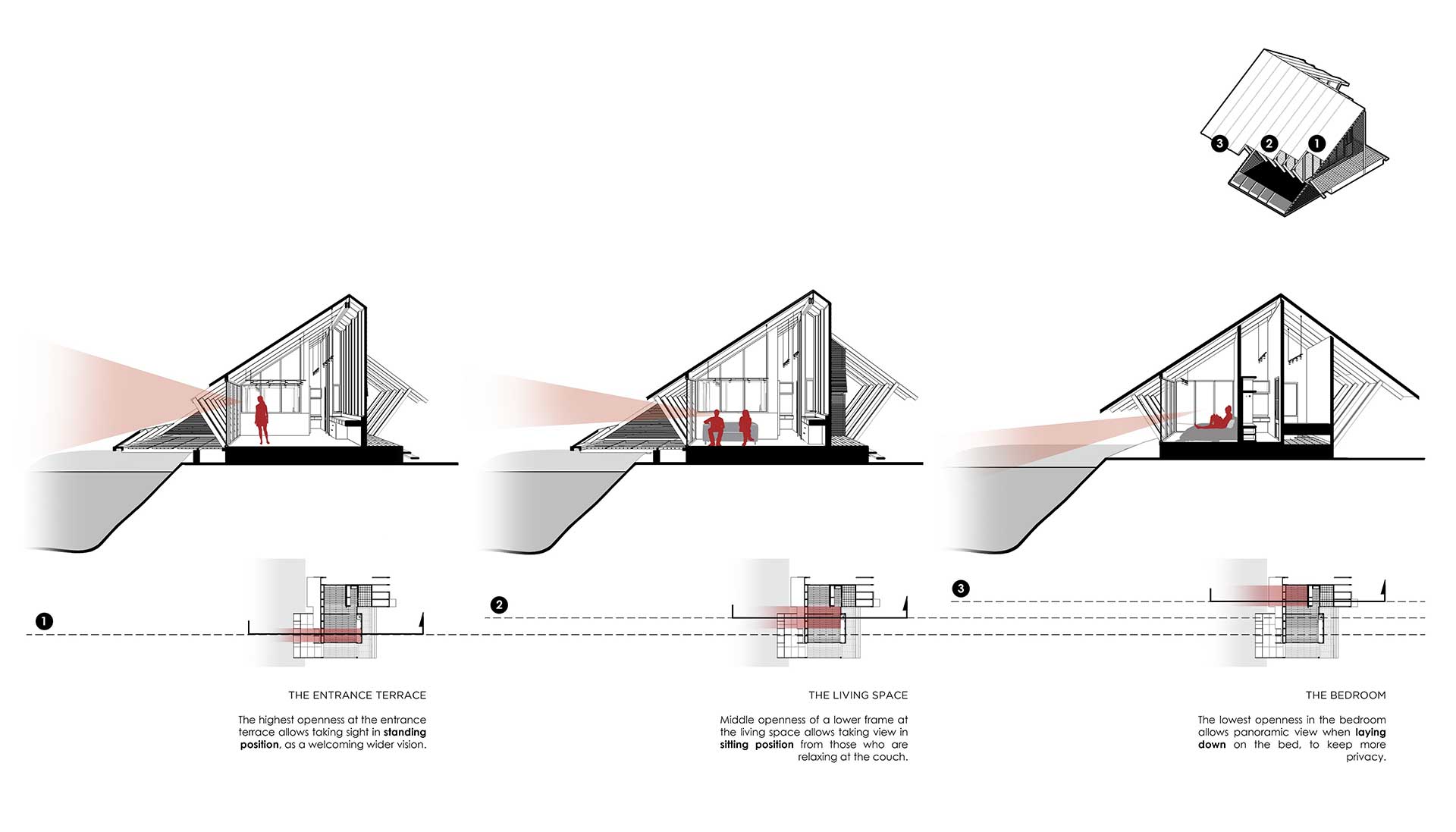
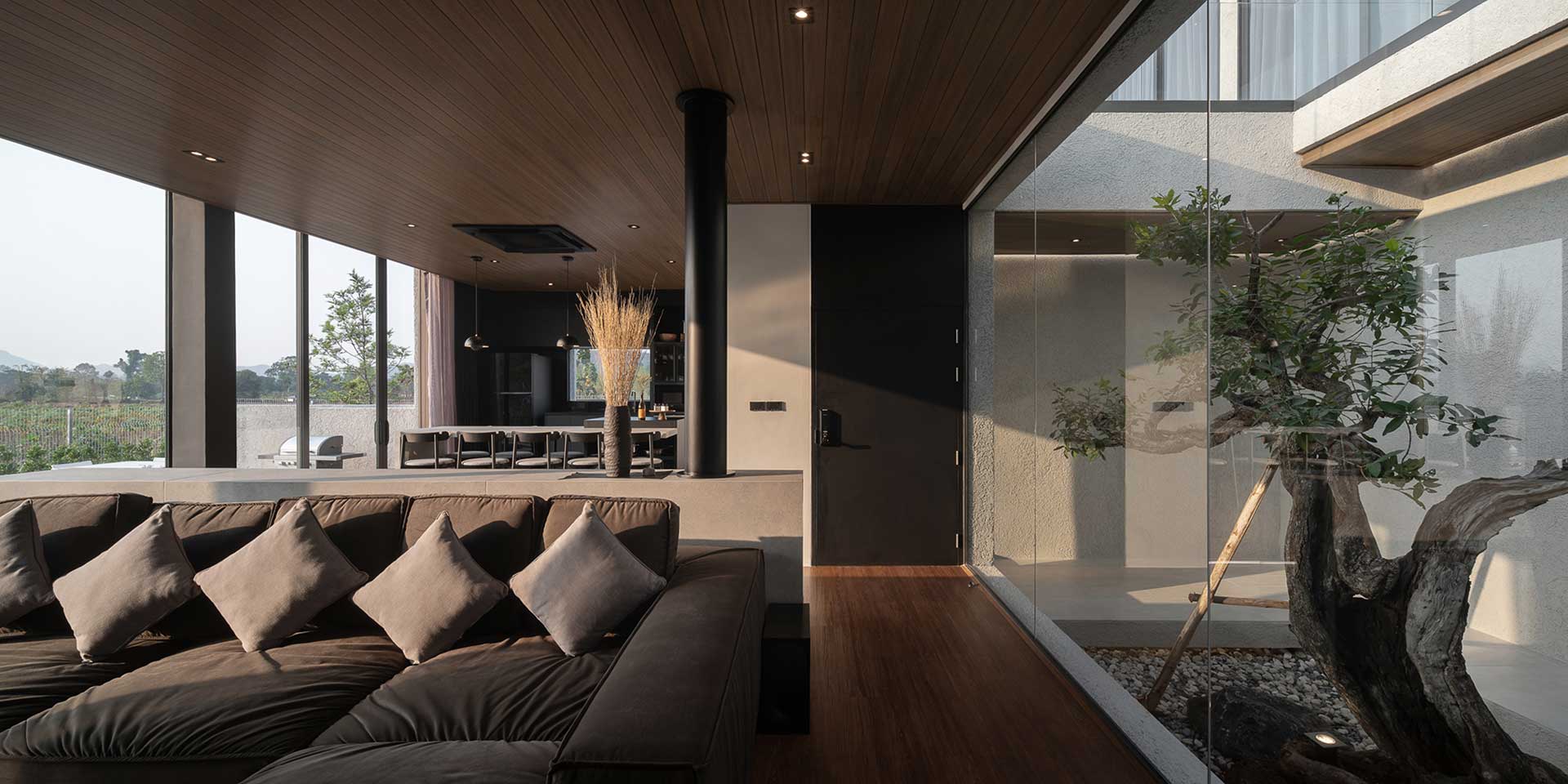
In rapidly changing cities, architecture is asked to perform more roles than ever. What do you believe architecture must protect as its essence, even as contexts and demands evolve?
In rapidly changing cities, we believe architecture must protect its essence as a framework for human life. Beyond responding to programs, technology, or speed of development, architecture should continue to prioritize people, everyday experience, and spatial quality. For us, this means protecting clarity of space, human scale, and the relationship between body, climate, and environment. Even as demands evolve, architecture should not become purely instrumental or image-driven. It must still offer moments of pause, comfort, and adaptability, allowing people to feel grounded within fast-moving urban contexts. Ultimately, architecture’s essential role is not to solve everything, but to create meaningful, resilient spaces that support daily life over time. This is what we believe must be preserved, regardless of change.
Finally, looking ahead, what themes or directions are you most eager to explore next? And in your view, what kinds of efforts and movements are needed to strengthen solidarity and exchange within the Asian design community?
The rapid development of AI and technology is less about replacing architectural thinking and more about sharpening our understanding of how people live, behave, and adapt. Technology can help us read patterns more clearly, how people move, work, rest, socialize, or withdraw, and this becomes increasingly important as human behavior continues to shift. We have already seen this during the COVID era, when daily life, work, and domestic boundaries changed dramatically. Homes became offices, schools, and places of retreat, prompting architecture to be more flexible, resilient, and psychologically supportive. Looking forward, issues such as air pollution, health awareness, and aging societies will continue to reshape how we design. Architecture will need to respond to cleaner air, access to nature, well-being, and dignity in later life, especially in contexts where people may not live with extended families. In societies with lower birth rates and longer life expectancy, we are particularly interested in alternative living models, collective housing that is not a nursing home, but a shared environment that supports independence, social connection, and mutual care. AI and data-driven tools may assist in understanding these emerging needs, but the core role of architecture remains human-centered.
Eventually, we are less focused on technology as a design tool, and more interested in the broader picture of how the world is changing. Social behavior, health, environment, and demographics are what truly shape the future of architecture. Our role is to translate these shifts into spaces that can support life as it evolves, with sensitivity, flexibility, and long-term care.
















#14057, 905 49, Beolmal-ro 102beon-gil,
Dongan-gu, Anyang-si, Gyeonggi-do, Korea
Business Registration Number: 454-86-01044
Online Sales License No.: 2021-Anyang Dongan-1081
Copyright © DESIGNSORI Co., Ltd.