
Hongseok Lee Founder of Design MIDUM Co., Ltd.
“Exhibition spaces are not simply backgrounds for displaying artworks. Within a short viewing experience, they become another form of artwork that mediates people, objects, and stories, leaving behind unforgettable sensory impressions. This interview follows the process of weaving space, content, and experience into one continuous flow through exhibition design. Design Mideum has pursued spaces that are not merely seen, but completed within the memories of people. In the unique context of exhibitions, where strong impressions must be created within a limited amount of time, we spoke about how narratives are structured, how movement and gaze are orchestrated, and how balance is maintained between technology and content.”
Could you first introduce Design Mideum and your own design journey? We would also appreciate hearing about the direction in which you have developed your work, particularly in the field of spatial and exhibition design.
Design Mideum is a studio that designs experiences through exhibition spaces. We do not see space simply as a “structure for display.” To us, space is a medium that creates relationships between people and content, and a place where new senses and memories are formed. In other words, we believe space itself functions as a language that communicates messages and serves as an invisible bridge connecting visitors and artworks. In the early years of the studio, we worked across various fields of spatial design, including commercial spaces, residential projects, and architecture. However, through a wide range of projects, we became increasingly immersed in one question: “What kind of experience can space leave behind for people?” Naturally, this led us to focus more deeply on exhibition design. Exhibitions are a medium capable of leaving a powerful impression within a short amount of time, and they are also one of the most direct forms through which stories can be communicated through space. In that sense, exhibition design closely aligned with the direction we wanted to pursue.
Today, Design Mideum continues to develop exhibition projects centered around museums and cultural spaces, pursuing designs in which space, content, and the visitor’s experience are seamlessly connected into one continuous flow. Rather than creating spaces that merely serve as backgrounds for displaying artworks, we aim to design spaces that generate another layer of narrative together with the works themselves.
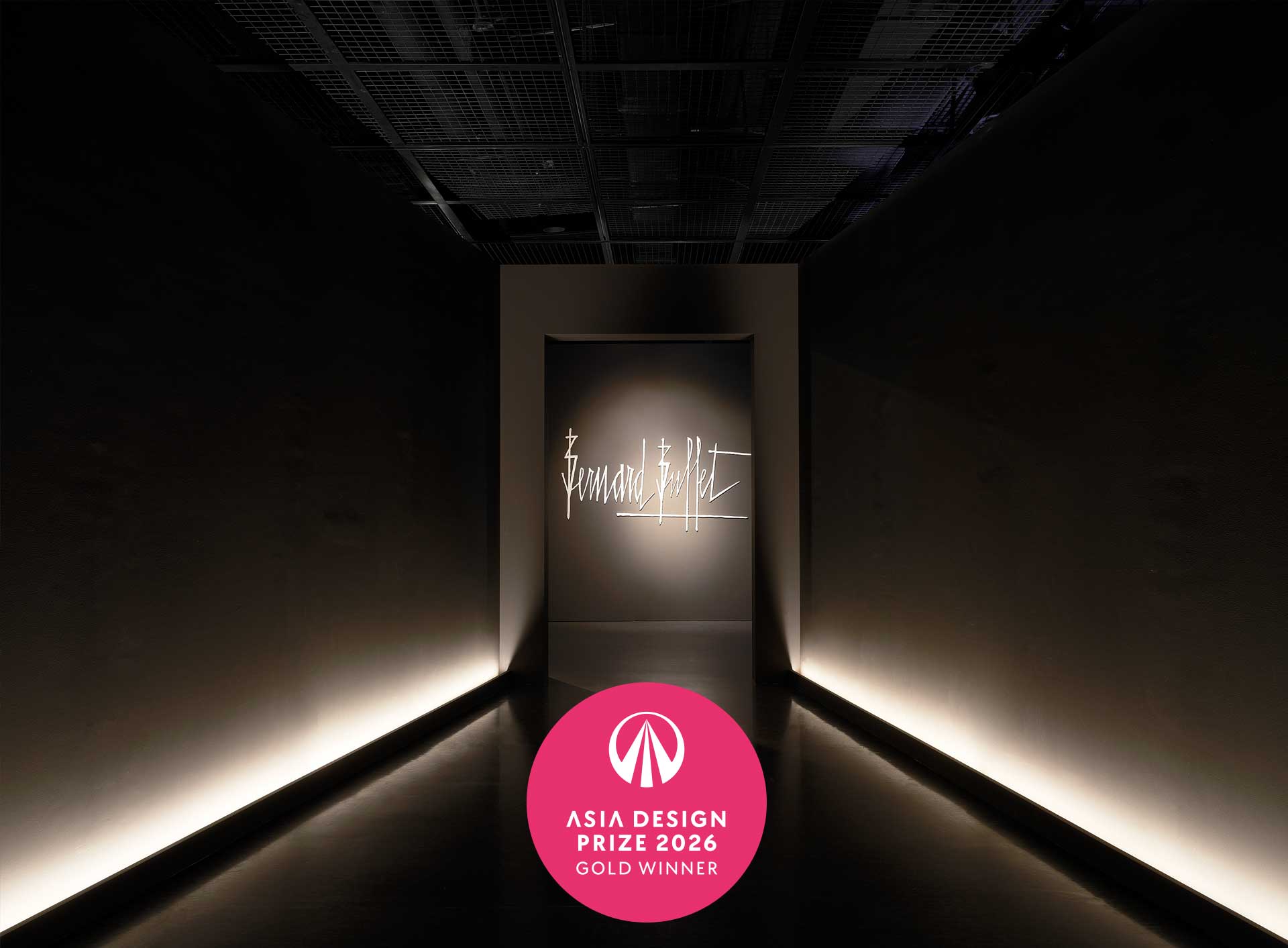
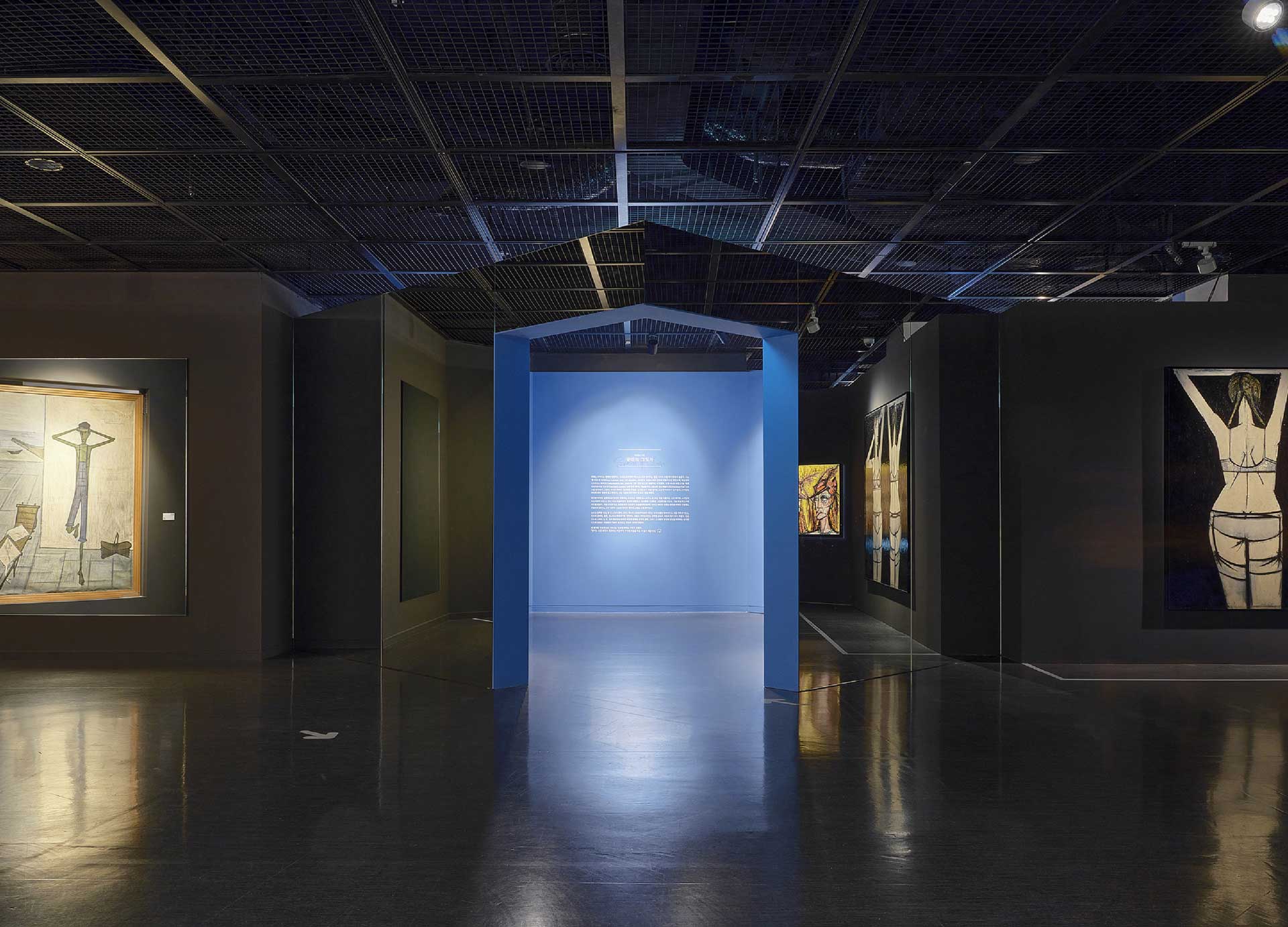
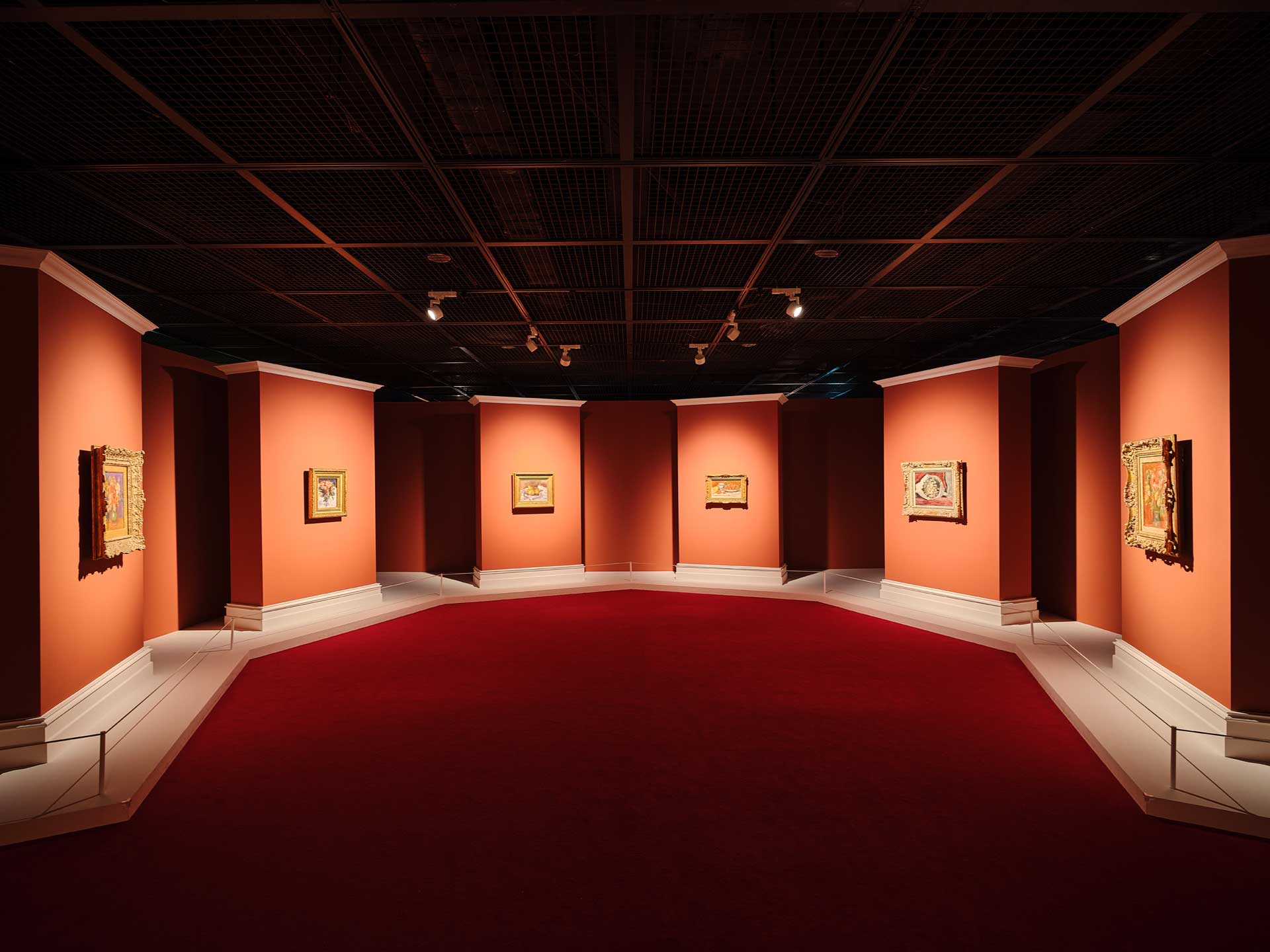
< Bernard Buffet Exhibition, ASIA DESIGN PRIZE 2026 Gold Winner >
Design Mideum has worked on a wide range of projects centered around exhibition spaces. What do you believe is the essence of exhibition design, and how do you see it differing from general spatial design?
I often find myself asking why people visit exhibitions in the first place. I believe people come to exhibition spaces to experience sensations that cannot be felt in everyday life, to reconnect with forgotten memories, or to encounter emotions and atmospheres they have never experienced before. In that sense, exhibitions are fundamentally different from other forms of spatial design because they are not simply about delivering information, but about mediating senses and emotions. For this reason, exhibition designers must be able to amplify those emotional and sensory moments, reconstructing them within the language of space. During the relatively short viewing time of around one and a half to two hours, visitors become fully immersed in the environment created by the designer, experiencing both the artworks and the narratives embedded within the space. Within this short yet highly concentrated period, space should function not merely as a background, but as another form of artwork in which the visitor temporarily resides.
While general spatial design is often based on repetitive everyday use, exhibition design deals with the compression of experience, creating strong impressions and lasting emotional afterimages within a limited amount of time. That is why, in every project, we place the greatest importance on one question: “What will visitors take with them when they leave this space?”
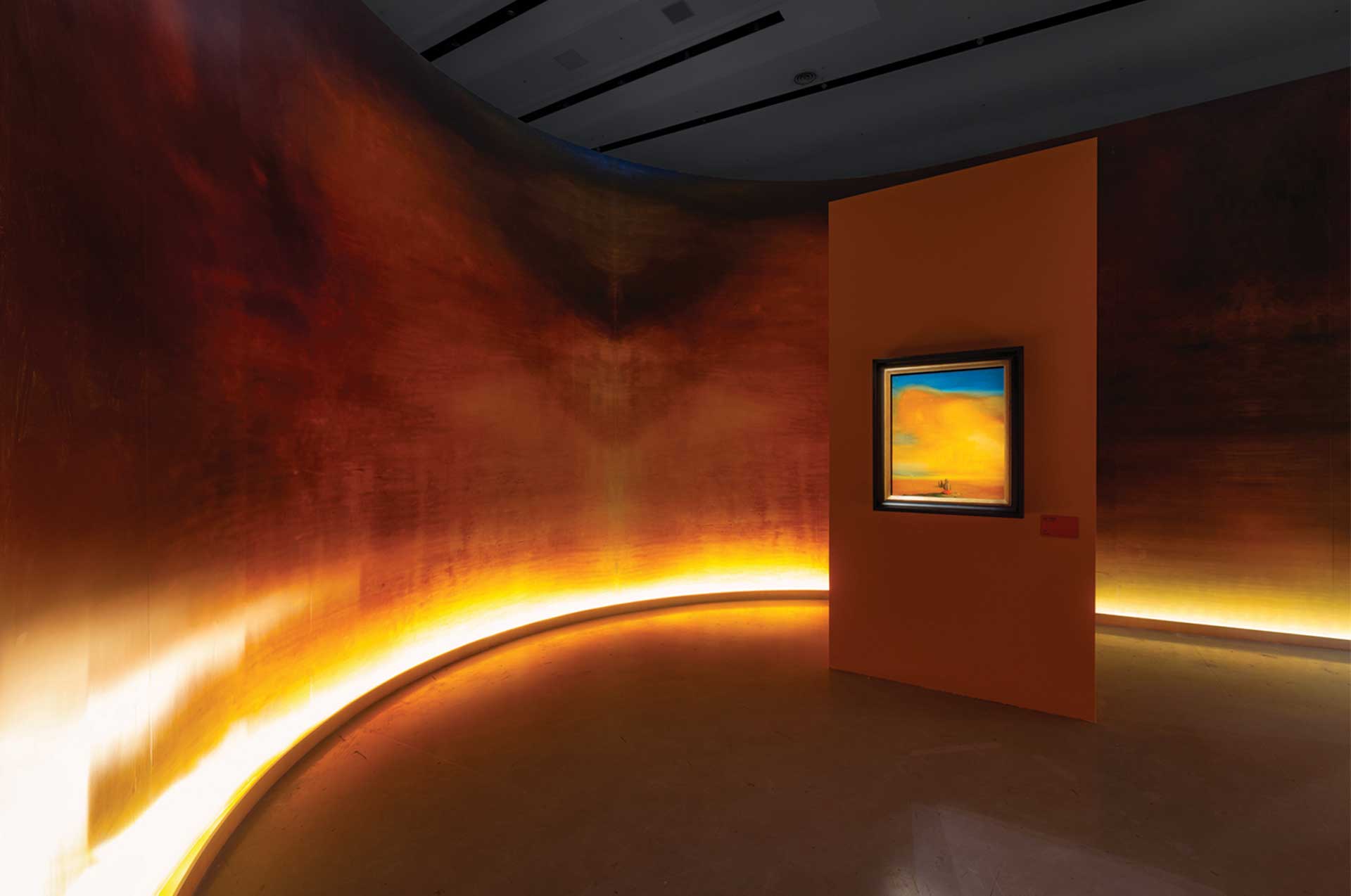
Exhibition spaces are not simply places for delivering information, but environments designed around the visitor’s experience and emotions. When conveying narratives through space, what do you consider the most important element?
The question we ask most frequently throughout the design process is, “Has the space been designed in a way that fully delivers its story?” Visitors usually experience exhibition spaces that are divided into multiple sections within a relatively short period of less than two hours. To leave a lasting memory within that limited time, we believe every element inside the space must operate organically within a single narrative structure. For this reason, we consider the story of the space itself, the highlights within that story, and the placement of those highlights to be the most critical stages of the design process. Decisions about where visitors should naturally pause, where their gaze should flow, and which scenes will leave the deepest impression ultimately determine the rhythm of the entire exhibition. In that sense, our work is not simply about creating visually appealing spaces, but about designing the scenes that will remain in people’s memories long after they leave.
We also believe it is important not to unfold narratives in a purely linear way, but to carefully orchestrate moments of intensity and stillness so visitors can immerse themselves naturally within the experience. Ultimately, exhibition design is not about arranging information efficiently. It is about designing the flow of emotions and the passage of time experienced by the visitor.
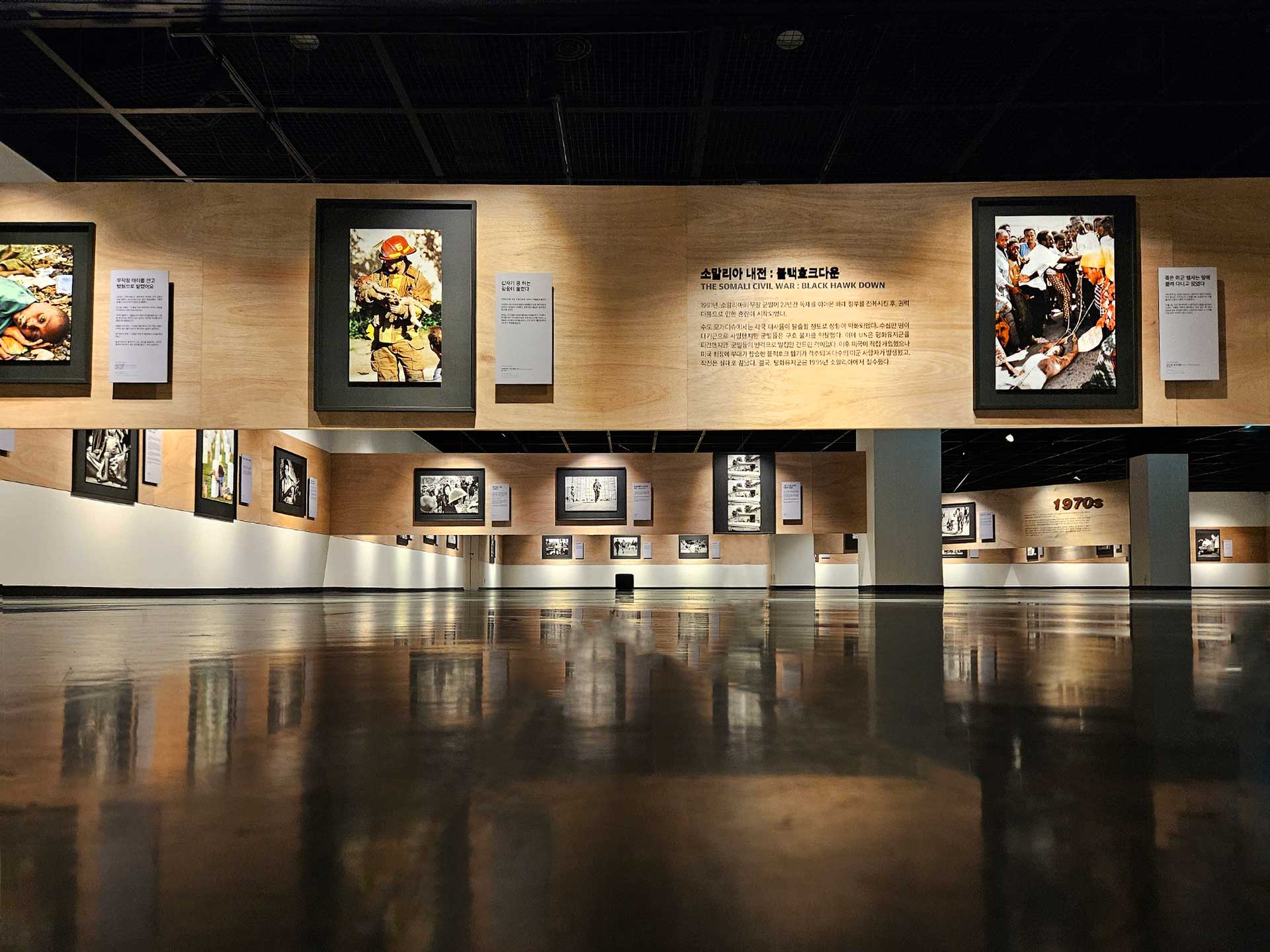
When designing a space, both “concept” and “story” play central roles. Could you explain how Design Mideum develops these concepts and how they are ultimately translated into physical space?
Concept and story are the starting point of exhibition design and the foundation that guides every decision we make. We begin by thoroughly understanding the exhibition through strategic analysis. This involves examining multiple factors in an integrated way, including whether the exhibition is centered on painting, photography, or another medium, the characteristics of the target audience, the expected viewing duration, and the curator’s overall intention and direction. Only after this analytical process is sufficiently developed do we begin determining where specific narratives should appear along the visitor’s circulation path, and how the timing and intensity of the experience should be controlled. In many ways, this process resembles composing rhythm in music. We carefully decide where moments of emphasis and moments of pause should exist, not through intuition alone, but through structured analysis and strategic planning.
This stage forms the broader framework of what we call “spatial planning.” Once the narrative structure and spatial positioning are established, we then review whether the connection between the artworks and the space functions naturally and effectively. Only after that verification process is completed does what people commonly imagine as “spatial design” truly begin. Through this layered and analytical approach, the concept becomes more than just a visual idea. It evolves into a central logic that runs throughout the entire space. As a result, the spaces created by Design Mideum are built upon carefully designed narrative structures, allowing visitors to naturally absorb the meaning of the exhibition as they move through it.
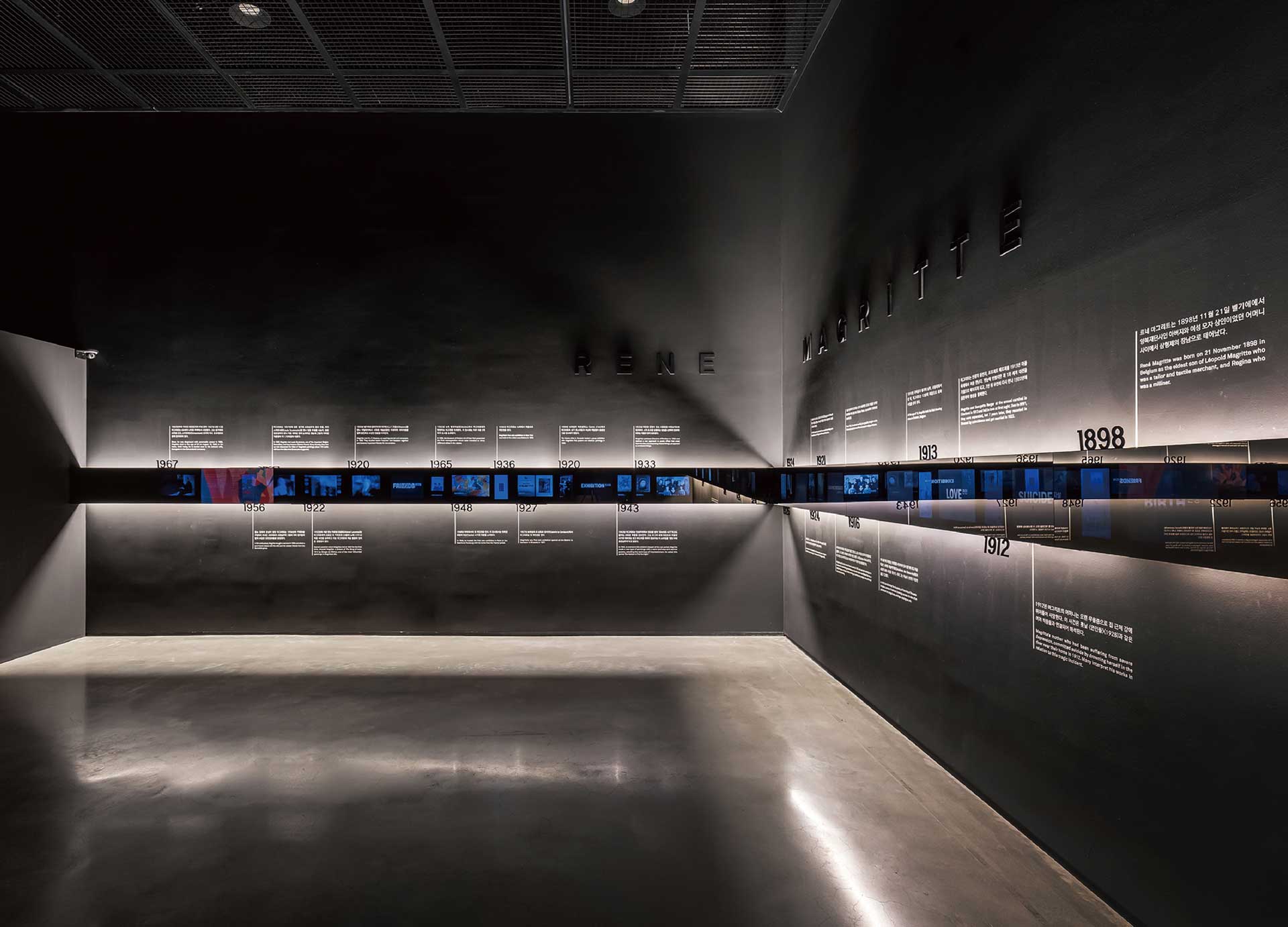
Exhibition design is still a field that remains relatively unfamiliar to the general public. What led you to this profession, and how do you view the appeal and future potential of being an exhibition designer?
Rather than saying I consciously “chose” exhibition design, I think it would be more accurate to say that I gradually became immersed in it. Unlike general spatial design projects, exhibitions usually operate for only around three months, which creates far more opportunities for experimental approaches. I was fascinated by how the exact same space could transform into something entirely different depending on what kinds of works were being exhibited. The fact that space was not a fixed result, but something constantly shifting and evolving with new possibilities, naturally drew me deeper into this field.
An exhibition designer is involved in every stage of the process. From the earliest planning discussions and conceptual development, to construction, operation, and even the dismantling of the exhibition after it closes, we remain connected to the entire lifecycle of the project. Along the way, countless unexpected problems arise, and solving them becomes part of the process itself. Then eventually, the exhibition opens, and we witness the reactions and behaviors of the first visitors. The feeling at that moment is more rewarding than anything else. I believe the greatest appeal of this profession lies in being able to see, from the closest possible distance, how the designer’s intentions actually resonate with people.
Today, exhibition design is expanding far beyond its traditional boundaries into areas such as media art, brand experience spaces, fairs, pop up environments, and cultural content as a whole. As the field expands, the role and possibilities available to exhibition designers are also growing significantly. I believe the demand for exhibition designers will continue to increase, and the ways stories are communicated through space will evolve into even more diverse and immersive forms in the future.
Spatial design can ultimately be understood as something completed through its relationship with users. When designing visitor circulation, gaze, and moments of staying within exhibition spaces, what standards or principles do you consider most important?
In spatial design, the idea of “relationship” is an extremely important element. There is a state we describe as “embodiment,” a condition in which visitors become fully immersed within a space. To create this sense of embodiment, I believe the relationship formed between the visitor and the space becomes both the foundation and the completion of the experience. I often think of space as if it were a person. Just as people think carefully about what they should say, what they should wear, or what kind of fragrance they should use when trying to become closer to someone for the first time, a space must also be carefully designed around the first impression it gives and the atmosphere it conveys to visitors.
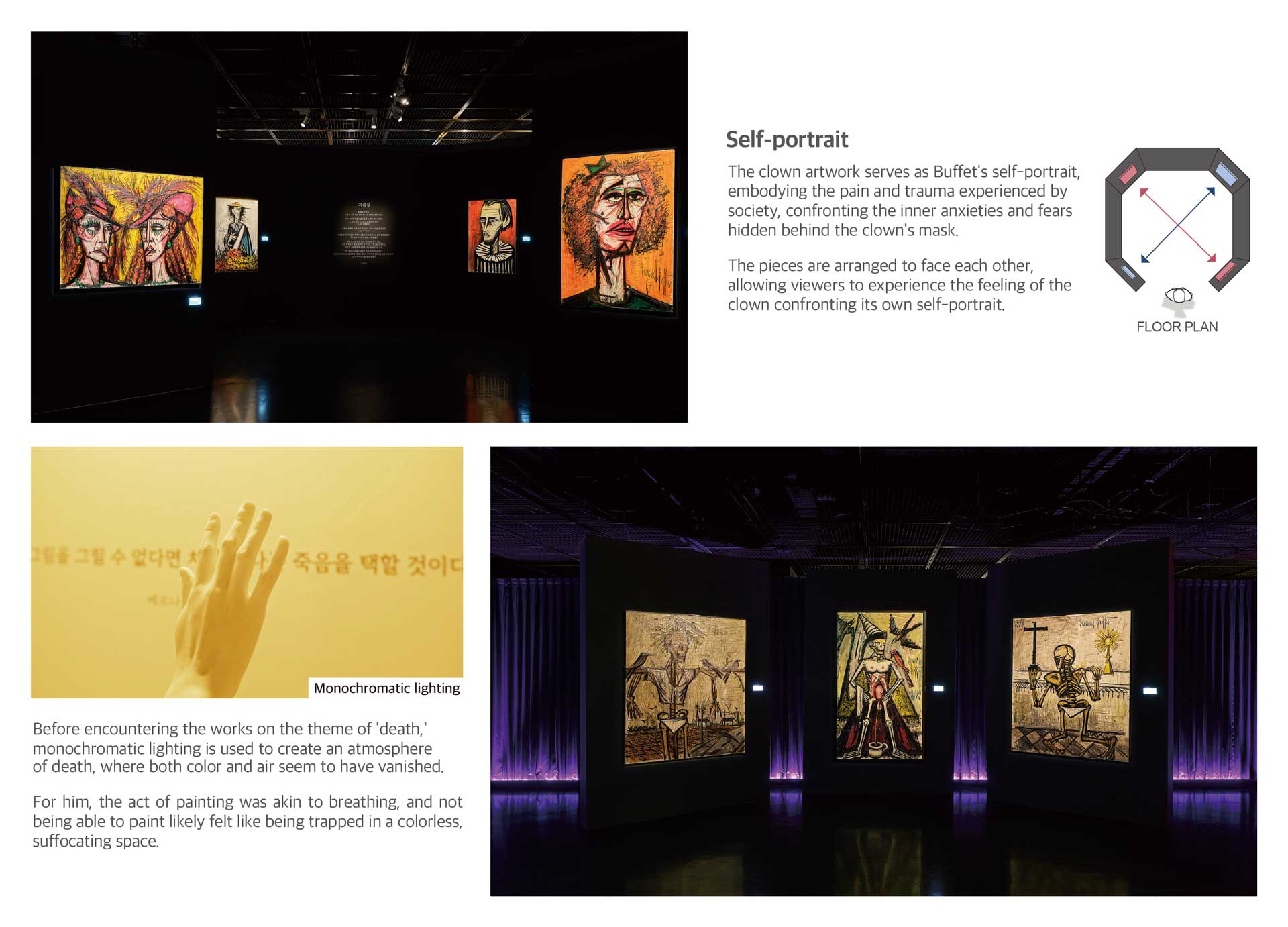
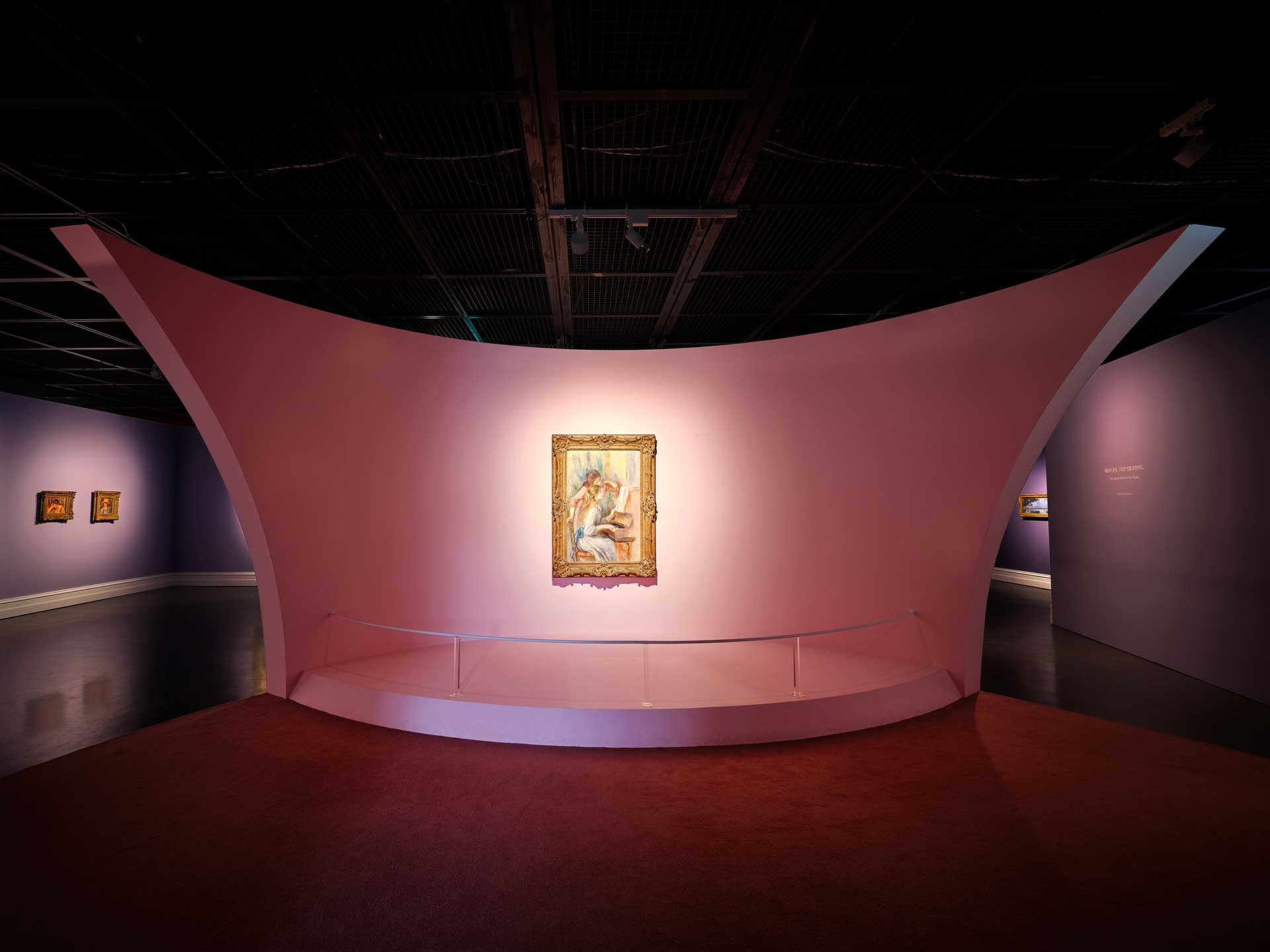
That is why I often say, “If you want to become close to a space, you should visit it often.” Just like relationships between people, the more frequently we encounter a space, the deeper our understanding of it becomes, and the more meaningfully we can express it. In that sense, first impressions are incredibly important. This is why we often place strong and symbolic spatial language at the beginning of an exhibition. The moment visitors first enter the space becomes something like a first introduction between the audience and the exhibition itself. The intro design for the Bernard Buffet exhibition is a representative example of this approach. Bernard Buffet suffered from illness in his later years, and when his hands began to tremble so severely that he could no longer paint, he ultimately chose to end his own life. To him, painting was inseparable from the meaning of being alive itself. We wanted to communicate that emotional reality through the introduction of the exhibition.
We expressed the concept of “breath” through light. By controlling the intensity of light to resemble inhaling and exhaling, we attempted to deliver the message that “the artist may be gone, but the paintings are still alive.” This strong first impression shaped the emotional tone of the entire exhibition experience afterward, while also building a deeper relationship between the visitor and the space itself.
Recently, spatial design has been rapidly evolving through its integration with digital technology, media, and interactive systems. Within this changing landscape, how do you see exhibition space design evolving?
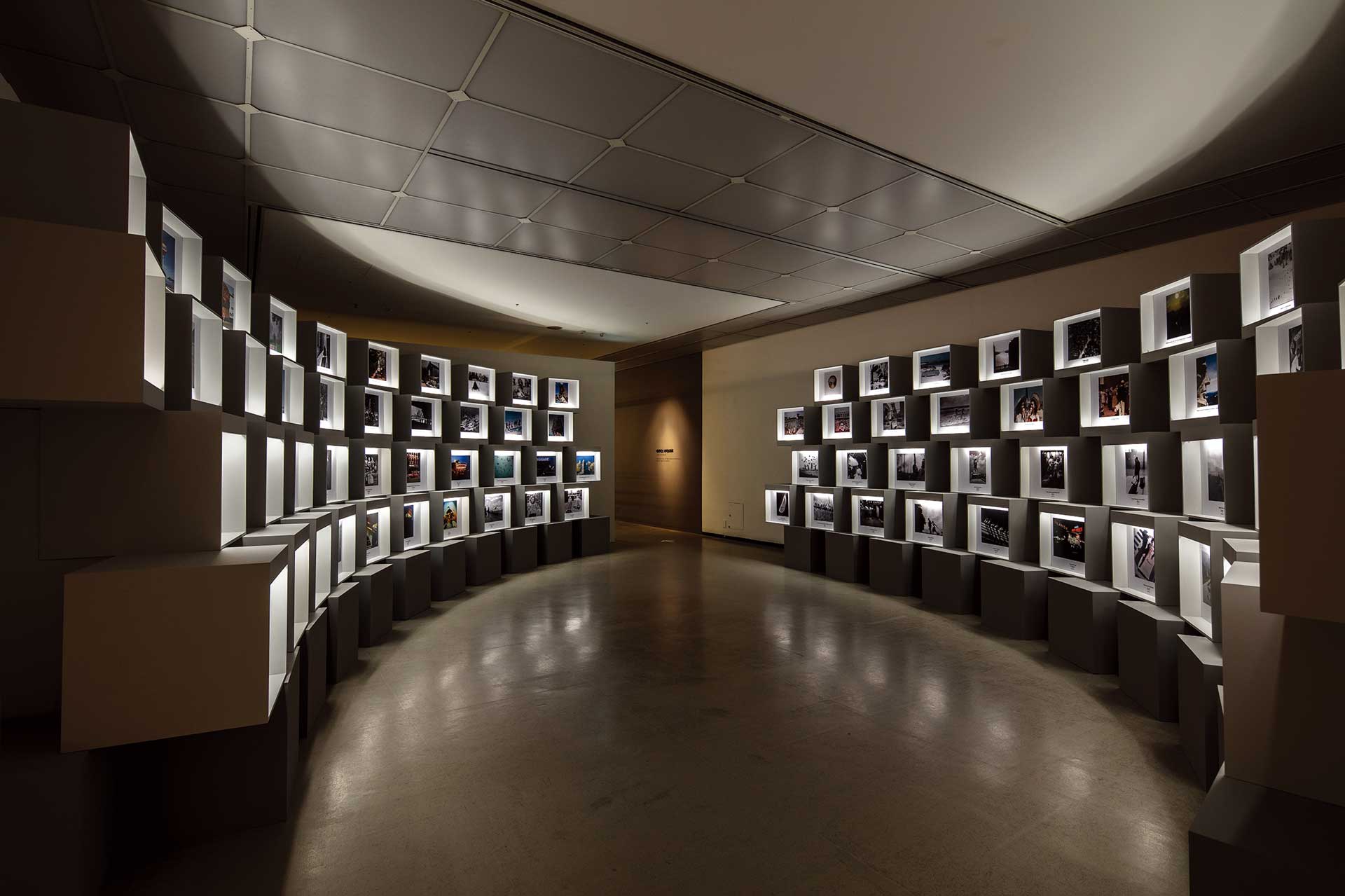
I believe exhibitions are one of the fields where digital technologies are introduced and experimented with most rapidly. Exhibition environments provide ideal conditions for launching new technologies and observing how audiences respond to them, while the relatively short operational cycles also allow for a wide range of experimental attempts. Media projections, interactive content, sensor based responsive environments, VR, and AR technologies have already become naturally integrated into exhibition spaces, and today they are almost essential elements to consider in exhibition design. However, I do not believe the most important question is simply what kind of technology has been incorporated into a space. Ultimately, the core still lies in content and experience. Technology should remain a tool for delivering stories, and the moment the tool begins to overpower the purpose, the exhibition risks losing its essence. When exhibitions become overly consumed by spectacular media effects alone, visitors often leave without carrying any lasting emotional memory with them.
In exhibition space design, the most important question is not simply “What should be shown?” but rather “What kind of story should be conveyed?” For that reason, whenever we introduce new technologies, the first thing we examine is whether they contribute to communicating the content more deeply and enriching the visitor’s experience in a meaningful way. Technology can certainly make the surface of an exhibition appear more visually impressive, but I believe true depth ultimately comes from a carefully constructed narrative and the spatial structure that supports it.
Design Mideum has received recognition for its global competitiveness through awards from various international design competitions. Could you share how these experiences have influenced the studio’s design approach and standards?
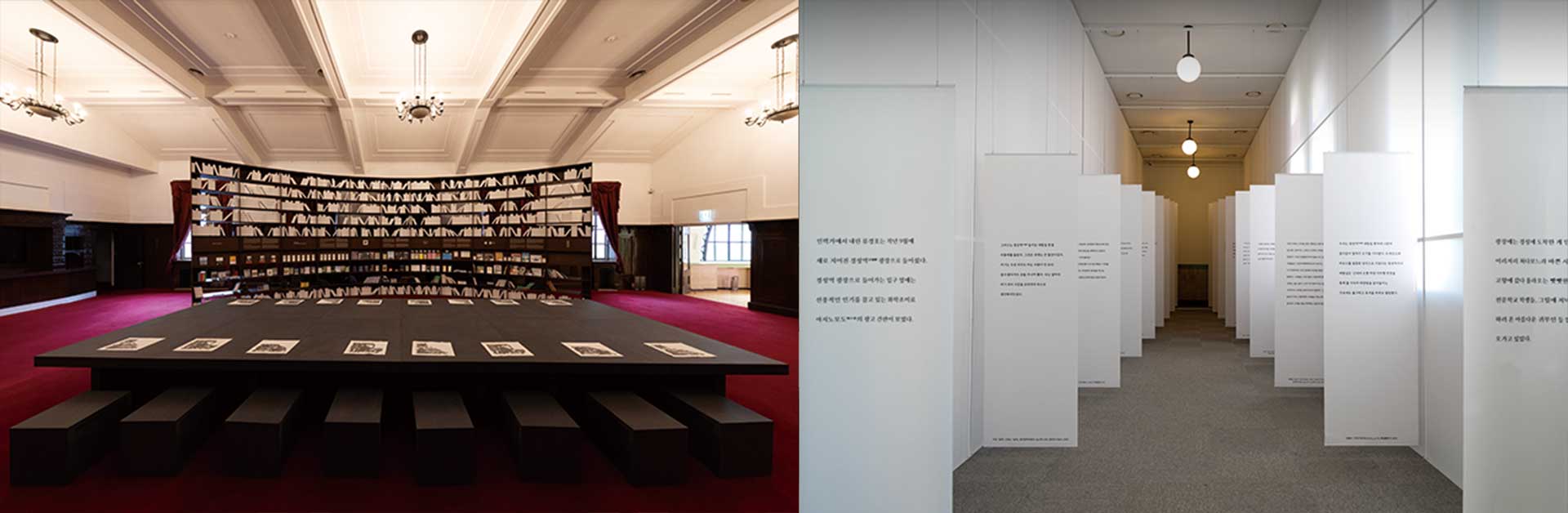
I believe international design awards are not simply places where results are externally recognized, but processes through which our work is tested against broader and more diverse standards. Once a project is evaluated beyond the context of Korea and viewed through different cultural perspectives and criteria, aspects that were previously invisible begin to reveal themselves. Through those experiences, we became able to look at our own work more objectively, while also gaining a broader understanding of which values should be emphasized more strongly within our design approach.
In particular, these experiences pushed us to raise our standards regarding conceptual clarity, overall completion, and sustainable spatial practices. Because exhibition spaces are often temporary and dismantled after a relatively short operating period, we began thinking beyond simply creating visually impressive environments. Our design process expanded to include questions of material circulation, reusability, and environmental responsibility. Ultimately, these award experiences became opportunities to strengthen the internal design standards of the studio itself. By objectively reflecting on our work through external perspectives and continuously feeding those insights back into our own design processes, I believe Design Mideum has gradually built a more consistent and distinctive design language of its own.
Spatial design is expanding beyond physical form into a field that also encompasses brands, content, and environmental systems. Within this shift, how do you think the role expected of designers is changing?
Whenever the scope of a profession expands, it inevitably creates friction between different domains. As spatial design increasingly merges with branding, content, environment, and technology, I believe the capabilities expected from designers are naturally evolving as well. In the past, designers were primarily valued for their ability to create something beautiful and functional. Today, however, I think an equally important ability is the capacity to resolve friction, in other words, the ability to coordinate, integrate, and mediate between different elements.
When branding, content, technology, environmental concerns, and user experience intersect, differences in priorities and conflicts of interest inevitably emerge. Designers are now expected to balance these various voices and orchestrate them so that all elements can operate within one clear direction. Rather than simply producing visually compelling results, the ability to design invisible relationships and flows is becoming one of the most essential qualities of a designer. Ultimately, I believe the future role of designers lies in integrating diverse elements without losing coherence within the overall flow of a project. Designers are no longer simply people who create outcomes. They are evolving into people who coordinate the entire process leading to those outcomes and give meaning to the relationships formed along the way.
Finally, could you share the direction Design Mideum hopes to pursue in the future, as well as the long term design values you wish to build through your work?
I often say, “If visitors leave an exhibition remembering even just one artwork or one space, then it was a successful exhibition.” Since exhibition spaces ultimately exist to illuminate the artworks that stand at the center of the experience, I believe we must think more deeply about the question of what should remain in people’s memories. The essential value of exhibition design does not lie in creating visually extravagant forms, but in the emotional afterimages that linger within visitors long after they leave. Moving forward, Design Mideum hopes to continue being remembered as “people who create unforgettable spaces.” We want to create spaces that leave scenes which do not fade over time, sensations that unexpectedly return in the middle of everyday life, and emotional textures that visitors continue to carry with them long afterward. More than anything, we sincerely hope those memories remain not merely as impressions, but as small moments of happiness that feel extraordinary within ordinary life.
In the long term, rather than establishing a single fixed style, we hope the unique way Design Mideum thinks and works can itself become a meaningful design value. Styles inevitably age with time, but experiences engraved within people’s memories tend to endure much longer. Ultimately, the value we pursue through design is the creation of unforgettable memories and emotions through space.















#14057, 905 49, Beolmal-ro 102beon-gil,
Dongan-gu, Anyang-si, Gyeonggi-do, Korea
Business Registration Number: 454-86-01044
Online Sales License No.: 2021-Anyang Dongan-1081
Copyright © DESIGNSORI Co., Ltd.