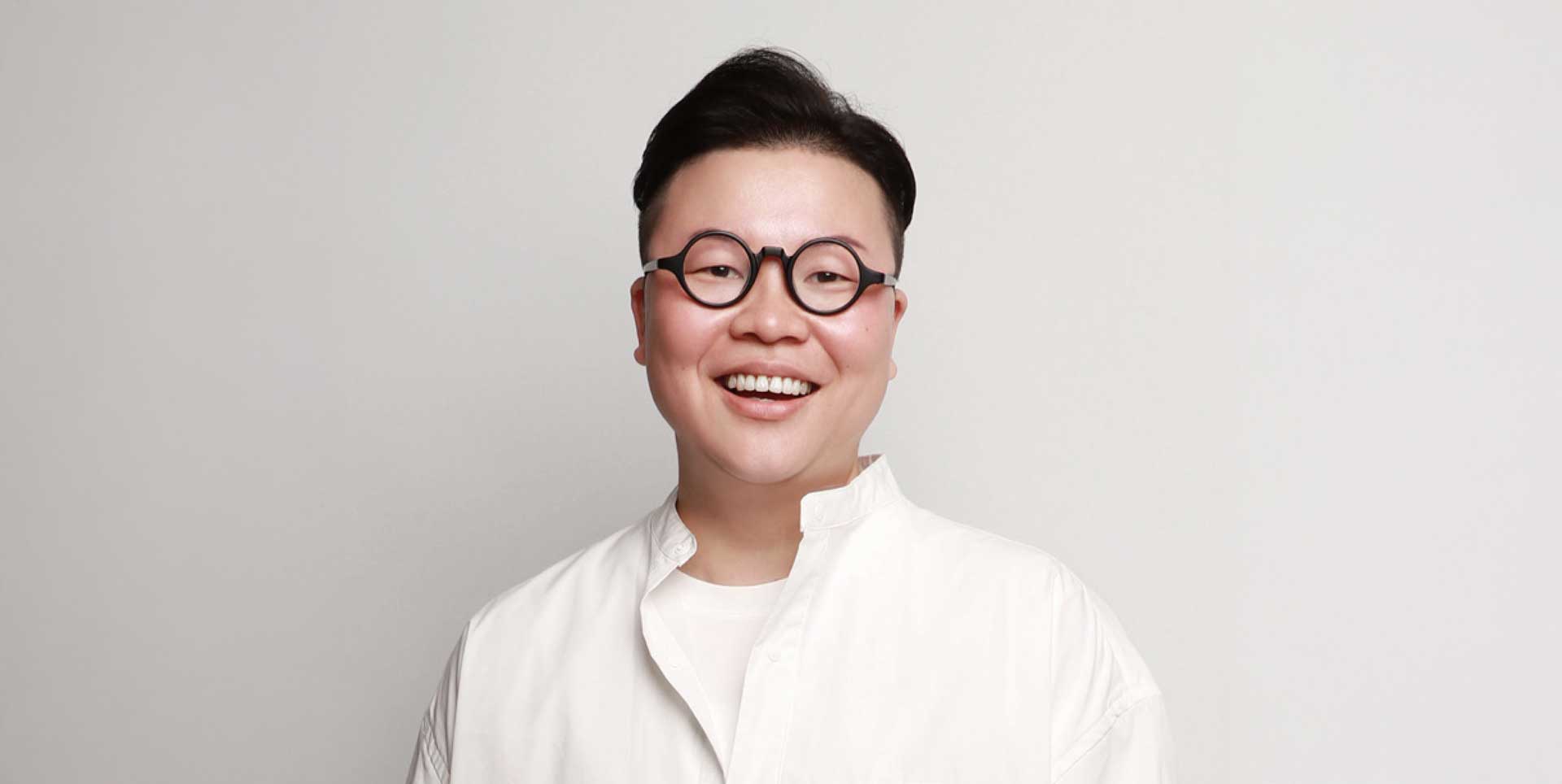
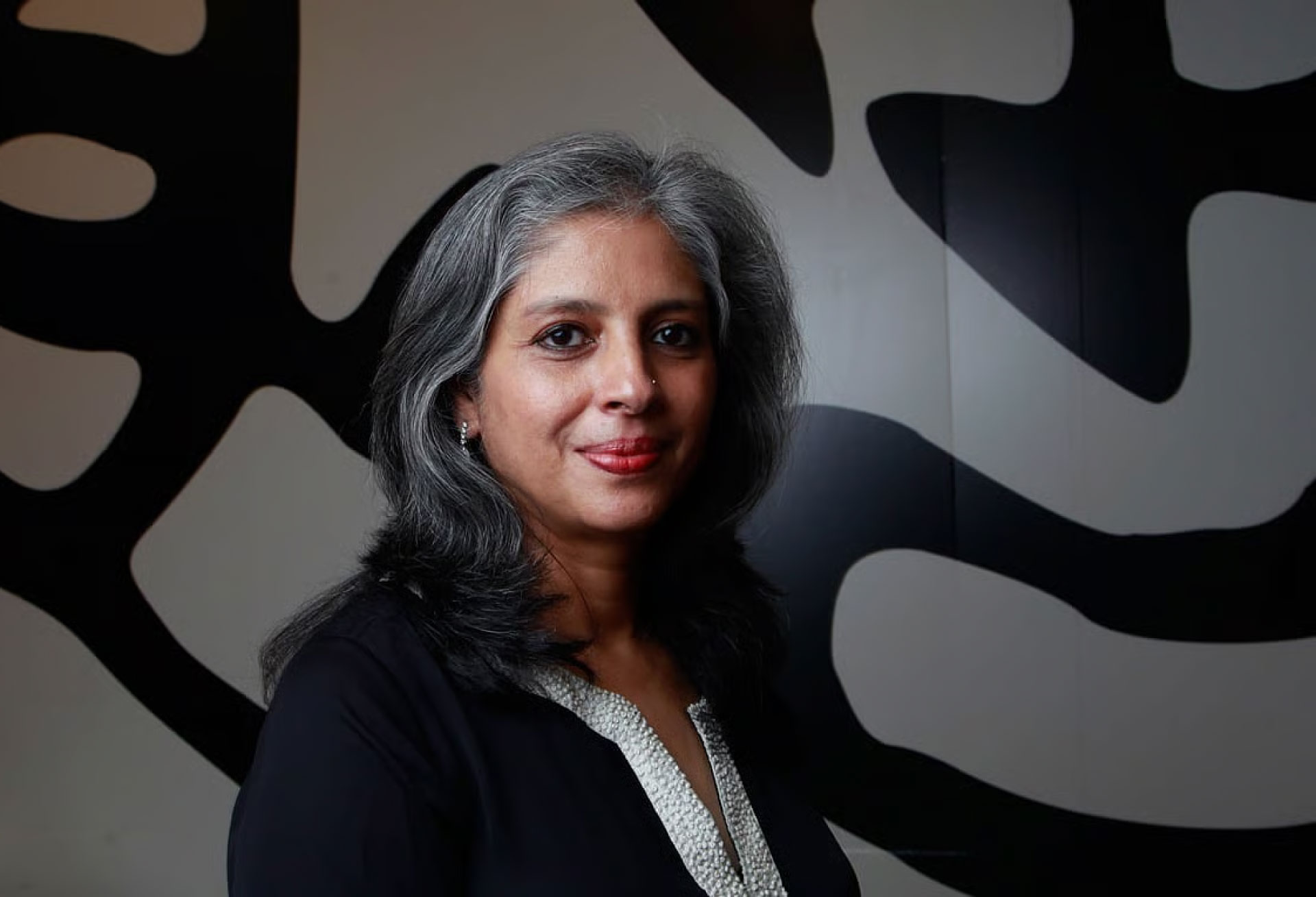
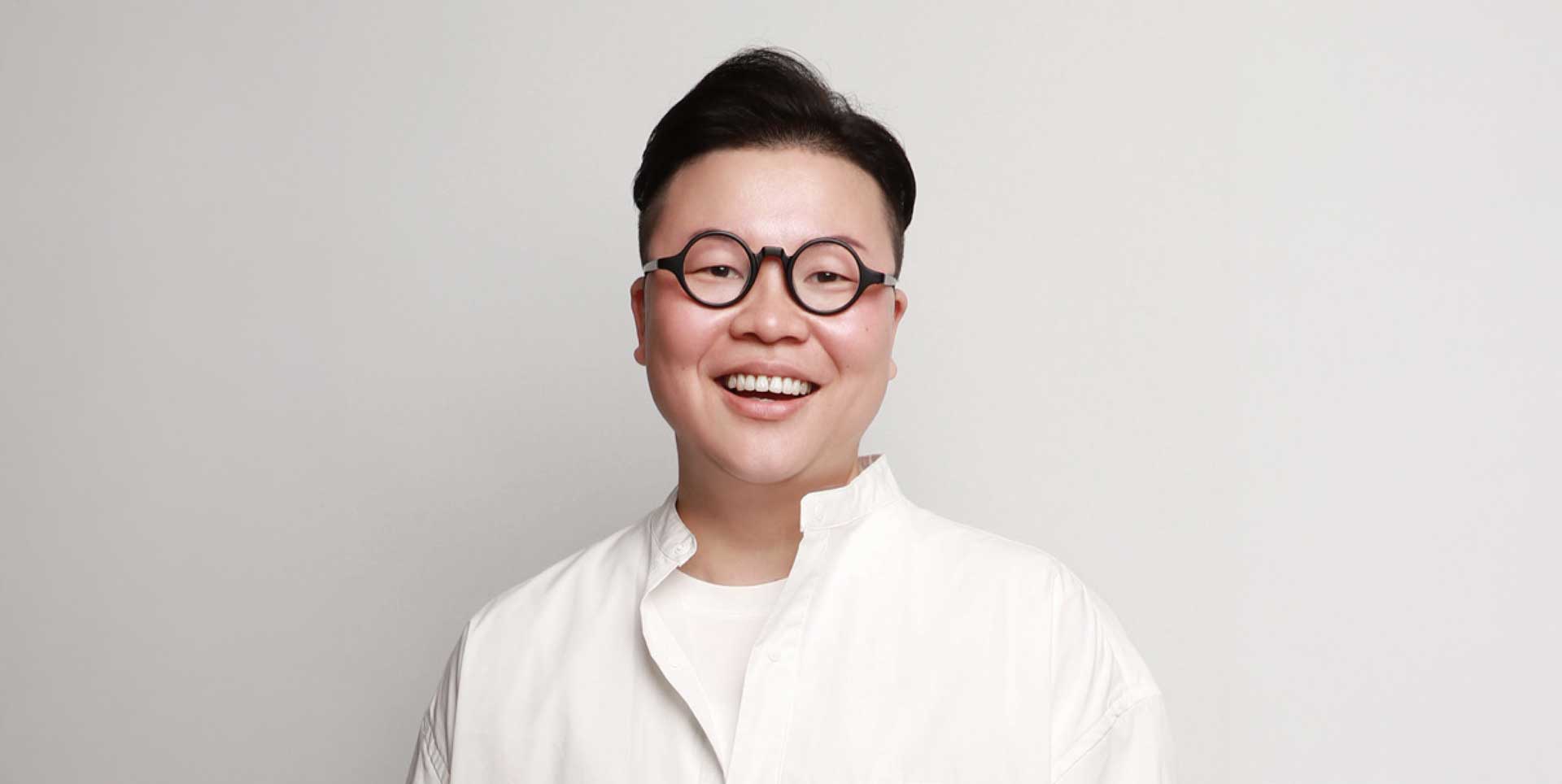
Arvin Huang Founder & Chief Brand Officer, Existence Design
“Arvin Huang is the founder and Chief Brand Officer of Existence Design, and a brand design director who bridges design, psychology, and agile thinking. With over 20 years of design practice and 14 years of entrepreneurship, she developed Brand Psychology, viewing brands as living entities with emotions, rhythm, and life cycles. She treats design as translation, turning a founder’s intention and organizational culture into experiences people can feel and remember. She applies Scrum and sprint based collaboration to make branding more transparent, measurable, and participatory, guiding clients as active partners in the process.”
With over 20 years of design experience and 14 years as a founder, you have built a career that bridges design, branding, and leadership. Looking back, what do you consider the most pivotal turning point in shaping who you are today as a designer and entrepreneur, and how has that experience influenced your current design philosophy?
I am Arvin Huang, the founder of Existence Design, a branding studio based in Taiwan. Over the past two decades, my work has focused on brand identity, brand strategy, and cultural design research, helping companies translate abstract brand values into meaningful visual and emotional experiences. Looking back on nearly twenty years of design practice and more than a decade of entrepreneurship, the most profound turning point in my journey was the shift from being a designer pursuing visual perfection to becoming someone who translates brand psychology into design. I came to realize that a brand’s existence begins the moment it is born. It has a soul, a rhythm, emotions, and stories of its own. This realization led me to develop a perspective I call Brand Psychology, where I view brand growth as a process of life evolution that inevitably passes through three stages.
Survival is the instinctive phase of brand psychology, where design addresses the anxiety of being seen and helps establish safety and recognition. Living is the growth phase, where empathy and emotional design allow brands to connect with people and form meaningful relationships. Life is the awakening phase, where brands operate from the inside out and begin to develop their own belief systems, cultural coordinates, and long term purpose. The turning point that allowed this qualitative thinking to become measurable came when I introduced Agile methodology, specifically Scrum, into the design process. Design is often considered emotional and immeasurable, yet I realized that genuine feelings can be translated into measurable signals. My design philosophy is simple.
Complex and critical strategies should be explained gently, while simple and everyday choices should be articulated with depth. Through psychological and qualitative insights we uncover a brand’s deeper existential value, and through Scrum’s iterative structure and quantitative validation design moves beyond momentary inspiration and becomes a system that evolves through testing, adjustment, and real market feedback. This inside out, system driven approach is why Existence Design is not simply about producing design outcomes, but about helping brands learn how to survive, how to live well, and ultimately how to live with meaning.
Existence Design and EXILAND go beyond the role of a conventional design studio by addressing brands, organizations, and even the inner layers of people themselves. From your perspective, what does “existence” truly mean in branding, and how does this concept guide your work?
Existence means leaving a meaningful trace in the world. Across philosophy, psychology, and even metaphysical studies, the concept of existence has been interpreted in many ways. In philosophy, however, existence marks the beginning of everything. It is the moment when life becomes perceptible, even before it defines what it is. I often return to the most essential meaning of words. I love magic. In Harry Potter and the Philosopher’s Stone, Ollivander says, “The wand chooses the wizard.” In a similar way, the name Existence Design felt as though it chose me. In Chinese, the word Existence is composed of two characters. The first, Exist, represents thoughts held close to the heart, while the second, Here, represents the relationship with the land, reality, and the world we live in. This is why my approach to management and design has always been deeply connected to the idea of existence. To me, a brand is a form of life. From the moment it is born, existence begins. Within the philosophy of Existence Design, existence is not a static condition but a dynamic process of awakening.
Exist refers to the inner intentions, values, culture, and soul held within a brand. Here represents the act of translating those inner beliefs into sensory experiences, language, and imagery that people can truly feel, creating an authentic connection between the brand, the market, and the world. I often feel that a brand’s presence in the market is like a person’s scent or the atmosphere of a space. It is an invisible attraction that immediately sketches a silhouette in people’s minds. True existence means occupying a meaningful place in memory. A brand must be felt and recognized. Only then can it maintain a distinct presence within a constantly moving market. At the intersection of existential philosophy and brand psychology, I often share a simple belief: what cannot be seen is often the most important form of existence. In marketing, much attention is placed on visual experience, while deeper psychological connections are often overlooked.
I believe brands are living entities with emotions and rhythm. If visual design is a brand’s outer garment, psychology is its body temperature and heartbeat. Without warmth there is no life, and design is no exception. The true value of a brand lies in its ability to evolve from basic survival instincts to genuine resonance with people. Our work is essentially a process of translating the soul of an organization, transforming unseen intentions and beliefs into a language that people can sense and experience. It is like taking an abstract melody and composing it into a tune that people can hum effortlessly, allowing what was once intangible culture to become a tangible emotional presence. This philosophy guides not only my work but also my life. First define the essence, then build the structure. First find the soul, then shape the framework.
This mirrors the formation of life itself. Before physical form comes soul, bloodline, and skeleton. Only then does the body take shape. Brands grow in the same way. To transform the intangible into existence means translating inner culture into everyday experiences that can be felt. We never rush to define style. Instead, we begin by asking why the brand exists. By touching the invisible emotional threads and values within an organization, we uncover its core DNA, the true source of its growth. Through the transition from philosophical insight to market narrative, the concept of existence becomes our most distinctive strength. When a brand truly recognizes its own existence, design is no longer merely visual. It becomes a living form with a soul.
When starting a branding project, what do you design first before visual outcomes take shape? Do you begin with strategy, emotional insight, organizational structure, or the human condition surrounding the brand? Please share your core point of departure.
My core perspective has always centered on people, psychology, and the soul. To me, what cannot be seen is what deserves the greatest attention because that is where true value resides. Visible elements can always be compared in the market, but the texture of an inner soul is inherently unique. This is why, before any visual outcome begins to take shape, the first thing I design is a psychological framework a planning logic that deconstructs the mental layers of an enterprise and its brand. Today, products and services inevitably overlap across industries. The question is not whether something is being done by others, but whether we are able to see deeper than others do.
For me, a brand is much like a human being. Brands cannot exist without people; people cannot exist without life; and life cannot exist without being moved. A brand, therefore, is a dynamic and organic form of life, composed of countless psychological layers stacked upon one another just as a person has an outer self, an inner self, and a deeper, soulful self. My point of departure comes from psychology, rooted in careful and attentive observation of everyday life. I begin by exploring and separating these layers almost like developing a photograph bringing the hidden structures beneath the surface into clarity.
As we layer, organize, and understand these psychological strata one by one, the brand’s true subjectivity gradually becomes unmistakable. First, we find the soul. Then, we build the structure. The deconstruction logic I developed exists to recover what I call a brand’s inner existence the thoughts and intentions held close to the heart. When we are able to see and understand the deepest layer, a brand no longer becomes just another option in the market, but a distinct life form with genuine value and meaning.
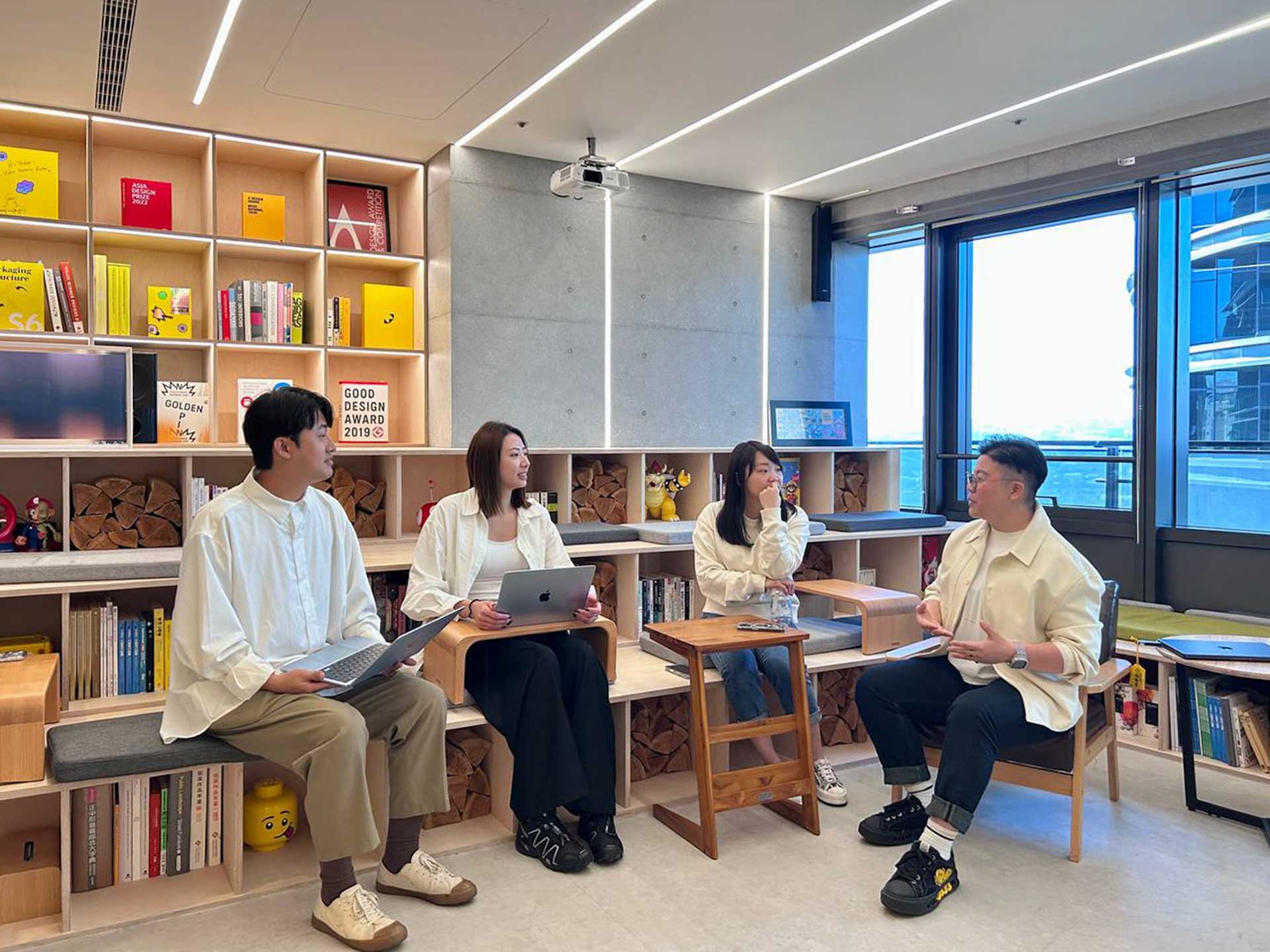
As a Scrum Master and one of the first brand leaders in the design field to earn international CSM certification, how do agile and Scrum methodologies translate into real branding projects? What fundamental differences do you see compared with traditional design processes?
For me, Scrum is not merely a working framework. It is a philosophy of inner stability. Many people assume that agility is about speed. My realization is different. Agility exists so that even in a constantly changing world one can remain composed and maintain control over rhythm. Bringing Scrum into brand design is essentially a translation from pure creative inspiration into strategic collaboration.
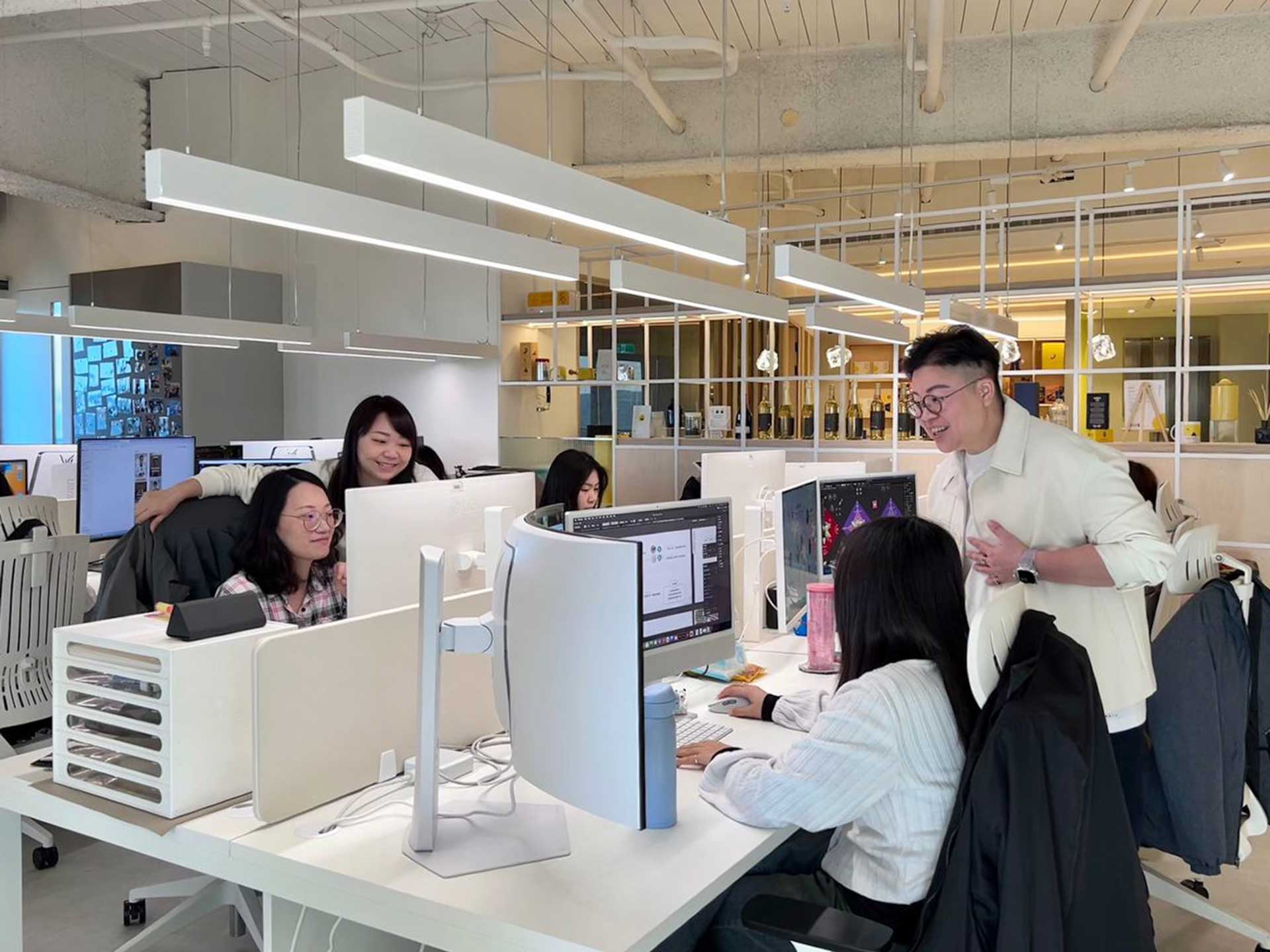
First, it shifts design from individual inspiration to collective creation. Traditional design processes often resemble a “black box,” waiting for a moment of genius to appear. Such an approach inevitably carries uncertainty. Within the philosophy of Existence, I use Scrum to transform design into a process of intentional division and clarity. Large and ambiguous brand visions are broken down into short and focused goals called Sprints. Much like Japanese craftsmanship, where every cut is made with intention, each stage of the process aims for precision and awareness. This cake slicing approach allows us to resonate quickly with clients while steadily creating value through iteration. It does not challenge the soul of a brand. Rather, it protects and clarifies its essence. Through teamwork, design is no longer a solitary struggle but a collective movement toward shared values.
Second, the fundamental difference lies in how change is perceived. Traditional processes often fear revisions and treat them as a denial of professional authority. Agile thinking, however, sees adjustment as a way of moving closer to the essence of the problem. Design is life, and life is a continuous process of evolution. I see agility as a tool for making the invisible visible. By respecting what is intangible, we uncover needs through frequent dialogue that clients themselves may not yet have language to express. Through short Sprints, those intentions are gradually translated into tangible and sensory experiences.
Finally, I have internalized agile thinking into what I call the Five Finger Philosophy within our team. The thumb represents recognition and appreciation. The index finger represents direction. The middle finger represents attitude. The ring finger represents responsibility. The little finger represents wisdom. Together these five principles sustain our resilience in highly volatile markets. Our goal is not short term performance. Instead, we are building a self driven learning organization that evolves continuously. When we begin a project, we are not simply completing a task. We are engaging in a form of practice. Through short term achievements we accumulate collective momentum, allowing each team member to discover deeper personal growth and meaning within the work itself. To me, the true goal of life is not merely reaching milestones but refining one’s thinking and capabilities through every achievement. This is a process of continuous development beyond design itself. When the mind becomes stable, responsiveness naturally becomes sharp and fluid. At that point we are no longer reacting to demands. We begin to actively create new possibilities for the market.
Existence emphasizes transparent project processes and high client involvement. How have these principles changed your relationships with clients and the long term effectiveness of the brands you help build?
When we talk about transparency and participation, I believe they ultimately represent a powerful shift in mindset. In many traditional collaborations, clients often feel as though they are standing by the roadside watching a car drive away, carrying a quiet sense of uncertainty and wondering where it might eventually stop. At Existence Design, we do not ask clients to observe from the sidelines. Instead, we open the car door, invite them into the passenger seat, and allow them to experience the journey from a first person perspective, feeling the movement, the changing scenery, and the rhythm of the process. This shift in collaboration transforms what was once a rational and task driven process into a shared and meaningful experience. Each step of the journey feels grounded while still allowing space for unexpected discovery.
And often, this transformation happens in the lightest and most joyful moments. Because the best design inspirations are rarely born inside rigid meeting rooms. They often emerge during relaxed conversations about life, through open sharing of founding stories, and through genuine curiosity about how clients live and think. When dialogue becomes more open, the everyday details people mention casually, their observations of life and their unguarded thoughts, often become the most important seeds of a brand. When we truly learn how to listen, we begin to see the soul behind the brand. For the long term growth of a brand, this becomes a kind of lifeline that illuminates its direction and sustains its development over time.
Through transparent processes and shared understanding, we resonate with the founder’s vision. Design then moves beyond simple problem solving and becomes a careful process of carrying and nurturing a dream. Clients are able to witness how an idea that once existed only in the heart is gradually translated step by step until it takes root in the soil of the market and becomes something that truly exists in the world. This journey of moving forward together and seeing the landscape together gives a brand lasting resilience. When design understands human emotion and respects life itself, a brand no longer exists merely as a price tagged option in the market. It begins to express a genuine and memorable presence, growing into a living form with warmth, depth, and a heartbeat.

You are also active as a design influencer through lectures, publications, advisory roles, and public discourse. In your view, how do these activities connect with and strengthen the credibility and depth of a design studio’s branding practice?
On the fluidity of roles, I often ask myself a simple question. If a person were to live with only one role, how narrow would that life become? Within the company I serve as a creative director. On stage I share experiences. In books I articulate perspectives. When working with enterprises I take on the role of a consultant. Yet to me these roles have never been separate. Human beings are naturally multidimensional. Only when we allow ourselves to experience life fully by stepping into different roles and sensing the world from multiple perspectives can life truly gain depth. The relationship between these life experiences and design practice is essentially a continuous exchange of nourishment.
When I step outside the studio to speak or engage in dialogue, I am not simply exporting expertise. I am shifting perspective, observing how others live, listening to their struggles, and understanding their realities. All of these experiences eventually flow back into design. This is what allows our work to move beyond cold creativity and become a form of empathetic understanding. Because I have lived through many roles, I am often able to hear what business owners leave unsaid and sense the unspoken needs that exist in the hearts of consumers. These experiences gradually become the foundation of my inner strength. I treat life as a field of exploration and existence as a journey to be experienced.
By fully inhabiting these different roles, I am able to guide brands toward their deeper essence. This is where the depth of our design practice comes from. It is a calm clarity that emerges naturally from observing the world and living attentively within it. In truth, many industries share similar foundations. Much like traveling through different places, each culture may speak its own language, yet the vitality of life remains universal. Because I have experienced the world with curiosity and attentiveness, I am able to shape brands with distinct personalities and genuine differentiation. This is also what makes Existence unique. We are not merely building brands. We are translating the soul through the fluid movement between roles. When we move naturally between these roles, every aspect of life such as food, clothing, shelter, mobility, education, and leisure can become a meaningful medium. Because we understand life itself, we help what once existed only in the heart emerge authentically in everyday moments, becoming a living and deeply felt presence.
Existence is known for its belief that “detail goes beyond the visual” and that planning is about suitability rather than excess creativity. How are these ideas applied in actual branding projects? Could you share a representative example that best reflects your approach?
From the moment a brand is born, it begins a journey from survival to living and ultimately to life. Most people approach design studios seeking outcomes such as refined visuals or impressive mockups. Yet beauty is inherently subjective. If we move beyond appearances, the real question becomes what brand design should truly accomplish. I like to return to the origin of words. The word design itself implies envisioning and planning. Long before visuals appear, the essence of design lies in intention, structure, and strategic thinking. This forms the true foundation of a brand. In practice, we do not begin by drawing. We begin by building structure. What we pursue is not excess creativity but appropriateness. When all visual elements are stripped away, what remains is the temperament and character of a brand, and protecting that inner character is our primary responsibility. That inner core must contain both substance and spirit.
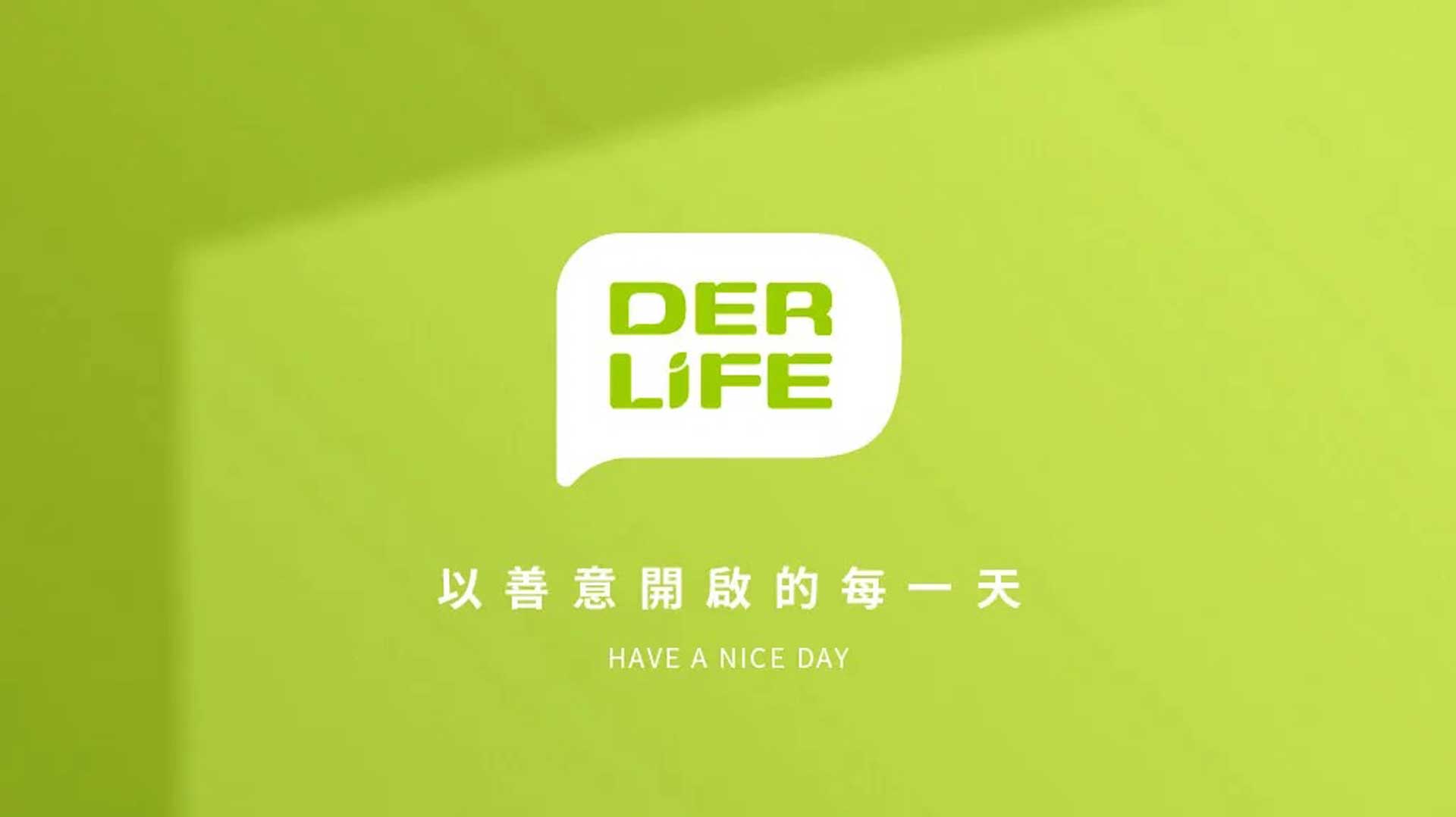
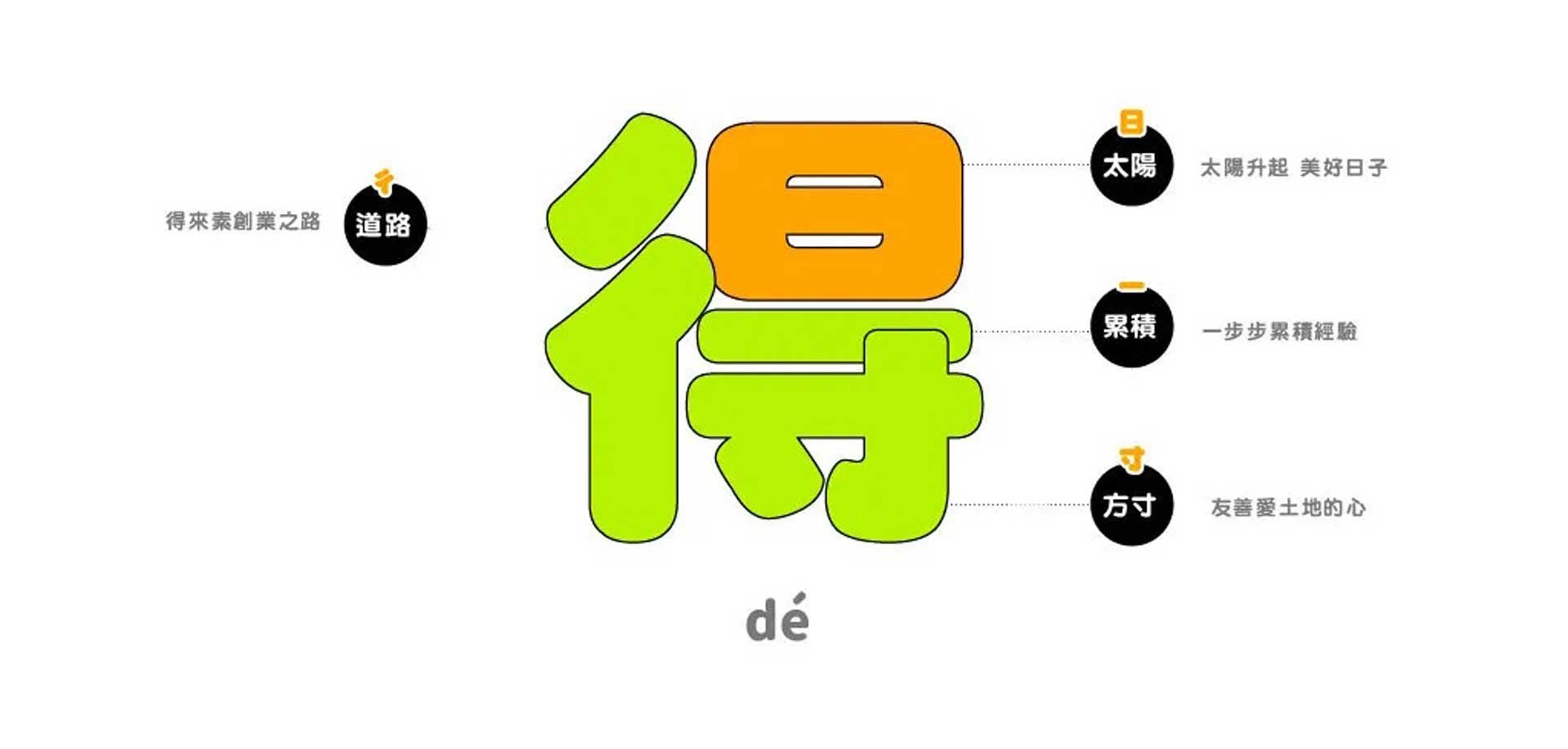
It must carry both soul and structure. This, to me, represents the true mastery of design. A representative example of this philosophy can be seen in the brand transformation of DerLife. With a sixteen year foundation, DerLife faced the challenge of transformation within a traditional industry. Our approach was not to overturn what already existed but to redefine and clarify it. We began by deconstructing the brand name itself and assigning meaning to each element. The word Derive implies gaining or obtaining, while Life represents everyday living. From this reinterpretation we extracted the core concepts of gain and daily life, which led to the English brand name DerLife and the brand slogan “Derive a Better Life.” Through this process an abstract philosophy was translated into a clear and structured brand system.
Next, we constructed a new brand worldview. Instead of focusing only on existing customers, we used brand taste and atmosphere to attract people who had never considered vegetarianism before. Strategy was translated into interactive brand experiences such as psychological quizzes and character based IP elements, allowing the brand to expand from a dining service into a broader lifestyle presence. This is what appropriate planning looks like. Even people who are not vegetarian can approach the brand through curiosity, warmth, and emotional resonance. I have always believed that clients must ultimately meet the market, but designers must first support the client in discovering their deeper value. By helping DerLife move away from price competition and toward emotional connection, design reached its true moment of impact. At that moment value replaces price, and resonance replaces persuasion. Understanding the stage a brand is currently in is essential. We must identify where it stands, clarify why it exists, and shape the value of that existence. To exist meaningfully within the market is precisely why Existence Design is named after existence itself.
Your immersive proposal methodology is particularly distinctive. What defines a truly effective proposal in branding, and what elements do you believe are essential to genuinely move a client’s perspective and decision-making?
I have always believed that clients must ultimately meet the market, yet our role is first to support the client in discovering that path. A truly effective proposal is never only about polished mockups, refined visuals, or carefully written copy. At Existence Design those elements are simply the starting point. Real differentiation comes from whether a proposal allows clients to glimpse the early form of a brand’s life. The power that shapes decisions and creates real impact usually emerges from three essential qualities. First is appropriate envisioning and planning. When we examine the word design, its essence lies in envisioning and planning. Many ineffective proposals emphasize creativity while losing sight of strategic fundamentals. A strong proposal should function almost like a psychological diagnosis, thinking further, broader, and deeper than the client has yet been able to articulate. In that moment we are not merely presenting visuals but revealing an entirely new worldview.
When clients recognize that the proposed structure allows a brand to exist with meaning rather than simply appear attractive, decisions begin to emerge naturally. Second is the harmony between the individual and the collective. A brand design process resembles a symphony in which every element must align. What appears in the proposal is the result of careful internal alignment and reflection. When the designer’s personal ego softens and merges with the brand’s larger direction, the proposal no longer sounds like a display of technique but like a coherent composition. This harmony builds trust, and trust is what allows clients to place their brand in our hands. Third is the infectious energy that comes from a sense of play. What we think shapes what we create. If planning is approached with boredom or rigid rules, the proposal quickly becomes lifeless.
I prefer to approach strategy with the mindset of a skilled player who understands the framework yet continues to explore new possibilities within it. When curiosity and the desire to create meaningful experiences drive the proposal, that energy naturally spreads and generates creative momentum. Future consumption will increasingly be driven by emotion rather than logic, and this is where brand value truly emerges. When a proposal allows clients to feel that brands are inseparable from people, people from life, and life from emotional experience, we are no longer merely presenting an idea. We are shaping a value system that supports long term loyalty. This emotional resonance is the real force that influences decisions and allows a brand to move beyond simple survival toward a meaningful life of its own.
Through your corporate advisory division, psychological insight and organizational awareness are integrated into brand strategy. What do you see as the most fundamental difference between this approach and conventional branding methodologies?
Traditional brand methodologies tend to operate from the outside inward. They study market trends, analyze competitors, and apply established formulas. What they often produce is a refined exterior, while the deeper essence that should sustain it is frequently overlooked. For me, the most fundamental difference lies here. Our approach cultivates brands from the inside outward. I often say that a brand is similar to a person. It carries one soul, yet it can express itself through many different forms. If a company focuses only on the material layers of survival and daily operation without clarifying the deeper meaning of its existence, its brand positioning will eventually remain trapped within price competition. This is why Existence Design integrates psychological insight and organizational awareness into brand strategy. We understand that every brand challenge ultimately reflects a human challenge.
A founder’s original intention often forms the genetic code of the brand itself. In our consulting process we use psychological insight to clarify the relationship between the individual self and the collective identity within an organization. When team members are able to release personal attachment and align with the broader rhythm of the brand, strategies no longer resemble rigid procedures but instead become a coherent system with vitality and direction. The transformation of DerLife provides a clear example. If approached through traditional methods alone, we might have focused only on market share within the vegetarian industry. Through organizational awareness, however, we recognized something deeper, the founder’s commitment to practicing a vision of a better life.
What we ultimately support is not only the client’s business but the deeper intention behind it. What we think shapes what we create. When an organization gains inner clarity by understanding where it stands and why it exists, the temperament and character expressed by the brand become naturally authentic. This inside out brand modeling does not manufacture creativity artificially. Instead it allows brand expression to emerge as the natural result of an organization’s life journey. In essence, traditional methodologies focus on producing beautiful design. Our approach focuses on cultivating meaningful existence. When a brand possesses both soul and substance, both spirit and structure, it is able to stand with clarity and resilience within the market. That is the essential distinction between our approach and conventional branding methodologies.
You have continuously connected design, business, and inner human experience in your work. Looking ahead, what areas are you most interested in exploring next through design, and what kind of questions or values would you like to leave for the next generation of designers and brand leaders?
Looking ahead, what truly interests me is not the evolution of technology but the evolution of the soul. Through design, I hope to explore transformations in thinking, the cultivation of wisdom, and the expression of meaning in human life. To me, life should not be an act of endurance. It should be understood as a vast journey and a meaningful game. Each of us is a player within that game. Only when we recognize ourselves as players can we navigate existing rules and experience life at different depths and dimensions. What I most hope to leave for the next generation of designers and brand leaders is an awareness of what I call the thinking ceiling. No one can create beyond the limits of their own thinking ceiling. Thinking ultimately defines the highest potential of both brands and lives. In design projects I often encourage teams to open more layers of perception, to move beyond surface refinement and examine the underlying structures and logic that shape a brand.
In an age of overwhelming visual stimulation, if we only focus on appearances, that is not design. It becomes mere decoration. Even more importantly, in this era of extreme speed and expanding artificial intelligence, I hope people will learn to protect what cannot be replaced. Artificial intelligence cannot perceive the subtle shifts in atmosphere, cannot recognize the damp fragrance of a rainy day, and cannot understand the quiet romance that poets feel beneath a cloudy sky. Emotional sensitivity, cultivated taste, and spiritual resonance are qualities of life that no algorithm can truly reproduce. The essence of design lies in capturing these subtle and often unreadable moments and translating them into the value of a brand’s existence. For this reason I encourage future designers to preserve their sense of play as participants in life.
Do not allow external rules to confine your thinking. Instead learn how to move through them and transcend them. When you elevate your dimension of wisdom and move beyond superficial creativity, you will be able to truly understand the soul of your clients and the deeper transformations that occur within your own life. Let us continue to approach life as a meaningful game, playing with elegance, curiosity, and a profound sense of purpose in our existence.












#14057, 905 49, Beolmal-ro 102beon-gil,
Dongan-gu, Anyang-si, Gyeonggi-do, Korea
Business Registration Number: 454-86-01044
Online Sales License No.: 2021-Anyang Dongan-1081
Copyright © DESIGNSORI Co., Ltd.