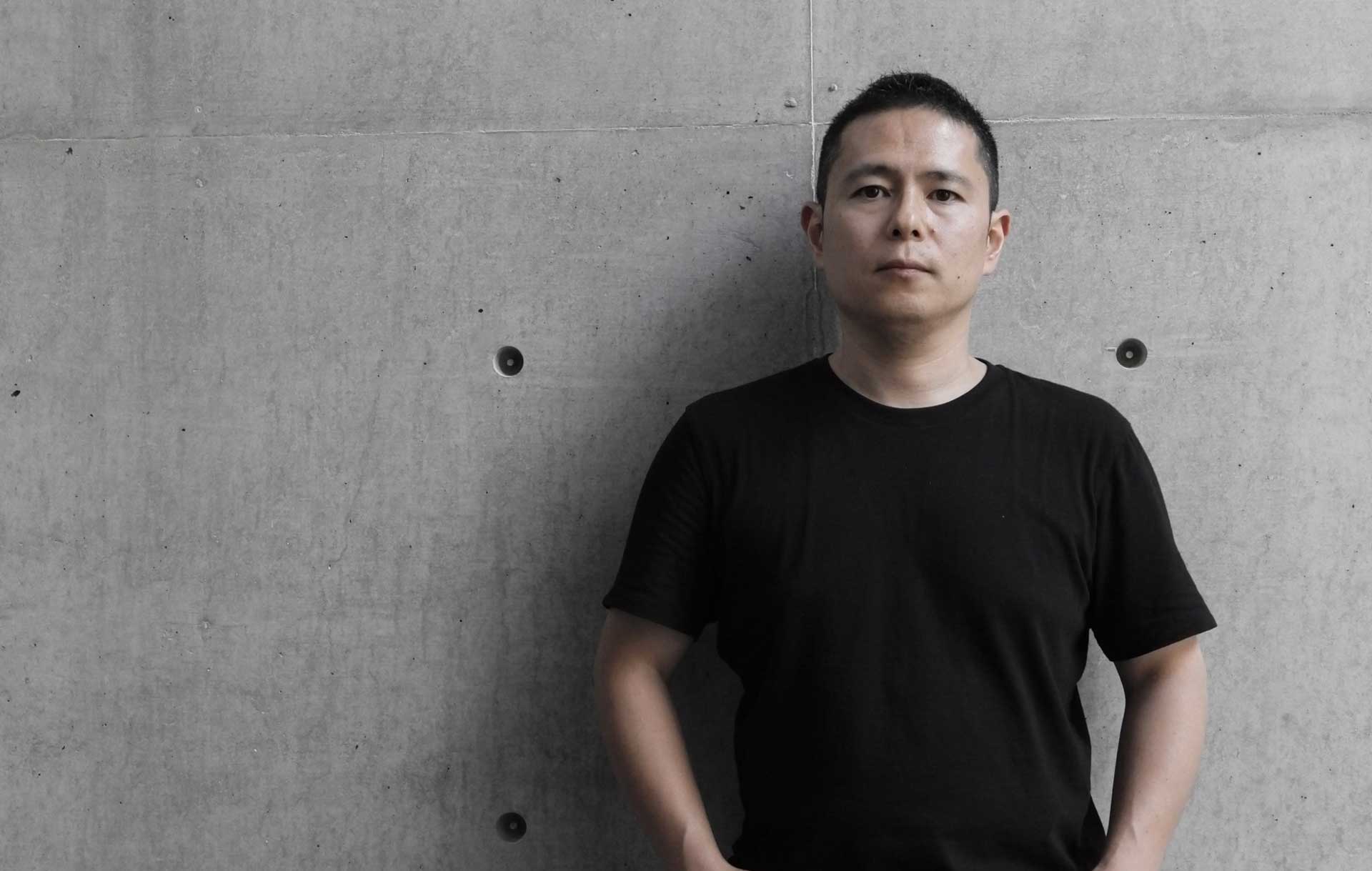
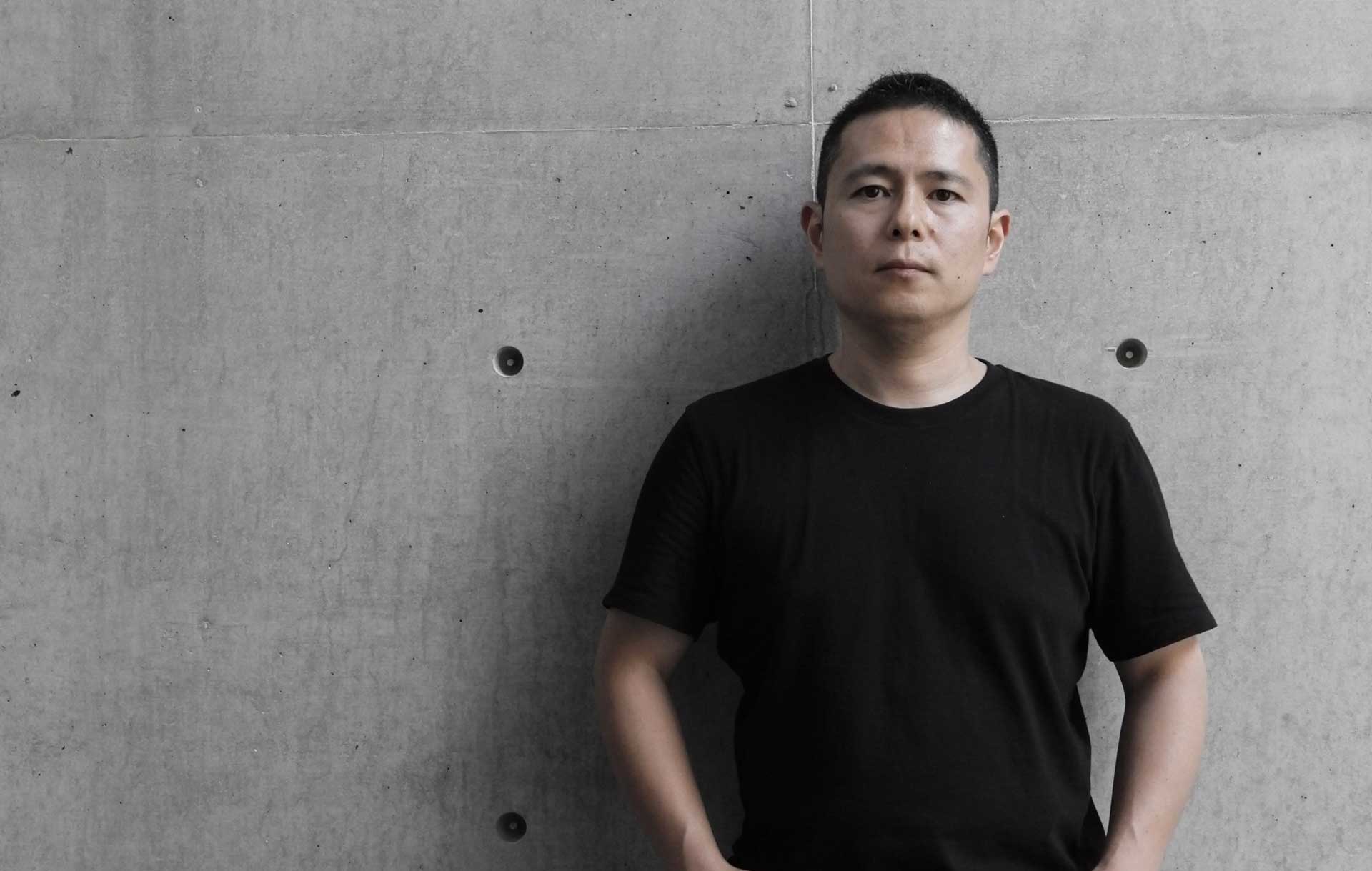
GO FUJITA Representative Director, GOSIZE Co., Ltd.
“Spatial design is no longer just about erecting buildings; it is an intricate process of weaving time, memory, and human senses into a cohesive environment. Go Fujita masterfully transforms existing structures into profound spatial experiences. With a strong focus on hotel and ryokan (traditional Japanese inn) projects, he approaches architecture not merely as a physical "vessel," but as a living "place" that deeply resonates with human sensibilities. From the architectural framework down to the finest details of interior styling, cuisine, scent, and sound, every element is orchestrated to create an unforgettable, holistic journey for the guests. In this interview, we delve into the core design philosophy behind these projects, the passion for sustainable renovation, and a vision for creating timeless spaces that seamlessly bridge local heritage with modern comfort.”
To begin, could you introduce yourself and GOSIZE? We would also appreciate it if you could share your journey as a designer, especially regarding your focus on architecture and hotel projects.
GOSIZE is an architectural design firm that I established when I was 25 years old. Originally, I pursued a path in architecture with the ambition of creating massive structures and becoming an internationally active architect. After graduating from university, I joined the office of Shin Takamatsu, where I was exposed to architectural philosophies centered largely around public buildings. However, as I accumulated more experience, I gradually began to see what I truly wanted to dedicate myself to. I realized my passion lay in architecture that deeply intertwines with people's time and memories, such as retail stores, private residences, and eventually, hotels and ryokans. My desire was not simply to design a physical building, but to design the entire stay as a unified worldview—encompassing everything from the interior, furniture, and accessories, to the materials, cuisine, tableware, scents, sounds, and even amenities. Particularly in hotel projects, I have always prioritized elevating not just the space itself, but the overall quality of time and experience spent within it. Approaching architecture not as a mere "vessel," but as a "place" that actively appeals to human sensibilities has been the absolute core of our journey.
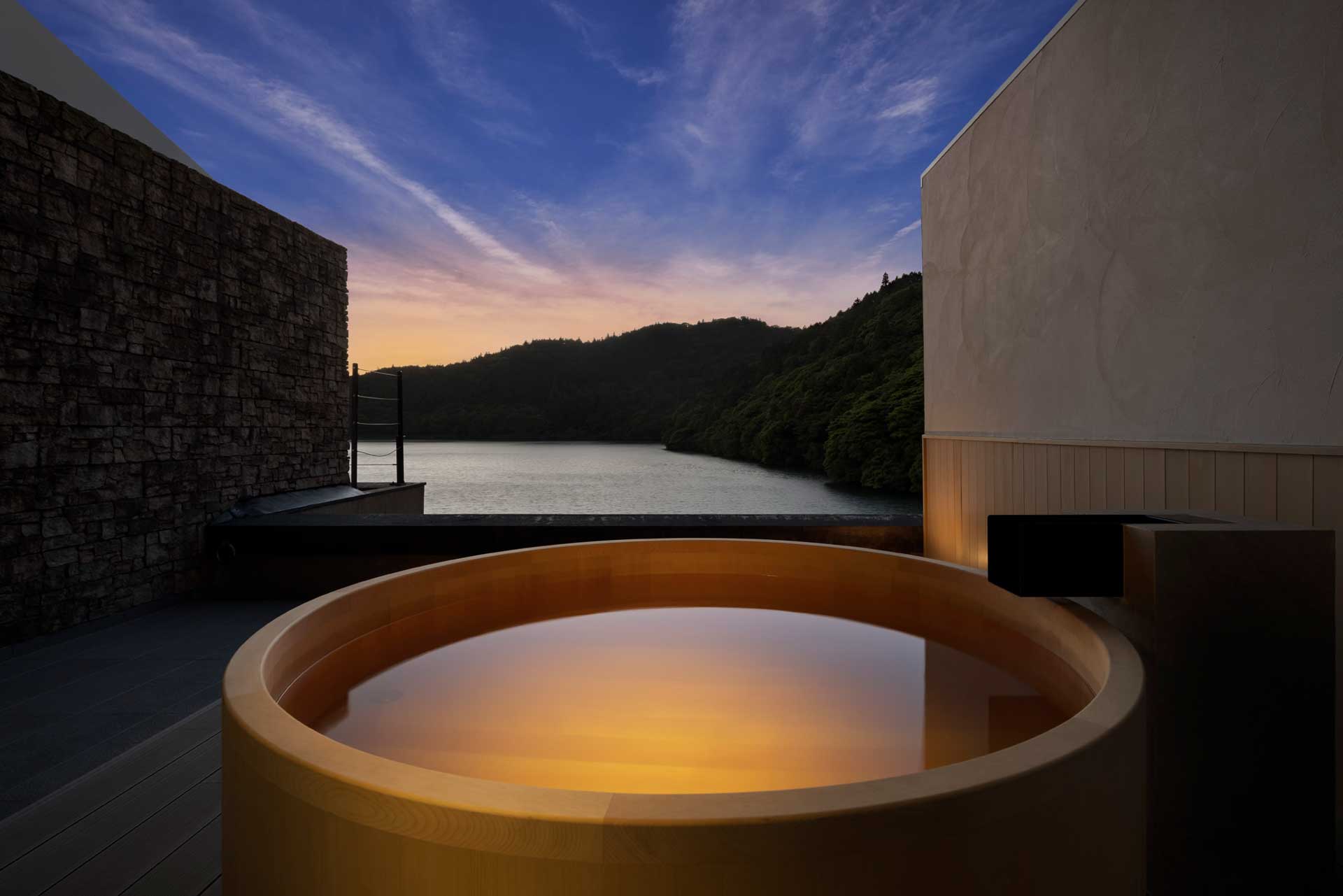
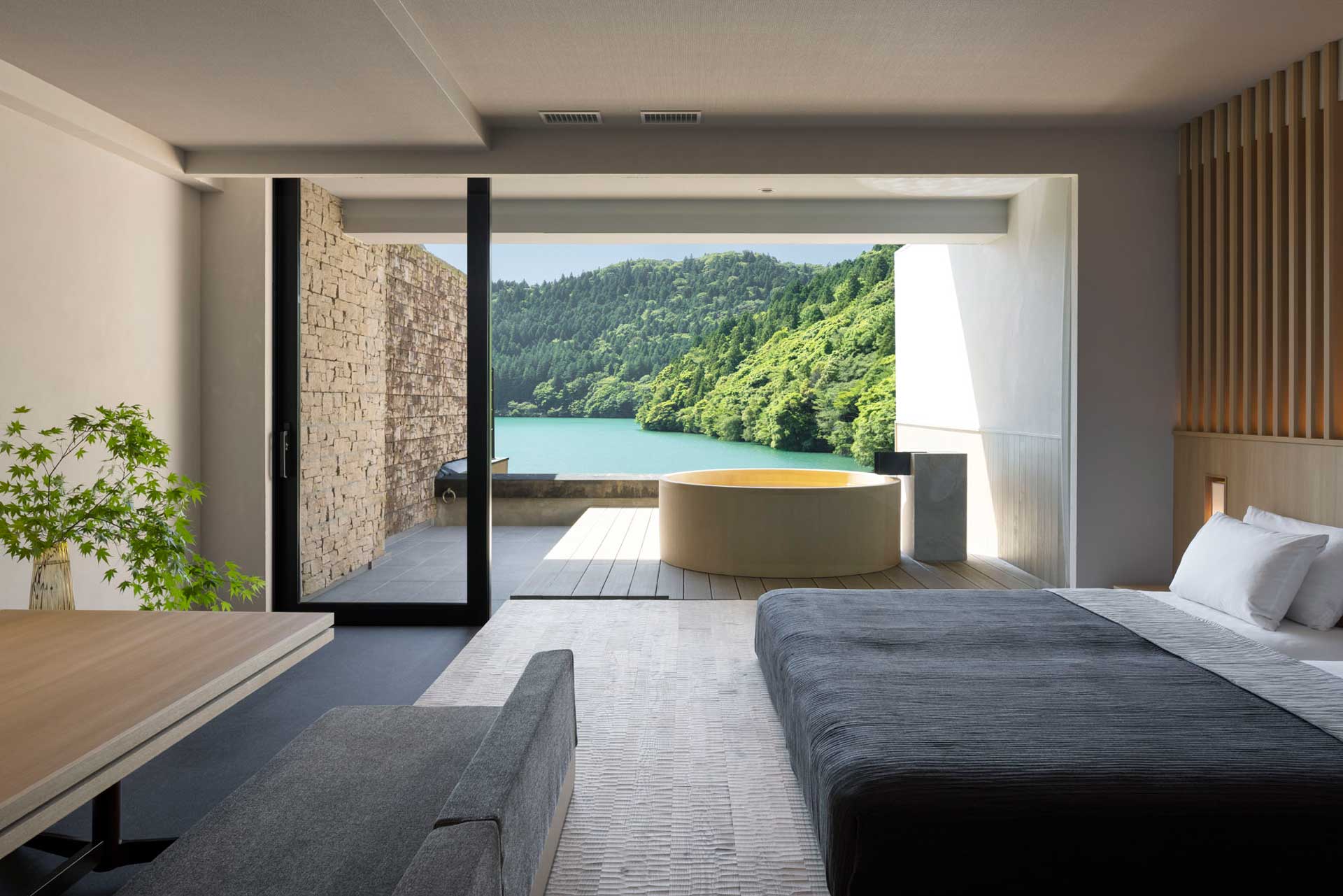
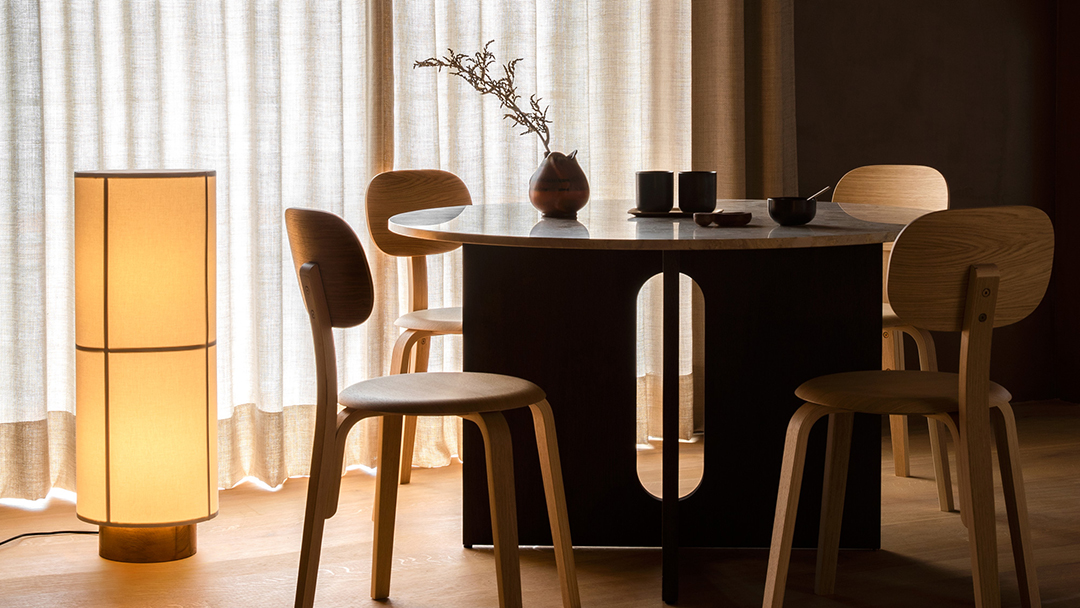
< Photo Courtesy of ©Nacasa & Partners lnc. >
What is the core design philosophy that guides GOSIZE today? Specifically, from the perspective of "designing experiences beyond space," what criteria do you prioritize in your work?
What we value most is designing the experience itself, extending far beyond the physical space. When people stay at a hotel or ryokan, what they remember is not solely the design of the guest room. It is the culmination of subtle, layered experiences: the atmosphere the moment they arrive, the view from the window, the way the light enters, the tactile feel of the materials, the dining experience, the nuanced distance kept by the staff, the scents, the sounds, and the comfort of the bedding. When all these elements align in a single direction, a powerful and immersive worldview is born within the space. The standard I hold dearest in my design process is carefully reading the nature, history, materials, and atmosphere unique to that specific location, and refining them into a sensory form without over-explaining them. We deliberately blur the boundaries between the natural environment and the architectural space, gently connecting the inside with the outside. By inviting the changing seasons, the wind, the light, and the ambient sounds into the living space, we ensure that the architecture transcends mere function and becomes an experience that lingers deeply in people's hearts.
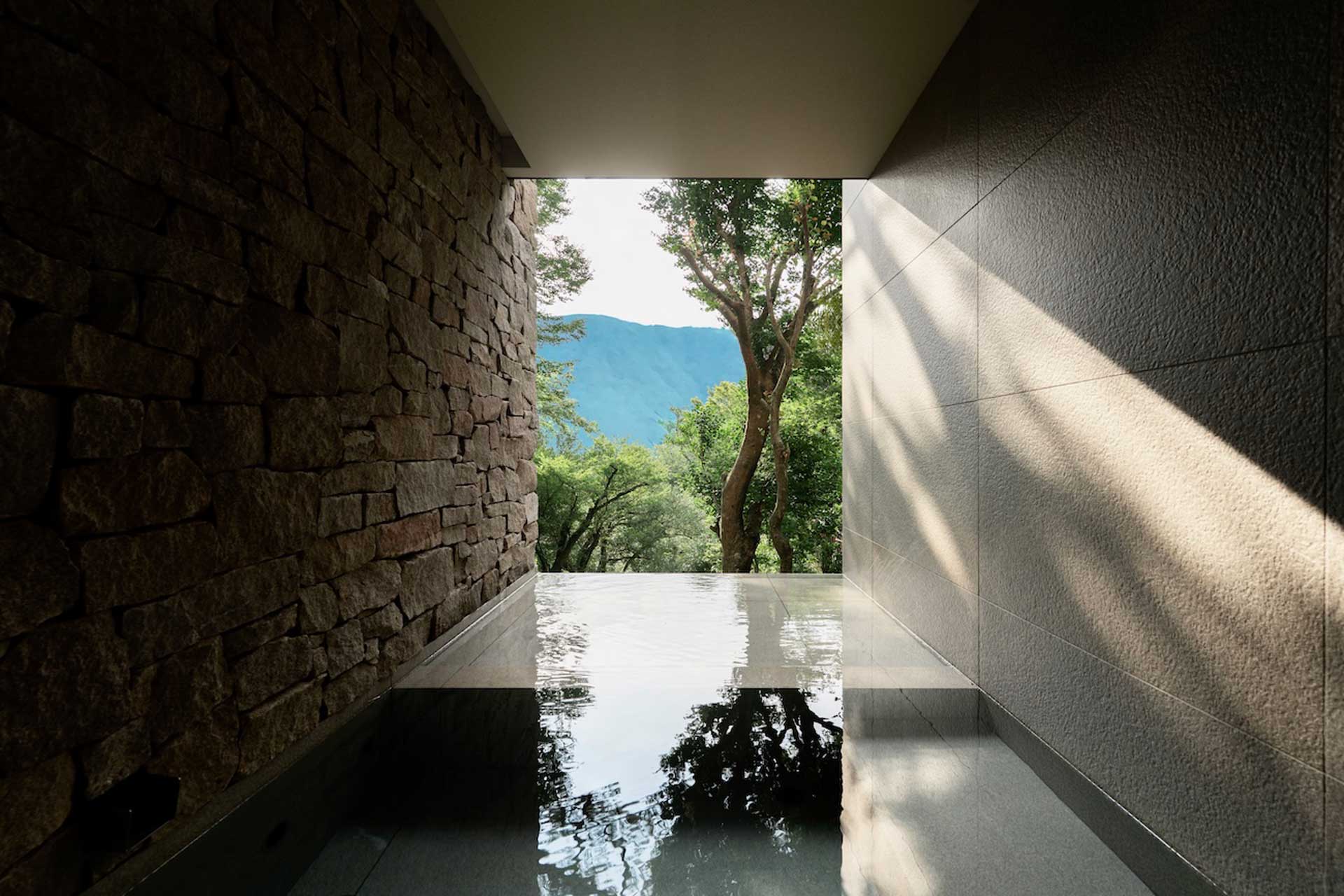
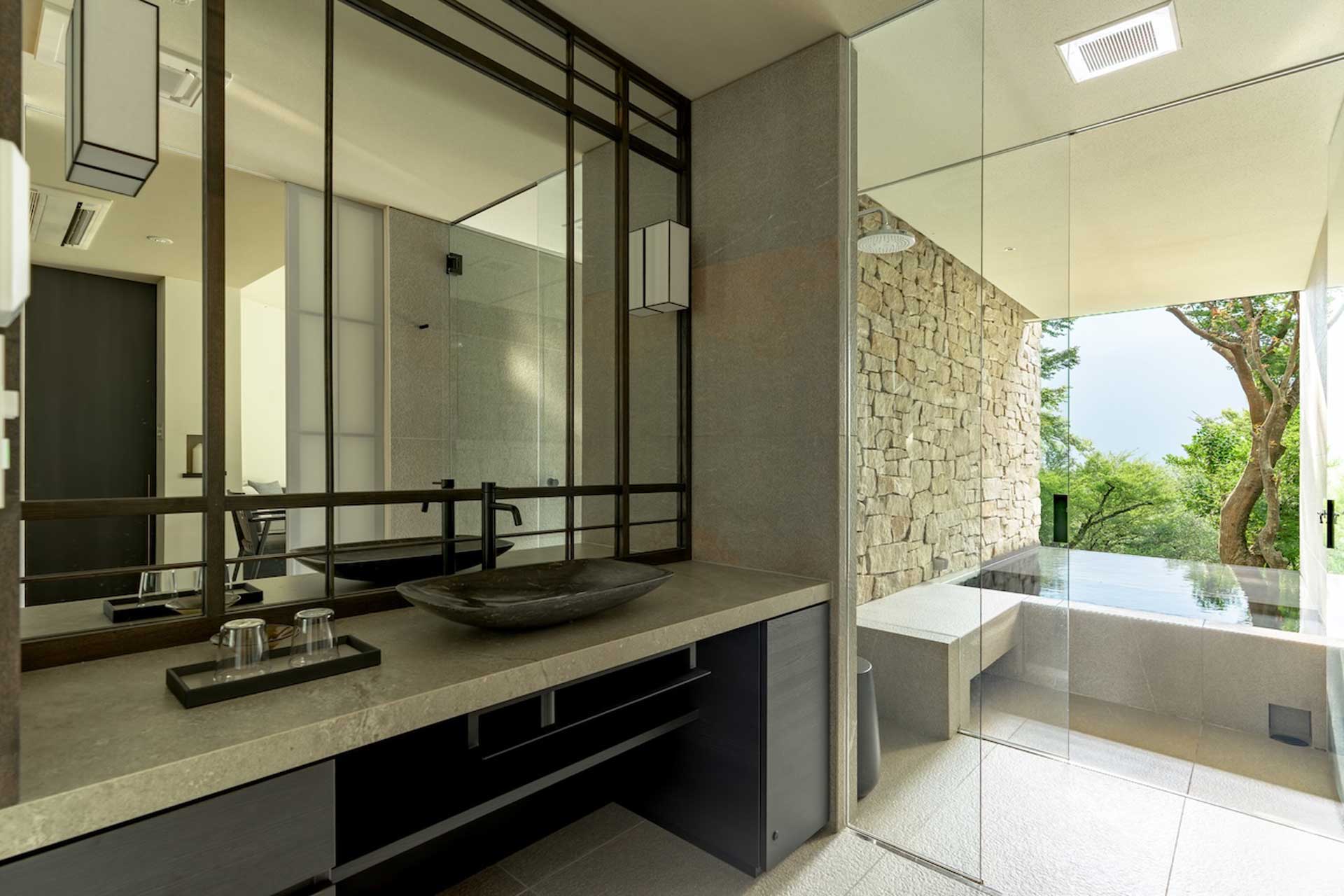
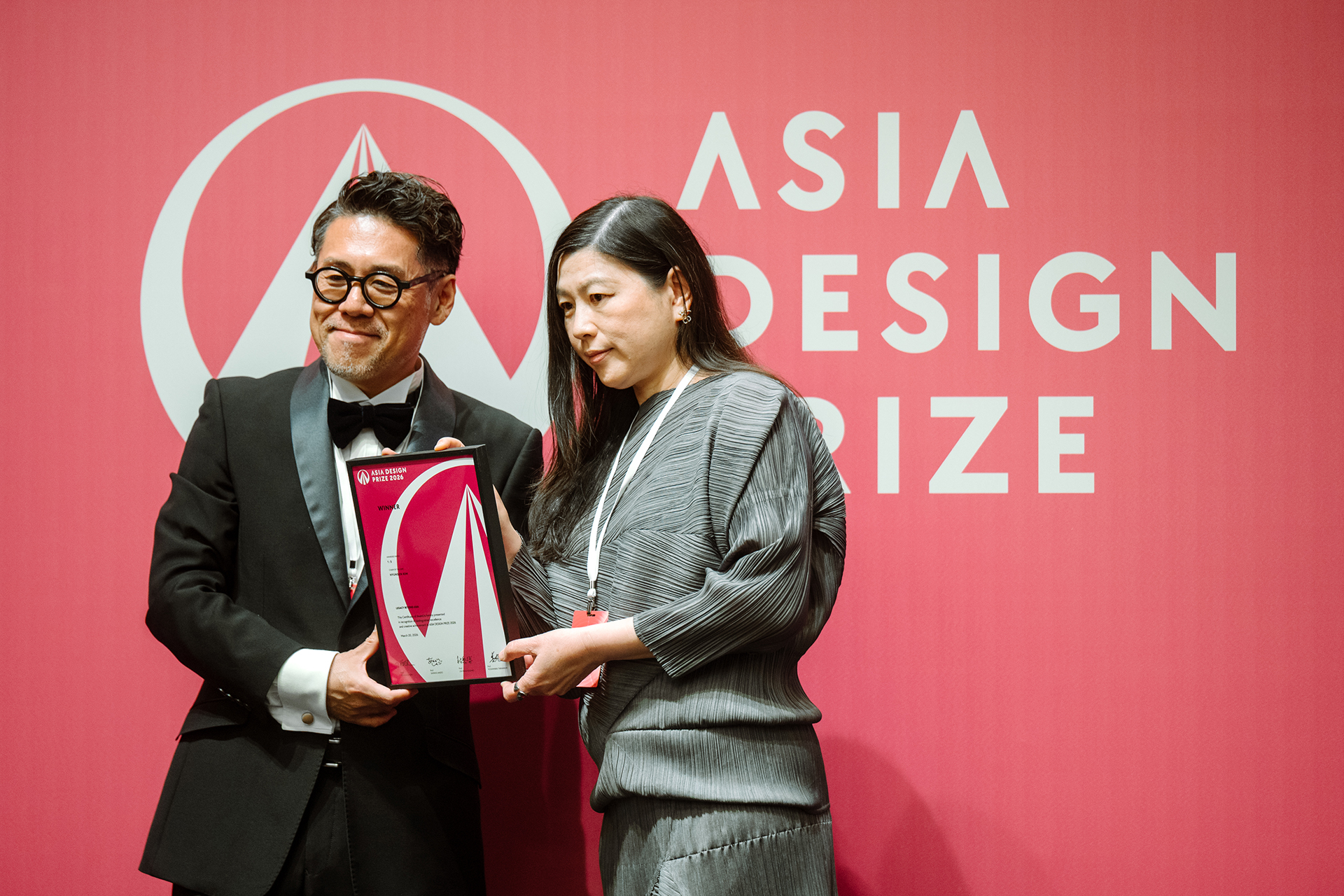
< FONTAINE BLEAU SENGOKUTEI, ASIA DESIGN PRIZE 2026 Gold winner, Photo Courtesy of ©RiLi >
What led you to focus on renovation rather than new construction projects? Could you also share your thoughts on the design and social significance of this approach?
While new construction certainly has its own unique appeal, in recent years, I have felt immense potential in renovations that breathe new life into existing architecture. Existing buildings possess a distinct texture and atmosphere that can only be born from the accumulation of time. The character of old wooden pillars, aged walls, worn floors, classic windows, their relationship with the garden, and the way they blend into the surrounding landscape are elements that simply cannot be easily replicated in a new build. The true charm of renovation lies not in erasing the memories and individuality of a building, but in reinterpreting them through a modern sensibility to revive them as a completely new value. Furthermore, utilizing existing architecture is incredibly important from a social perspective. Rather than tearing down a building that is still usable just to build something new, we inherit the existing resources and culture, carefully updating them into a form suitable for the next era. This approach not only significantly reduces environmental impact but also plays a vital role in protecting the deeply rooted memories and cherished landscapes of the local community.
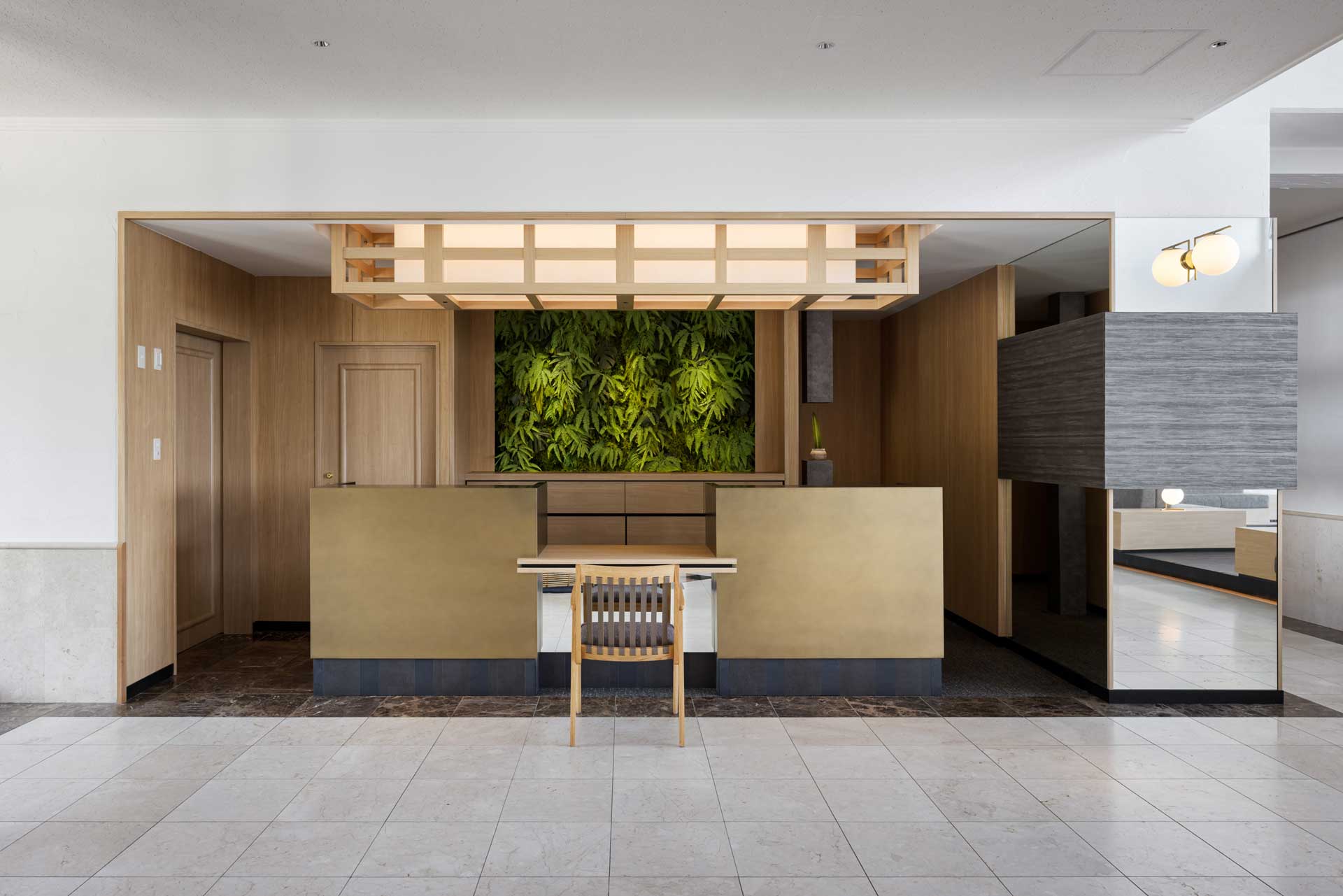
< Photo Courtesy of ©Nacasa & Partners lnc. >
How do you interpret the history and identity of existing buildings in your renovation projects? Please tell us about your approach from the perspective of "reinterpretation" rather than mere preservation.
In any renovation, our process always begins by taking a very close, respectful look at what the building already possesses. We meticulously observe the building's history, its structural materials, the views framed by the windows, how the light pours in, how the wind flows through, and the physical traces of time left behind by its previous inhabitants. By reading each of these elements, we carefully determine "what must be kept" and "what must be changed". However, merely preserving old elements exactly as they are is often insufficient to meet the demands of a modern accommodation experience. The key is not to trap the past in amber, but to extract the true essence of the building and reinterpret it to suit contemporary sensibilities and modern functionality. For instance, there are times when we boldly showcase old materials, while in other instances, we pair them with modern materials to highlight the beautiful layering of time. The most critical balance in renovation is respecting the atmosphere that has existed there for decades, while simultaneously refining it into a space where modern people can spend their time in absolute comfort.
How do you see spatial design contributing to sustainability and social value, especially considering the importance of renovation from an SDGs perspective?
I believe that spatial design plays a massively significant role for both the environment and society. Demolishing a building to construct a new one consumes a tremendous amount of resources and energy. On the other hand, renovations that utilize existing architecture actively extend the lifespan of the building, drastically reduce construction waste, and significantly lower the overall environmental burden. However, from an SDGs perspective, the importance goes far beyond simply "not destroying". Protecting the scenic beauty of a local region, inheriting and sustaining the traditional skills of craftsmen, utilizing indigenous materials and cultural practices, and ultimately generating a new, vibrant flow of people into the area—these are all profound social contributions that spatial design can achieve. Architecture remains in its location for a very long time. That is exactly why it is crucial to create spaces that retain their intrinsic value as time passes, rather than chasing fleeting, temporary trends.
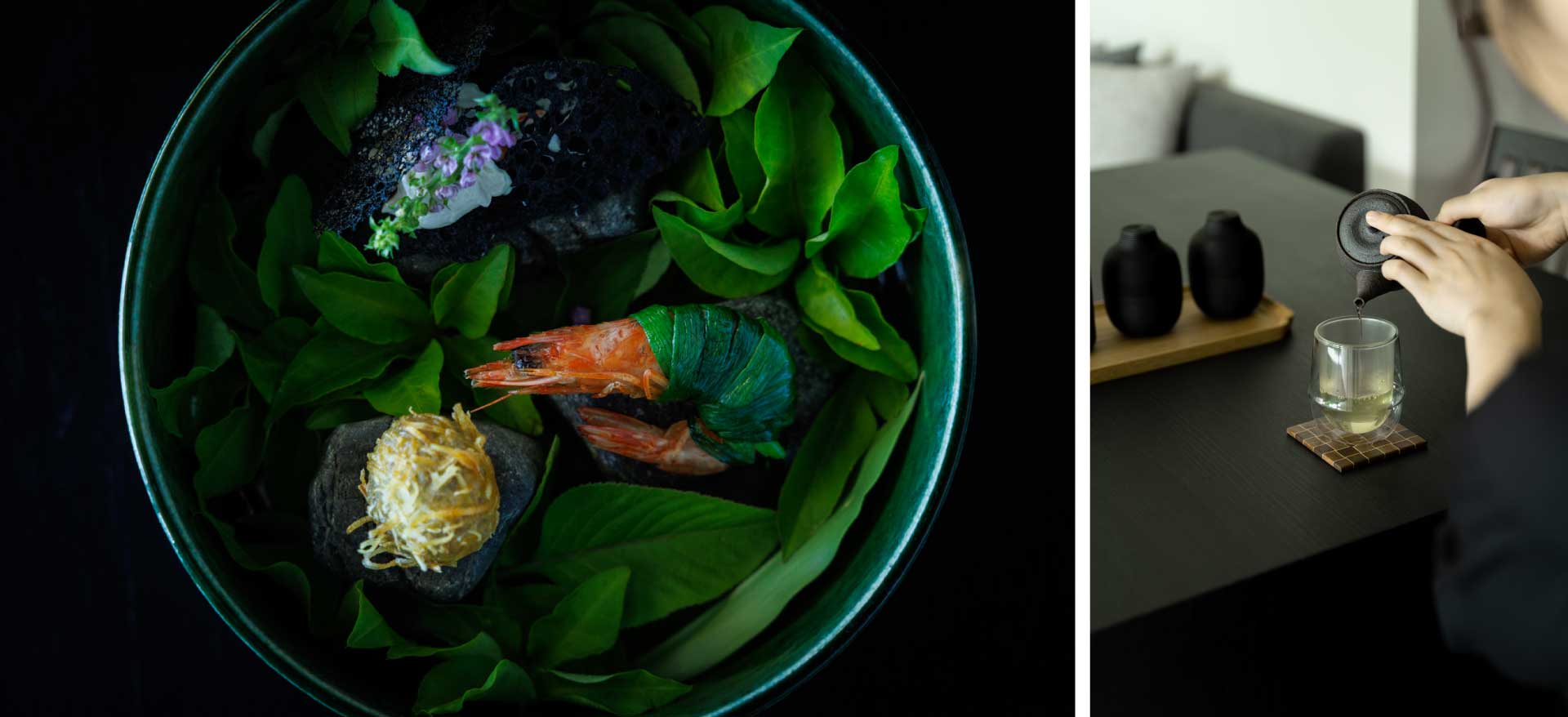
In hotel projects, how do you define and design the overall experience beyond space? How does your integrated approach, encompassing operations, cuisine, and amenities, create distinct value?
The true value of a hotel is never determined by its architecture alone. What a guest ultimately remembers is a complex accumulation of fine details: the atmosphere that greets them upon arrival, the nuanced interactions with the staff, the dining experience, the tactile sensation of the tableware, the comfort of the bedding, the ambient scents, the background sounds, and the quality of the amenities. When every single one of these elements points in the exact same conceptual direction, a remarkably strong worldview is established throughout the entire hotel. We believe it is paramount duly to design the space, cuisine, operations, and amenities not as separate entities, but as one cohesive stay experience. For example, even if the architecture successfully creates a deeply transient space, if the service or the provided fixtures clash with that philosophy, the overall experience is severely weakened.
Conversely, when even the smallest elements are curated under the same guiding thought, guests can physically absorb the true essence of the hotel without needing a single word of explanation. Particularly in small-scale hotels, the density of these details becomes a massive asset. By meticulously harmonizing elements like food, vessels, lighting, scent, linens, and amenities, a profoundly memorable stay is born. An integrated approach is an absolute necessity to transform a hotel from a mere accommodation facility into a meaningful place with a distinct philosophy.
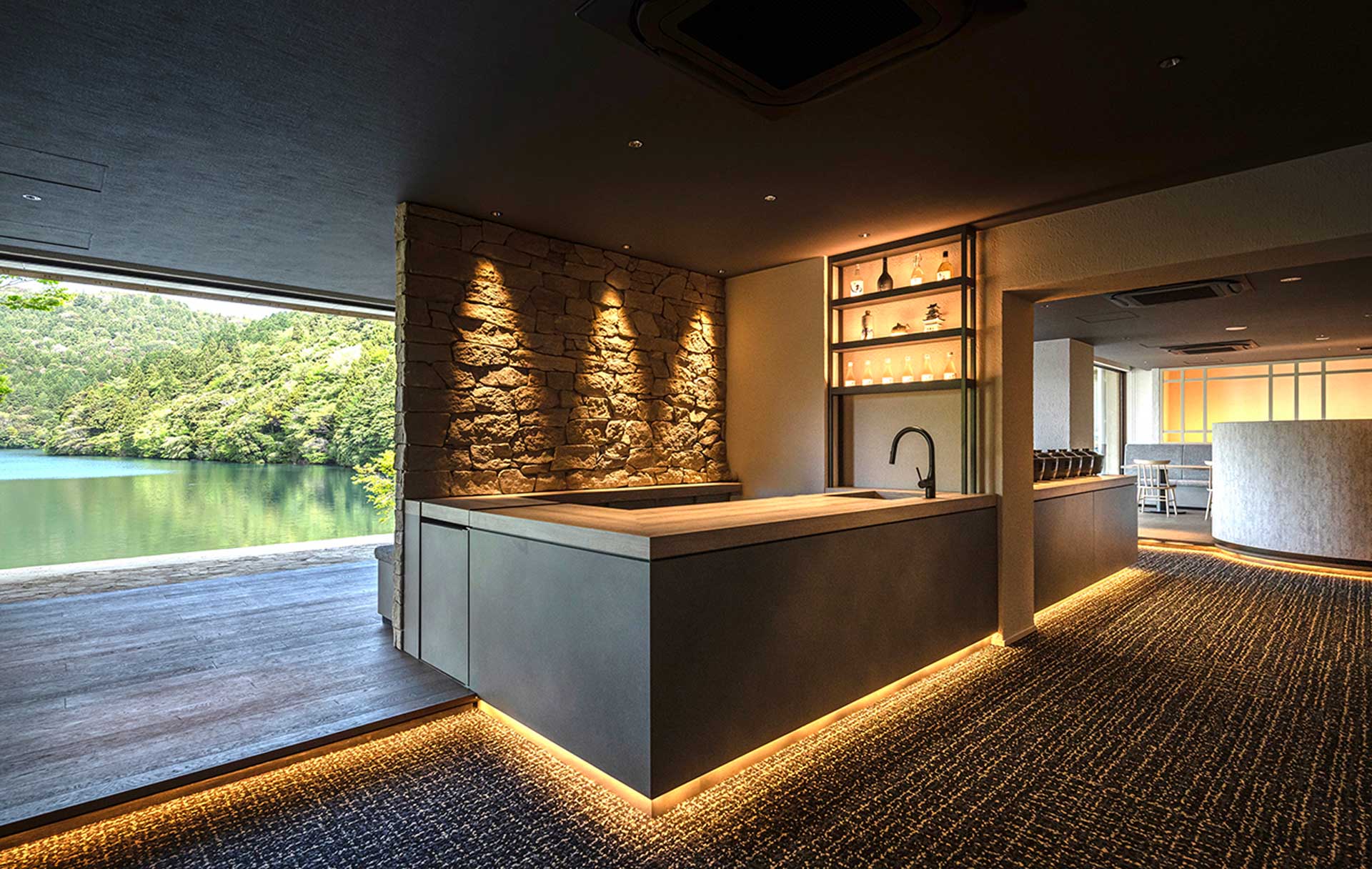
What role does spatial design play in shaping a hotel’s brand identity? Could you explain what hotel branding means to GOSIZE?
To us, hotel branding is defined as "designing the margin where the memory of the land and the sensibility of the guest encounter one another, rather than simply creating an architectural space". Spatial design serves the crucial role of intuitively communicating the very core of the brand. We carefully decipher the nature, history, religion, industry, and food culture unique to that land, and seamlessly integrate them into the space as a "quiet presence," avoiding overly explicit explanations. A hotel brand is never established by a logo or a catchy slogan alone. It is shaped by the atmosphere the moment a guest sets foot in the building, the play of light, the texture of the materials, the scenery framed by the windows, the tranquility of the soundscape, and the quiet dignity of the furniture and tableware. The accumulation of these individual experiences is what forms the true character of the hotel. That is precisely why we treat space not as a passive background, but as a vital medium that actively engages with the guest's memory. Embracing the presence of the land, embedding a narrative within the spatial margins, and creating an experience that quietly lingers in the memory long after the stay, that is our definition of authentic hotel branding.
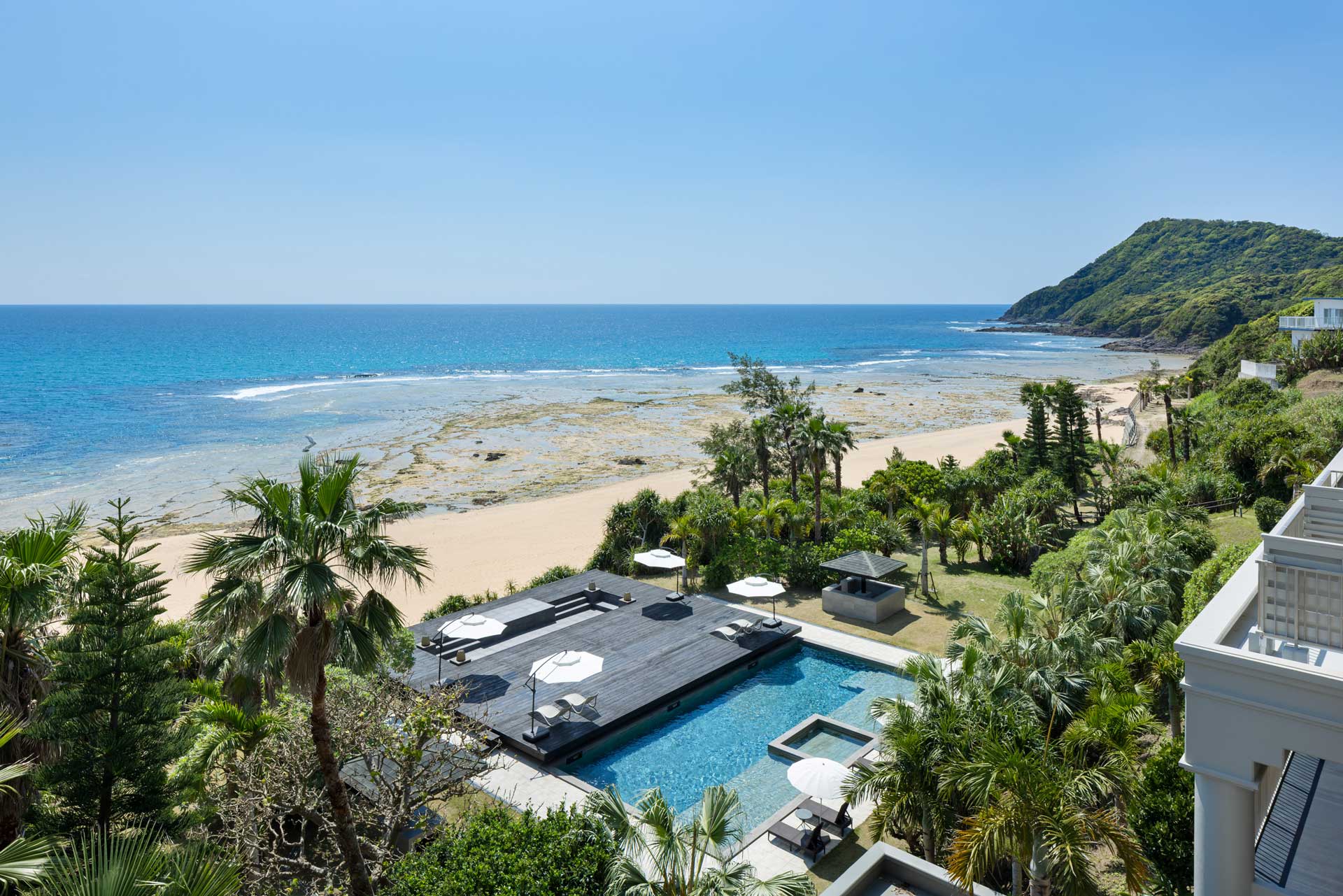
How does your design approach shift across different cultural and regional contexts, particularly as you manage projects across various regions in Asia?
When the region changes, the natural environment, the culture, and the sensory perceptions of the people change drastically. For this reason, we never apply the exact same design template to every project. The first and most important step is to physically place ourselves in that location and absorb the landscape and atmosphere through our own senses. We carefully read the intensity of the light, the flow of the wind, the humidity, the texture of local materials, the way people live, their food culture, their faith, and their history. Only after this deep observation do we reflect these elements in our design. In many Asian regions, there are aspects regarding the distance to nature, the sensitivity to materials, and the cultures of prayer and daily life that are quite similar to Japan. However, because the climate, the sense of color, and the ways spaces are utilized differ, a tailored expression suited to that specific land is required. We are highly conscious of not simply importing Japanese materials or methodologies as they are, but instead reconstructing them in a way that beautifully resonates with the local culture and environment.
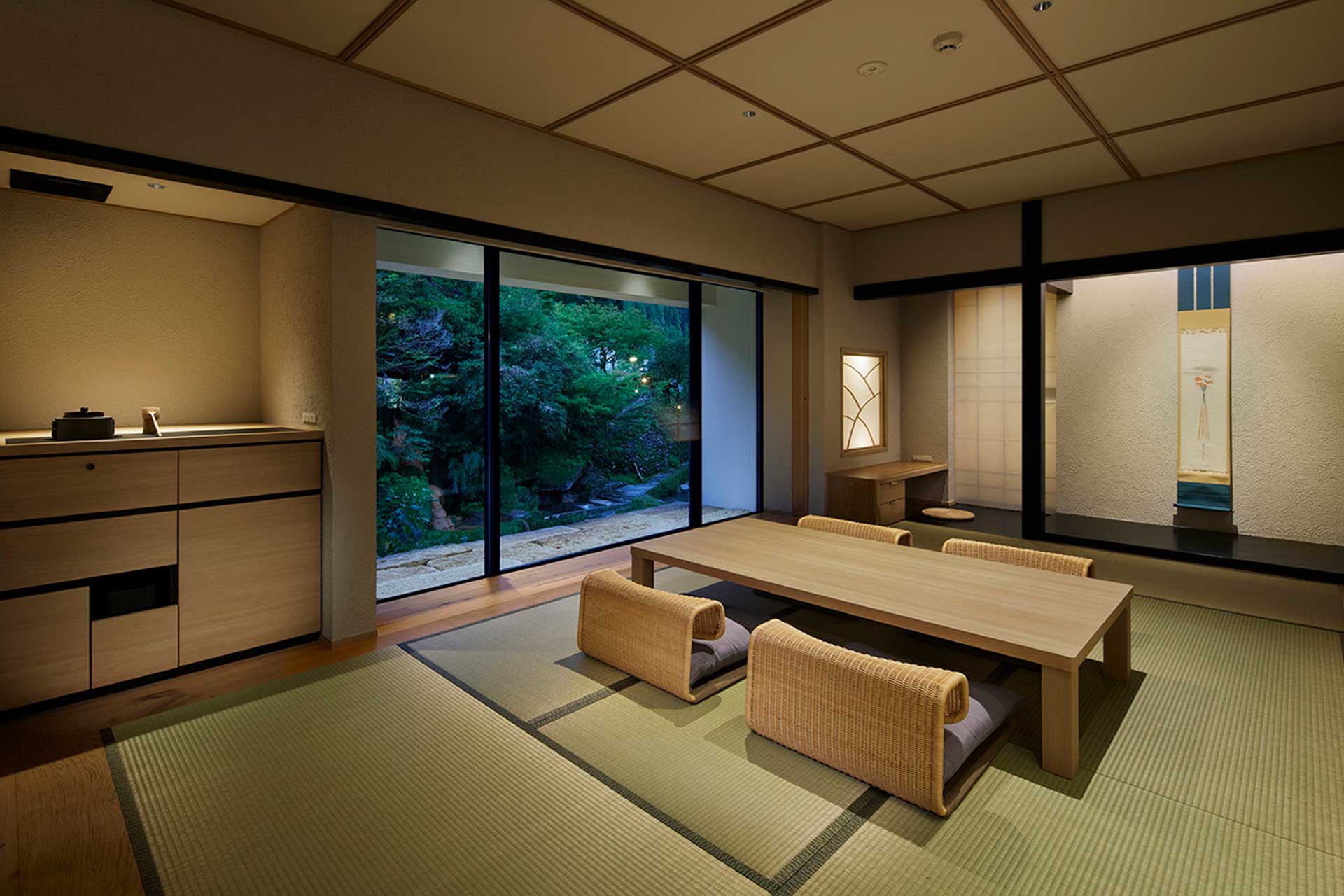
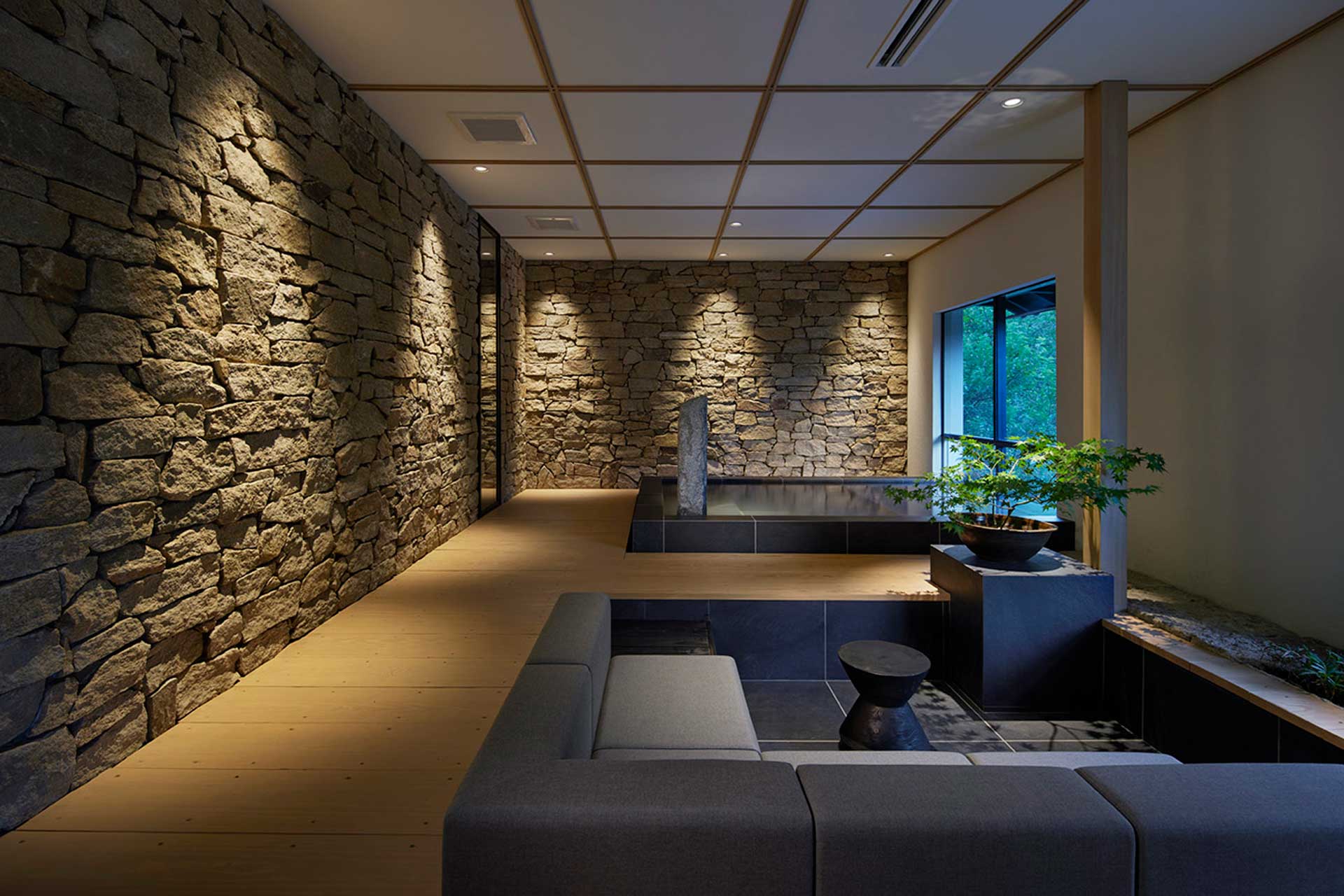
< Photo Courtesy of ©Nacasa & Partners lnc >
What current trends or shifts do you find most significant in global hotel and spatial design? Also, how do you see the trend of renovation evolving in the future?
In current hotel and spatial design, I strongly feel that there is a shift away from mere extravagance toward prioritizing unique experiences that can only be attained in that specific location. Instead of massive facilities and flashy designs, a growing number of people are finding true value in regionality, a deep connection with nature, quietness, spatial margins, and having the time to genuinely balance their mind and body. Particularly in the hospitality sector, there is a strong demand for memorable stay experiences where the act of staying itself becomes the primary purpose of the journey. I also believe that the trend toward renovation will only grow stronger in the future. When considering issues like population decline, the rising number of vacant houses, and abandoned ryokans and hotels, figuring out how to revitalize existing architecture has become a major societal theme. Moving forward, the importance of renovation will not just be about cleaning up and repairing old buildings; it will be about deeply deciphering the history and regionality of the structure to connect it to entirely new accommodation experiences and revitalized community value.
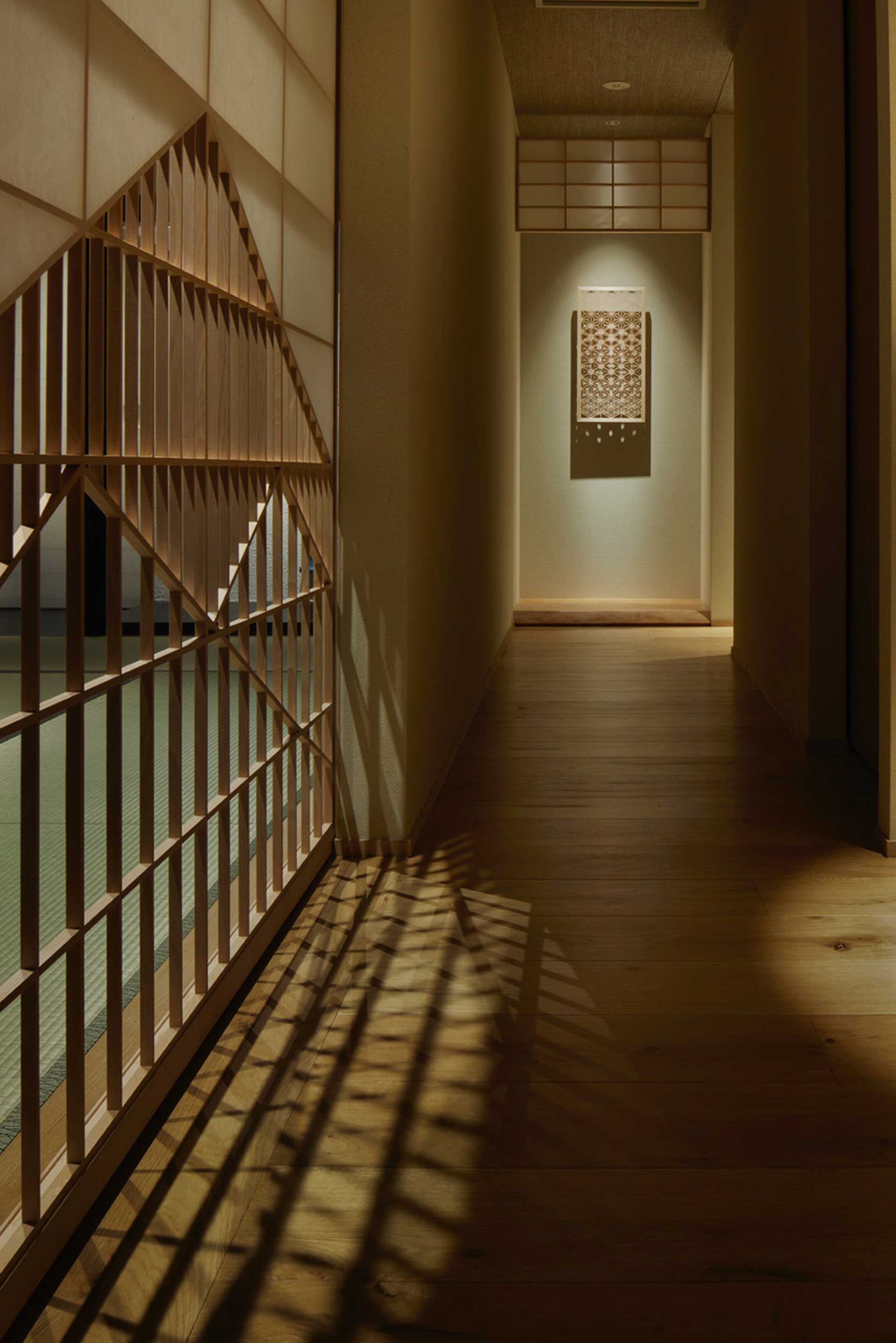
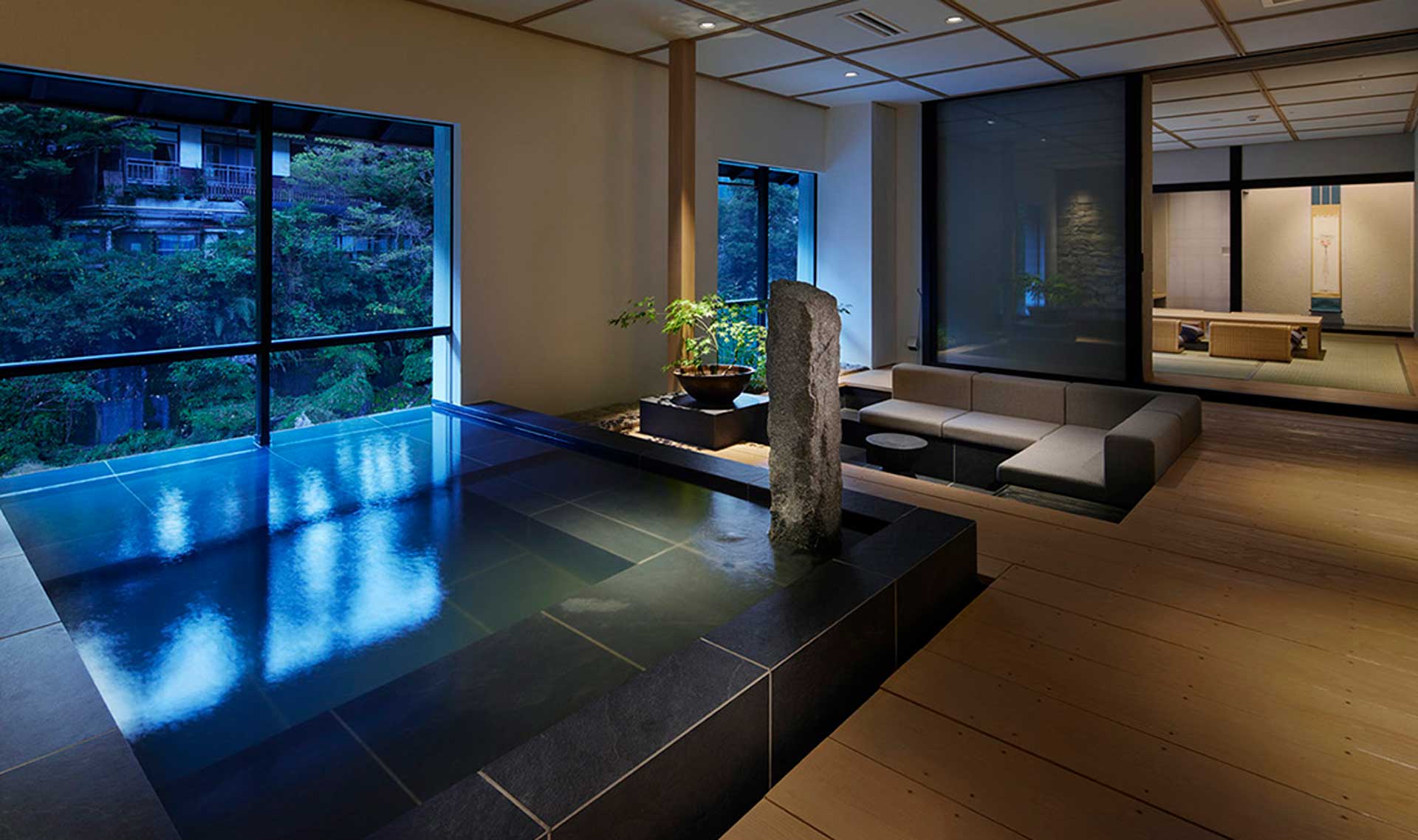
< Photo Courtesy of © Nacasa & Partners Inc.>
Finally, what direction does GOSIZE aim to pursue, and what design values do you hope to leave behind in the long term?
Our ultimate goal moving forward is to create timeless spaces that retain their value regardless of the passage of time. Rather than chasing passing trends or superficial expressions, we want to create spaces that are deeply rooted in their location and closely connected with nature, history, materials, and human activity. The regeneration of hotels and ryokans holds a very special meaning for me. The time, the materials, and the atmosphere that reside within these places are all one of a kind treasures. I find immense creative joy in carefully drawing out these elements and reviving them as fresh, compelling values that can be carried forward into the next era. We will continue to design architecture not merely as physical forms, but as profound experiences that linger in people’s hearts. Ultimately, the design value I hope to leave behind is the creation of spaces where visitors can quietly connect with the nature and culture of the land, and in doing so, rediscover and nurture their own sensibilities.
















#14057, 905 49, Beolmal-ro 102beon-gil,
Dongan-gu, Anyang-si, Gyeonggi-do, Korea
Business Registration Number: 454-86-01044
Online Sales License No.: 2021-Anyang Dongan-1081
Copyright © DESIGNSORI Co., Ltd.