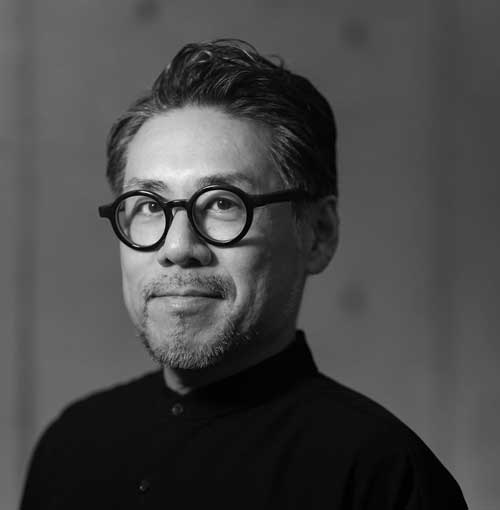
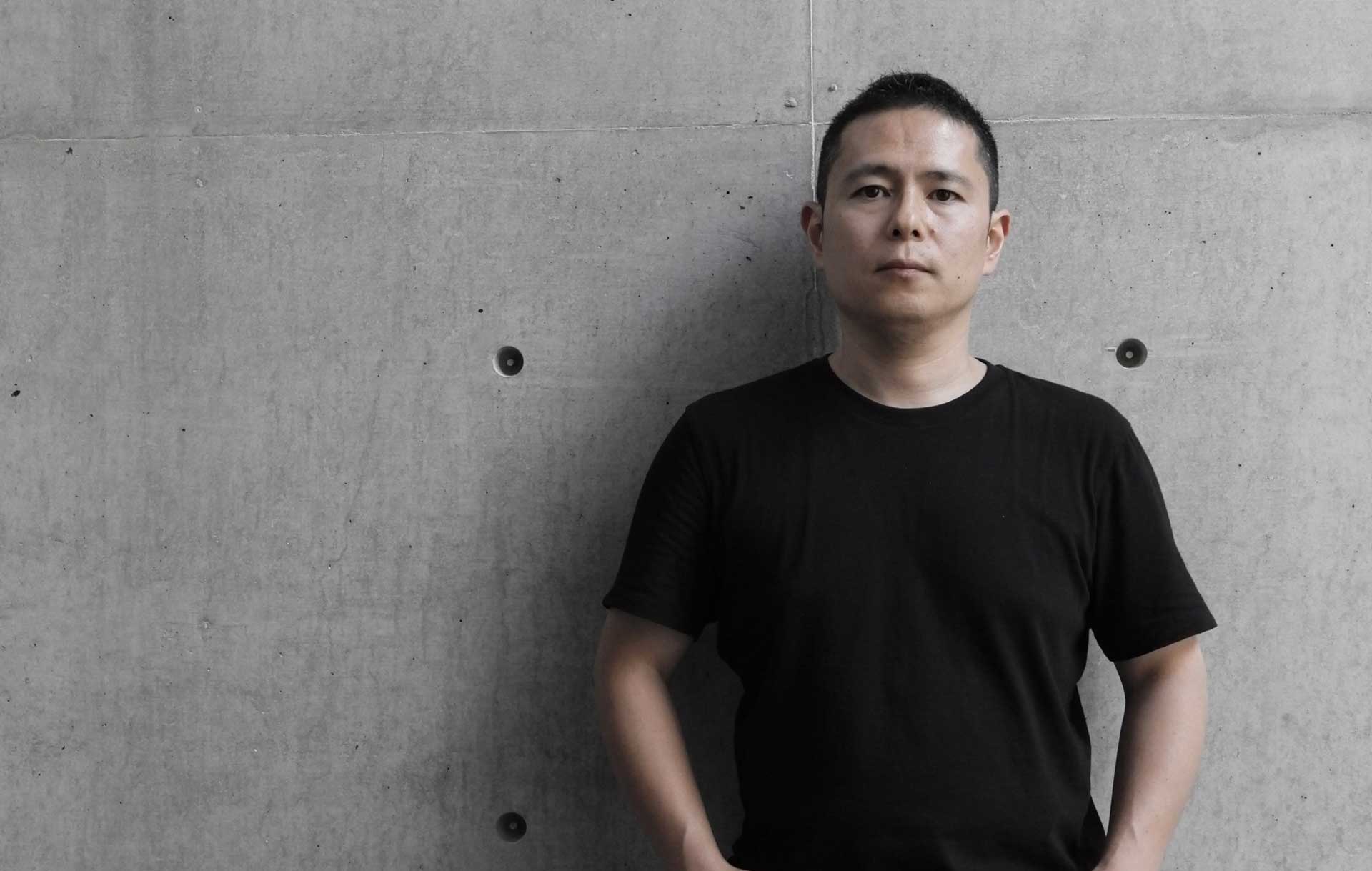
Tetsuya Matsumoto Chair of the Jury, Asia Design Prize
"Design must be evaluated not only on whether it is beautiful, but on how it functions within society and how it impacts people's lives and businesses. Tetsuya Matsumoto, the founder and Head Architect Designer at KTX archiLAB, is a visionary who has consistently pursued the integration of functional beauty and economic viability. Returning as the Chair of the Jury for the Asia Design Prize's 10th anniversary, he seeks to establish a new judging framework that translates Asian contexts into a universal language. From his beginnings as a site supervisor to becoming an internationally acclaimed designer with over 180 design awards, his multidisciplinary approach redefines the power of design. In this interview, we discuss the true essence of Asian design, the indispensable role of physical insight in the AI era, and his ambition to transform design into a force that drives the future of Asia."
First of all, congratulations on your appointment as the new Chair of the Jury for the Asia Design Prize. Could you share your thoughts on taking on this role, along with the personal responsibilities and expectations you feel?
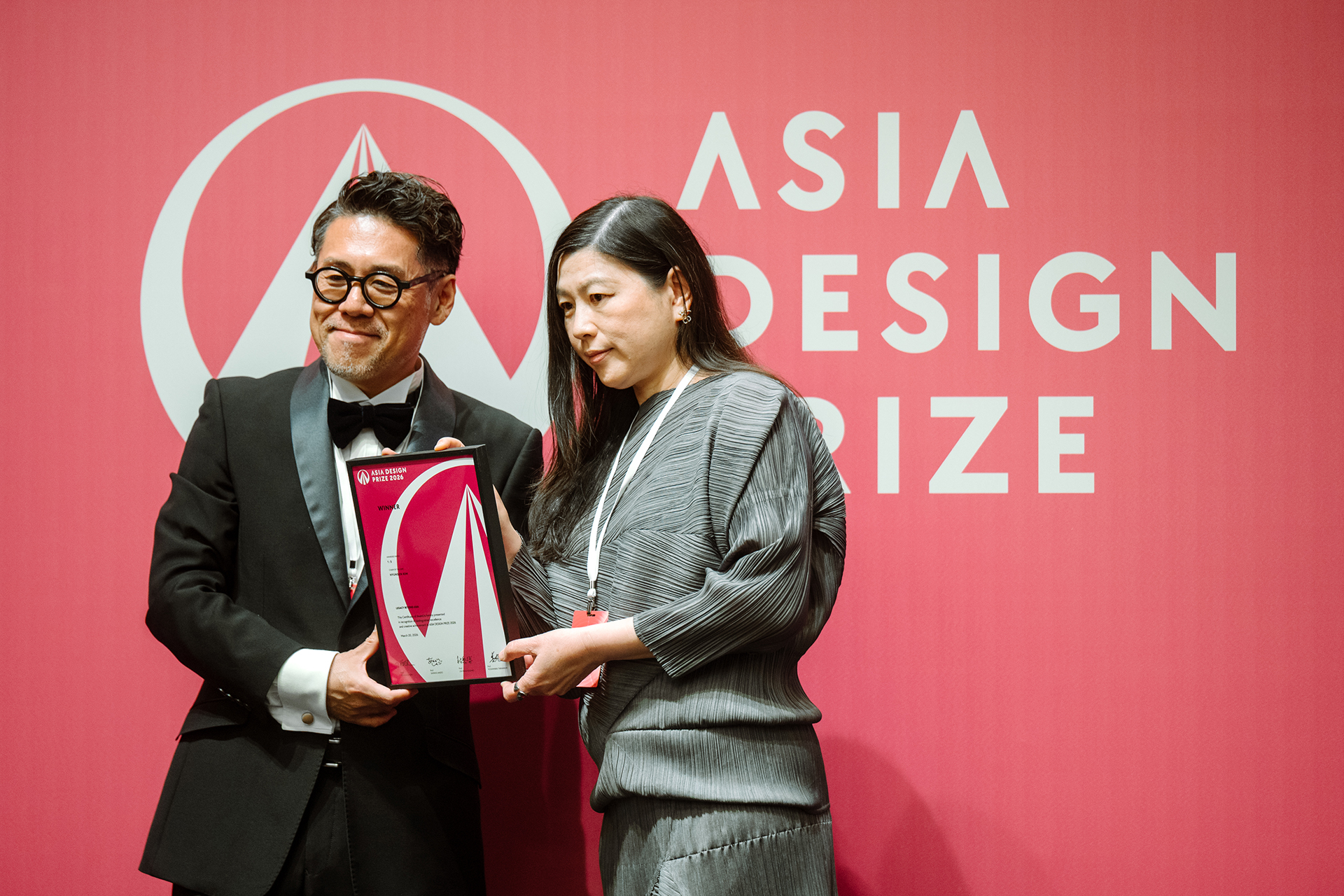
I served as the inaugural Chair of the Jury for ADP. Over the past ten years, ADP has continued to champion Asian design on the global stage under the philosophy of 'Legacy Beyond Asia.' To serve as Chair of the Jury once again on this milestone tenth anniversary is not merely a reappointment. I see it as my responsibility to channel a decade of shared growth with ADP into a vision for the next ten years. The landscape I see today is vastly different from what I saw as the first Chair. Back then, Asian design was just beginning to gain international recognition. Now, design originating from Asia is actively shaping global trends. As someone who has witnessed this transformation more closely than most, I am determined to establish new criteria for judging that are worthy of this next phase.
My career began as a site supervisor at a small interior construction firm in a regional Japanese city known for Himeji Castle, a UNESCO World Heritage Site. I learned everything from cost estimation to construction management while covered in dust and mud, and from there I entered the world of design. For someone with this background to chair an Asian design award means, I believe, that design must be evaluated not only on whether it is beautiful, but on how it functions within society, and how it impacts people's lives and businesses. ADP is not merely a venue for recognition; it is a platform that shapes the direction of Asian design. Having been entrusted with this helm once again, I aspire to create a judging framework that enables designers across Asia to engage in global dialogue while taking pride in their own cultural contexts.
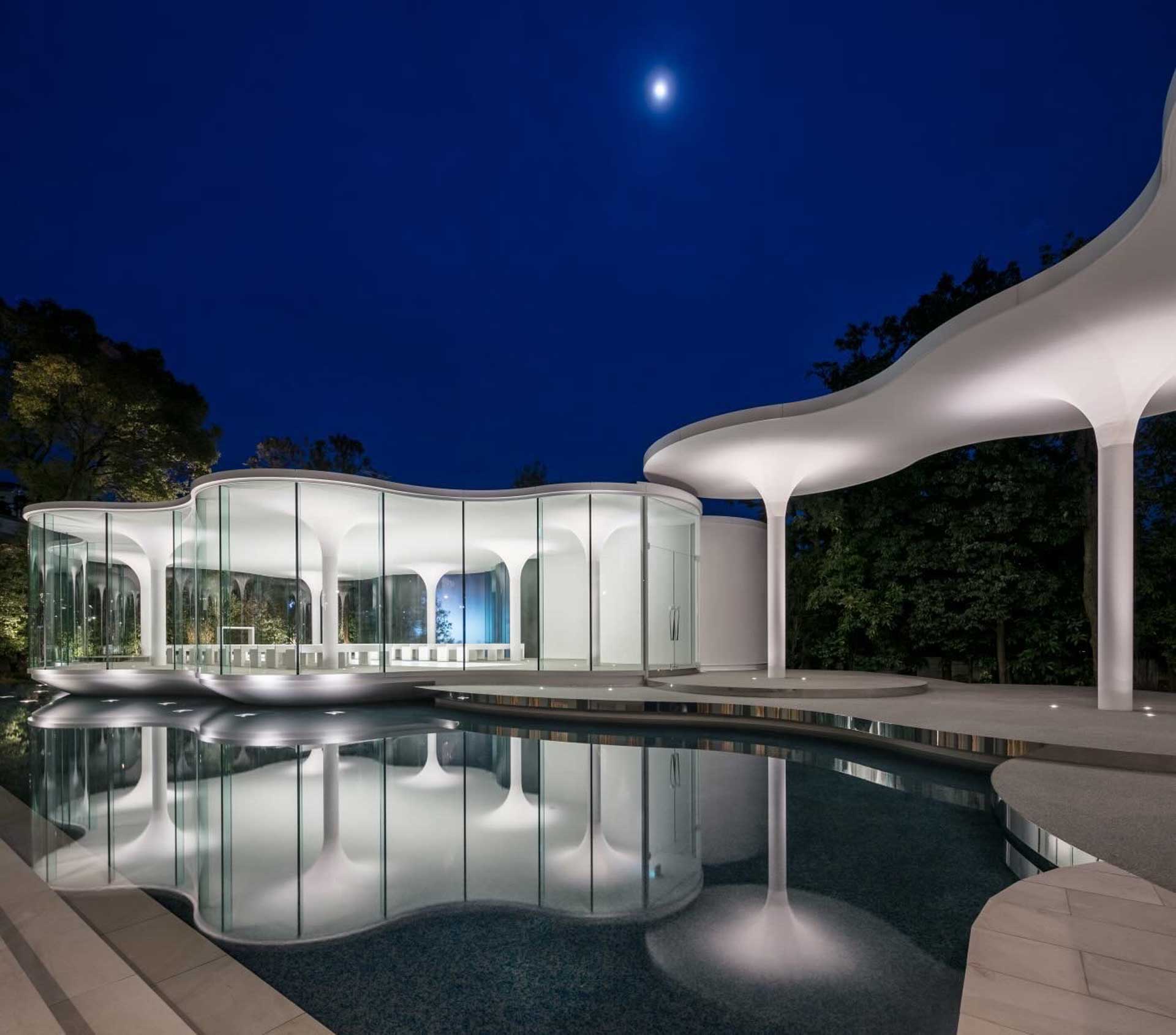
You have consistently worked across various disciplines, including architecture, spatial design, urban planning, and brand experience. How do you believe this multidisciplinary experience will influence the judging direction of the Asia Design Prize?
I have never confined my work to a single category called 'architecture.' The revenue structure of retail stores, patient flow in clinics, office productivity, and urban pedestrian circulation are all important. All of these converge on a single question: 'How does space influence human behavior?' This multidisciplinary experience, I believe, is a powerful asset in the judging process. Even when evaluating product design, I can bring the perspective of asking, 'What is the relationship between this product and the spatial or urban context in which it exists?' When assessing communication design, I can physically imagine how a given information architecture translates into actual experience. It is precisely because I have worked across boundaries that I can offer evaluation unconstrained by individual categories. Throughout my career, I have consistently pursued the integration of design and cost efficiency. Beauty alone does not drive a business. Does the designer have both an aesthetic answer and an economic answer to the question, 'Why must this design take this particular form?' The ability to discern this, I believe, is equally valuable in the judging process.
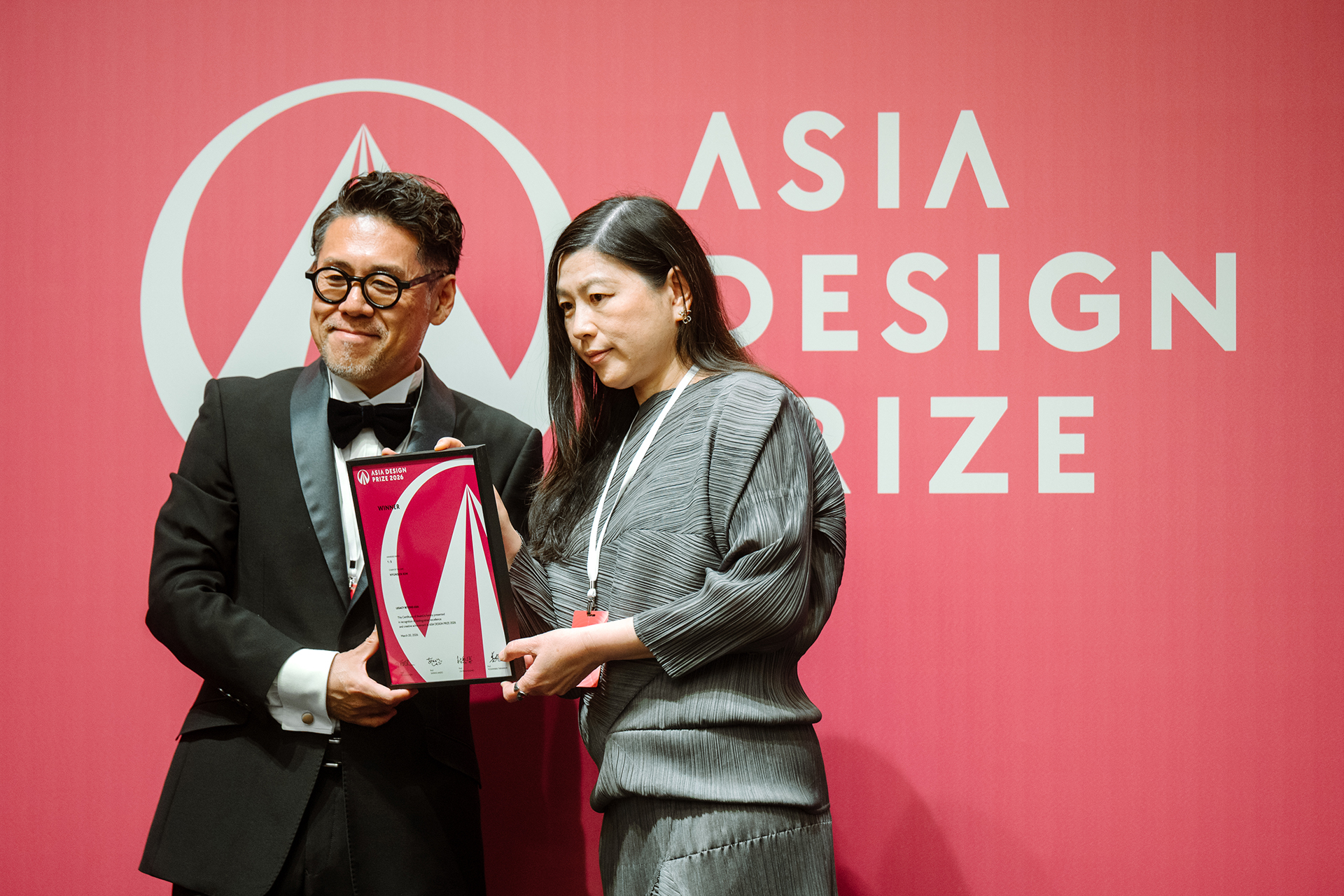
Recently, Asian design has expanded beyond merely showcasing an "Asian style" to integrating social issues, emotions, regionality, and technology. From your perspective, what is the true meaning of "Asian design" today?
There was a time when 'Asian design' largely referred to decorative expressions using traditional motifs and materials. Today, however, Asian design is undergoing a fundamental transformation. What I find most compelling is the capacity of Asian designers for 'designing relationships.' While Western design has emphasized individual expression and originality, Asian design possesses a unique ability to carefully weave connections between people, between humanity and nature, and between past and future. Where Western urban planning controls the whole through master plans, Asian cities grow organically from a single shop or a single street stall. In my own work, I have witnessed how creating one restaurant on a declining shopping street lined with shuttered stores can restore foot traffic and spark new businesses nearby.
A single space transforms the surrounding relationships and reshapes the character of a neighborhood. This is the very generative principle of Asian urbanism, and I believe this organic growth potential is the true essence of Asian design. Furthermore, Asia is forging its own path in addressing social challenges. Rapid urbanization, aging populations, and the permeation of technology are major issues. An increasing number of designers are seeking to address these issues not through institutional frameworks alone, but through the power of design. 'Asian design' is no longer a stylistic label; it is an attitude toward confronting challenges.
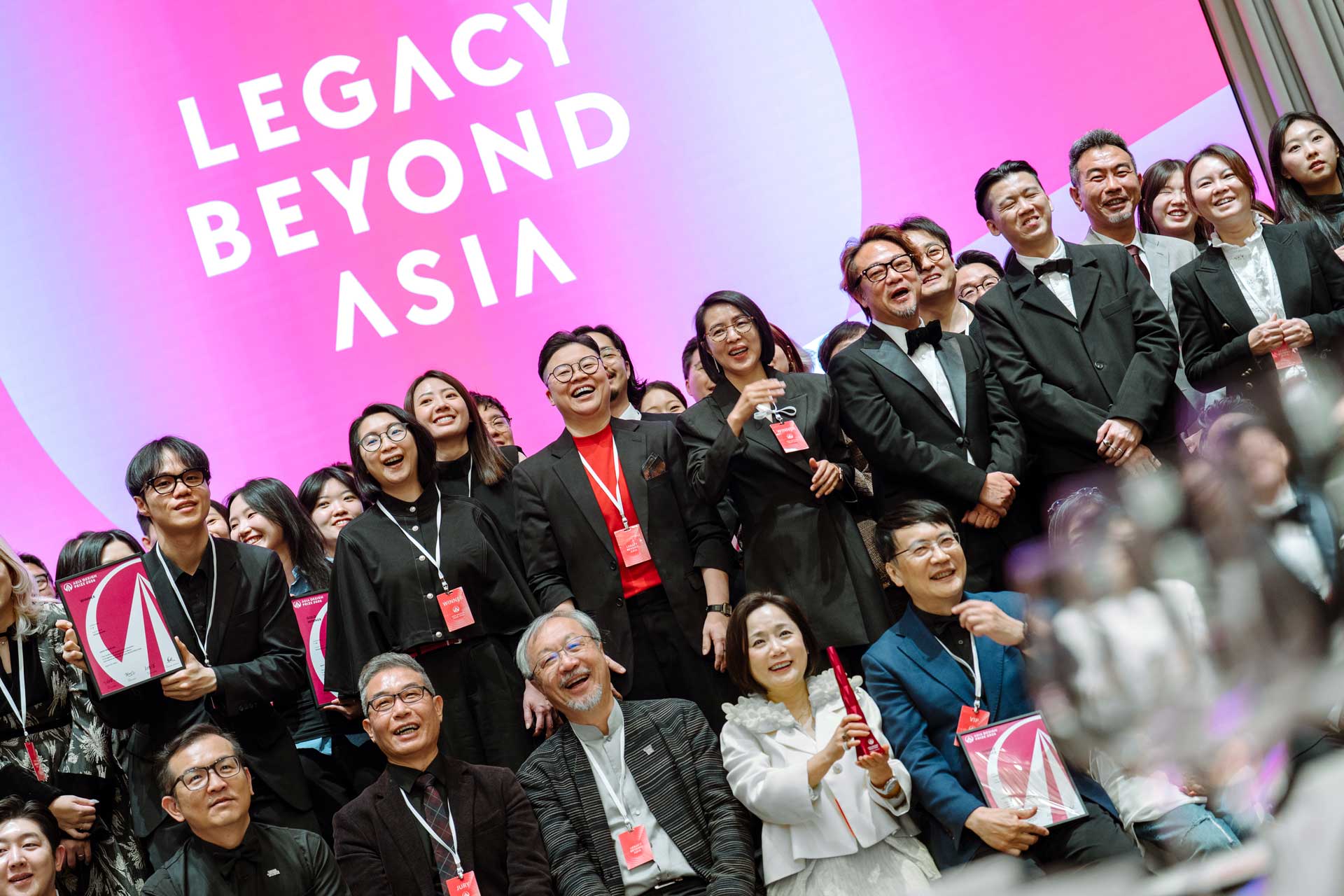
In an era where the number of design awards around the world is constantly growing, what do you believe is the unique role or identity that only the Asia Design Prize should possess?
In an era overflowing with design awards, the most important identity ADP should hold is that of 'a platform that translates Asian contexts into a universal language for the world.' European awards such as iF, Red Dot, and A' Design evaluate excellent design against global standards. This is significant, yet the very criteria of evaluation can sometimes be rooted in Western values. ADP's role is to present Asia's unique aesthetic sensibilities, spatial awareness, social relationships, and dialogue with nature. We aim to present these not as local particularities, but as universal values for the world. As the slogan 'Legacy Beyond Asia' symbolizes, ADP does not remain inward looking within Asia; it delivers a legacy from Asia to the world. I believe this stance is what clearly distinguishes ADP from other awards. Specifically, it is important not merely to recognize winning works, but to carefully archive the ideas and processes behind them, building an intellectual repository that future designers can reference. An award is a momentary spotlight, but a legacy endures.
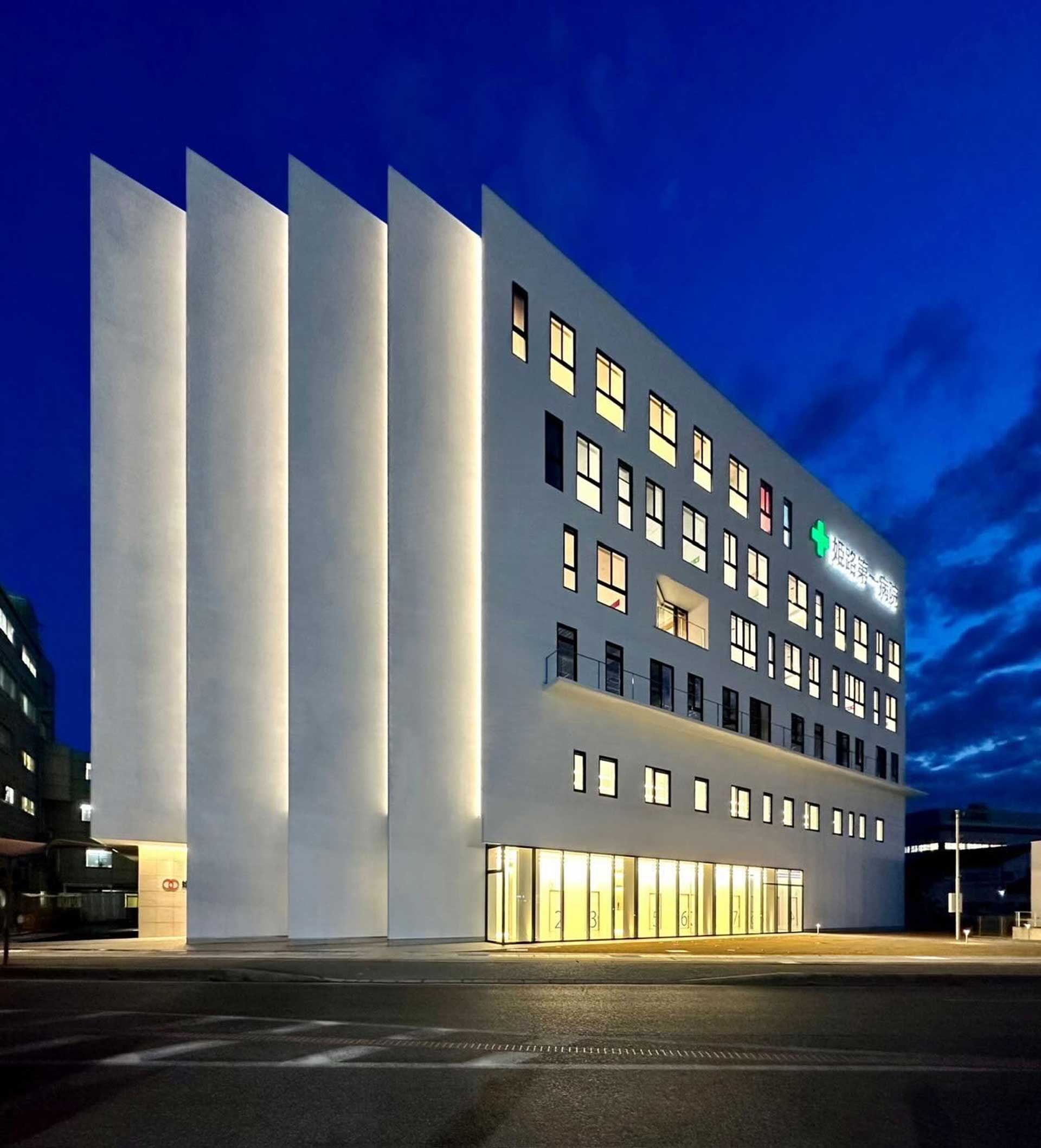
As the Chair of the Jury, what judging criteria or attitudes would you like to emphasize moving forward? Beyond mere formal perfection, what core values do you believe are required of designers today?
As Chair of the Jury, I intend to emphasize three criteria. The first is whether the design 'creates impact.' Beauty is a given. What I want to see is what change the design brings to human behavior, emotions, or society. I focus on the outcomes it generates. The second is 'integrity.' Is the design process honest? Was it born through genuine engagement with the realities of cost, materials, and construction? A design that merely looks good and one that has passed through the crucible of practical realism may appear similar on the surface, but they are fundamentally different. The third is 'respect for context.' Does the design show reverence for the place, culture, and history in which it exists? Rather than imposing one's own expression, does it create new value through dialogue with its context? What is required of designers today is the 'capacity to integrate sensibility and reason'. This means the ability to create something intuitively beautiful, combined with the ability to articulate logically why it is beautiful and why it is necessary. I am convinced that designers who possess both of these qualities are the ones this era demands.
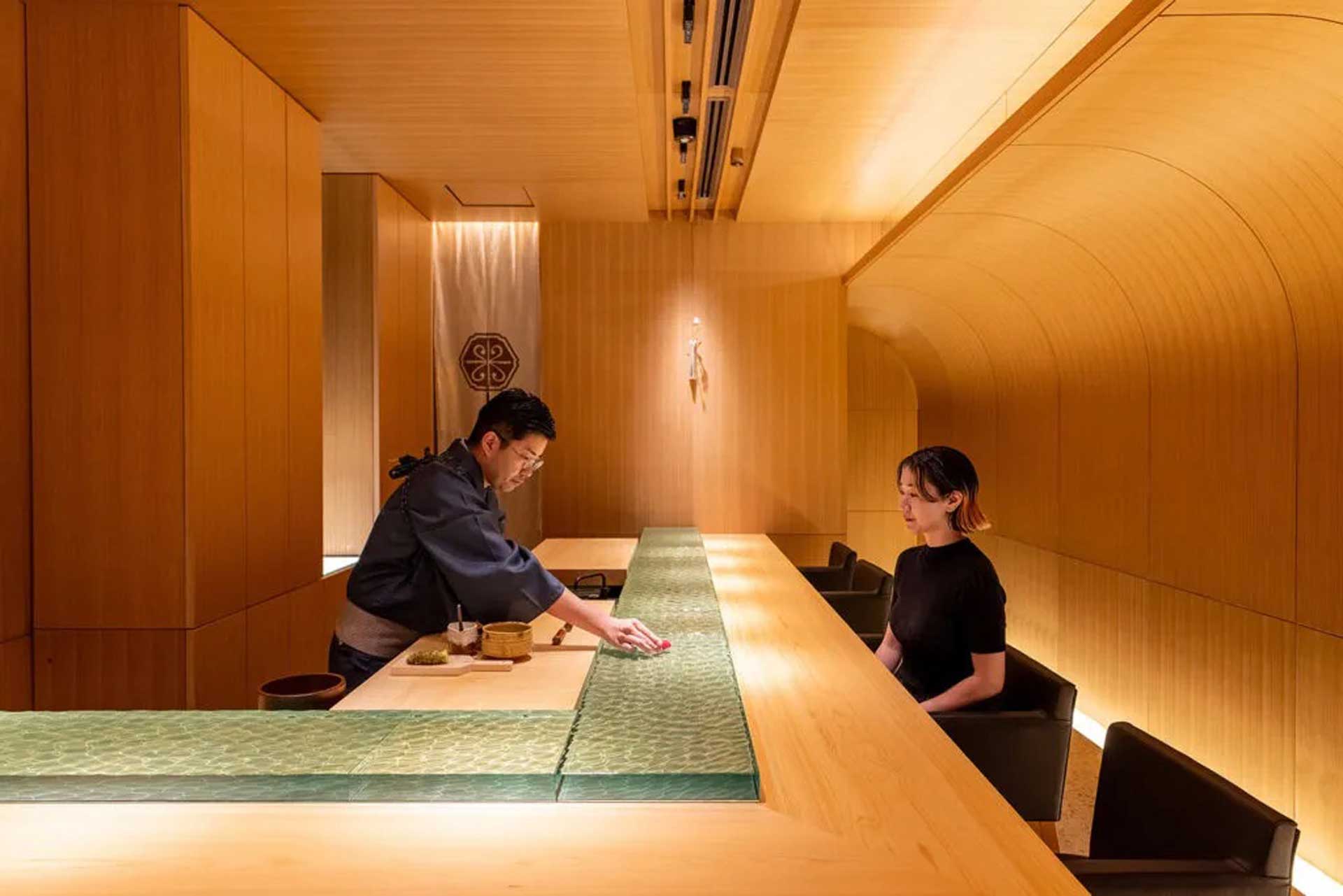
Design is increasingly shifting away from a focus on products and forms, moving toward the design of experiences, relationships, and emotional flows. Amidst these changes, what do you consider to be the most essential capability for future designers?
Experience design, relationship design, the design of emotional flow. Now that the scope of design has expanded this far, I believe the most critical ability is 'insight.' The more technology evolves, the greater the value of what only humans can do. That is the ability to perceive needs that have not yet been articulated. Before a client says, 'I want this kind of space,' it is the power to see through to the essence of their business or life and bring to the surface the experience they truly need. The projects in my career that have produced the greatest results were never ones where I simply gave form to a client's requests. When I renovated a single location for a restaurant chain that had fallen into the red across all locations due to COVID 19, what created a six month reservation waitlist and became the catalyst for a dramatic recovery was not redesigning 'what to eat,' but redesigning 'how to spend time'. This was a fundamental reimagining of the experience. Another essential quality is the 'ability to cross boundaries.' Rather than remaining siloed within architecture alone, product design alone, or graphic design alone, designers must move fluidly across disciplinary borders to pursue fundamental problem solving. This flexibility is indispensable for the designers of tomorrow.
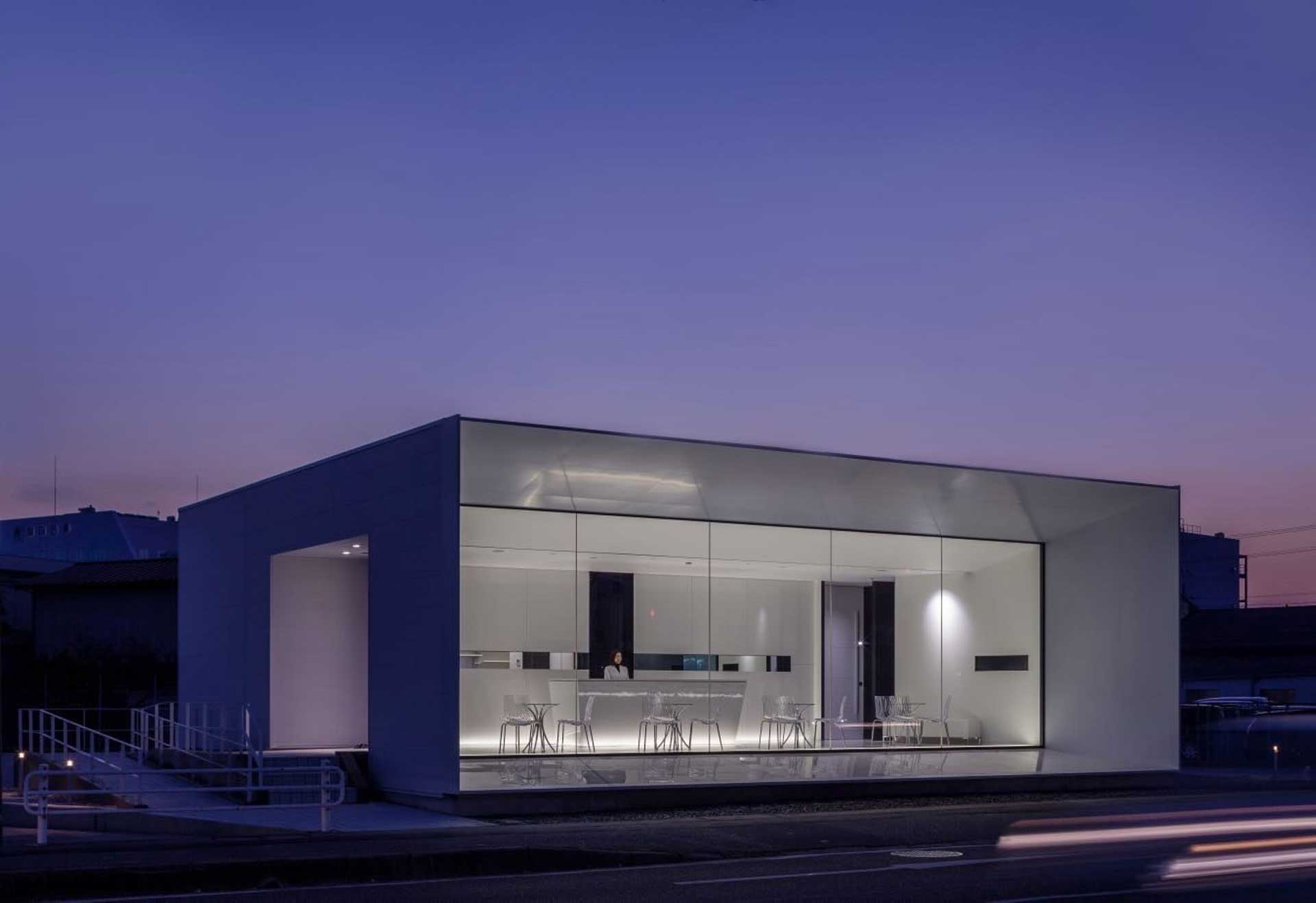
In your work, space feels not just like a physical structure, but rather an "experience apparatus" that captures human memory, senses, and urban contexts. How do you envision the future of design connecting with human life?
You used the phrase 'experience apparatus,' and that is precisely how I see it. For me, space is 'an apparatus that rewrites human memory.' When people enter a well designed space, they unconsciously straighten their posture, shift the tone of their voice, or switch their mode of thinking. This happens not because of physical structure alone, but because the integration of light, materials, circulation, sound, and temperature is inscribed into memory through the senses. I believe the design of the future should intervene more deeply in human 'time.' Not single instance experiences, but design that continues to work within the fabric of daily life. For instance, the office space an employee enters every morning subtly influences their creativity each day. The moment a patient opens the door of a clinic, their anxiety eases. It is this kind of 'design dissolved into the everyday' that represents the ideal relationship between design and human life going forward. When space changes, behavior changes. When behavior changes, lives change. This conviction is the origin of everything I do.
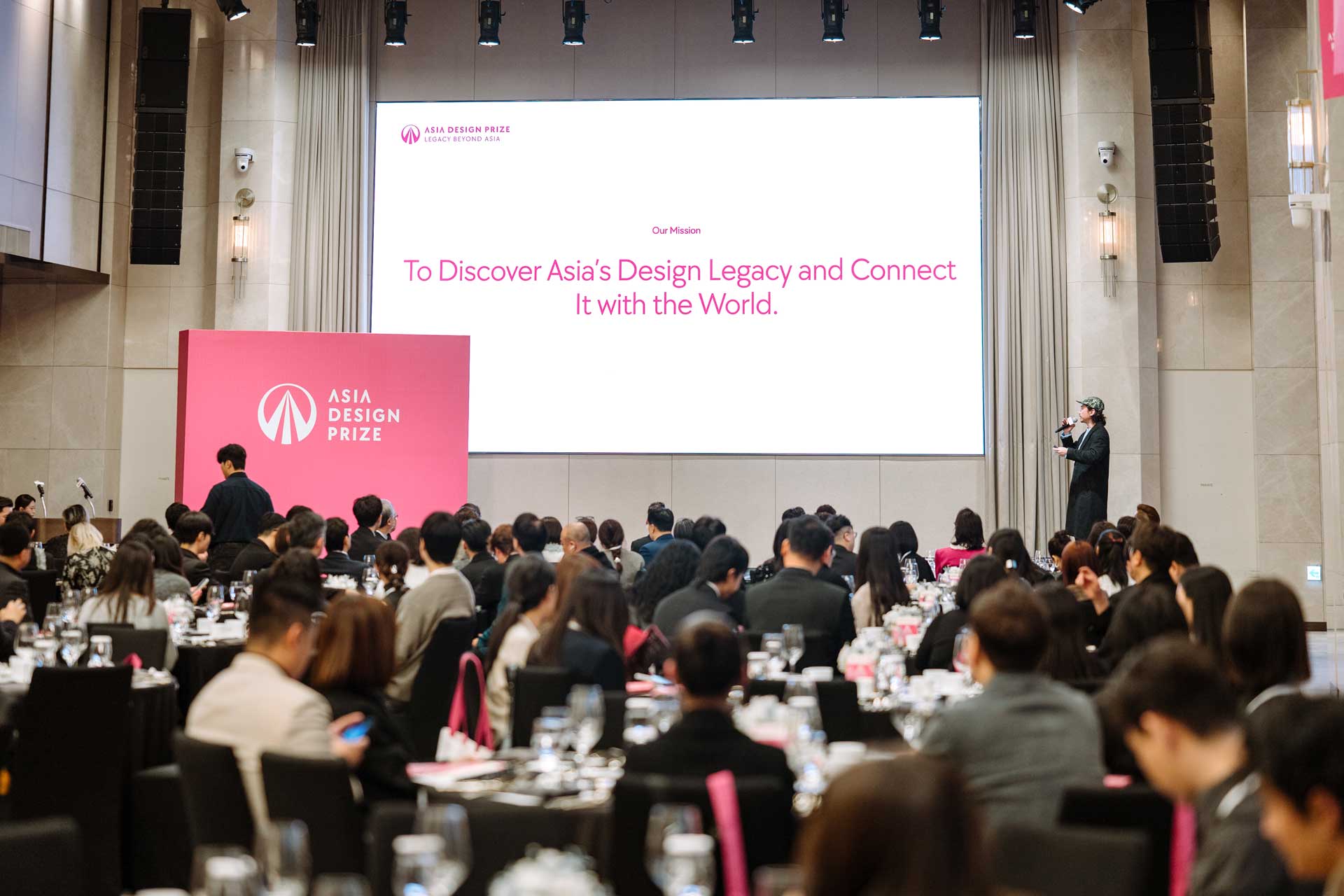
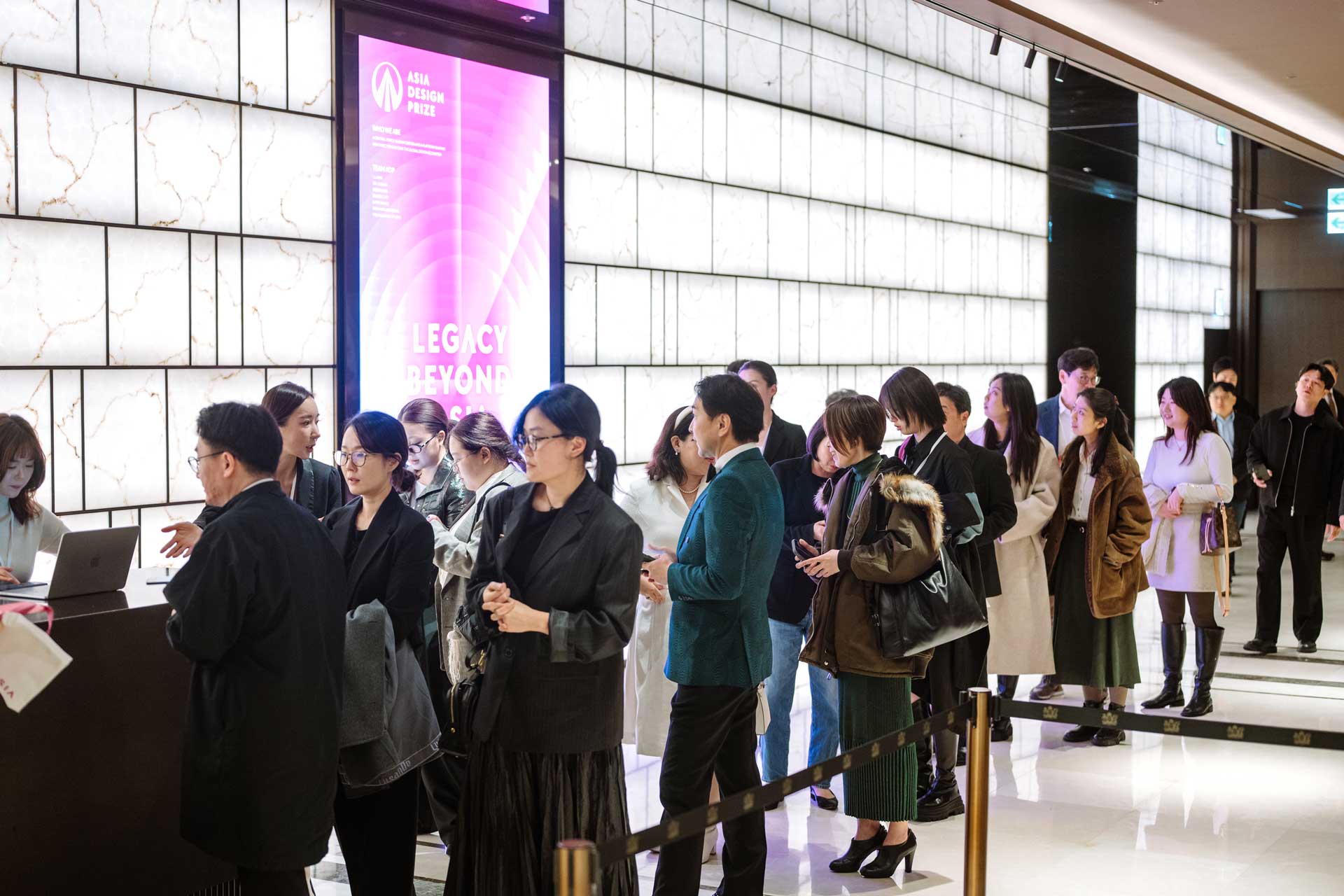
Under the slogan "Legacy Beyond Asia," the Asia Design Prize is building a record and legacy of Asian design. In what ways do you expect ADP to connect and shape the future of Asian design moving forward?
I want ADP to become 'the chronicle of Asian design.' Each year's winning works are a record of the challenges Asia faced at that time and how designers responded to them. Rather than ending with annual recognition, if these are accumulated over spans of 10, 20, and 50 years, ADP will become the world's only archive capable of telling the story of where Asian design came from and where it is heading. Another thing I expect from ADP is its function as 'a forum for future generation dialogue.' Award recipients connect across national borders, collaborative projects emerge, and new perspectives intersect. The awards ceremony is merely the catalyst. The true meaning of 'Legacy Beyond Asia' lies in the power of the community that continues to grow afterward. I myself have had the privilege of giving lectures at ADP events, and the connections I made there profoundly influenced my subsequent work. I want to bring that experience to as many designers as possible. As Chair of the Jury, I am committed to building frameworks that foster connections beyond the award itself.
Do you have a message for young designers and emerging studios? Particularly in this rapidly changing AI era, what is the fundamental essence that designers must never lose sight of?
There is something I want to say to young designers: 'Go to the field.' AI is evolving at an astonishing pace. Image generation, drafting, and pattern analysis are evolving rapidly. Many of the tasks that designers once spent extensive time on will soon be handled by AI. So what remains for the designer? It is 'the ability to read space with all five senses' and 'the ability to imagine human emotions.' Standing on site, sensing the angle of light, touching materials, understanding the path of the wind, and imagining how the person standing there feels. This physicality cannot be replaced no matter how far technology advances. I have given lectures to students on the theme of 'How to develop design skills needed in the AI era,' and what I always say is: 'AI is a tool, and it can be a partner, but it cannot replace your eyes, your hands, or your feet.' One more thing: do not be ashamed of where you started. I began as a construction site supervisor, walking a career path far from the conventional track of this industry. Yet it was precisely that field experience that gave me my unique weapon, which is the ability to reconcile cost and design. Your unusual background or detour will inevitably become your distinctive perspective.
Finally, as the Chair of the Jury, what specific direction and personal aspirations do you hope to realize together with the Asia Design Prize in the future?
What I want to achieve together with ADP is to accumulate 'evidence that design drives business and society.' Beautiful photographs and award histories alone cannot convey the true value of design. How did sales change as a result of the design? How did foot traffic shift? What impact did it have on the community? If we can archive these 'records of outcomes' as well, ADP will transcend the framework of a design award and become a platform that proves the social value of design. In the judging process as well, I want to promote comprehensive evaluation that encompasses not only the beauty of the finished form but also the process and results behind it. On a personal note, I aspire to serve as a bridge connecting young Asian talent with Japanese craftsmanship. Japan possesses exceptional construction technology and quality management expertise, while other regions of Asia bring bold vision and speed. I am convinced that when these two forces converge, design that astonishes the world is born. 'Transforming space into a business weapon'. This is the slogan of my firm, but as Chair of the Jury for ADP, I would rephrase it as: 'Transforming design into a force that changes the future of Asia.' I am fully committed to making this vision a reality.
















#14057, 905 49, Beolmal-ro 102beon-gil,
Dongan-gu, Anyang-si, Gyeonggi-do, Korea
Business Registration Number: 454-86-01044
Online Sales License No.: 2021-Anyang Dongan-1081
Copyright © DESIGNSORI Co., Ltd.